
Koi-Koi and hanafuda glossary
Last updated
Koi-Koi uses Japanese terms for its cards, calls and scores. The oya is the dealer, who plays first; a yaku is a scoring set of cards; Shōbu ends the round and scores it; and koi-koi, the call that gives the game its name, plays on for more. This glossary explains 58 terms of Koi-Koi and hanafuda, each with its kanji and reading.
The terms are grouped by topic below; the index lists them all from A to Z. Card and yaku names are the ones the game uses, so the Rain here is the card many players call the rain man. The rules of Koi-Koi use the same words in context.
Basic Koi-Koi terms
The words you hear in every round: the game, its calls and the two players.
- Hanafuda花札はなふだ
Japanese flower cards: a deck of 48 small cards, four for each month of the year, where a flower or plant marks the month instead of a number. They are also called hana-karuta. Nintendo calls Koi-Koi, a game for two, “the most famous way to play hanafuda”.
Related: Fuda, Tsukifuda, Hana-awaseMore: Hanafuda, Cards
- Fuda札ふだ
Card. The word runs through the vocabulary of the game: hanafuda (flower cards), bafuda (table cards), tefuda (hand), yamafuda (draw pile) and torifuda (captures).
- Tsukifuda月札つきふだ
The cards of a month: the four cards that share a flower. Some rule sets also have a yaku of that name, 4 points for all four cards of the month that matches the round (January in round 1, and so on), usually in 12-round games; this game does not use it.
- Koi-Koiこいこい
The call to play on after you form a yaku, hoping for more points, and the name of the game itself. It comes from 来い来い, “come on, come on!” (from kuru, to come), and has nothing to do with love (恋; writing the name 恋恋 is a mistake) or carp (鯉), which are also read koi. It is also written コイコイ, and in English koi koi or koikoi.
Related: Shōbu, Koi-gaeshiMore: Rules, Strategy
- Shōbu勝負しょうぶ
Shōbu (shobu), “showdown”: the call that ends the round when you have a yaku, so that you score it. Your opponent scores nothing that round, whatever they have captured.
- Agari上がりあがり
Going out: ending the round with a yaku. It means the same as Shōbu, and some players say it instead.
Related: Shōbu
- Yaku役やく
A scoring combination of cards, such as Inoshikachō (Boar, Deer and Butterflies) or Gokō (Five Lights). In Koi-Koi only yaku score; the card values of 20, 10, 5 and 1 points count in older games such as hana-awase.
- Oya親おや
The dealer, who deals and plays first in every round. The first dealer is the player who draws the earlier month (this game uses a fair coin flip online), and after that the winner of each round deals the next. Playing first is counted as an advantage, since the dealer is the first to match the table.
Related: Ko, Oyaken, NagareMore: Rules, House rules
- Ko子こ
The non-dealer, who plays second. Oya means parent and ko means child.
Related: Oya
At the table
Where the 48 cards lie during a round.
- Bafuda場札ばふだ
The table: the cards lying face up between the players. Eight are dealt there at the start of each round, and a card played or drawn that matches none of them joins them.
- Tefuda手札てふだ
Your hand: the eight cards dealt to each player, kept hidden from the opponent. You play one of them on each turn.
- Yamafuda山札やまふだ
The draw pile: the 24 cards left face down after the deal. After playing from your hand you turn over its top card; a round has at most 16 turns, so at least 8 of its cards are never turned over.
- Torifuda取り札とりふだ
Your captures: the cards you have taken, laid face up in front of you so both players can see them. Only the yaku they form score, never the card values.
- Basan場三ばさん
Three cards of one month on the table. Whoever plays or draws the fourth card of that month takes all four at once, so if that card is in your hand, the three are yours to collect later in the round.
- Redeal配り直しくばりなおしkubari-naoshi
Kubari-naoshi: gathering the cards and dealing again. This game, like Nintendo’s rules, redeals when all four cards of one month land on the table (bashi); some rule sets also redeal when the table shows four pairs, where this game plays on.
Related: Basan, BafudaMore: Rules, House rules
Kinds of card and the named cards
The four kinds of card, and the cards that players call by name.
- Hikari (lights)光札ひかりふだ
The five light cards (brights), worth 20 each: the Crane, the Curtain, the Moon, the Rain and the Phoenix. They make the four light yaku: Gokō, Shikō, Ame Shikō and Sankō.
Related: Gokō, Sankō, Rain (rain man)More: Light yaku, Cards
- Tane (animals)種札たねふだ
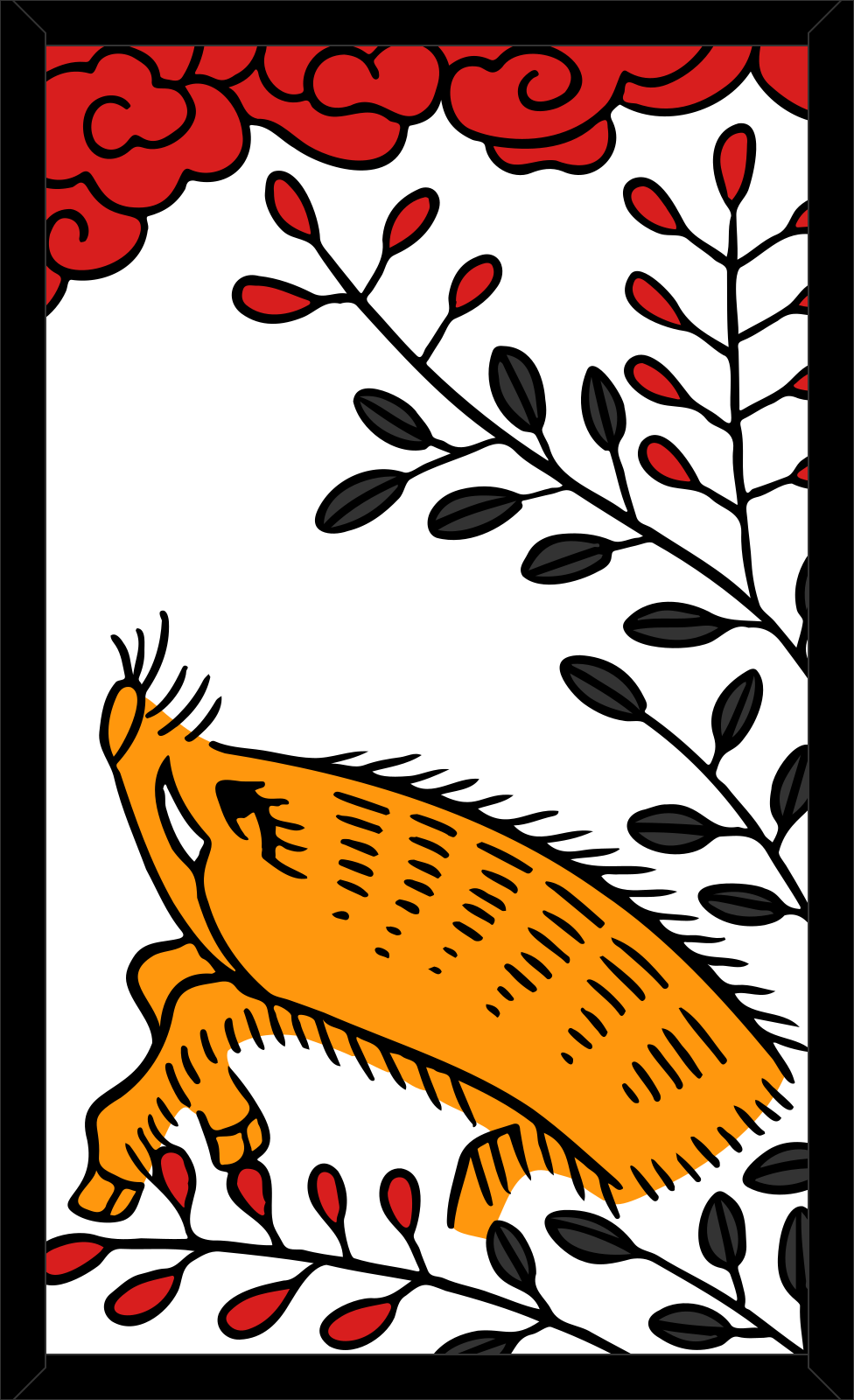
The nine animal cards (tane, “seeds”), worth 10 each, among them the Boar, the Nightingale and the Sake cup. Any five make the yaku Tane, 1 point plus 1 for each further tane; the Boar, Deer and Butterflies together make Inoshikachō.
Related: Inoshikachō, Sake cupMore: Tane, Tan and Kasu
- Tanzaku (ribbons)短冊たんざく
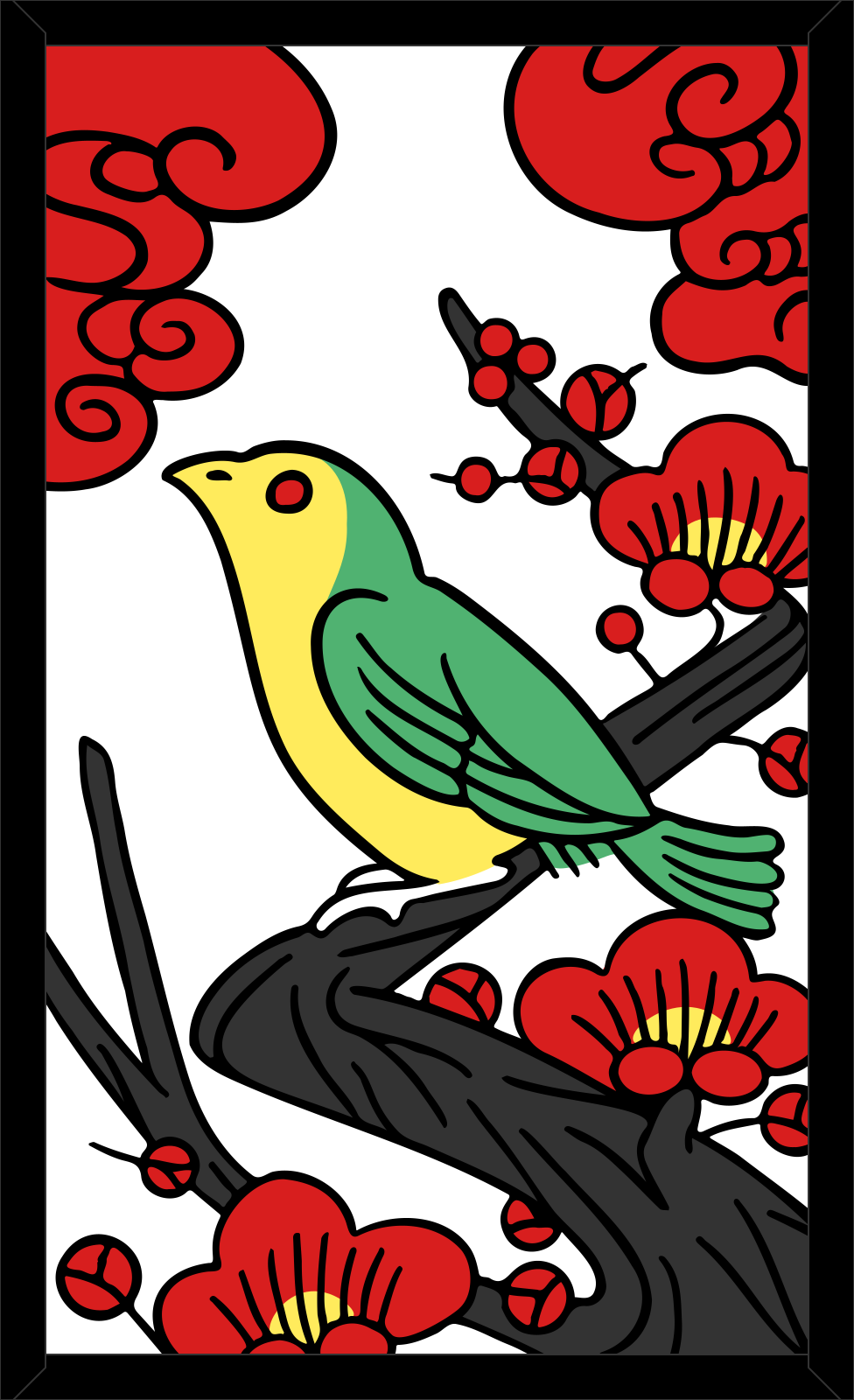
The ten ribbon cards, poem slips worth 5 each: three red ones with writing (Akatan), three blue ones (Aotan) and four plain red ones. Any five make the yaku Tan, 1 point plus 1 for each further tanzaku.
Related: Akatan, Aotan, Chōfuku (Akatan and Aotan)More: Tane, Tan and Kasu, Akatan and Aotan
- Kasu (plains)カス札かすふだ
The 24 plain cards (chaff), worth 1 each: two in most months, one in November (the Lightning) and three in December. Any ten make the yaku Kasu, 1 point plus 1 for each further plain. Nintendo’s rules also count the Sake cup as a kasu; this game does not.
Related: Lightning, BakefudaMore: Tane, Tan and Kasu, House rules
- Crane松に鶴まつにつるmatsu ni tsuru
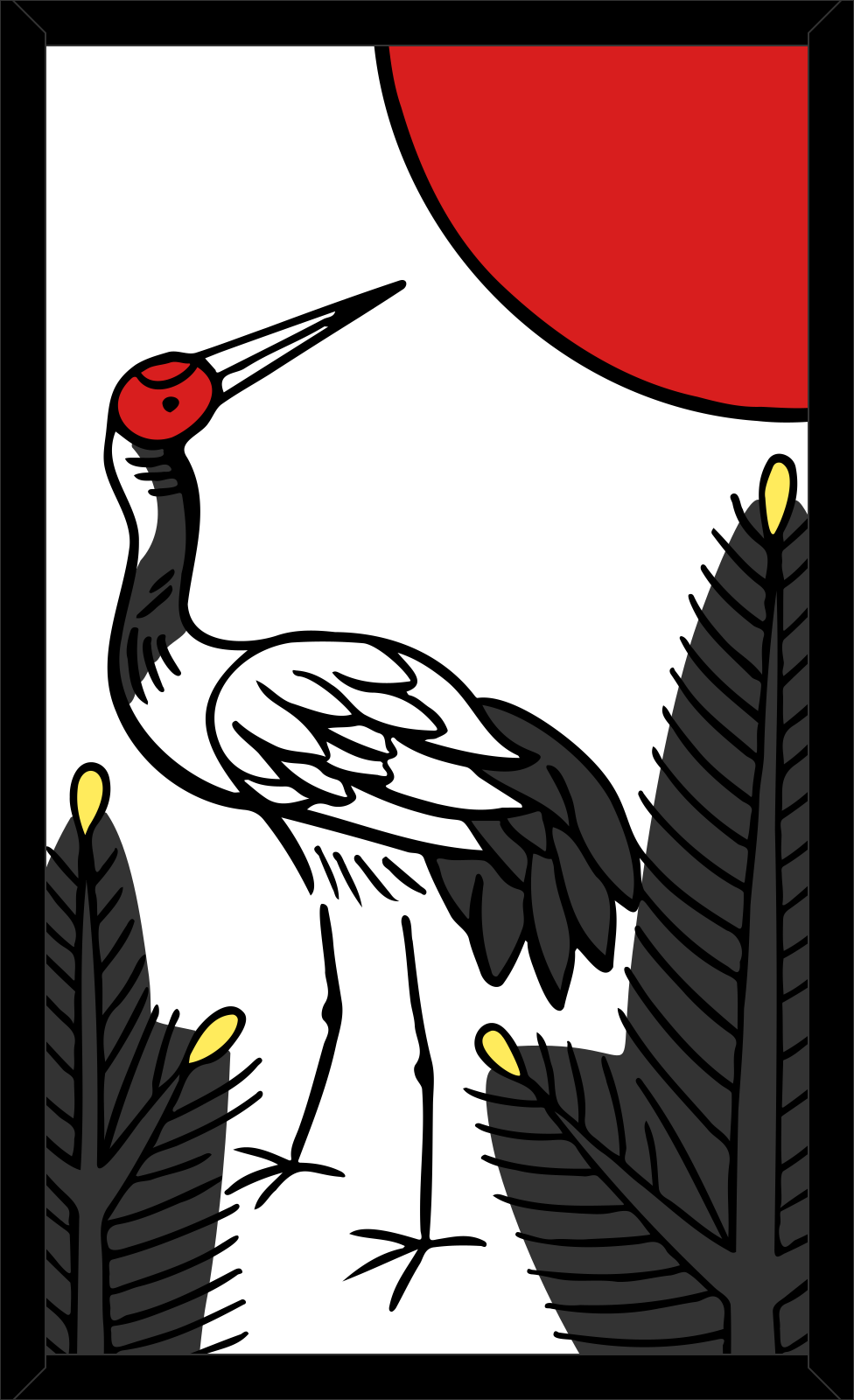
The January light, matsu ni tsuru: a red-crowned crane among pines under a rising sun, both emblems of long life. It counts only towards the light yaku.
Related: Hikari (lights), SankōMore: Cards
- Curtain桜に幕さくらにまくsakura ni maku
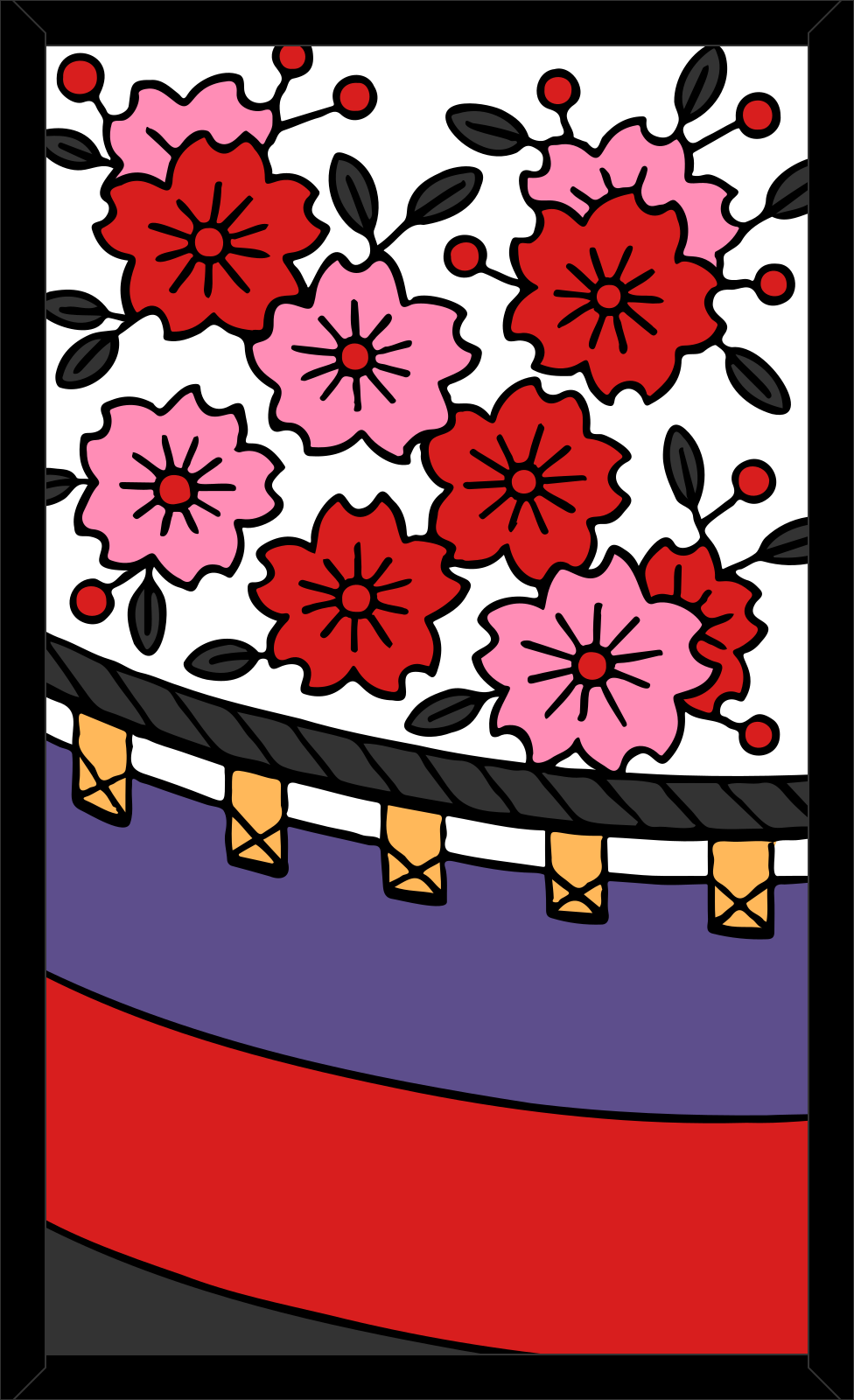
The March light, sakura ni maku: cherry trees in full bloom above the striped curtain that screened off a blossom-viewing party. It counts towards the light yaku and, with the Sake cup, Hanami de ippai.
Related: Hikari (lights), Hanami de ippaiMore: Cards
- Moon芒に月すすきにつきsusuki ni tsuki
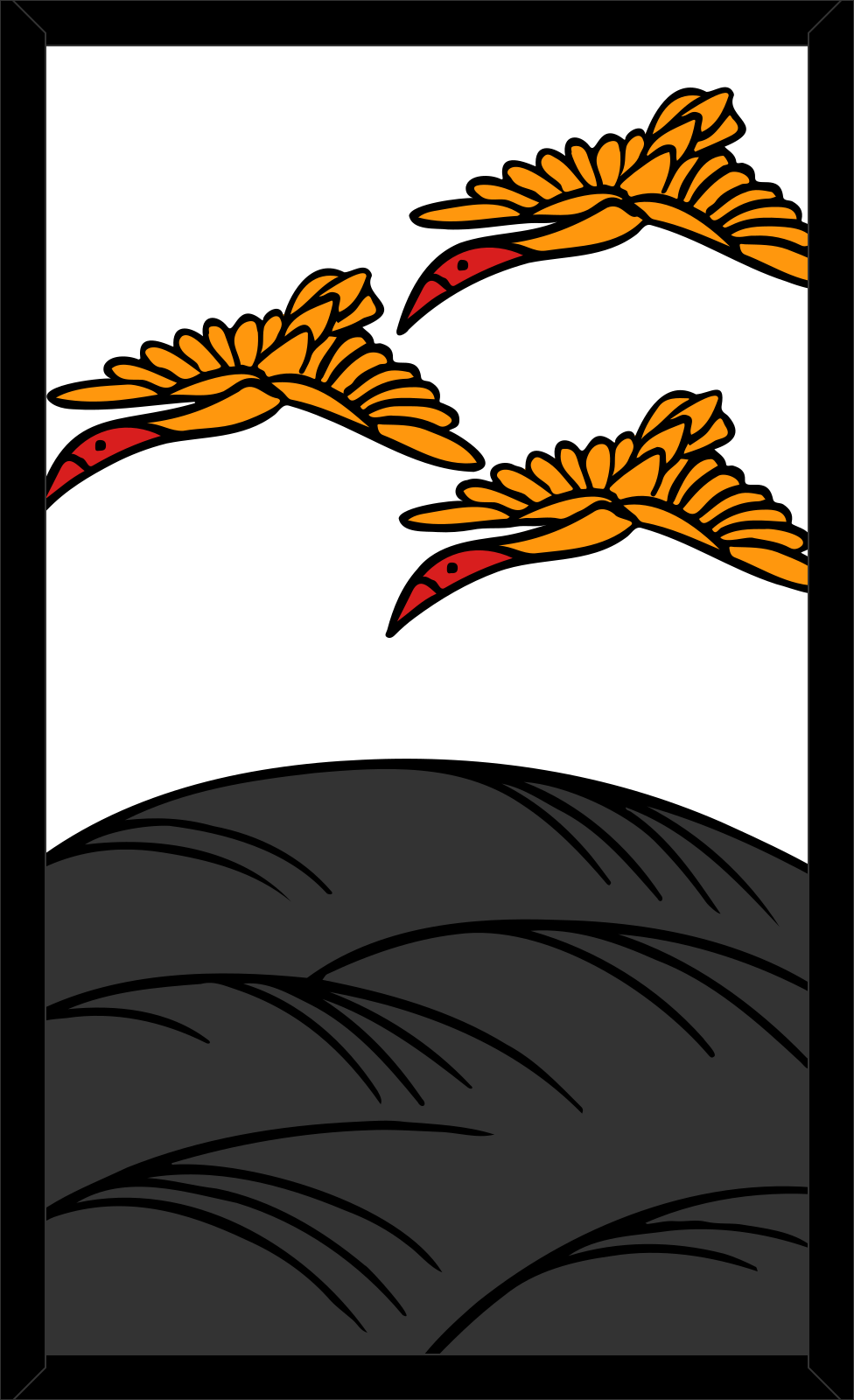
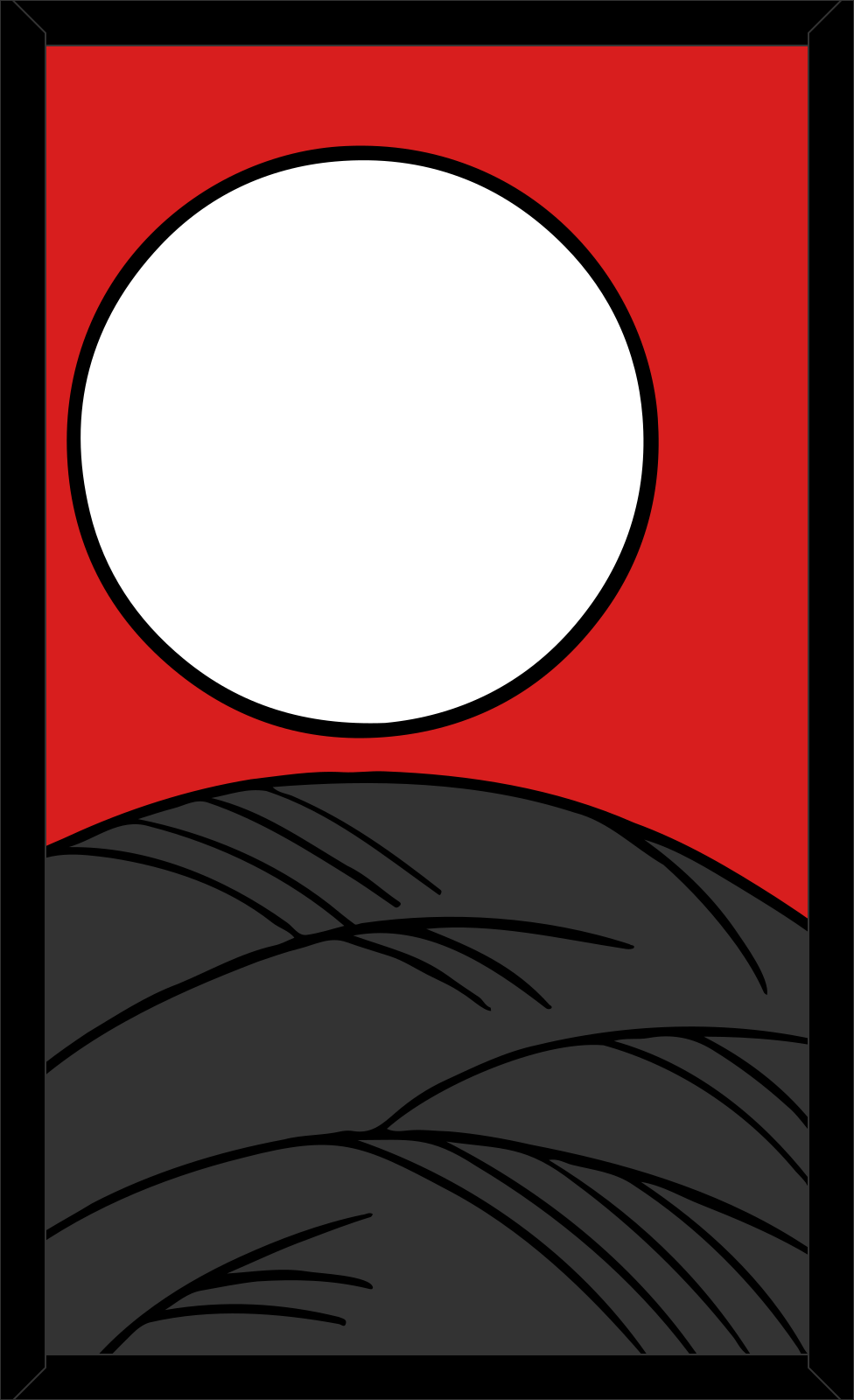
The August light, susuki ni tsuki: a full moon rising over a hill of pampas grass, nicknamed bōzu (“monk”) for the bare, round hill. It counts towards the light yaku and, with the Sake cup, Tsukimi de ippai.
Related: Hikari (lights), Tsukimi de ippaiMore: Cards
- Rain (rain man)柳に小野道風やなぎにおののとうふうyanagi ni Ono no Tōfū
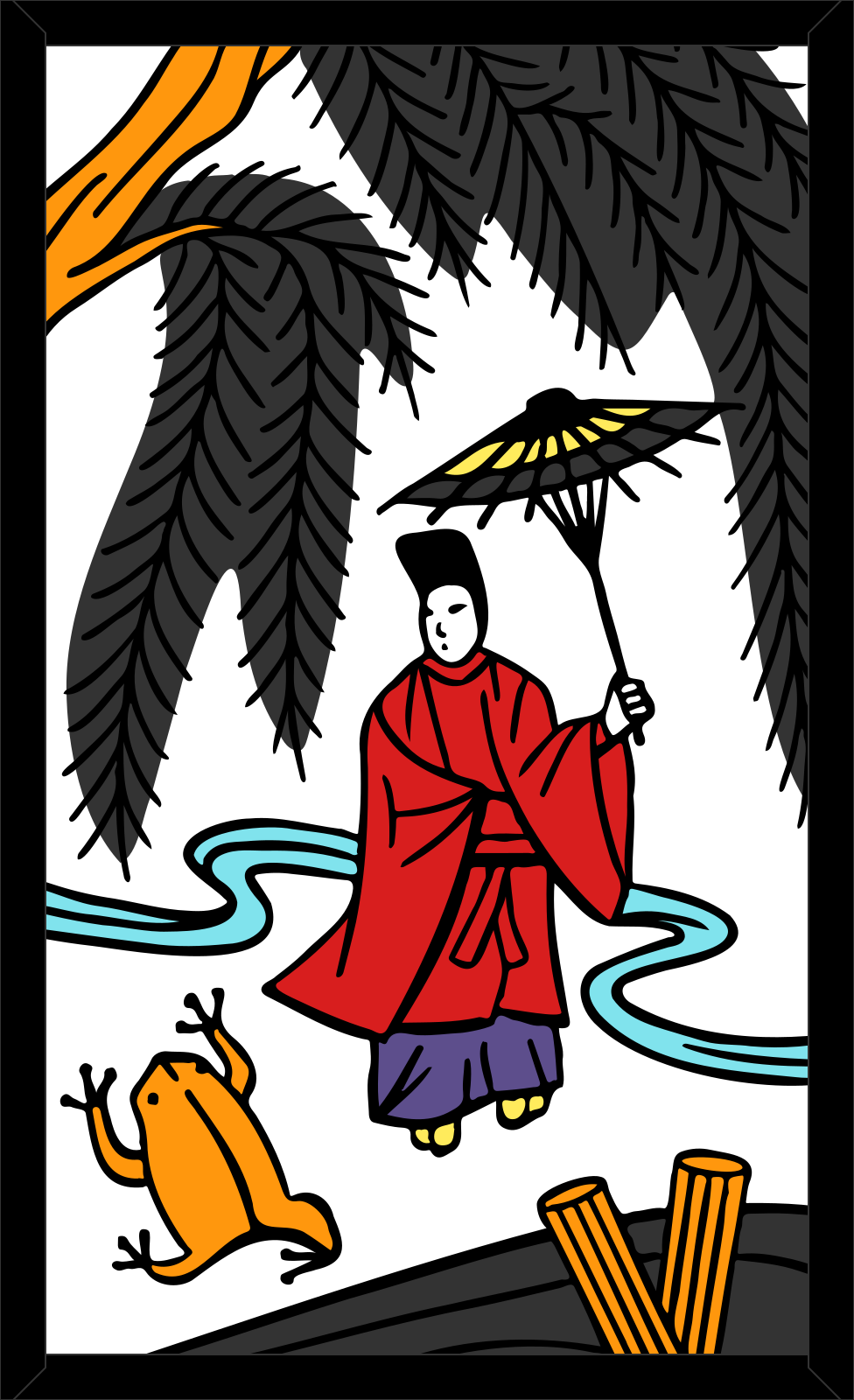
The November light, the Rain, often called the rain man: the Heian calligrapher Ono no Michikaze (also read Ono no Tōfū) with an umbrella, and a frog leaping at a willow branch. It does not count towards Sankō or Shikō, only towards Ame Shikō and Gokō.
Related: Ame Shikō, Hikari (lights)More: Cards, Light yaku
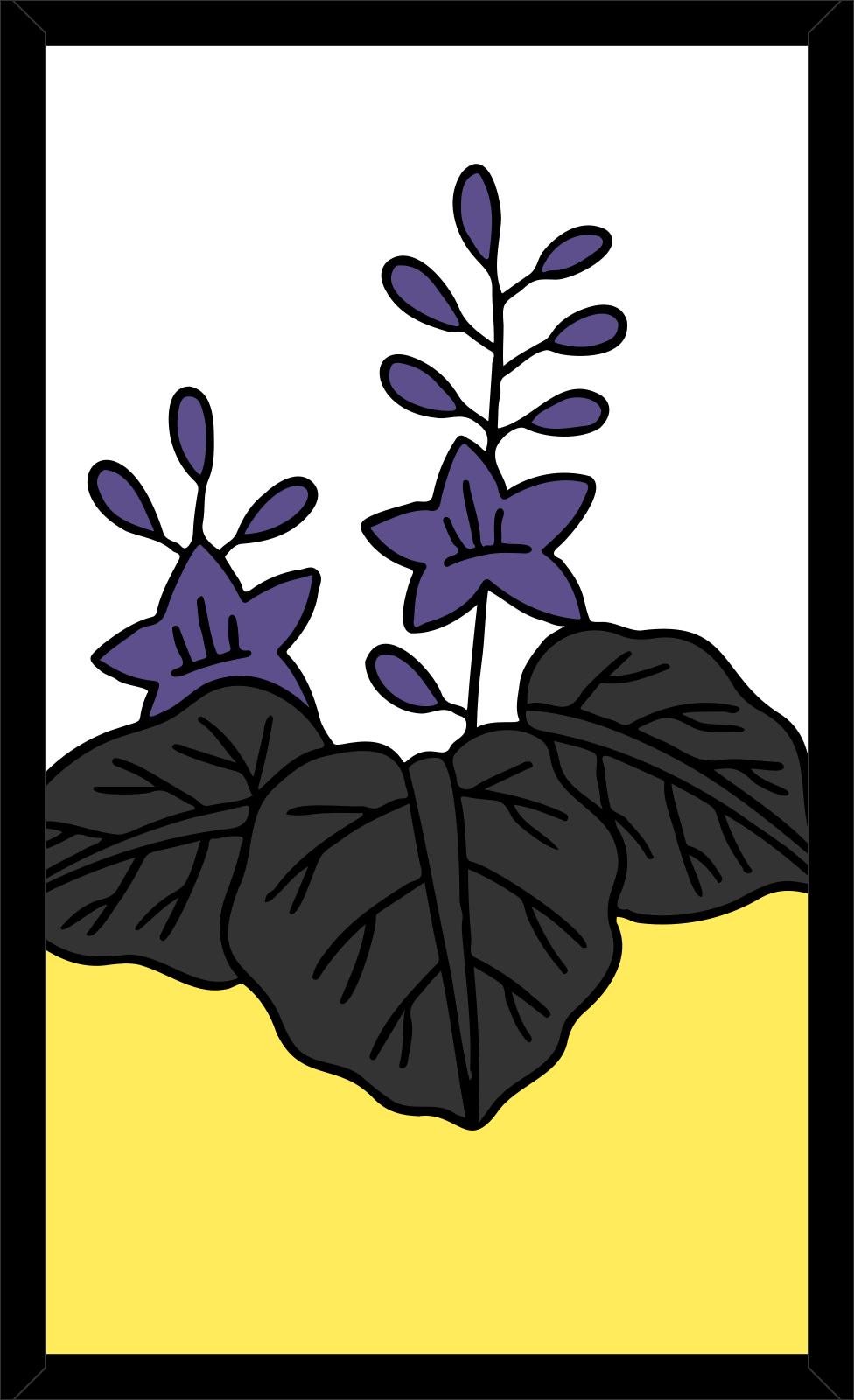
- Phoenix桐に鳳凰きりにほうおうkiri ni hōō
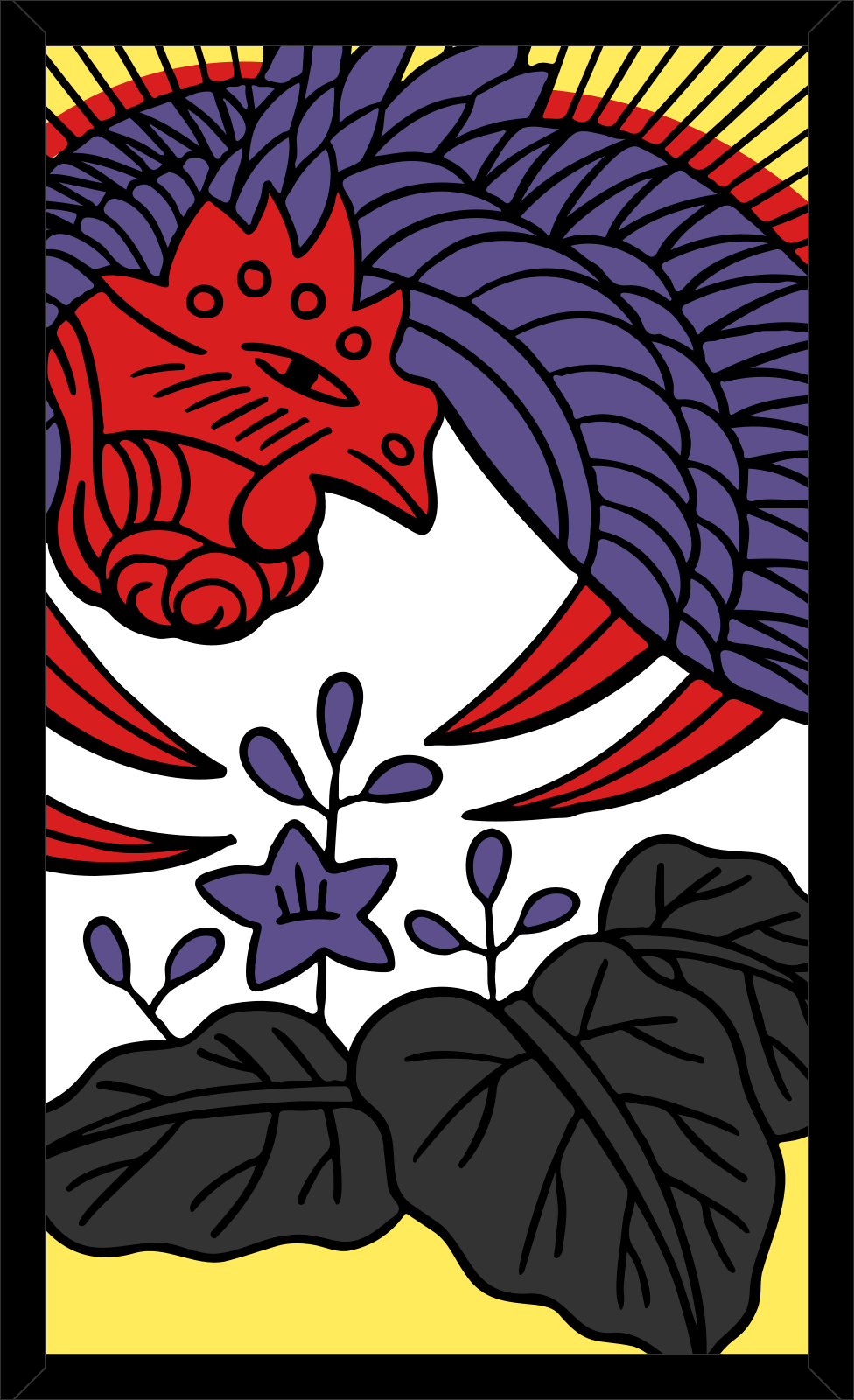
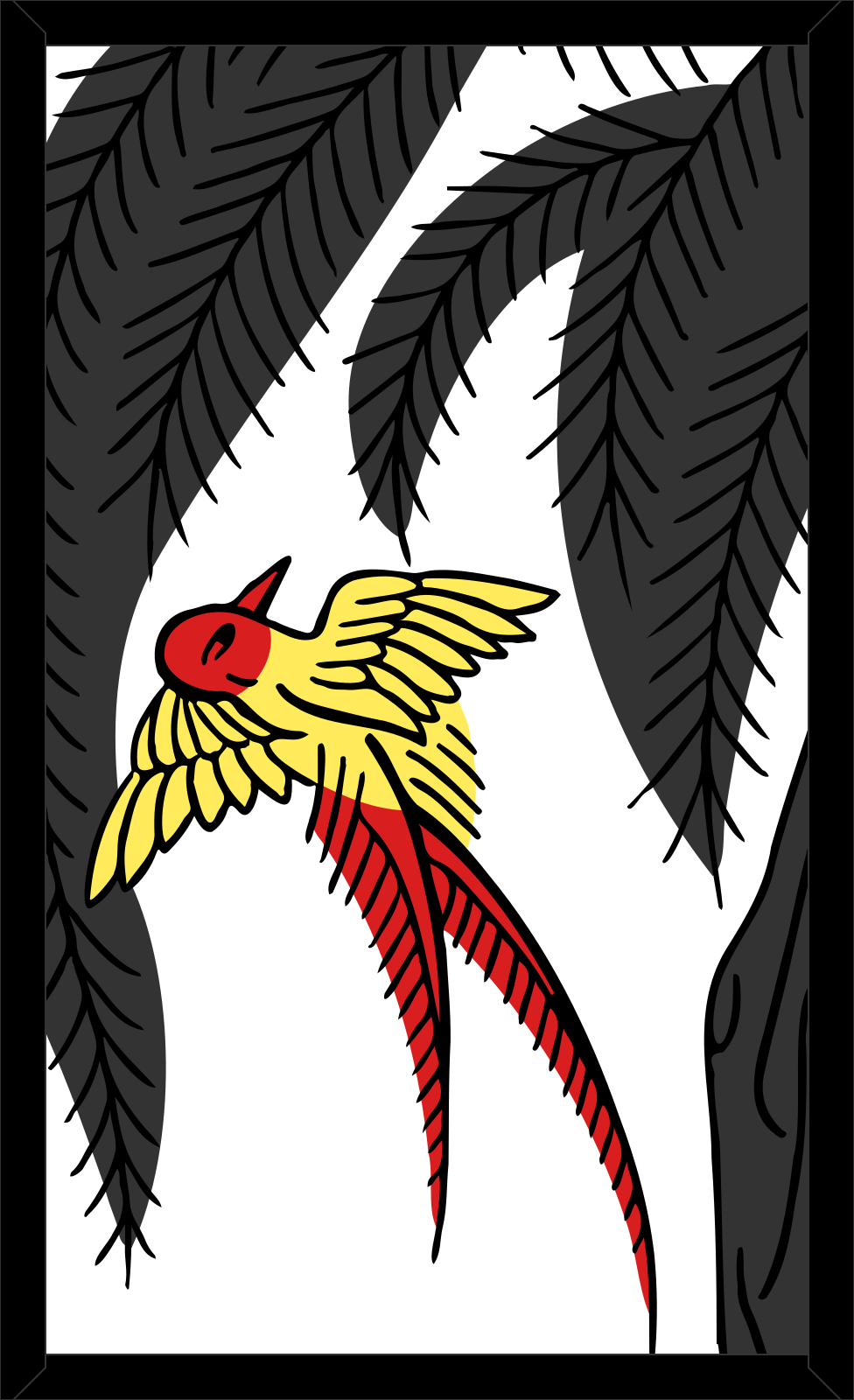
The December light, kiri ni hōō: a phoenix above paulownia leaves and flowers. It counts only towards the light yaku.
Related: Hikari (lights), SankōMore: Cards
- Sake cup菊に盃きくにさかずきkiku ni sakazuki
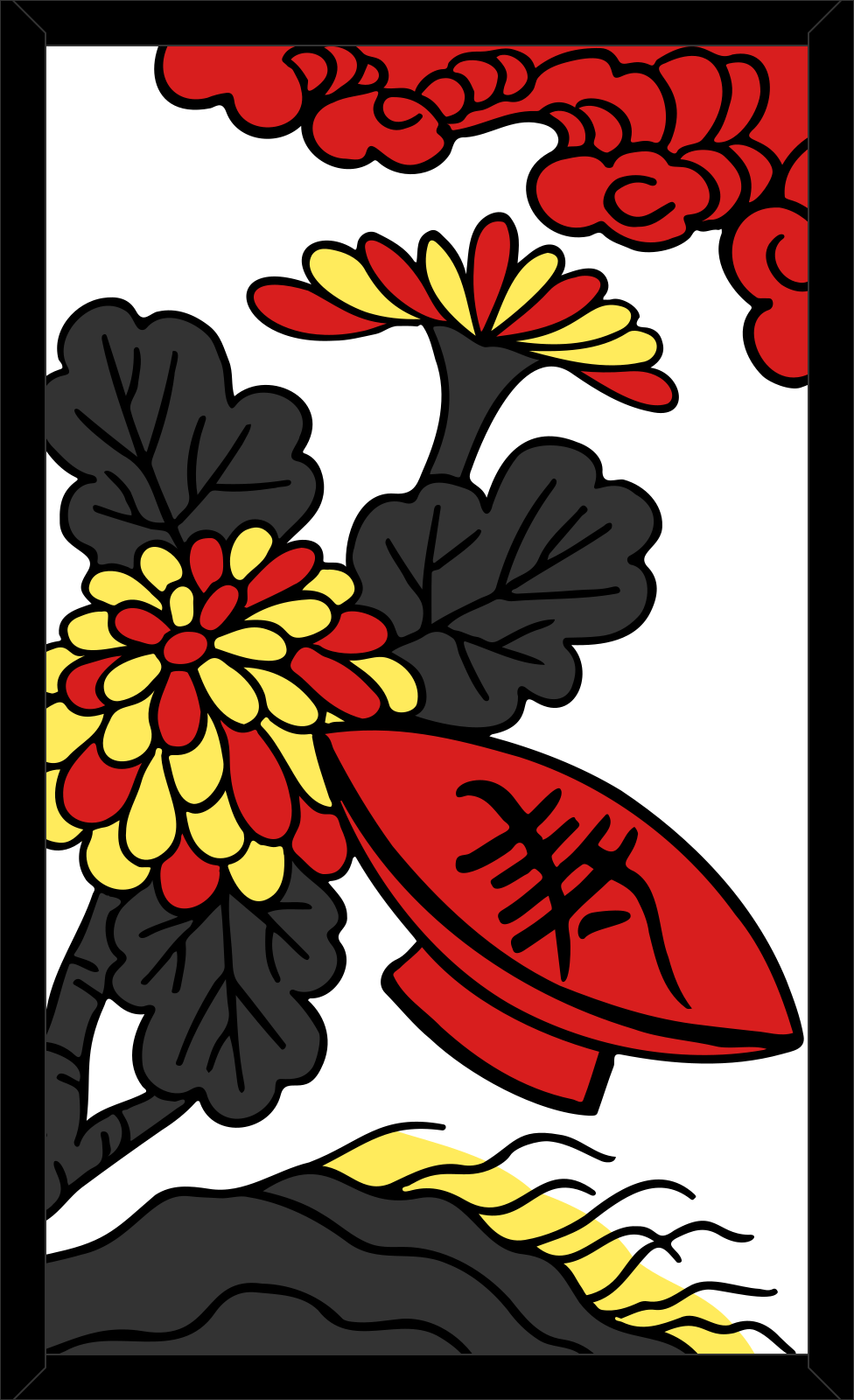
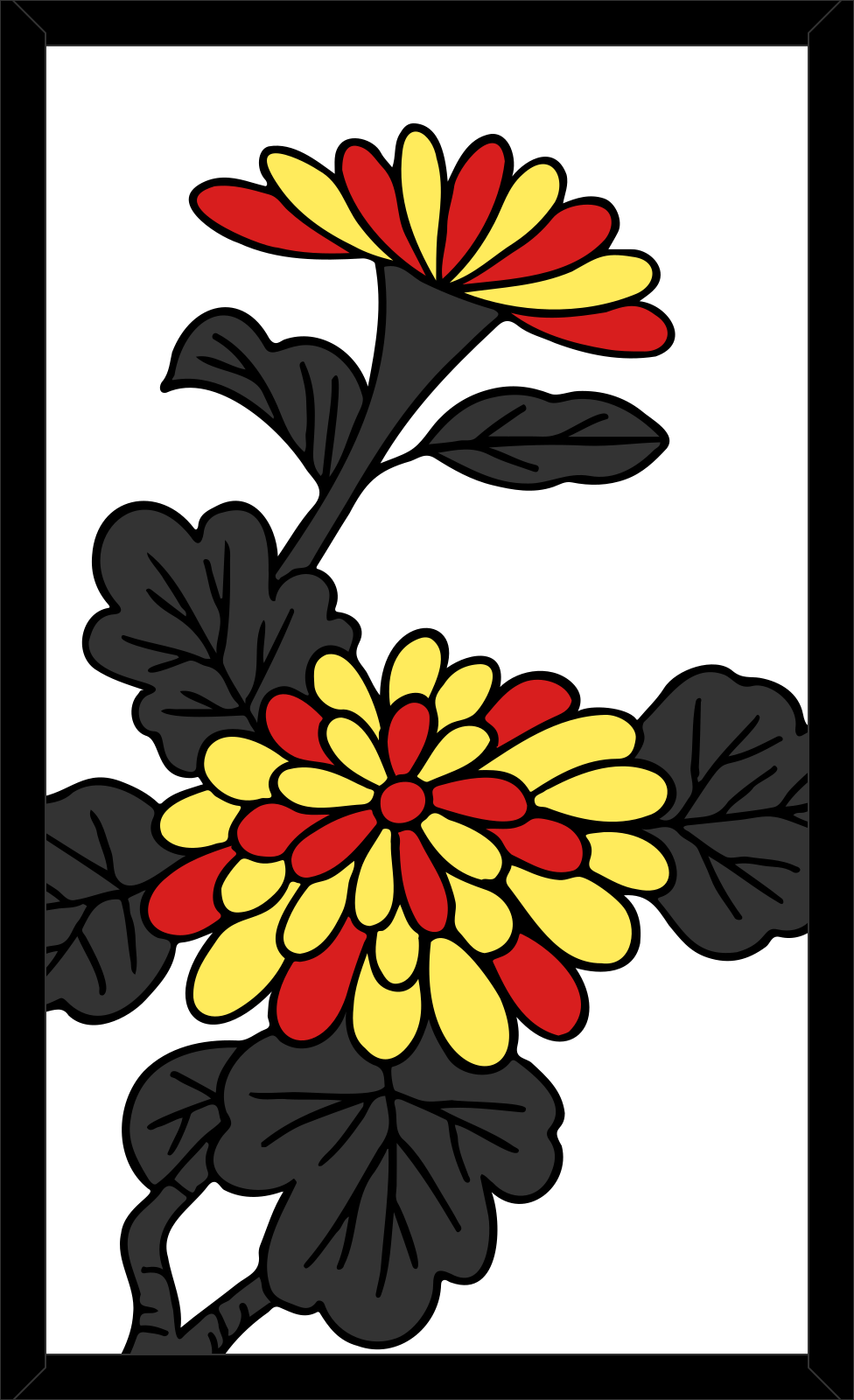
The September animal card, kiku ni sakazuki: a red lacquer sake cup marked 寿 (“long life”) among chrysanthemums. With the Curtain it makes Hanami de ippai, with the Moon Tsukimi de ippai, and it is a tane. Nintendo’s rules also count it as a kasu; this game does not.
Related: Hanami de ippai, Tsukimi de ippai, BakefudaMore: Cards, House rules
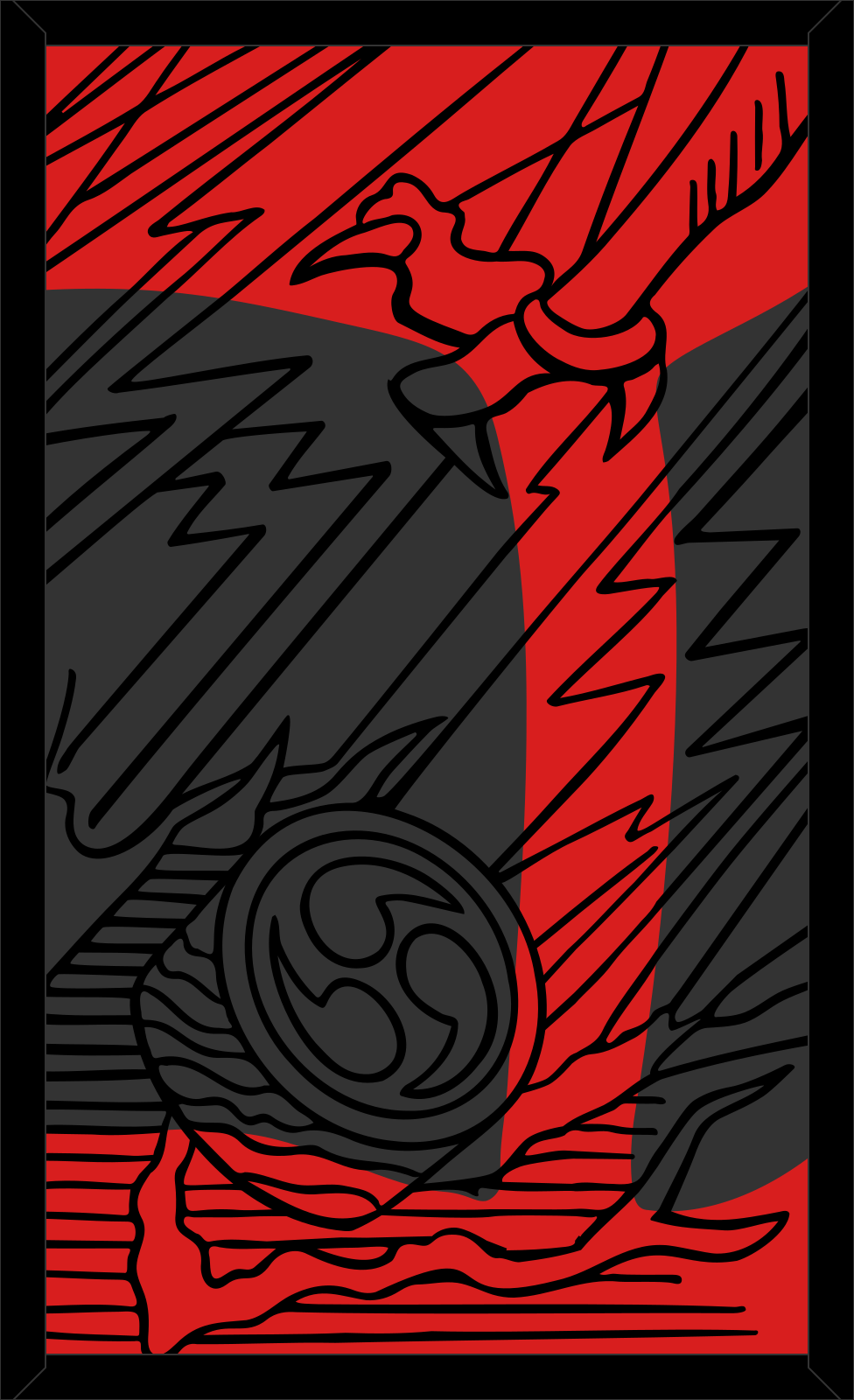
- Lightning柳のカスやなぎのかすyanagi no kasu
The odd November card, yanagi no kasu (also called yanagi ni ikazuchi): a thunder god’s drum and lightning in red and black. Despite its looks it is a plain, and it counts towards Kasu.
Related: Kasu (plains)More: Cards
- Bakefuda化け札ばけふだ
A card that can also count as another kind, like a wild card. In many rule books, Nintendo’s included, the Sake cup is one: a tane that also counts as a kasu, a custom linked to the chrysanthemum festival on the ninth day of the ninth month. This game counts the Sake cup only as a tane.
Related: Sake cup, Kasu (plains)More: House rules
Yaku
The scoring combinations, with the cards that make them.
- Dekiyaku出来役できやく
Yaku made from the cards you capture during play, such as Sankō or Akatan; this game has 13 of them. The other kind, teyaku, is dealt.
- Teyaku手役てやく
Yaku in the hand you are dealt, checked before anyone plays. Koi-Koi has two, Teshi and Kuttsuki, each worth 6 points, and the round ends at once. In this game the dealer’s counts if both players are dealt one; some rule sets give nobody points then.
Related: Teshi, Kuttsuki, DekiyakuMore: Rules, House rules
- Gokō五光ごこう
Five Lights, also written goko: all five light cards, 10 points (15 in some rule sets). It counts instead of Shikō, Ame Shikō or Sankō.
Related: Hikari (lights), ShikōMore: Light yaku, Yaku
- Shikō四光しこう
Four Lights, also written shiko: the four lights other than the Rain, 8 points. With this game’s doubling at 8 points, Shikō alone is enough to double the round.
Related: Hikari (lights), Ame Shikō, Doubling (baizuke)More: Light yaku, Yaku
- Ame Shikō雨四光あめしこう
Rain Four Lights, also written ame shiko: the Rain with three other lights, 7 points. Where totals of 7 or more double, as in Nintendo’s rules, it doubles; in this game, which doubles at 8, it stays at 7.
Related: Rain (rain man), Shikō, Doubling (baizuke)More: Light yaku, Yaku
- Sankō三光さんこう
Three Lights, also written sanko: any three lights except the Rain, 5 points (6 in some rule sets). The Rain with two other lights makes no yaku.
Related: Hikari (lights), GokōMore: Light yaku, Yaku
- Hanami de ippai花見で一杯はなみでいっぱい
“A cup under the cherry blossoms” (hanami-zake): the Curtain and the Sake cup, 5 points. Some tables cancel it with a rain rule (ame-nagare) or leave it out; this game always counts it.
Related: Sake cup, Curtain, Ame-nagareMore: Hanami de ippai, Yaku
- Tsukimi de ippai月見で一杯つきみでいっぱい
“A cup under the moon” (tsukimi-zake): the Moon and the Sake cup, 5 points. With the Curtain as well, both viewing yaku count, 10 points, which this game’s doubling at 8 turns into 20.
Related: Sake cup, Moon, Kiri-nagareMore: Tsukimi de ippai, Yaku
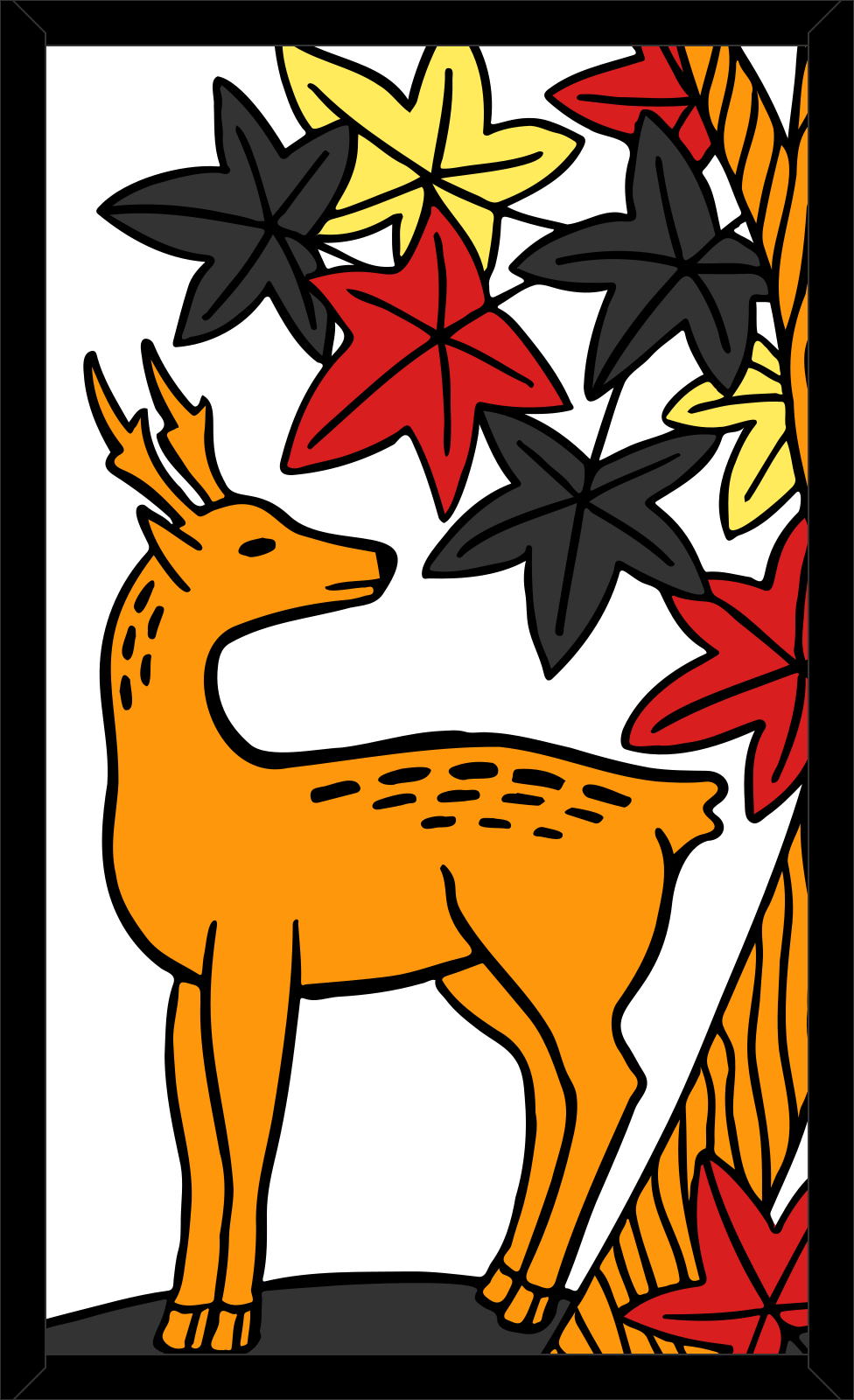
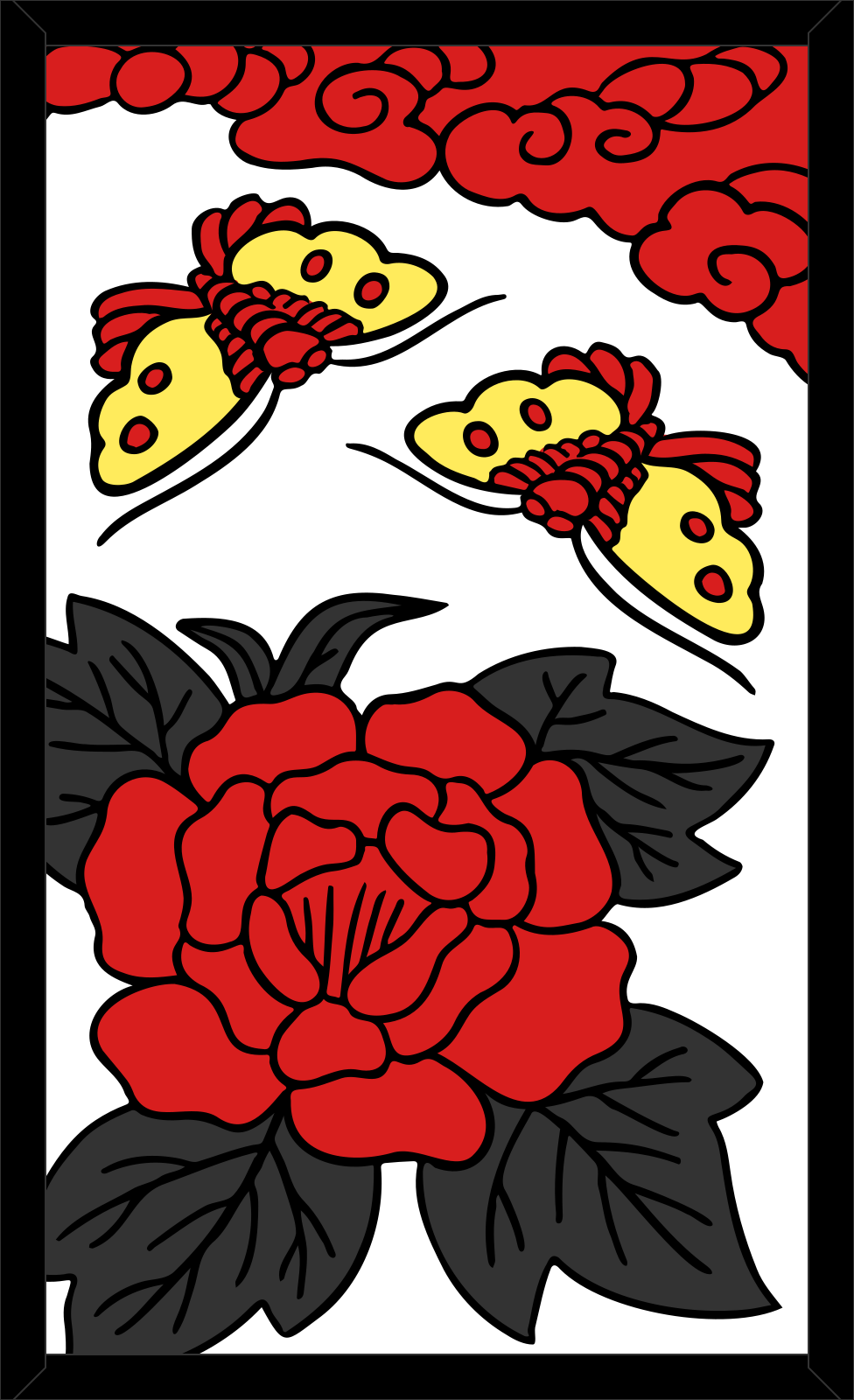
- Inoshikachō猪鹿蝶いのしかちょう
Boar, Deer and Butterflies, also written inoshikacho: the animal cards of July, October and June, 5 points plus 1 for each other tane. In this game the yaku Tane also counts beside it; Nintendo’s table voids Tane once Inoshikachō is made.
Related: Tane (animals), ShikatoMore: Inoshikachō, House rules
- Akatan赤短あかたん
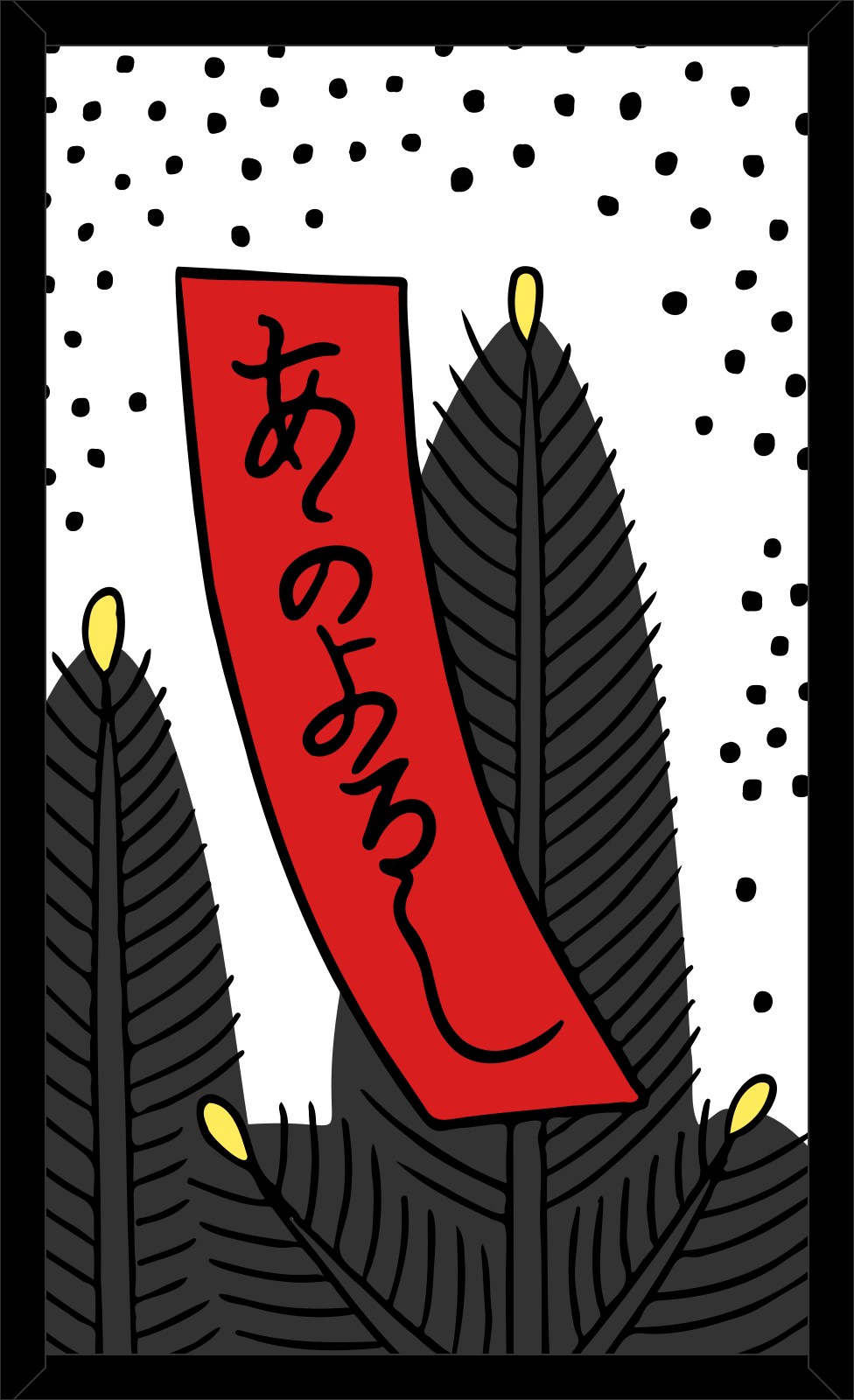
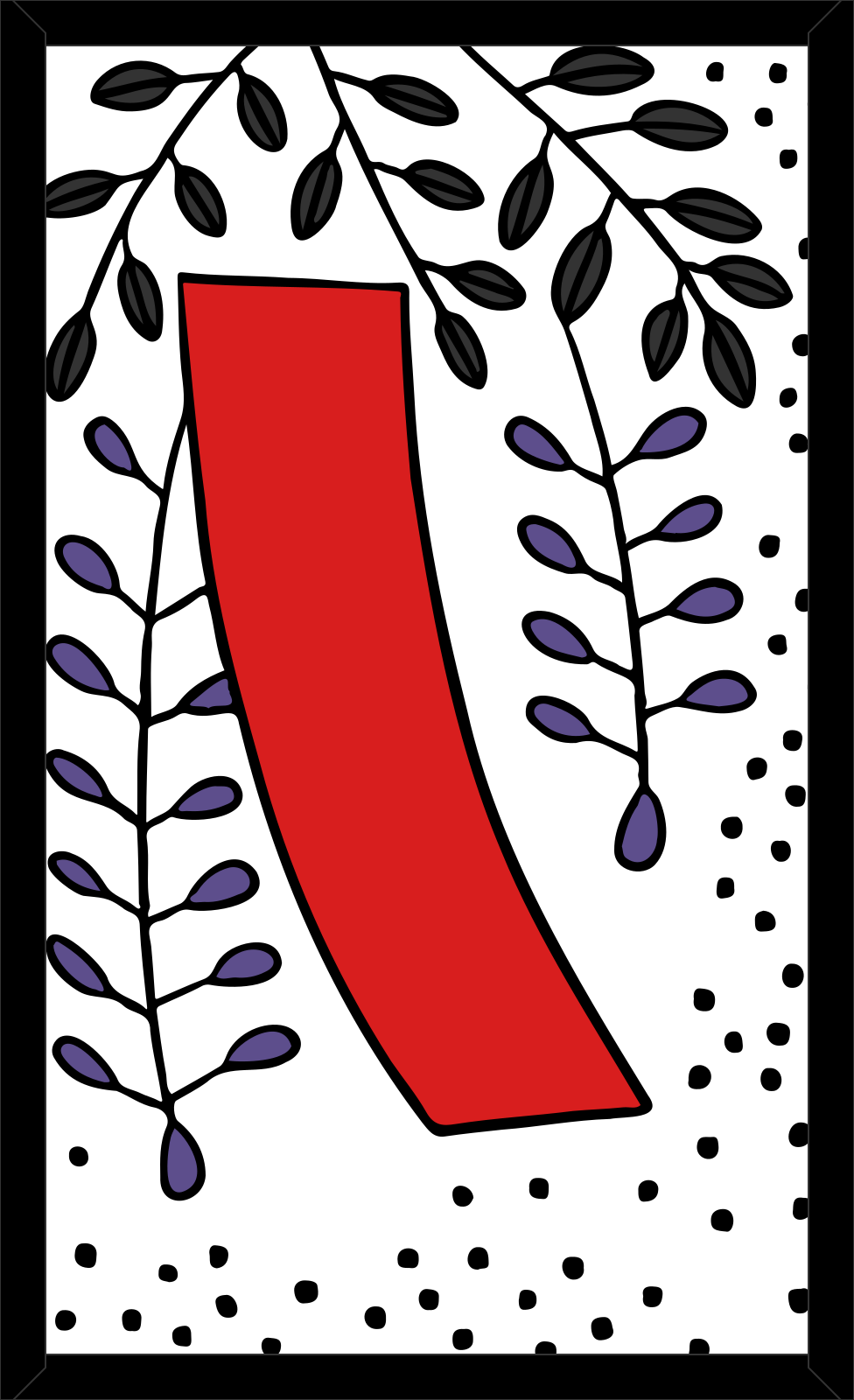
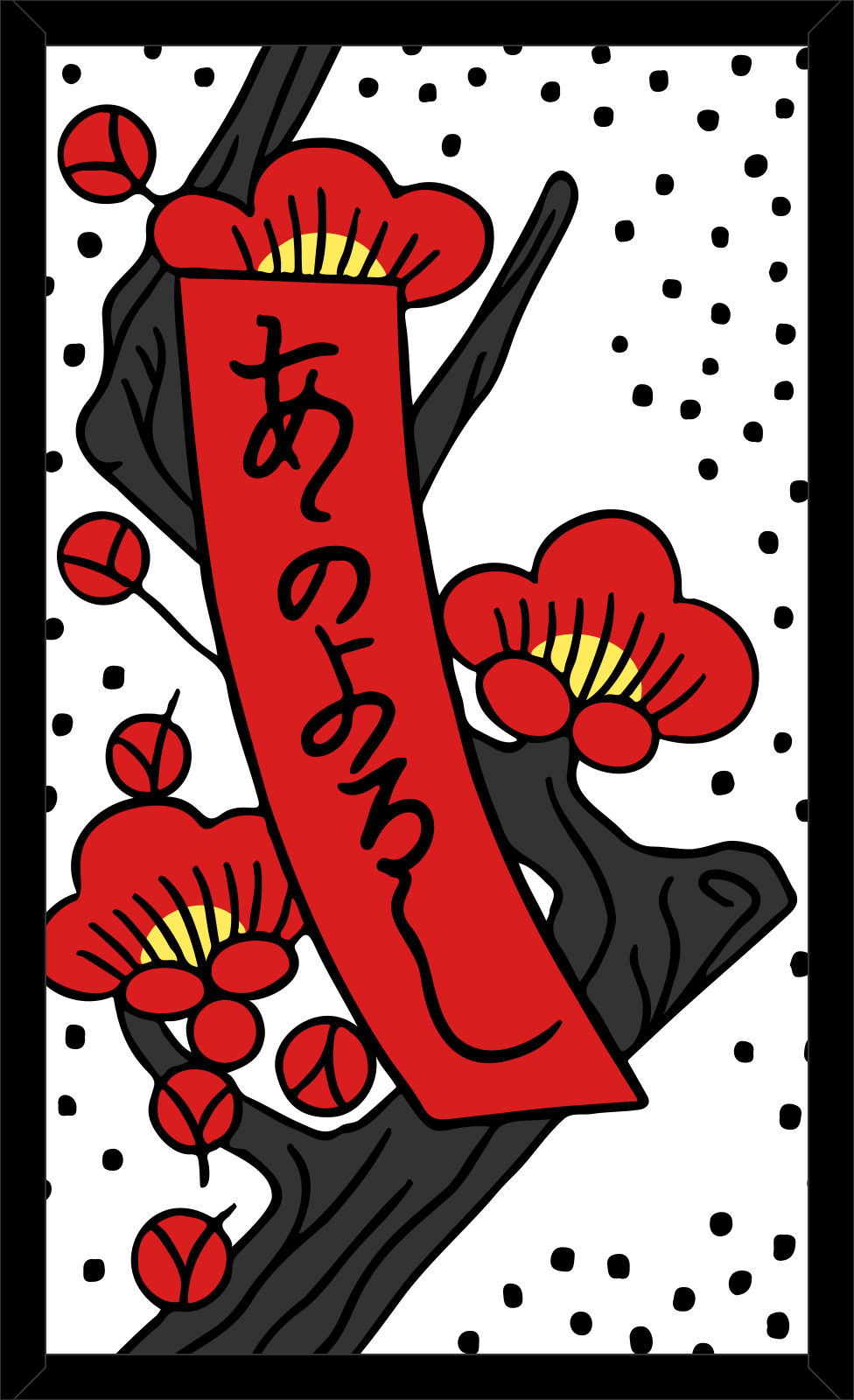
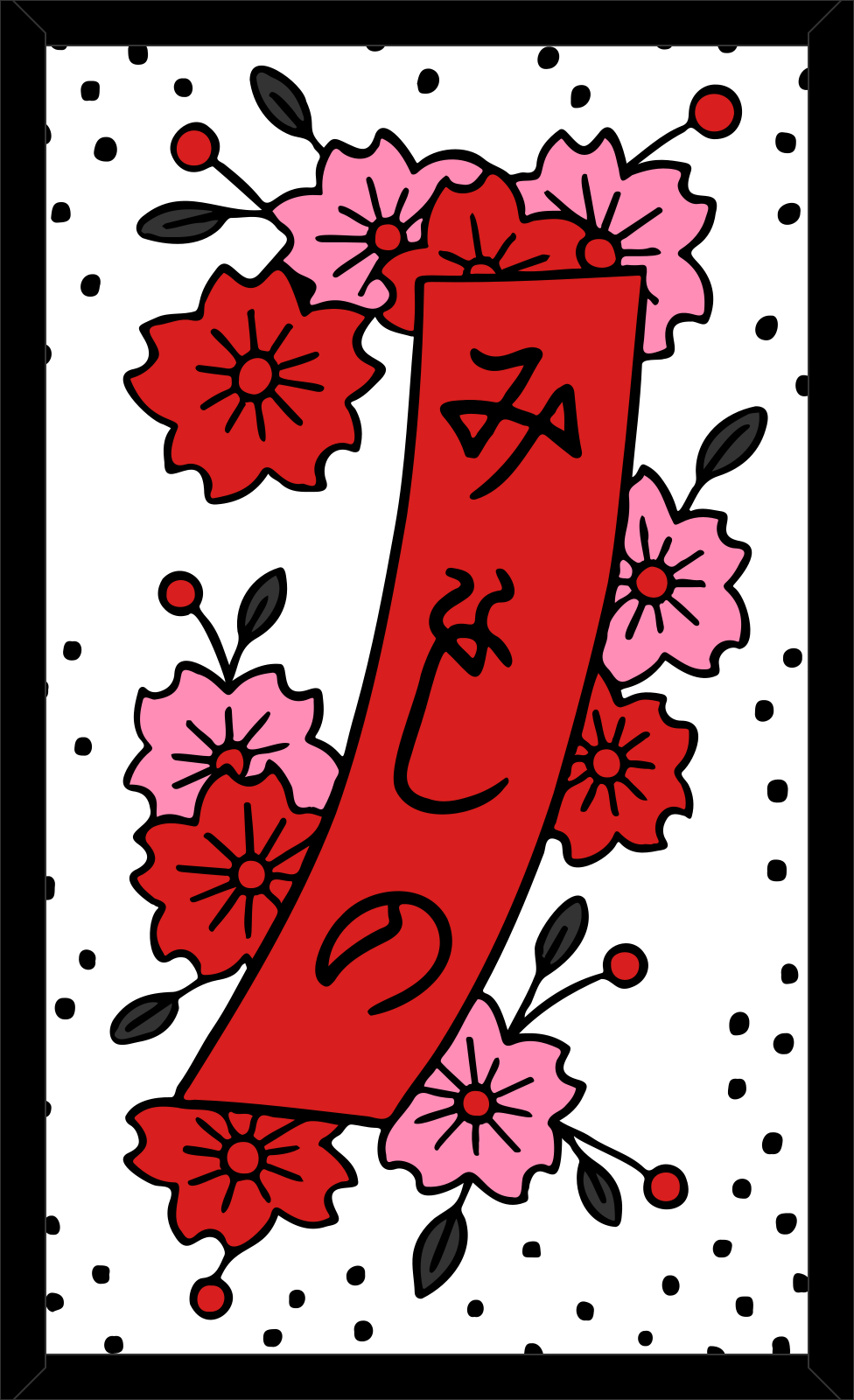
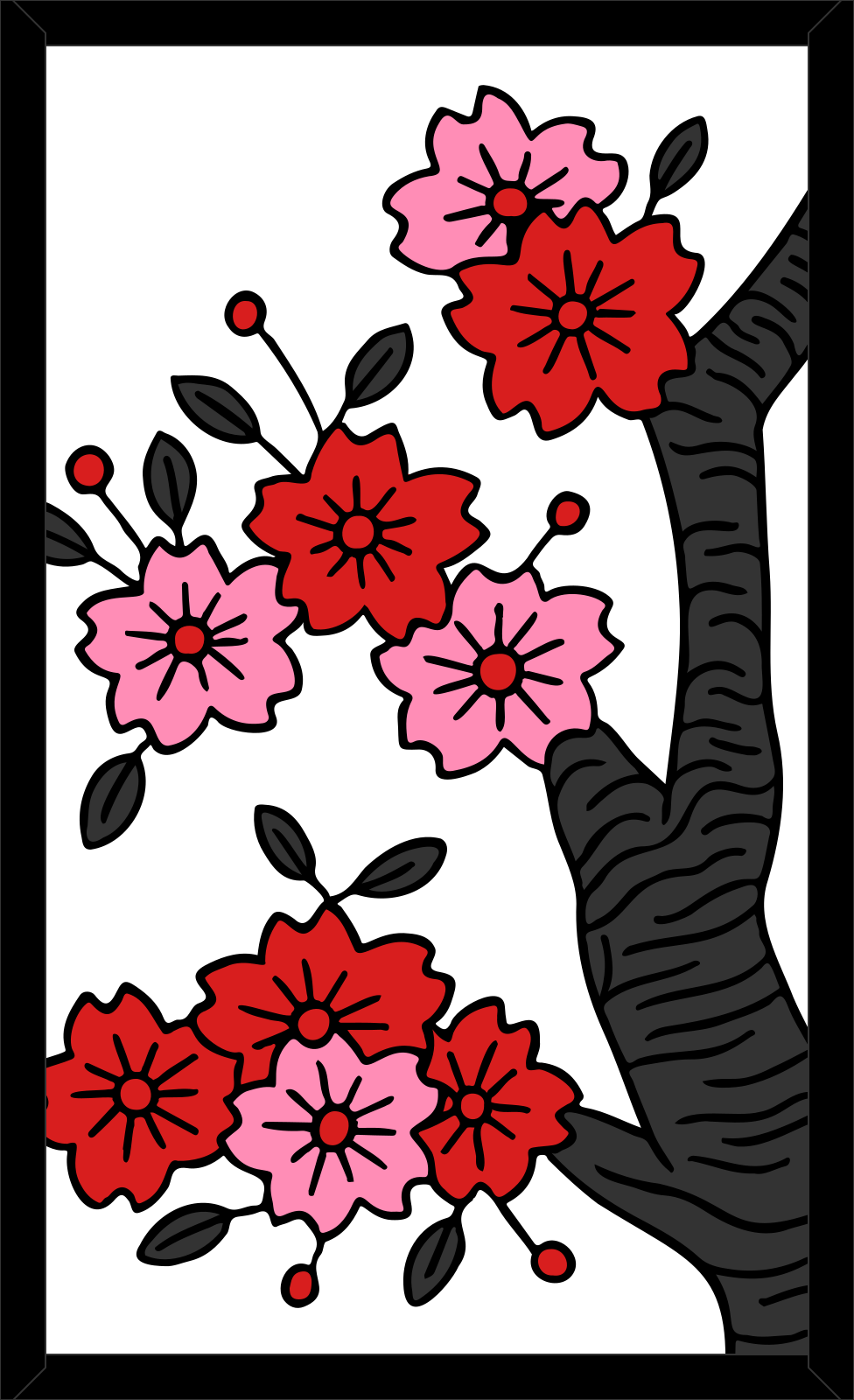
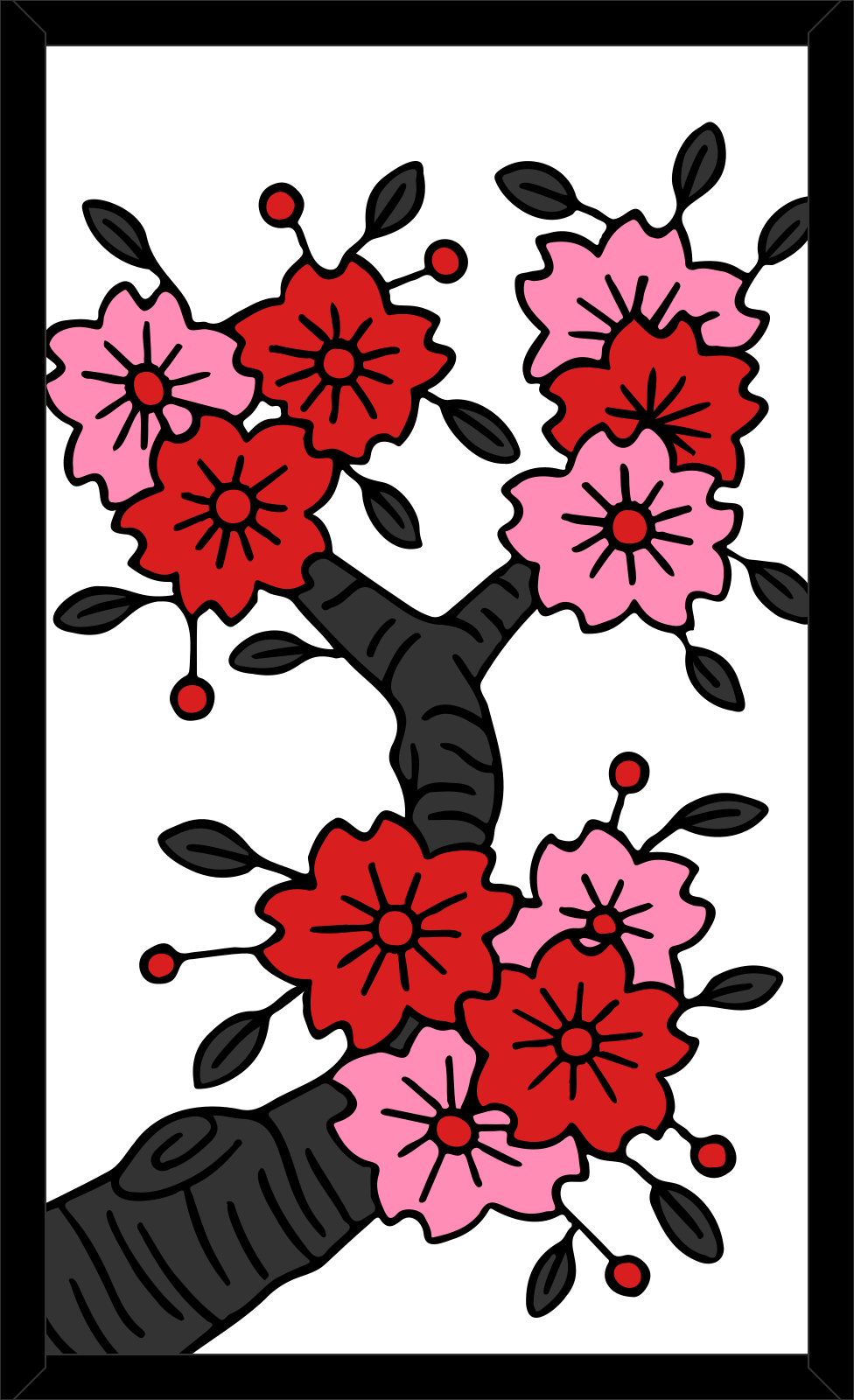
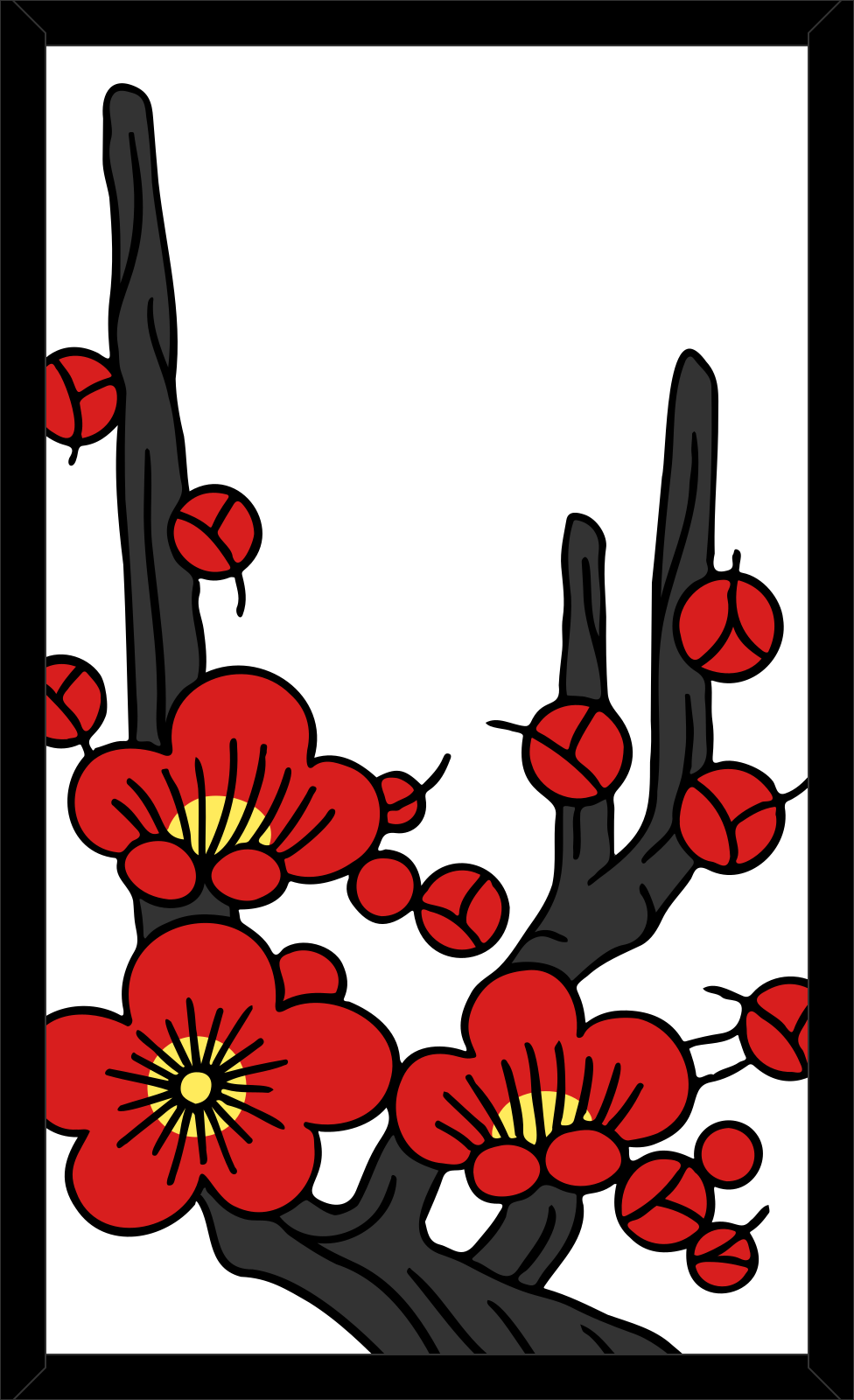
Red poem tanzaku: the three red ribbons with writing, of the Pine, Plum and Cherry, 5 points plus 1 for each other tanzaku. The Pine and Plum slips read あかよろし (akayoroshi), the Cherry slip みよしの (Miyoshino).
Related: Aotan, Chōfuku (Akatan and Aotan), Tanzaku (ribbons)More: Akatan and Aotan, Yaku
- Aotan青短あおたん
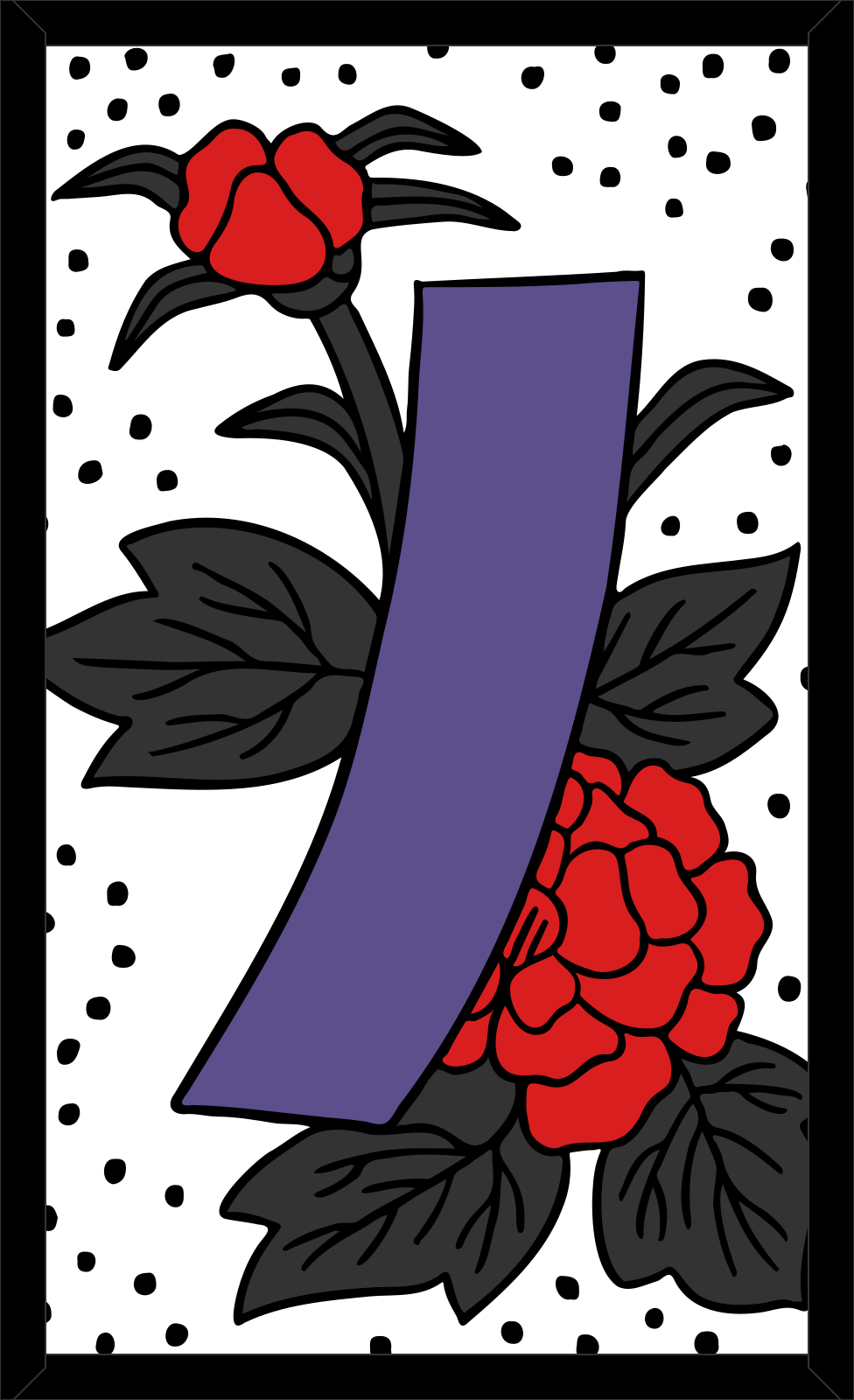
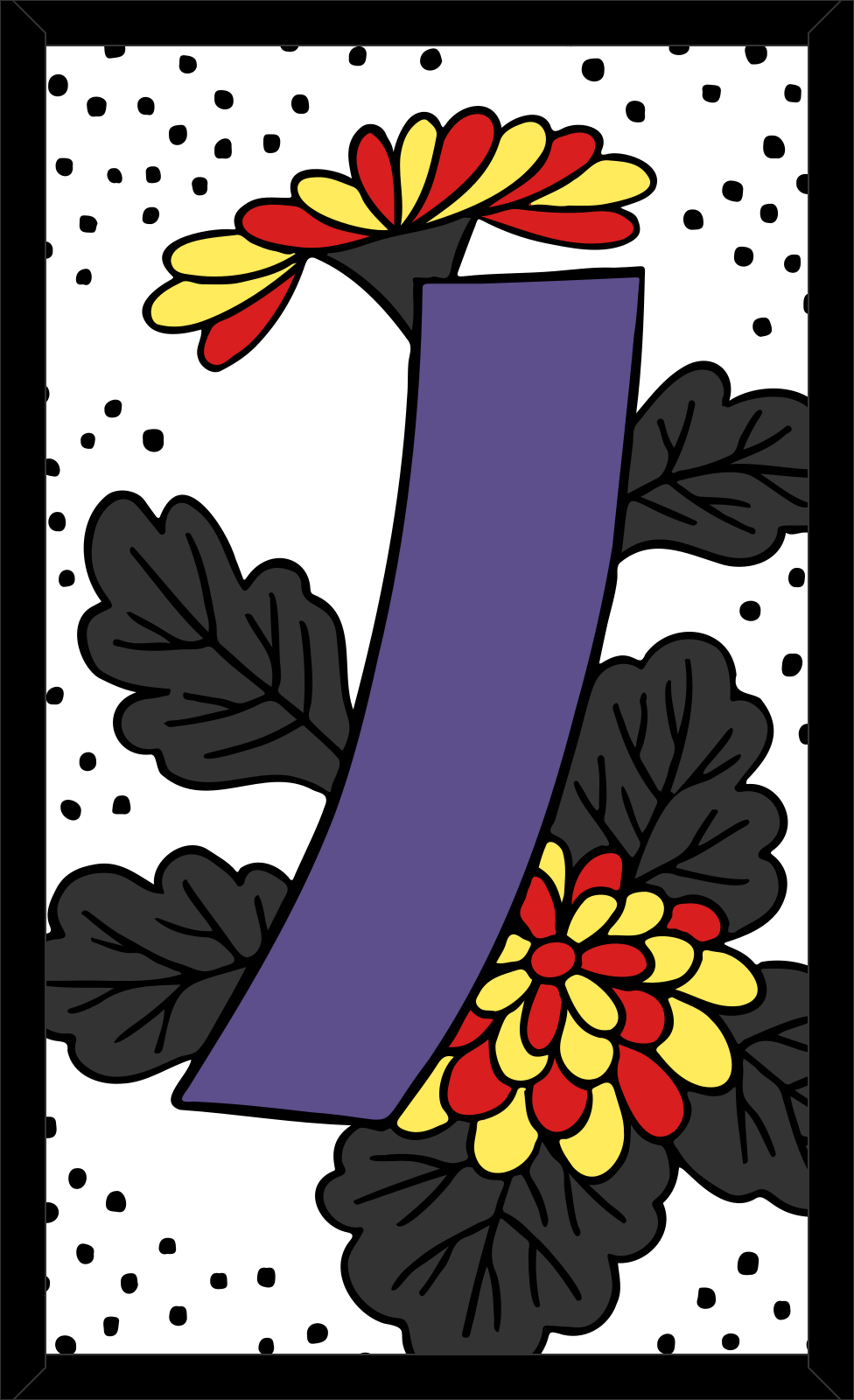
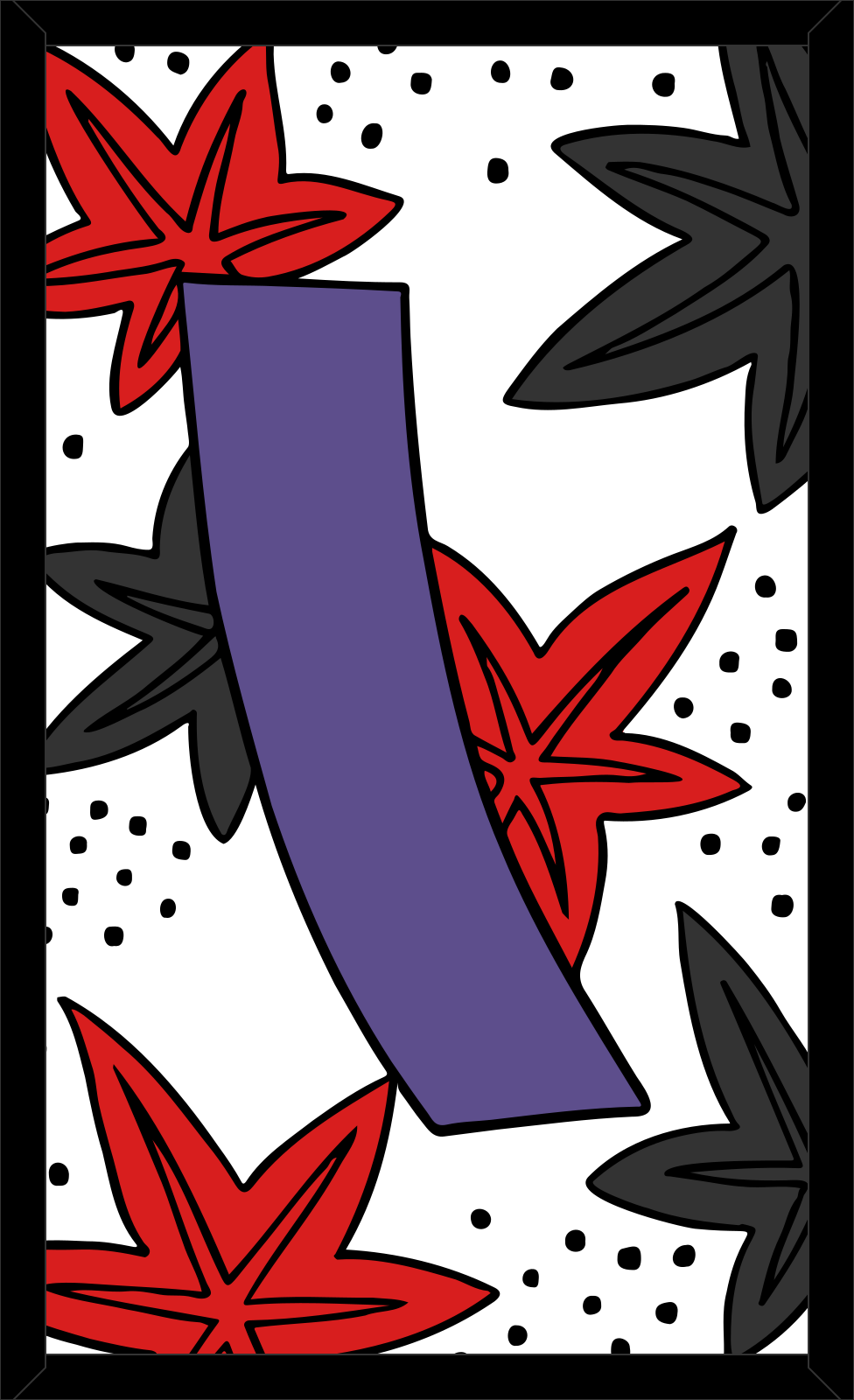
Blue tanzaku: the three blue ribbons of the Peony, Chrysanthemum and Maple, 5 points plus 1 for each other tanzaku.
Related: Akatan, Chōfuku (Akatan and Aotan), Tanzaku (ribbons)More: Akatan and Aotan, Yaku
- Chōfuku (Akatan and Aotan)赤短・青短の重複あかたん・あおたんのちょうふくakatan aotan no chōfuku
Akatan and Aotan together (chofuku, also called bukku): all six named tanzaku, 10 points plus 1 for each other tanzaku, counted instead of the two separate yaku.
Related: Akatan, AotanMore: Akatan and Aotan, Yaku
- Teshi手四てし
Four of a month: all four cards of one month in the dealt hand. A teyaku worth 6 points; the round ends before anyone plays.
Scoring
How a round’s points are counted, doubled and multiplied.
- Mon文もん
The traditional unit of points; mon is also the name of an old unit of money. Some Japanese rule books still write 7文 for 7 points; this site simply says points.
Related: Doubling (baizuke)More: Scoring
- Doubling (baizuke)倍付けばいづけ
Doubling a round’s score when it is high. Nintendo’s rules and the usual Japanese rule double a total of 7 points or more; this game doubles 8 or more, a room setting that is on by default and can be turned off.
Related: Koi-gaeshi, MonMore: Scoring, House rules
- Koi-gaeshiこい返しこいがえし
The rule that doubles your score when you win after your opponent called koi-koi (also called baigaeshi or koi-kaburi), as in Nintendo’s rules. This game uses a shared multiplier instead: every call by either player adds one, ×2 after one call and ×3 after two, for whoever wins the round.
Related: Koi-Koi, Doubling (baizuke)More: Scoring, House rules
- Nagare流れながれ
A drawn round: the hands run out before anyone calls Shōbu, including when someone called koi-koi and never scored again. Nobody scores, and in this game the same dealer deals again; in Nintendo’s rules the deal passes to the other player.
Related: Oyaken, OyaMore: Rules, House rules
House rules this game does not use
Rules you may meet at other tables. This game leaves them out; each entry says what it does instead.
- Ame-nagare雨流れあめながれ
“Rained out”: a house rule in which a willow (rain) card spoils Hanami de ippai and, in some versions, Tsukimi de ippai too. Tables differ on whether it applies when a willow card is captured or while one lies on the table; this game does not use it.
Related: Kiri-nagare, Hanami de ippaiMore: House rules
- Kiri-nagare霧流れきりながれ
“Fogged out”: the same idea with a paulownia card, which spoils Tsukimi de ippai; the name plays on kiri, both paulownia (桐) and fog (霧). This game does not use it.
Related: Ame-nagare, Tsukimi de ippaiMore: House rules
- Oyaken親権おやけん
The dealer’s privilege: a house rule that gives the dealer points (typically 1 or 6) when a round ends with no yaku. This game does not use it: a drawn round scores nothing and the same dealer deals again.
Related: Oya, NagareMore: House rules
History and related games
The older games and cards that hanafuda comes from, and its relatives abroad.
- Hana-awase花合わせはなあわせ
“Flower matching”: a hanafuda game for three, in which the values of the cards you capture (20, 10, 5 and 1) count along with your yaku. Nintendo presents it beside Koi-Koi for two and hachi-hachi for three.
Related: Hachi-hachi, HanafudaMore: Hanafuda, History
- Hachi-hachi八八はちはち
“Eighty-eight”: a game for three. The deck’s card values add up to 264 points, so each of the three players has a par of 88. It swept Japan in the Meiji era, and the standard card design, hachi-hachi-bana, spread with it.
Related: Hana-awaseMore: Hanafuda, History
- Mekuri karutaめくりカルタめくりかるた
A 48-card gambling deck of the Edo period, descended from the Portuguese-style Tenshō karuta, and the games played with it. Hugely popular from the 1760s, it was named in a 1791 ban on gambling cards. The traditional account says flower cards were made as a disguised stand-in after that ban; some historians dispute it.
Related: Tenshō karuta, Hana-awaseMore: History
- Tenshō karuta天正かるたてんしょうかるた
Japan’s first home-made playing cards, copied from Portuguese cards around the Tenshō era (1573–1592): 48 cards in four suits of twelve, which hanafuda’s 48 cards are thought to echo. The name was given later.
Related: Unsun karuta, Mekuri karutaMore: History
- Unsun karutaうんすんカルタうんすんかるた
A 75-card deck in five suits of fifteen, developed from Tenshō karuta and documented from 1681, with new figures such as Un, a god of good fortune. A local tradition keeps it alive in Hitoyoshi, Kumamoto.
Related: Tenshō karutaMore: History
- Kabufuda株札かぶふだ
A single-suit Japanese deck descended from the old Portuguese-style cards, made for kabu games such as oicho-kabu, where the hand whose total ends closest to 9 wins. Nintendo sells it alongside its hanafuda; played with hanafuda, oicho-kabu counts each card as its month.
Related: Tenshō karuta, Mekuri karuta
- Hwatu花闘ファトゥ
Korean flower cards (화투, “flower battle”), which reached Korea from Japan in the 1890s. The cards are usually plastic, and November and December are swapped.
- Go-Stopゴーストップ
The favourite hwatu game in Korea, a close relative of Koi-Koi in which you call “go” to play on or “stop” to score. It appeared in the 1960s; it is usually said to come from Koi-Koi, while the card historian Ebashi Takashi argues that modern Koi-Koi rules borrowed from it in turn.
- Shikato鹿十しかと
Japanese slang for giving someone the cold shoulder, said to come from the October Deer card: a deer (shika) on a ten-point card (tō) that looks away. It is a popular explanation rather than a proven one.
Related: InoshikachōMore: Cards
Sources
- こいこい|花札の歴史・遊びかた. Nintendo: Nintendo’s Koi-Koi rules and yaku table
- 歴史・遊びかた|花札・株札. Nintendo: the hanafuda games and their numbers of players
- こいこい. Kotobank (Seisenban Nihon Kokugo Daijiten and others): where the name comes from
- 花札. Wikipedia (Japanese): the traditional vocabulary of the table, par scores, hwatu
- こいこい. Wikipedia (Japanese): common rules and variants
- Koi-Koi. Fuda Wiki: variants: tsukifuda, dealer’s privilege, rain and fog rules on the table
- Gamehelpkoikoi. Board Game Arena: a rain rule that applies when a November card is captured
- 天正かるた. Wikipedia (Japanese): Tenshō karuta, mekuri karuta, kabufuda
- うんすんカルタ. Wikipedia (Japanese): unsun karuta
- 一杯一杯の財政とこっぱい税. National Tax Agency, Japan: the 1902 card tax
- Nintendo. Wikipedia (English): the founding and the name Nintendo Koppai
- Go-Stop. Wikipedia (English): Go-Stop and its links with Koi-Koi