Credits and licences
Last updated
The hanafuda card pictures on this site and in the game are by Louie Mantia and すけじょ, with the card back and three revised faces by Spenĉjo, all from Wikimedia Commons under CC BY-SA 4.0. You may reuse and adapt them, commercially too, as long as you credit the authors, link the licence, say what you changed and share adapted pictures under the same licence. This page lists every file with its original, then the app icon, the historical pictures, sounds, fonts and software the game uses, and a note about this site.
Card art
The 48 card faces and the card back are SVG drawings from the set “SVG Hanafuda with traditional colors (black border)” on Wikimedia Commons. The faces are すけじょ’s traditional-colour version of Louie Mantia’s hanafuda cards, and Commons credits each of them to both. Spenĉjo drew the card back and uploaded the current revision of three faces. Every file is licensed CC BY-SA 4.0 by its authors, and the copies used here stay under that licence. It covers the pictures only, not the game’s code.
| Files | Authors | Licence |
|---|---|---|
| 45 card faces | Louie Mantia and すけじょ | CC BY-SA 4.0 |
| 3 card faces: the Bridge, the Maple blue tanzaku and the Lightning | Louie Mantia, すけじょ and Spenĉjo | CC BY-SA 4.0 |
| The card back | Spenĉjo | CC BY-SA 4.0 |
What was changed
The same changes were made to every file, and none of them alters the drawing:
- Minified with SVGO 4.1.0 (default preset, multipass).
widthandheightattributes added, equal to the drawing’s own viewBox (976 × 1600), so that every browser can draw the file into a canvas. The pictures were not resized or cropped.- A comment added at the top of each file, naming the original, its authors, its Commons page and the licence.
- Each file renamed after the card it shows, as the game names it (
matsu_crane.svgis the Crane).
Rendered before and after, the files differ only in a few anti-aliased edge pixels. A plain-text copy of this list travels with the pictures as cards/CREDITS.md. The list of all 48 cards shows the same pictures month by month.
Faces by Louie Mantia and すけじょ
45 files, each licensed CC BY-SA 4.0 by Louie Mantia and すけじょ. The file name links to the copy used here; the original links to its page on Wikimedia Commons, where its history and licence are recorded.
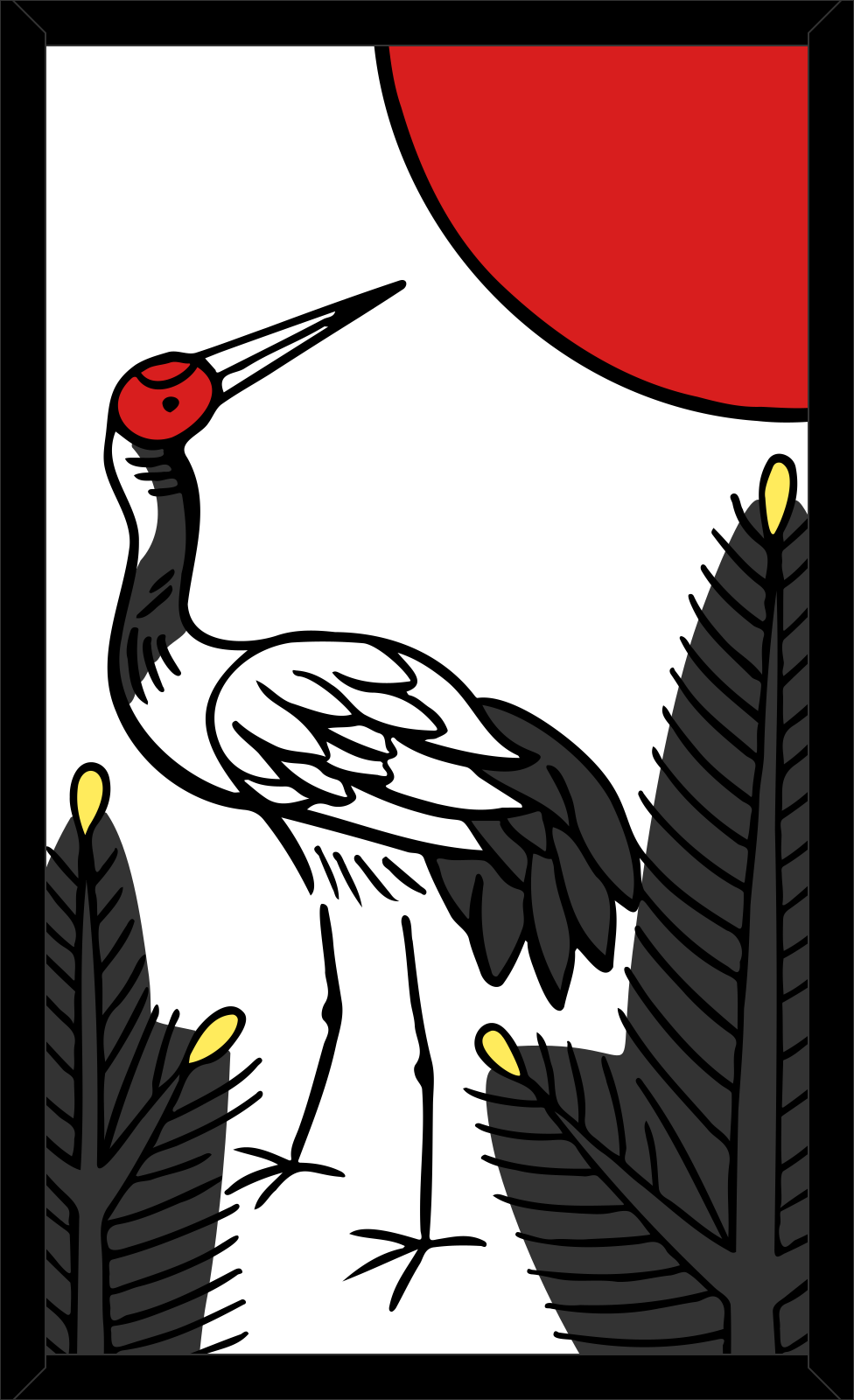 matsu_crane.svg
Crane, Pine, January, light
Original: Hanafuda January Hikari Alt.svg, version of 20 August 2021
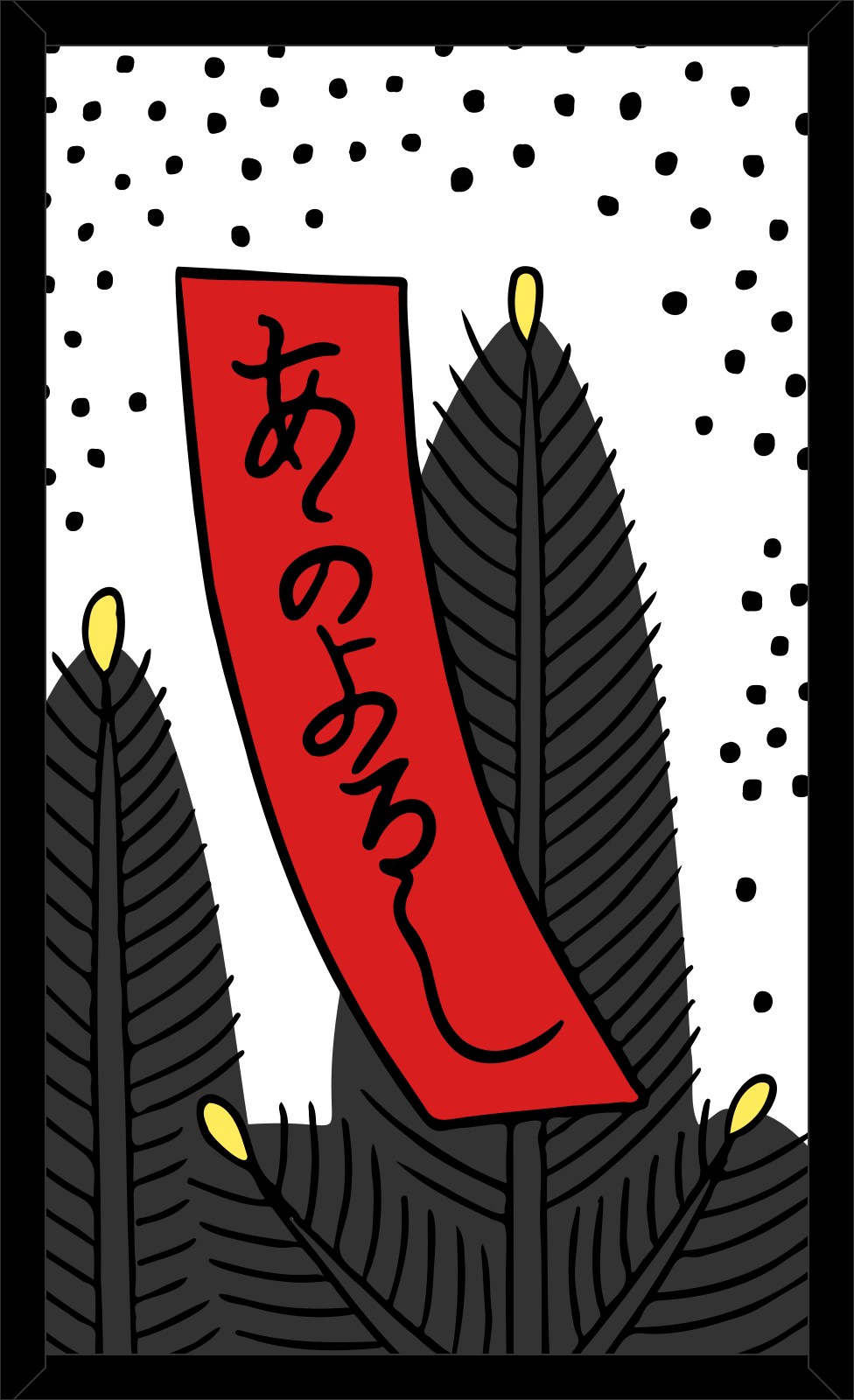 matsu_ribbon.svg
Red poem tanzaku, Pine, January
Original: Hanafuda January Tanzaku Alt.svg, version of 20 August 2021
 matsu_plain_1.svg
Pine plain, January
Original: Hanafuda January Kasu 1 Alt.svg, version of 20 August 2021
 matsu_plain_2.svg
Pine plain, January
Original: Hanafuda January Kasu 2 Alt.svg, version of 20 August 2021
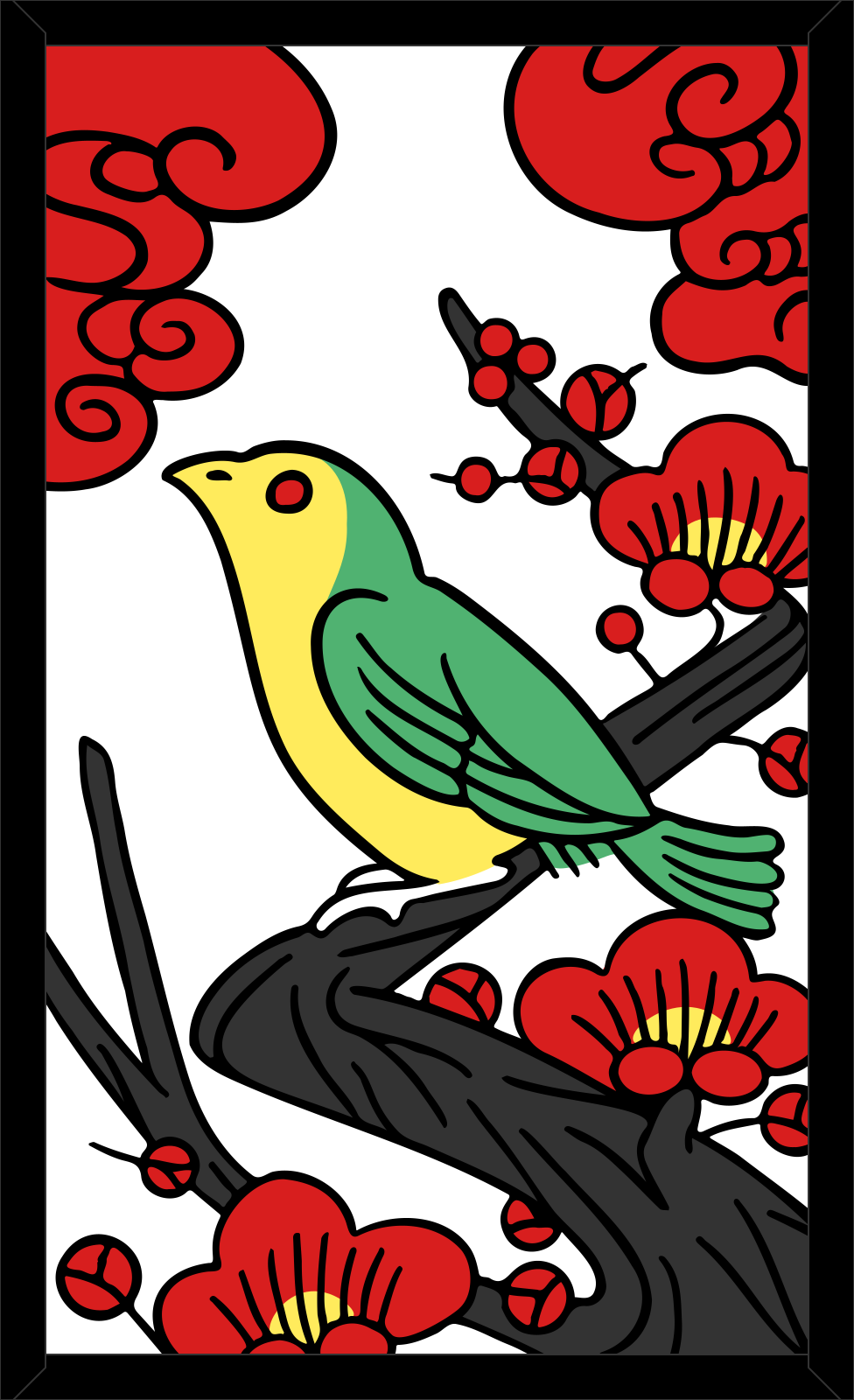 ume_warbler.svg
Nightingale, Plum, February, animal
Original: Hanafuda February Tane Alt.svg, version of 20 August 2021
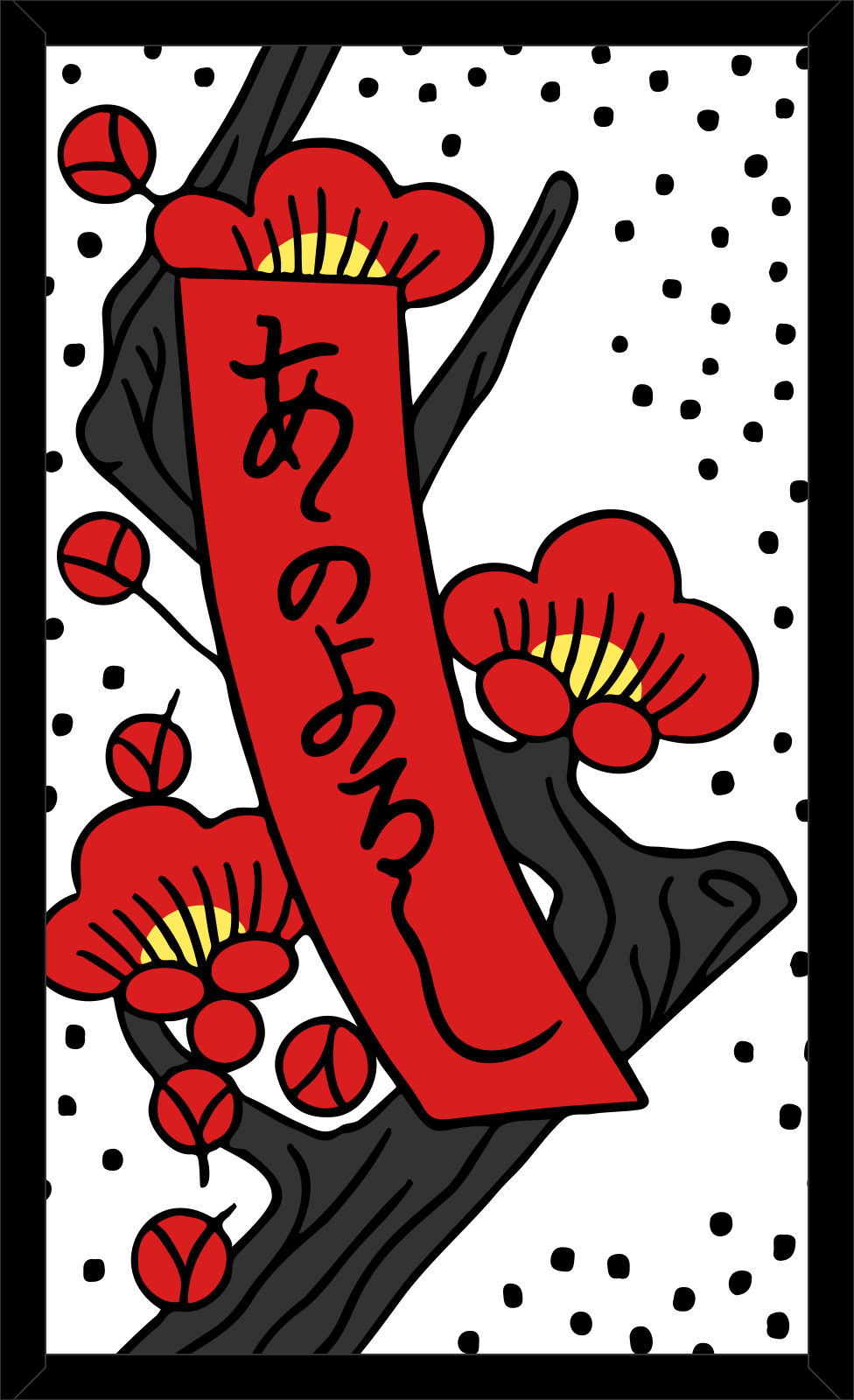 ume_ribbon.svg
Red poem tanzaku, Plum, February
Original: Hanafuda February Tanzaku Alt.svg, version of 20 August 2021
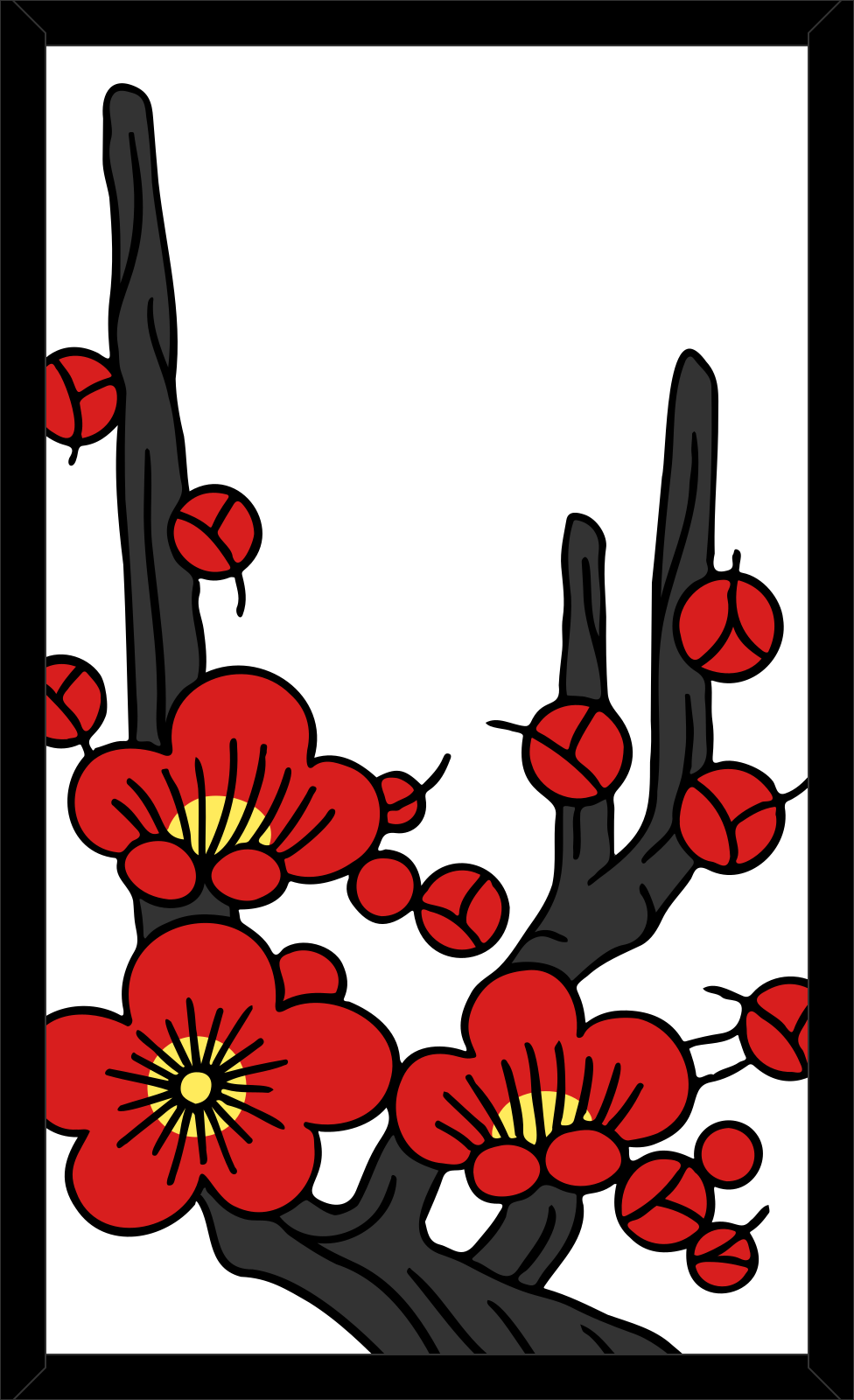 ume_plain_1.svg
Plum plain, February
Original: Hanafuda February Kasu 1 Alt.svg, version of 20 August 2021
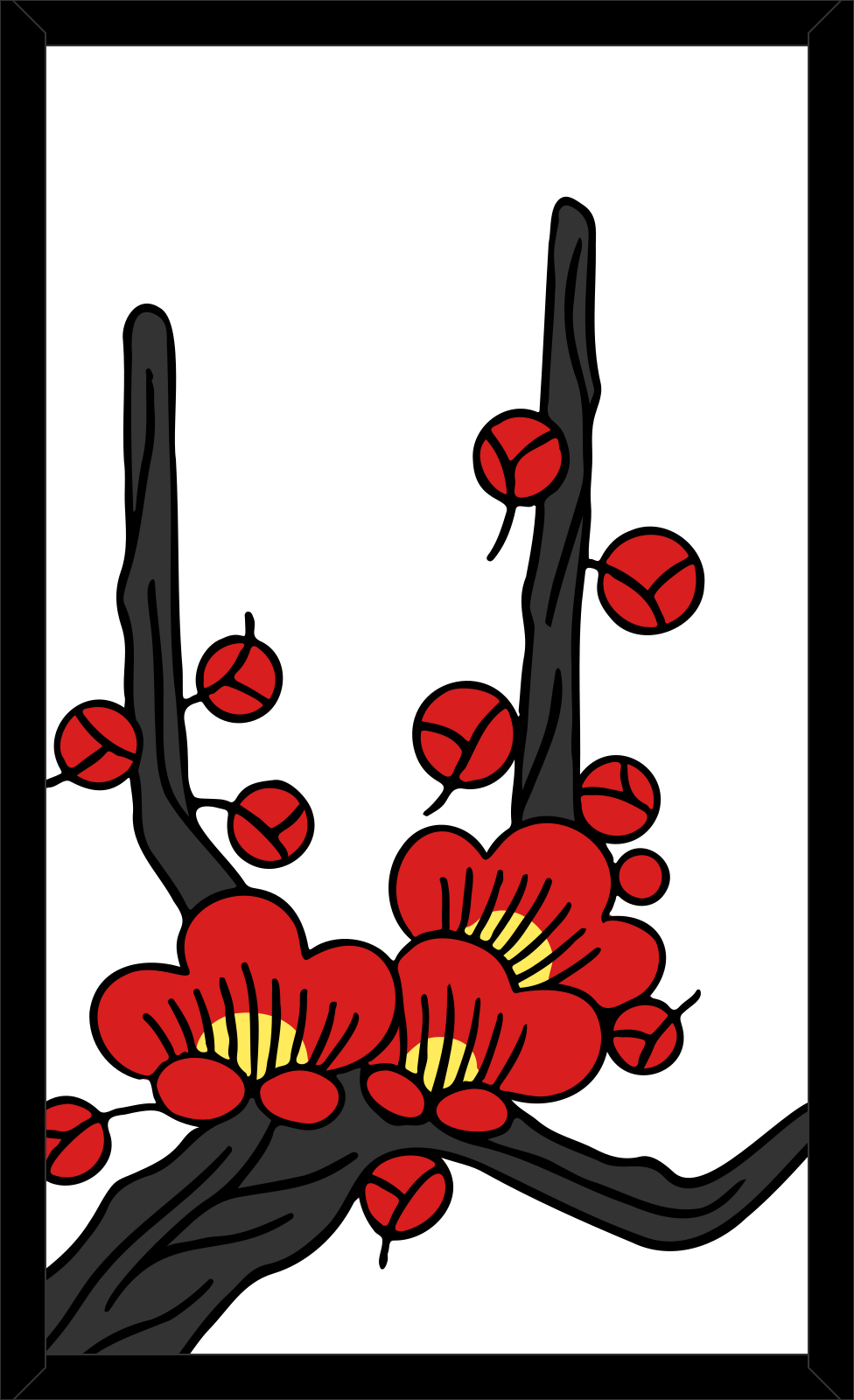 ume_plain_2.svg
Plum plain, February
Original: Hanafuda February Kasu 2 Alt.svg, version of 20 August 2021
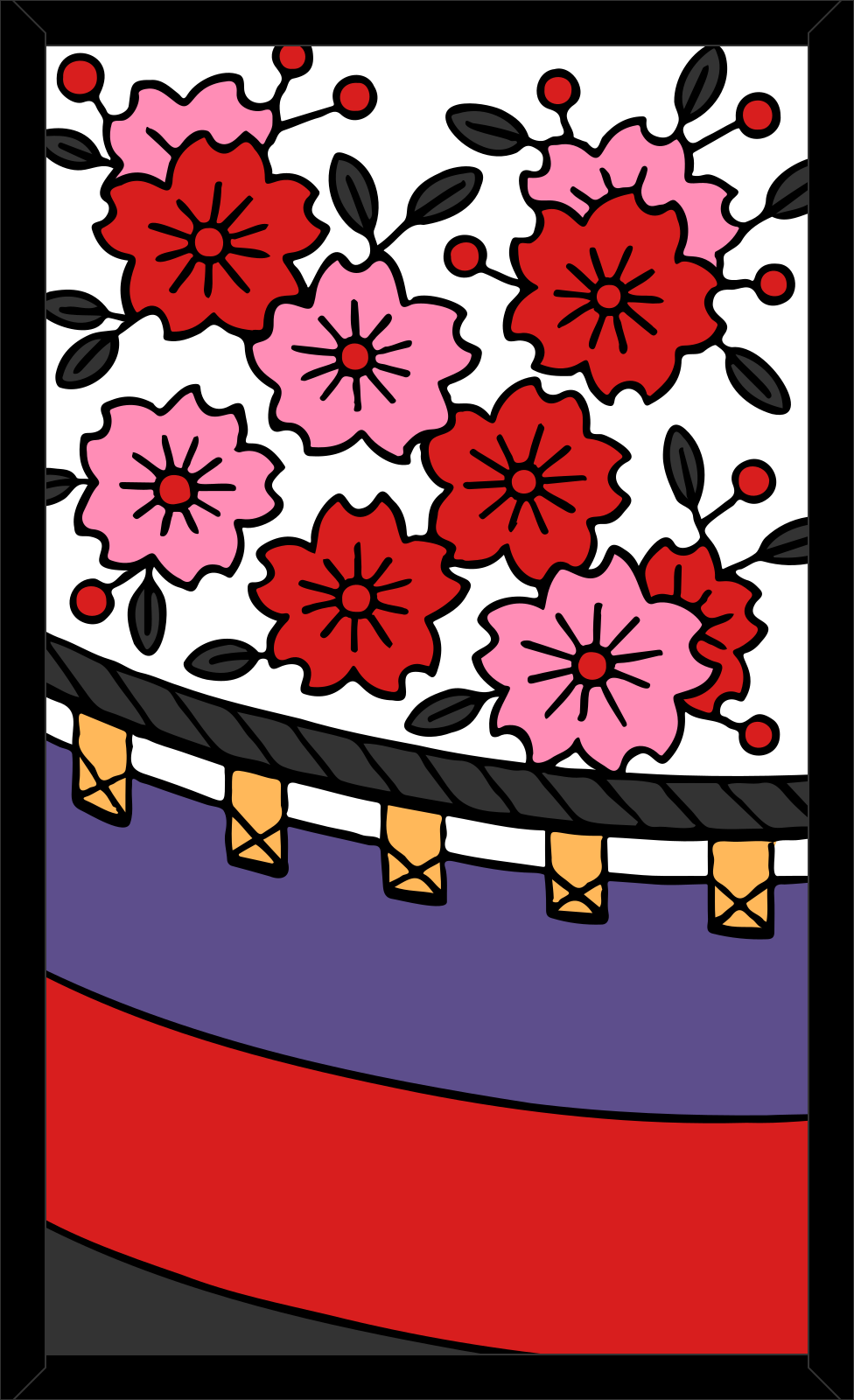 sakura_curtain.svg
Curtain, Cherry, March, light
Original: Hanafuda March Hikari Alt.svg, version of 20 August 2021
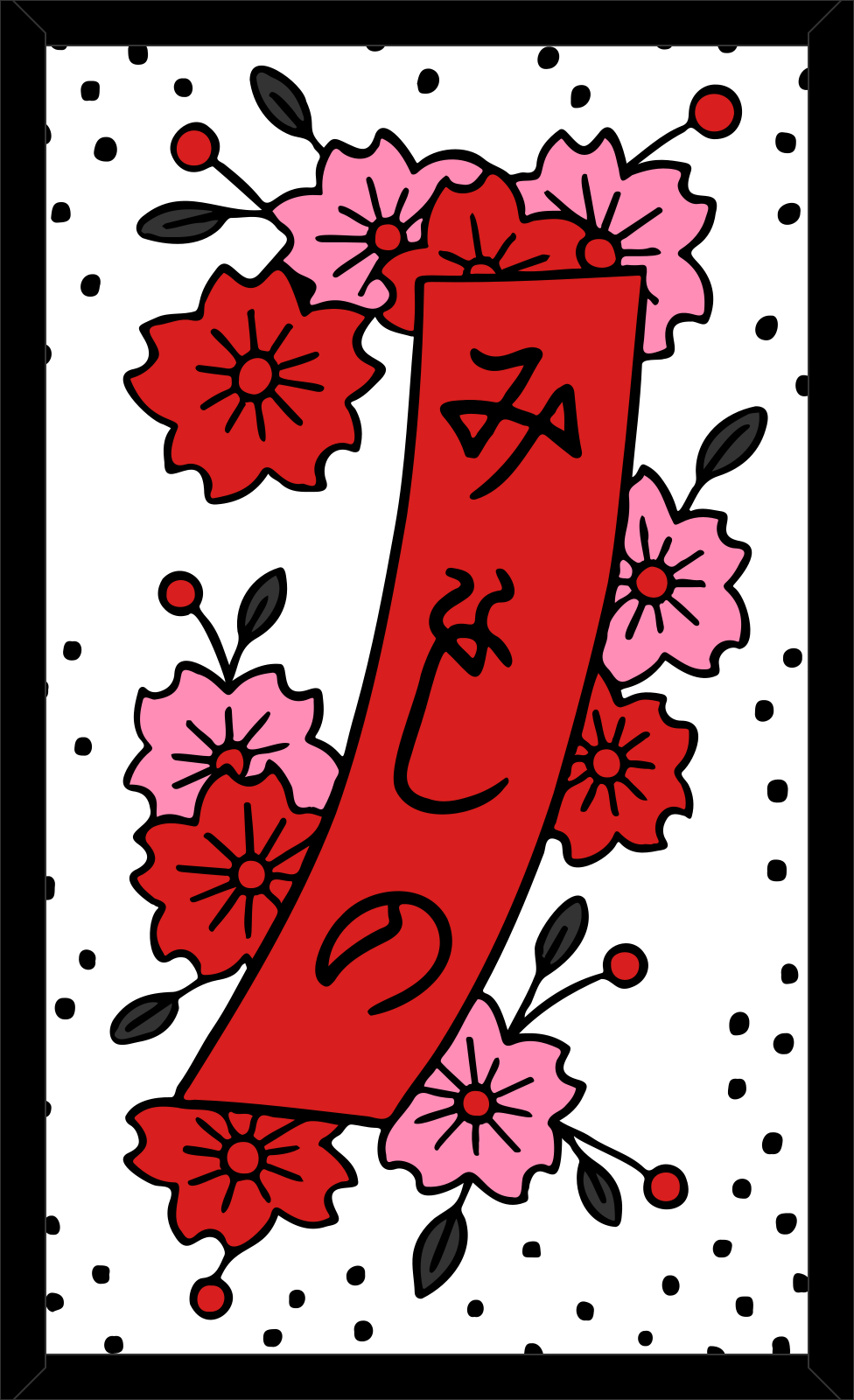 sakura_ribbon.svg
Red poem tanzaku, Cherry, March
Original: Hanafuda March Tanzaku Alt.svg, version of 20 August 2021
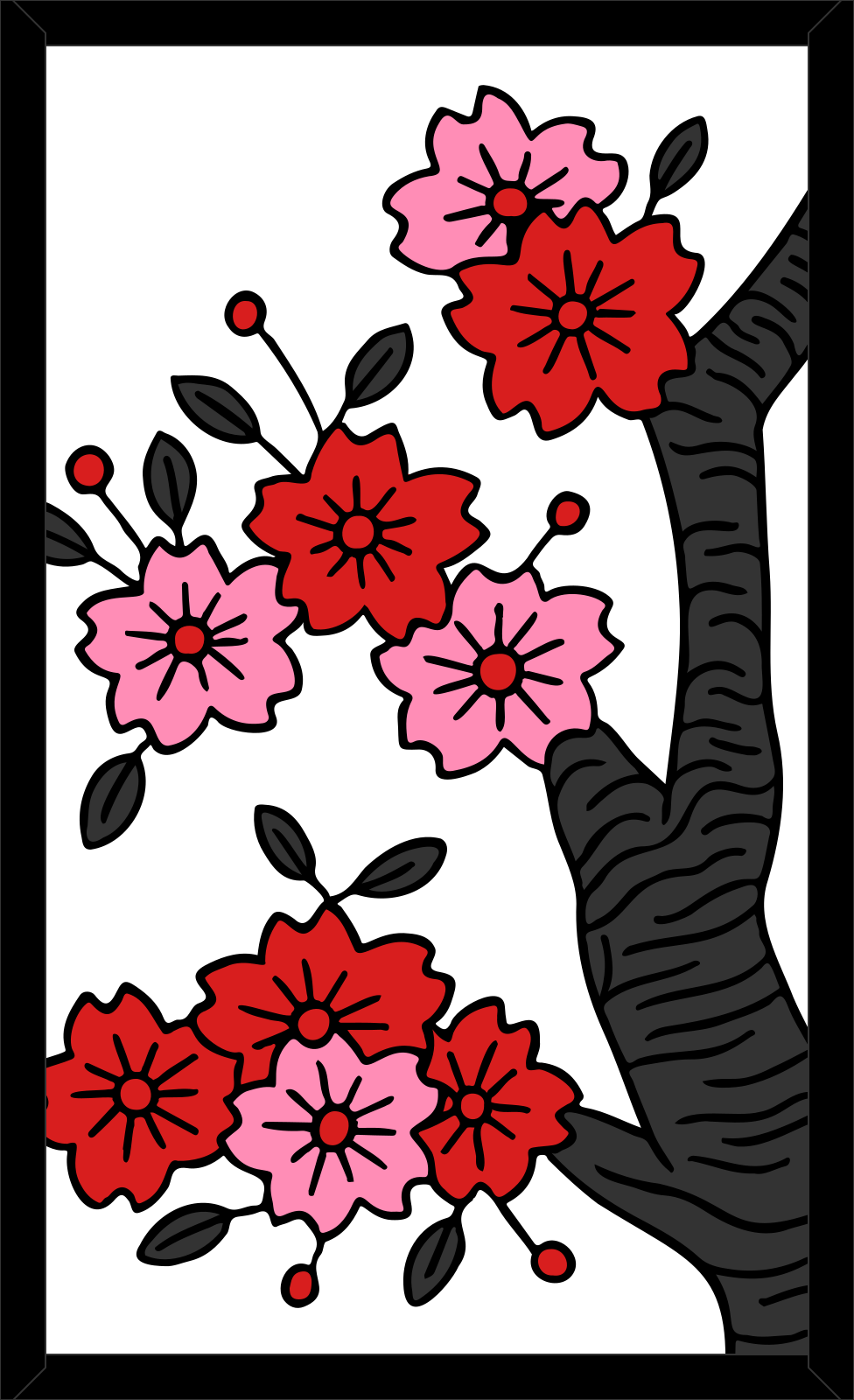 sakura_plain_1.svg
Cherry plain, March
Original: Hanafuda March Kasu 1 Alt.svg, version of 20 August 2021
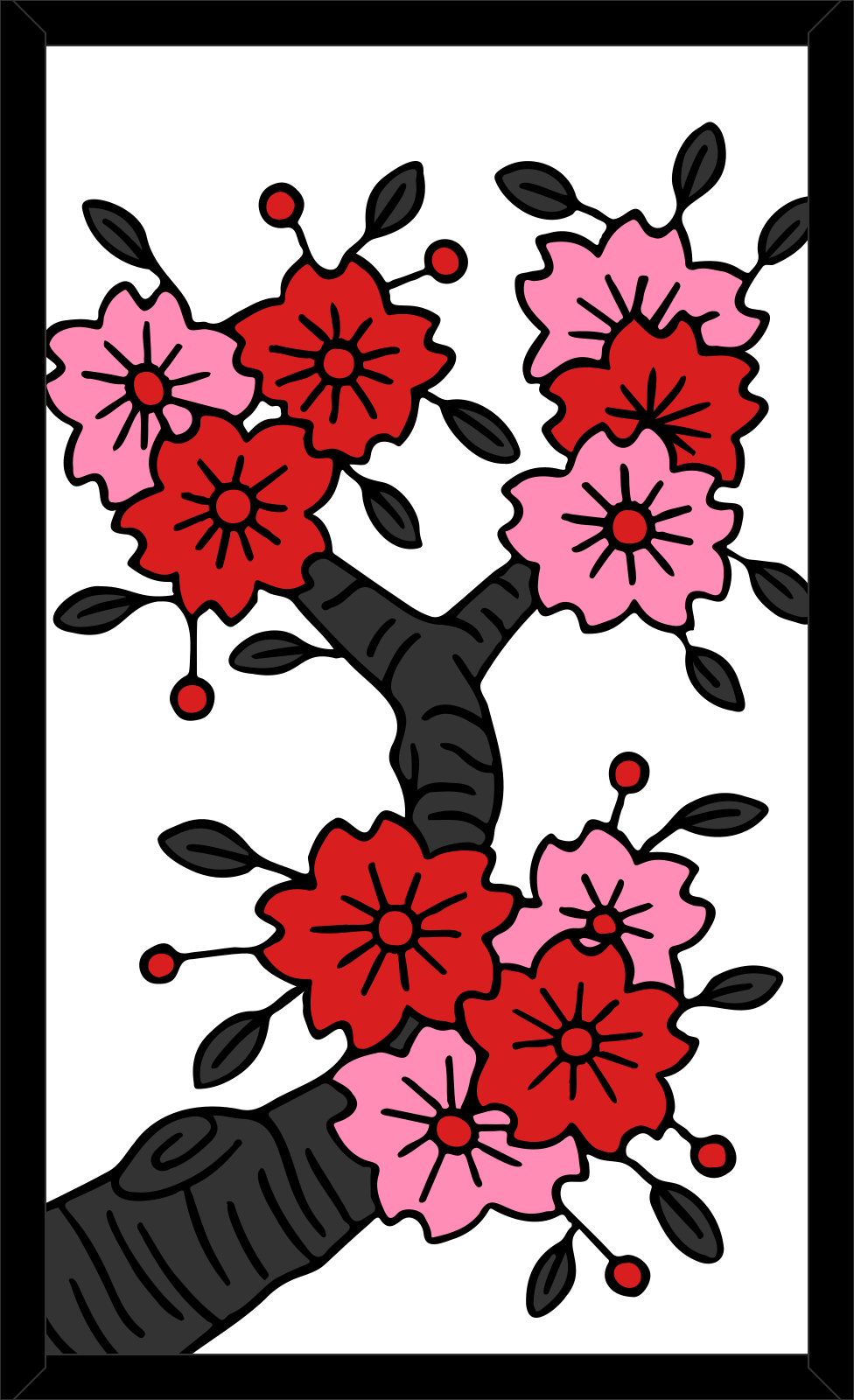 sakura_plain_2.svg
Cherry plain, March
Original: Hanafuda March Kasu 2 Alt.svg, version of 20 August 2021
 fuji_cuckoo.svg
Cuckoo, Wisteria, April, animal
Original: Hanafuda April Tane Alt.svg, version of 20 August 2021
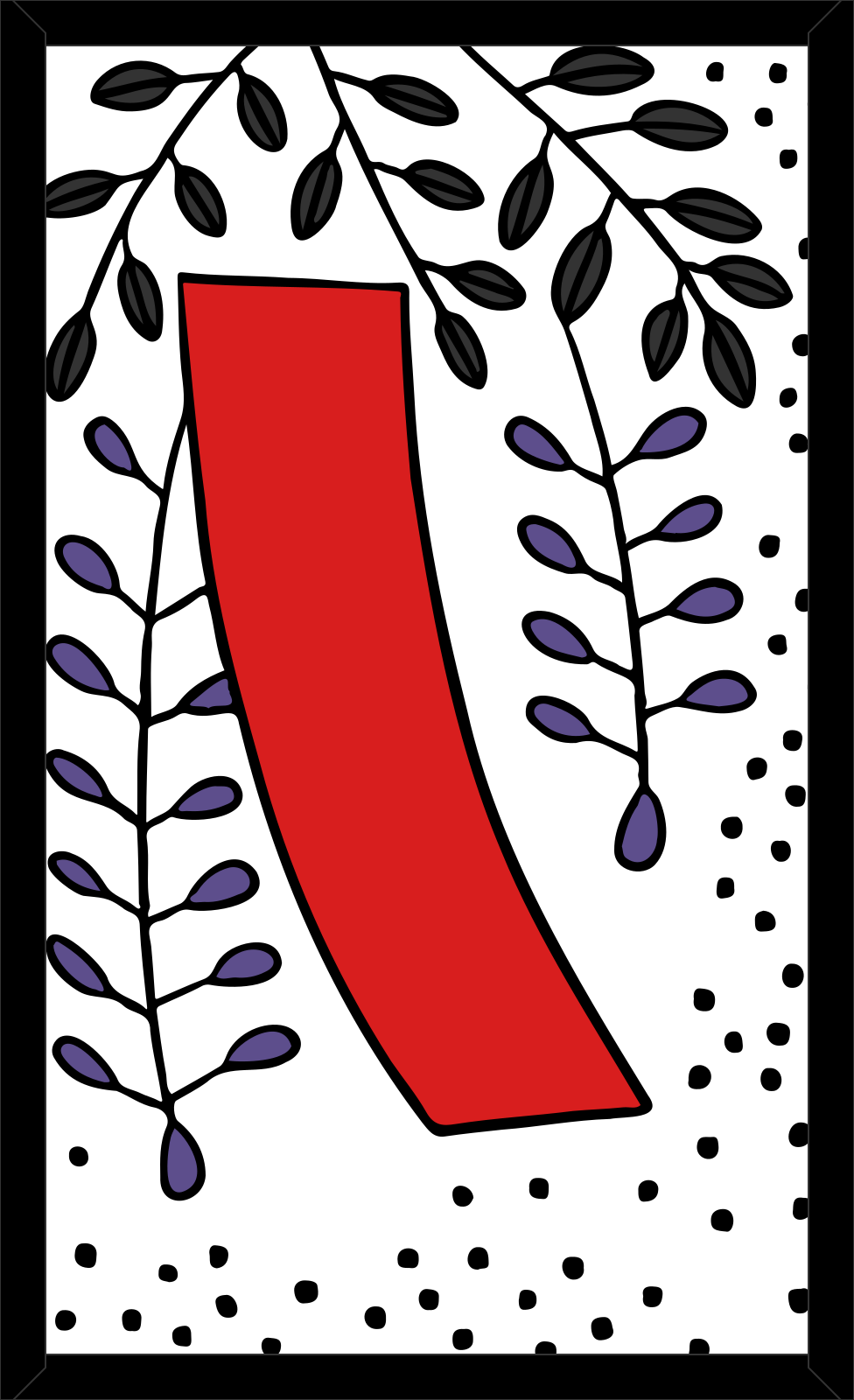 fuji_ribbon.svg
Red tanzaku, Wisteria, April
Original: Hanafuda April Tanzaku Alt.svg, version of 20 August 2021
 fuji_plain_1.svg
Wisteria plain, April
Original: Hanafuda April Kasu 1 Alt.svg, version of 20 August 2021
 fuji_plain_2.svg
Wisteria plain, April
Original: Hanafuda April Kasu 2 Alt.svg, version of 20 August 2021
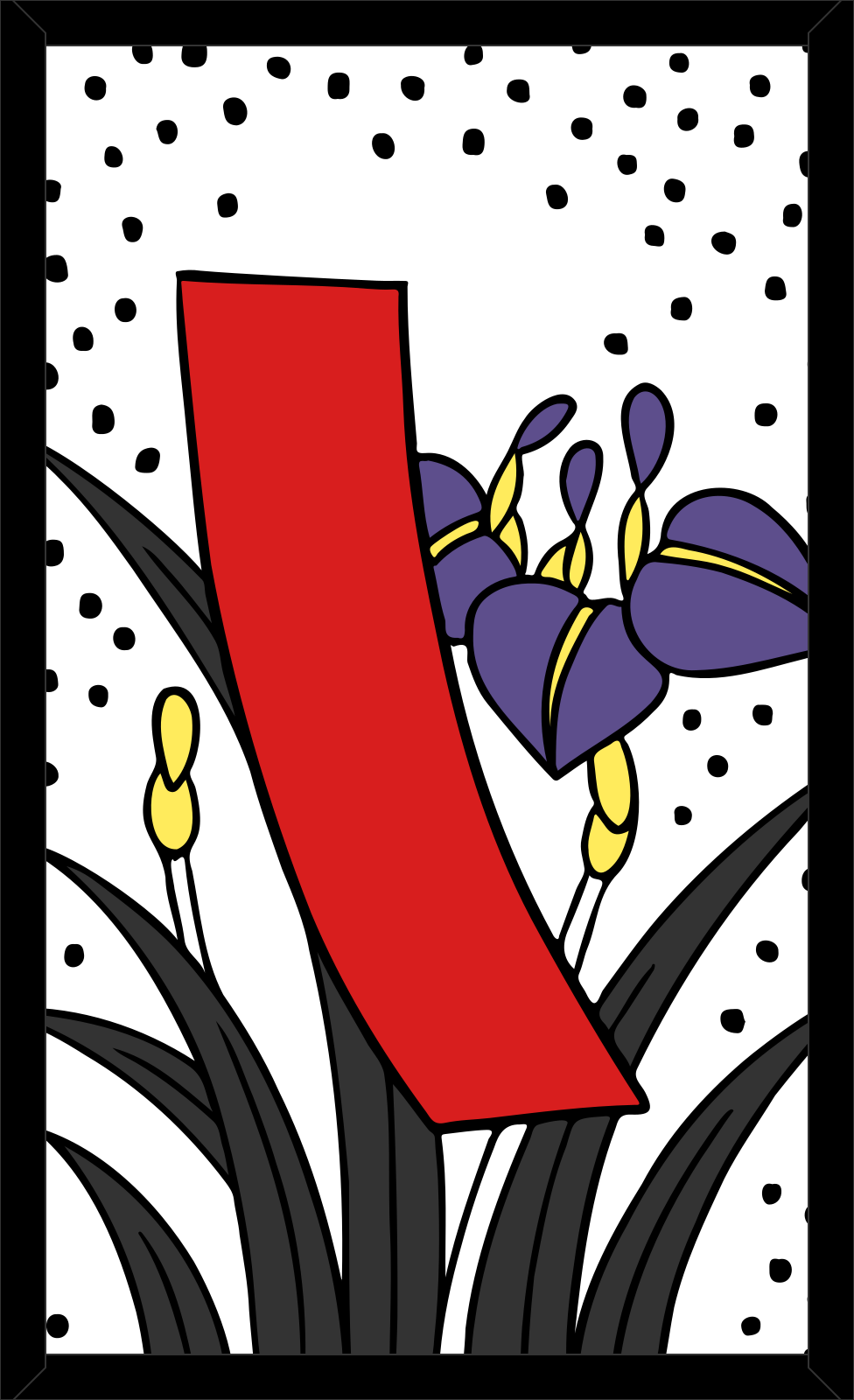 ayame_ribbon.svg
Red tanzaku, Iris, May
Original: Hanafuda May Tanzaku Alt.svg, version of 20 August 2021

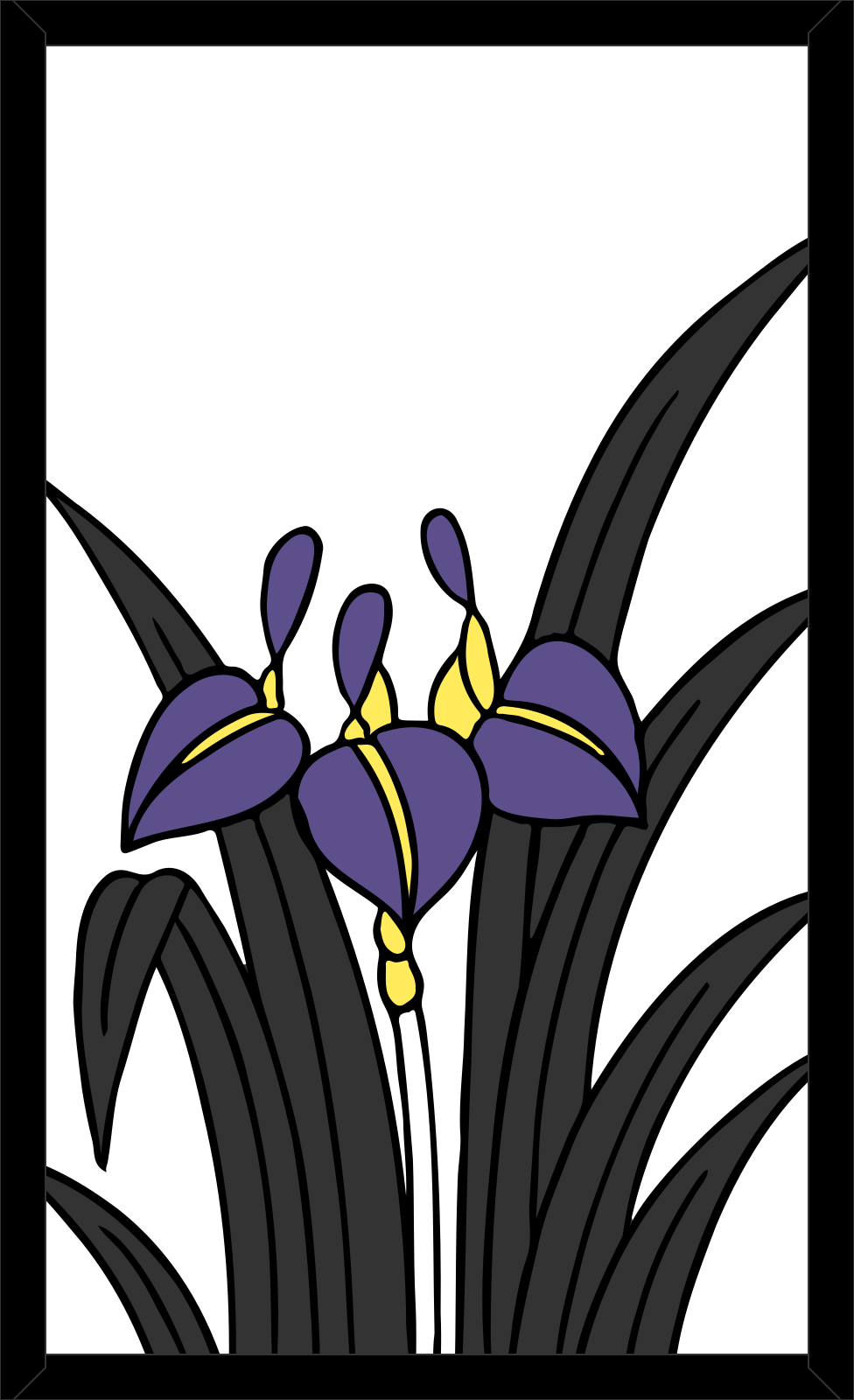
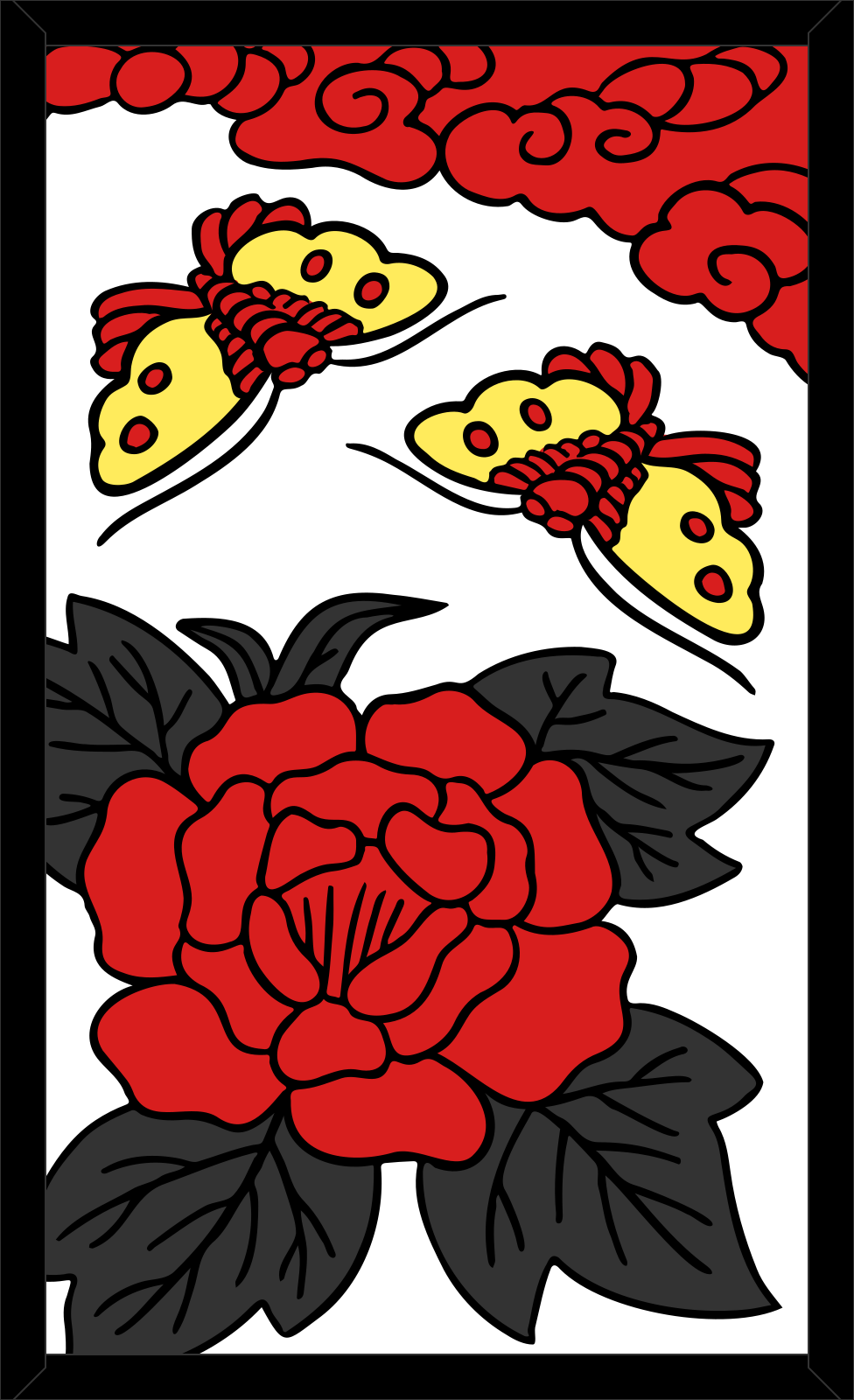 botan_butterfly.svg
Butterflies, Peony, June, animal
Original: Hanafuda June Tane Alt.svg, version of 20 August 2021
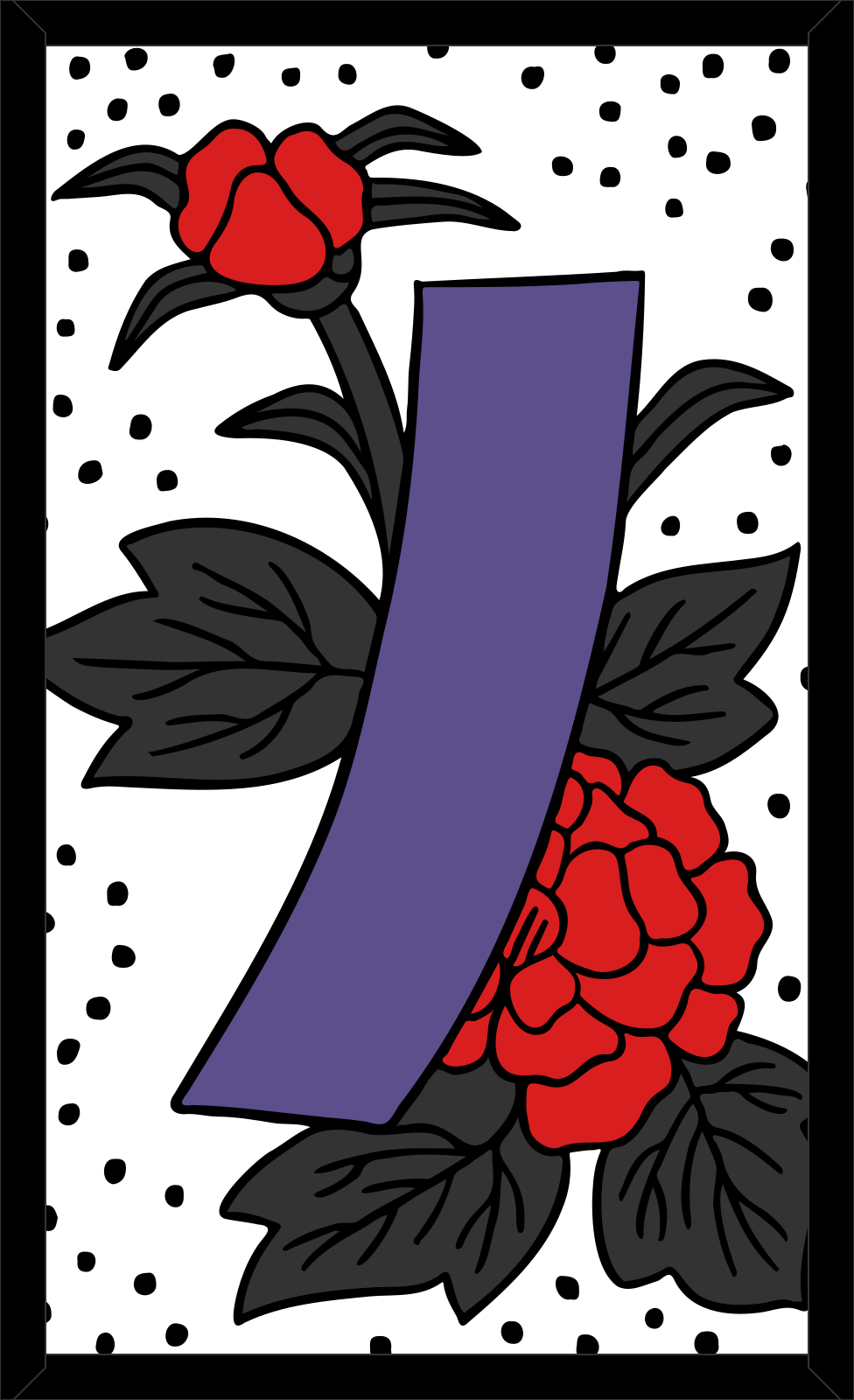 botan_ribbon.svg
Blue tanzaku, Peony, June
Original: Hanafuda June Tanzaku Alt.svg, version of 20 August 2021


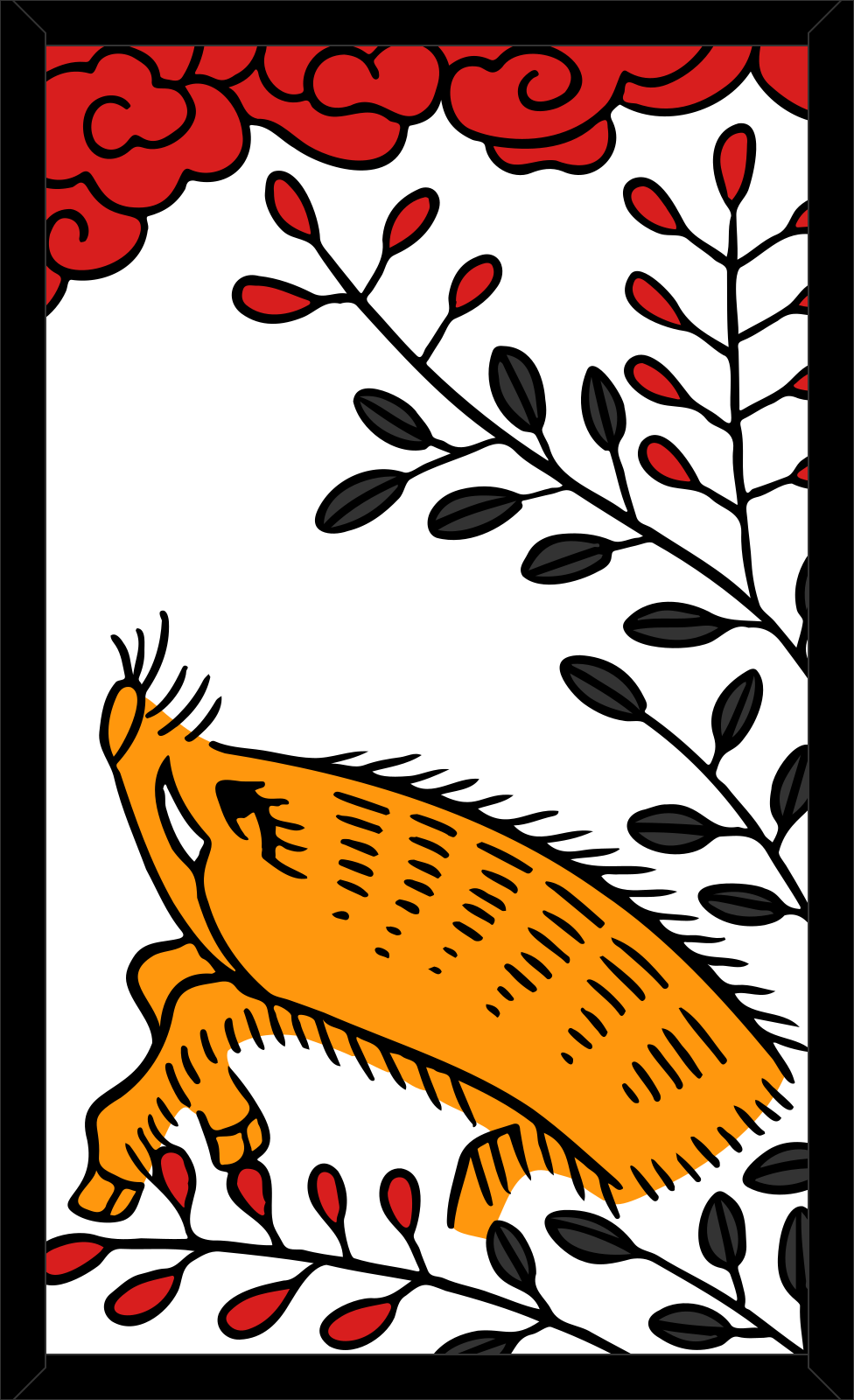 hagi_boar.svg
Boar, Lespedeza, July, animal
Original: Hanafuda July Tane Alt.svg, version of 20 August 2021
 hagi_ribbon.svg
Red tanzaku, Lespedeza, July
Original: Hanafuda July Tanzaku Alt.svg, version of 20 August 2021
 hagi_plain_1.svg
Lespedeza plain, July
Original: Hanafuda July Kasu 1 Alt.svg, version of 20 August 2021
 hagi_plain_2.svg
Lespedeza plain, July
Original: Hanafuda July Kasu 2 Alt.svg, version of 20 August 2021
 susuki_moon.svg
Moon, Pampas, August, light
Original: Hanafuda August Hikari Alt.svg, version of 20 August 2021
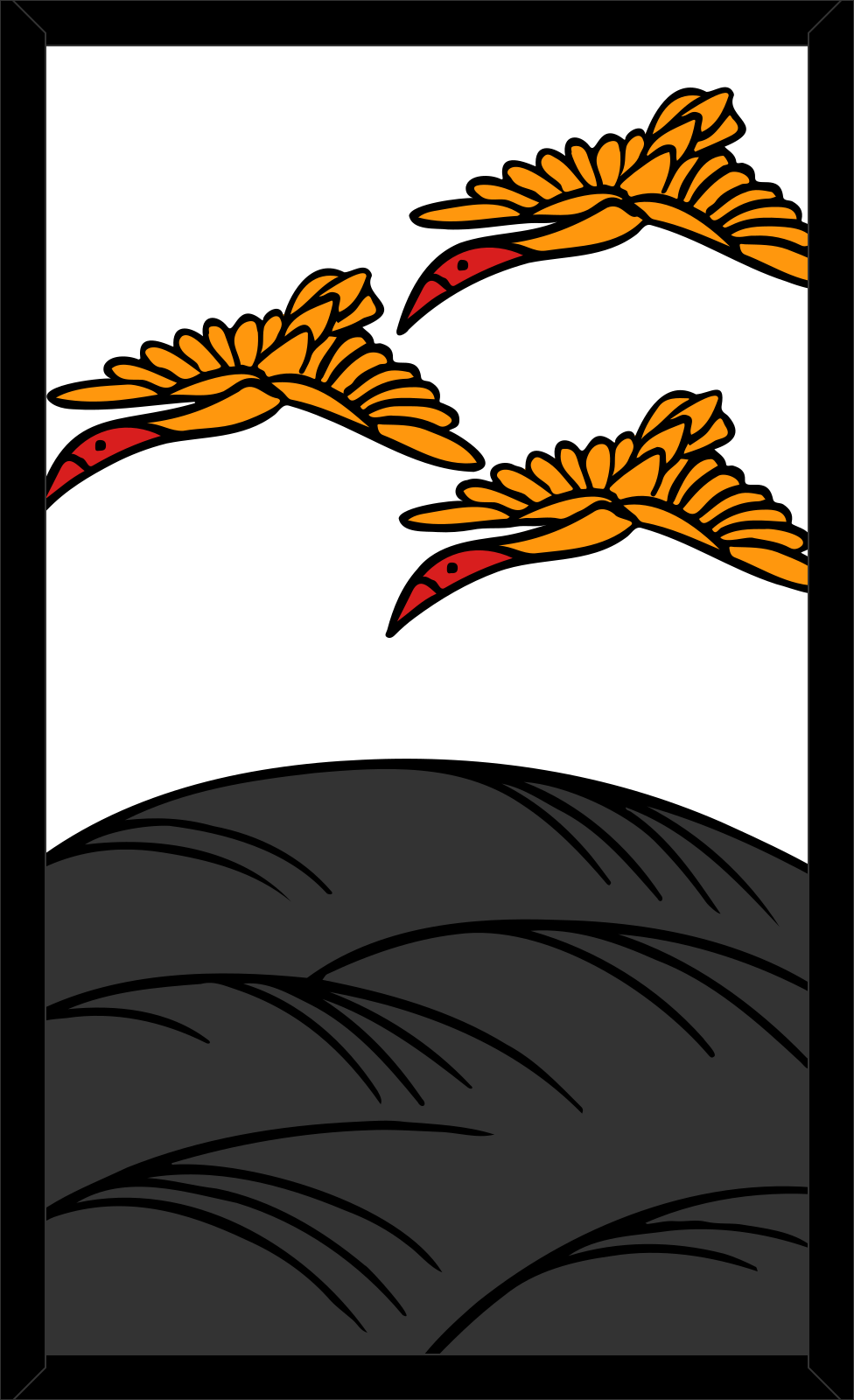 susuki_geese.svg
Geese, Pampas, August, animal
Original: Hanafuda August Tane Alt.svg, version of 20 August 2021
 susuki_plain_1.svg
Pampas plain, August
Original: Hanafuda August Kasu 1 Alt.svg, version of 20 August 2021
 susuki_plain_2.svg
Pampas plain, August
Original: Hanafuda August Kasu 2 Alt.svg, version of 20 August 2021
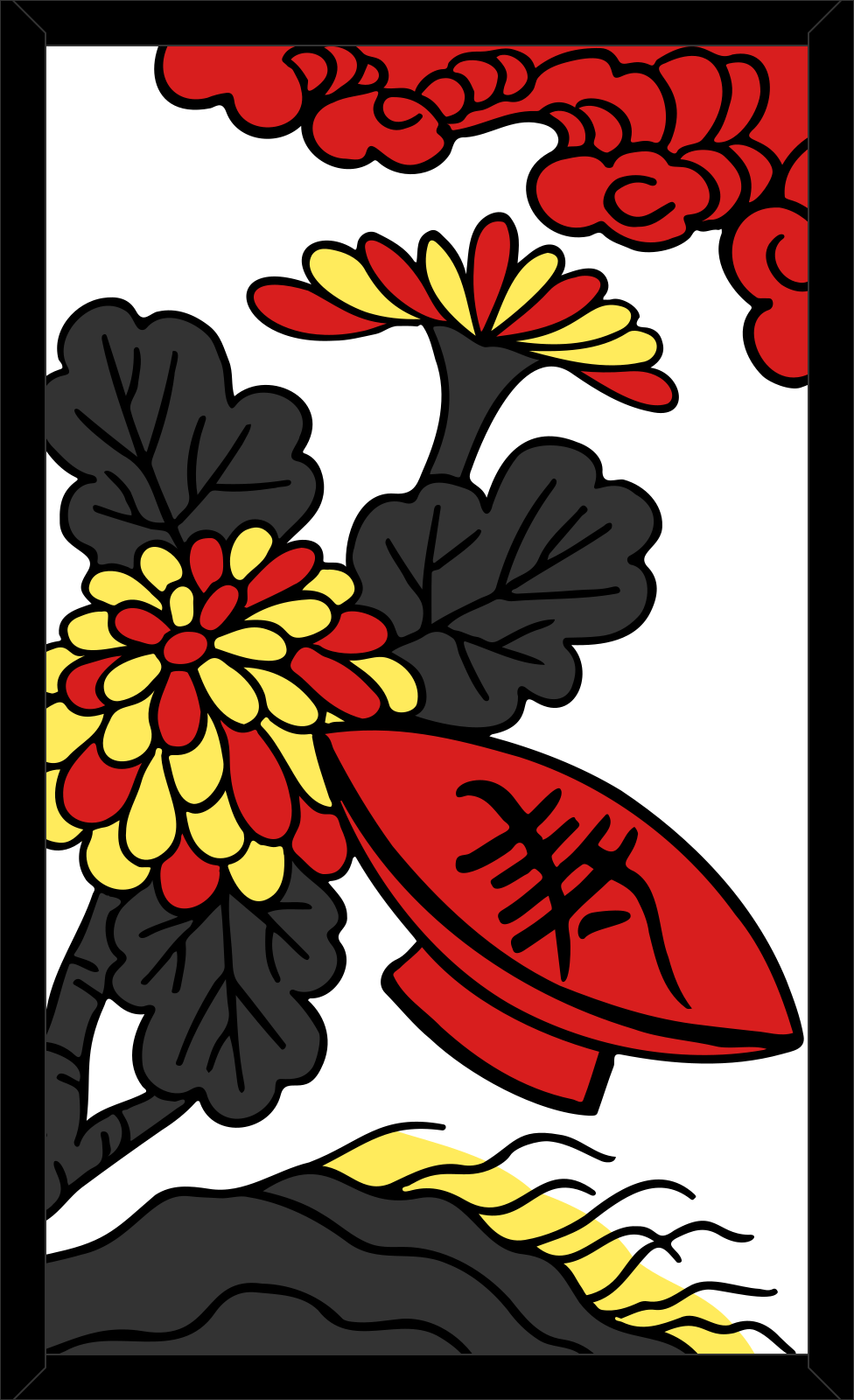 kiku_sake_cup.svg
Sake cup, Chrysanthemum, September, animal
Original: Hanafuda September Tane Alt.svg, version of 20 August 2021
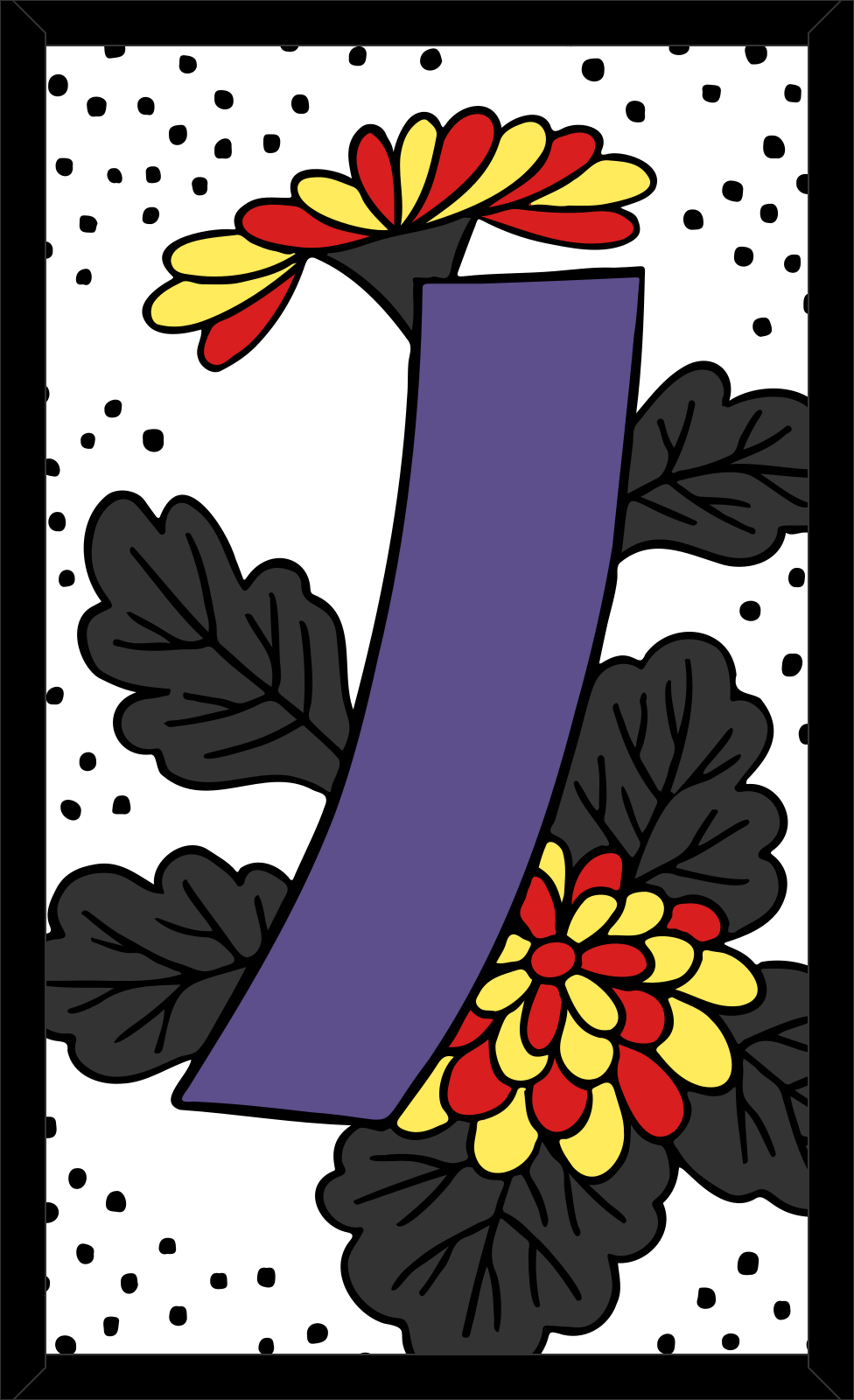 kiku_ribbon.svg
Blue tanzaku, Chrysanthemum, September
Original: Hanafuda September Tanzaku Alt.svg, version of 20 August 2021
 kiku_plain_1.svg
Chrysanthemum plain, September
Original: Hanafuda September Kasu 1 Alt.svg, version of 20 August 2021
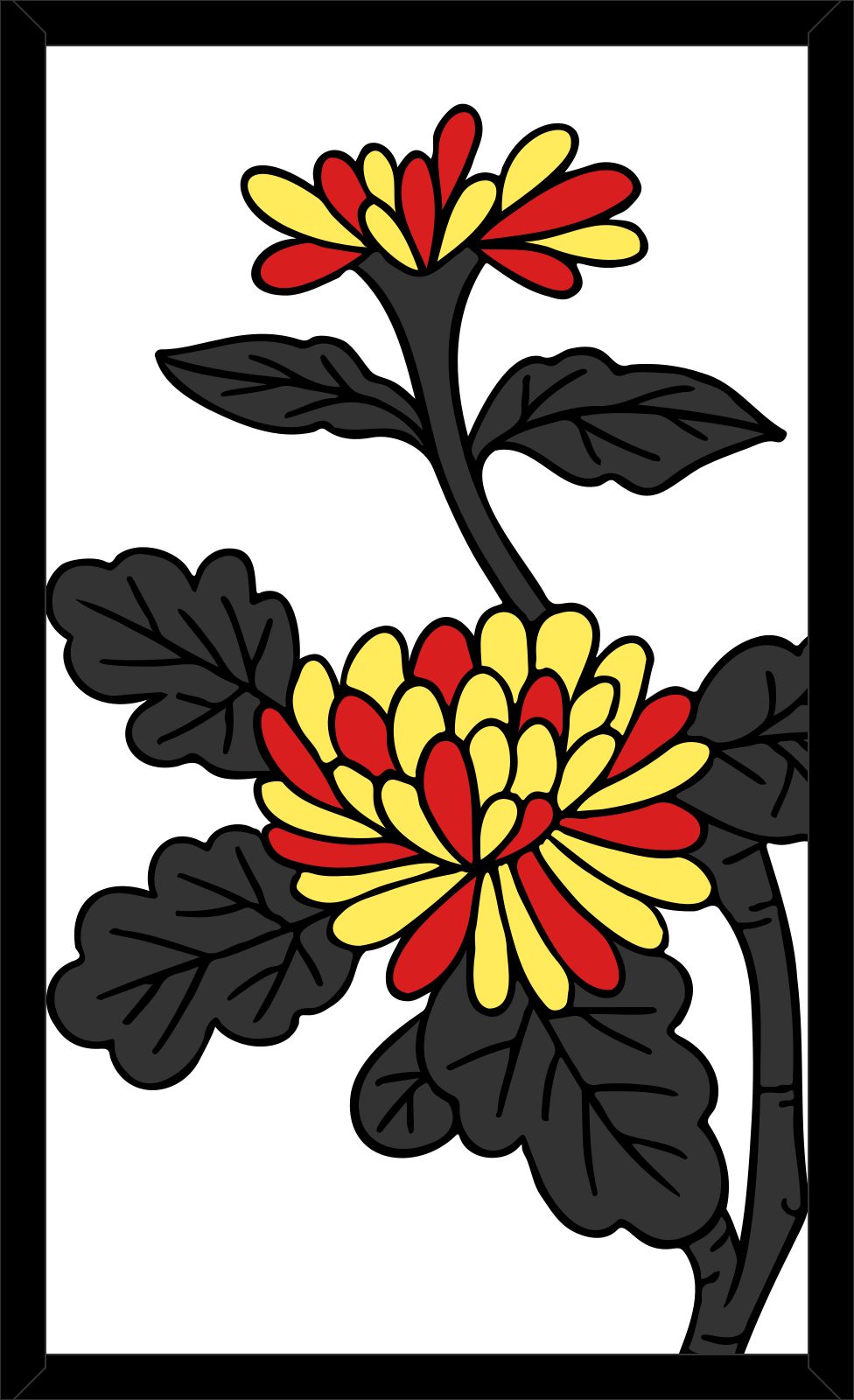 kiku_plain_2.svg
Chrysanthemum plain, September
Original: Hanafuda September Kasu 2 Alt.svg, version of 20 August 2021
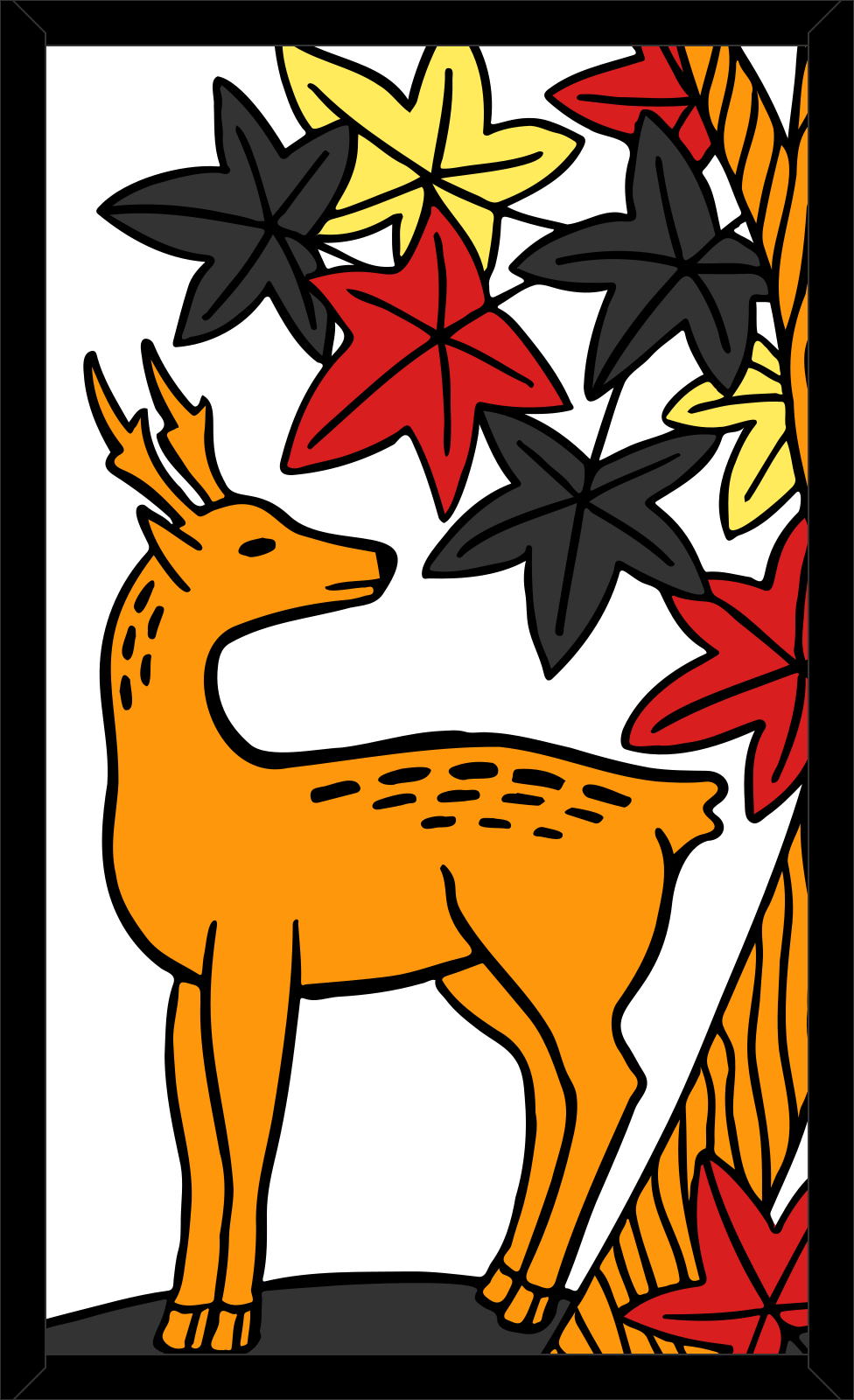 momiji_deer.svg
Deer, Maple, October, animal
Original: Hanafuda October Tane Alt.svg, version of 20 August 2021
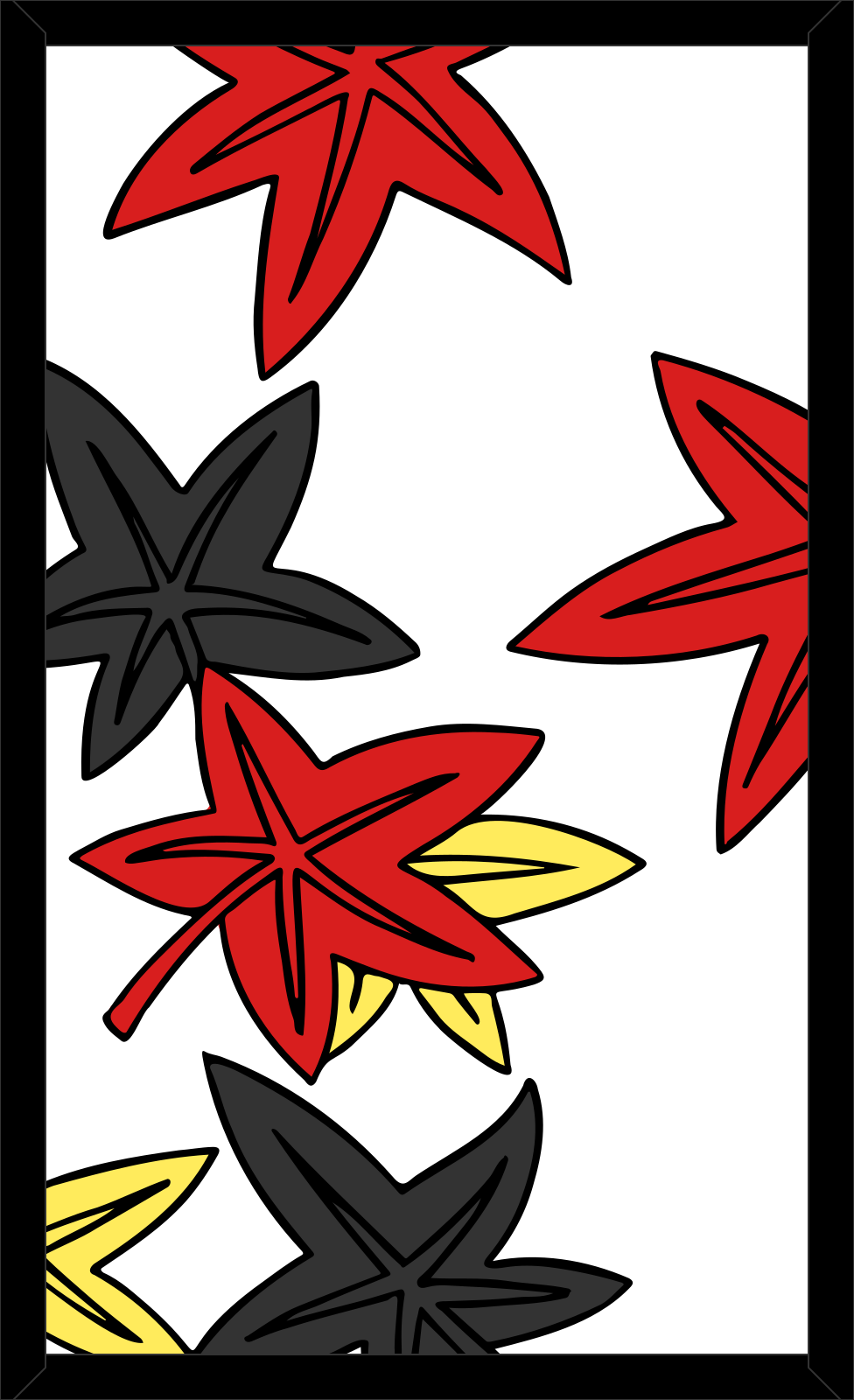 momiji_plain_1.svg
Maple plain, October
Original: Hanafuda October Kasu 1 Alt.svg, version of 20 August 2021
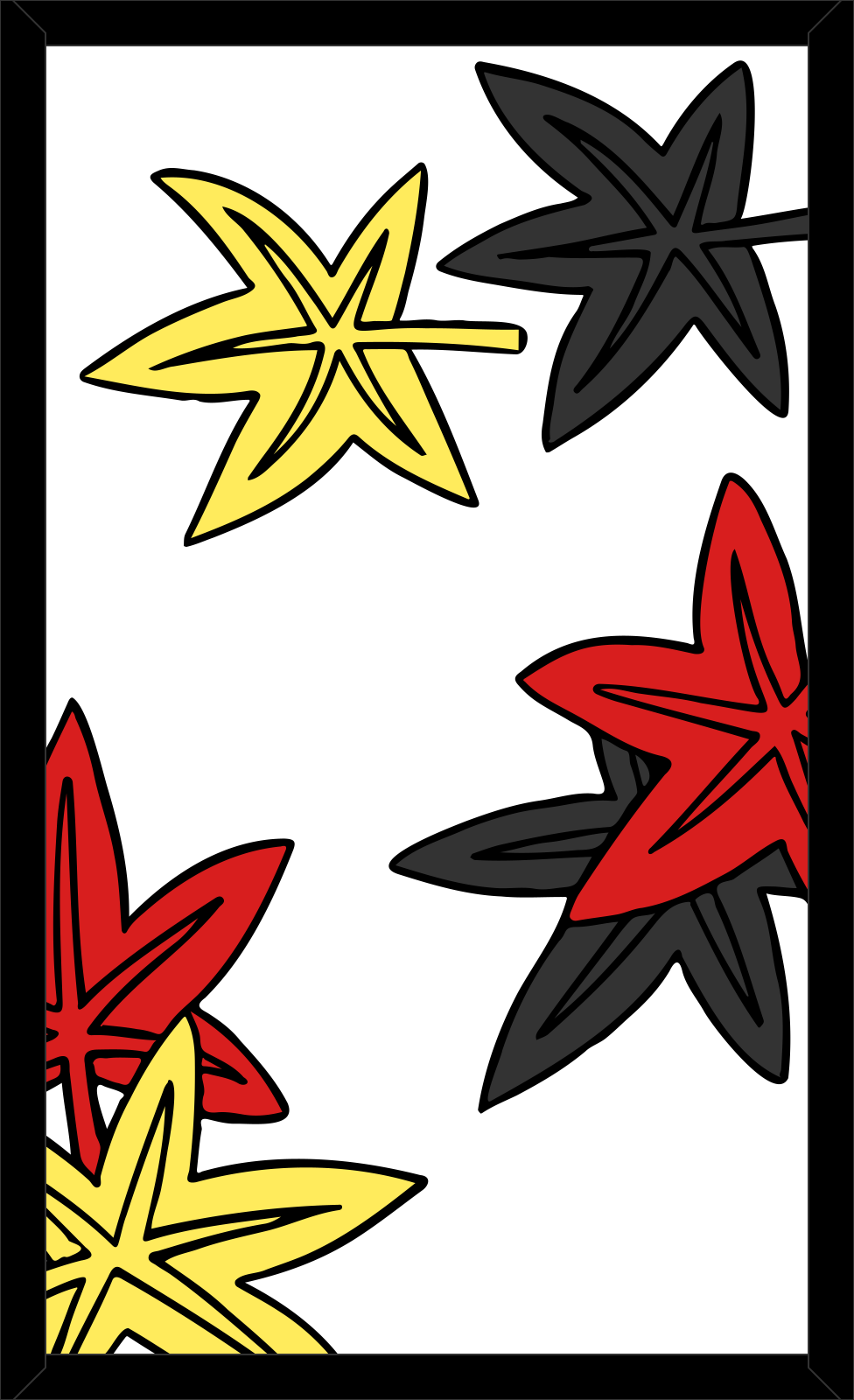 momiji_plain_2.svg
Maple plain, October
Original: Hanafuda October Kasu 2 Alt.svg, version of 20 August 2021
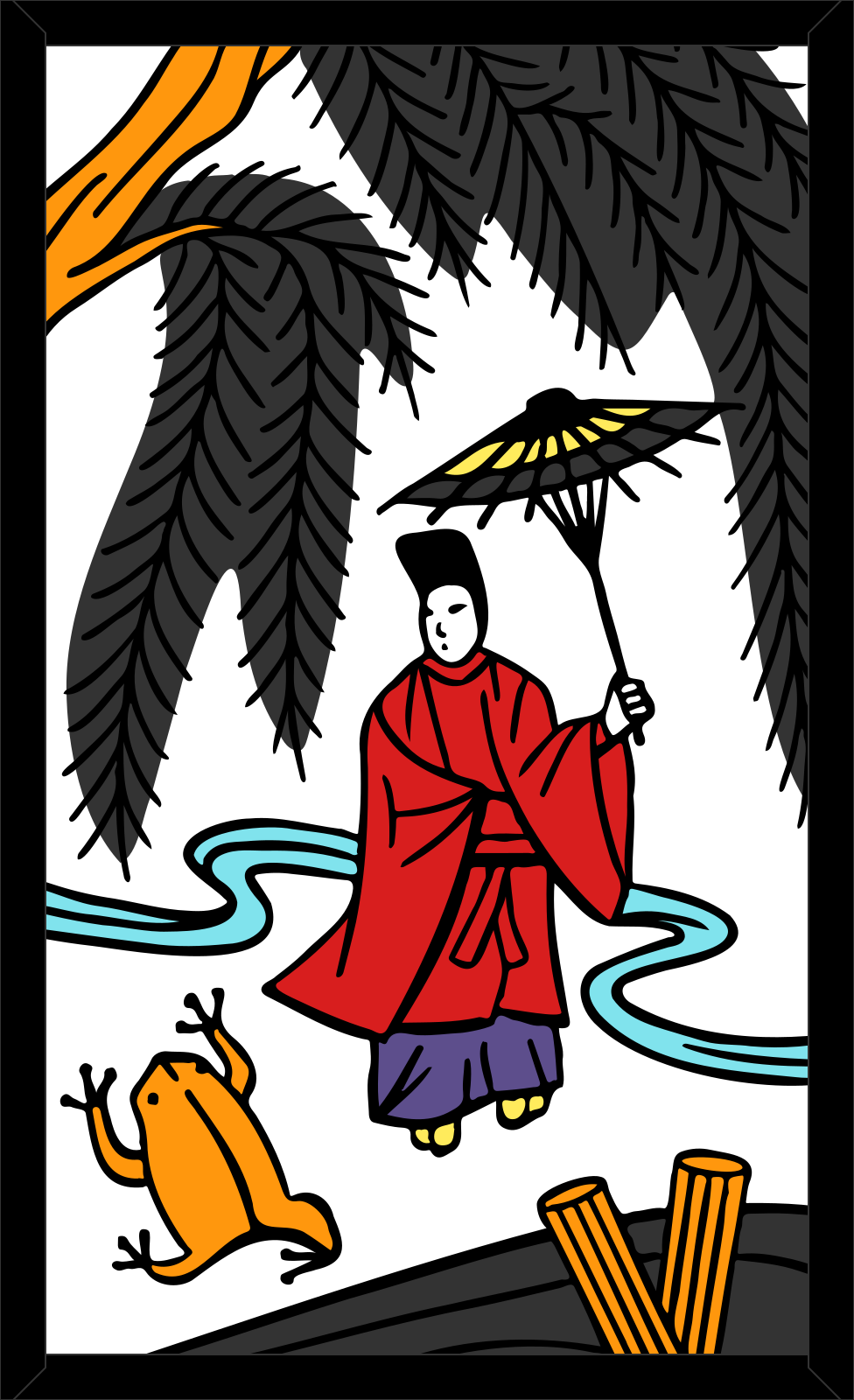 yanagi_rainman.svg
Rain, Willow, November, light
Original: Hanafuda November Hikari Alt.svg, version of 20 August 2021
 yanagi_swallow.svg
Swallow, Willow, November, animal
Original: Hanafuda November Tane Alt.svg, version of 20 August 2021
 yanagi_ribbon.svg
Red tanzaku, Willow, November
Original: Hanafuda November Tanzaku Alt.svg, version of 20 August 2021
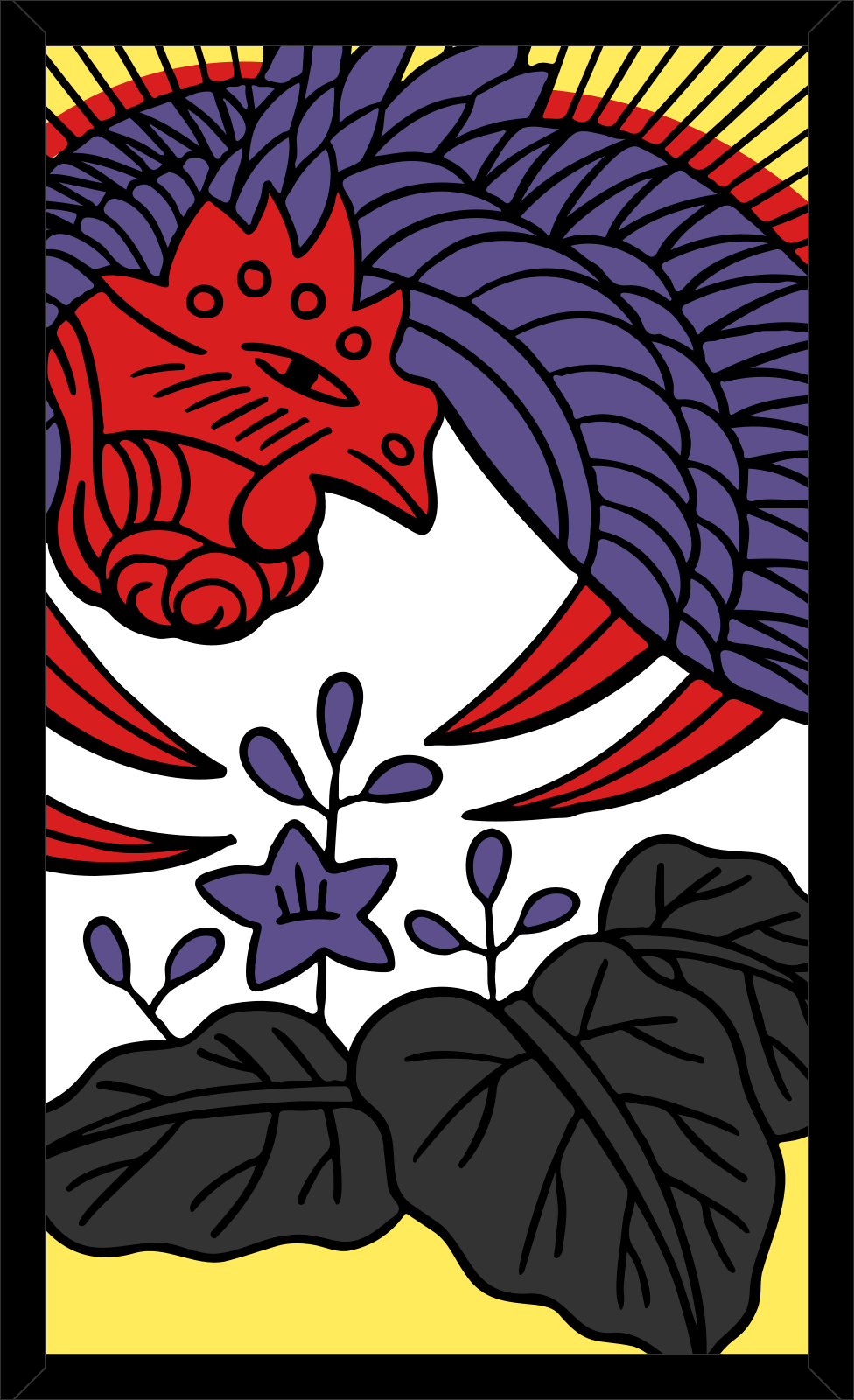 kiri_phoenix.svg
Phoenix, Paulownia, December, light
Original: Hanafuda December Hikari Alt.svg, version of 20 August 2021
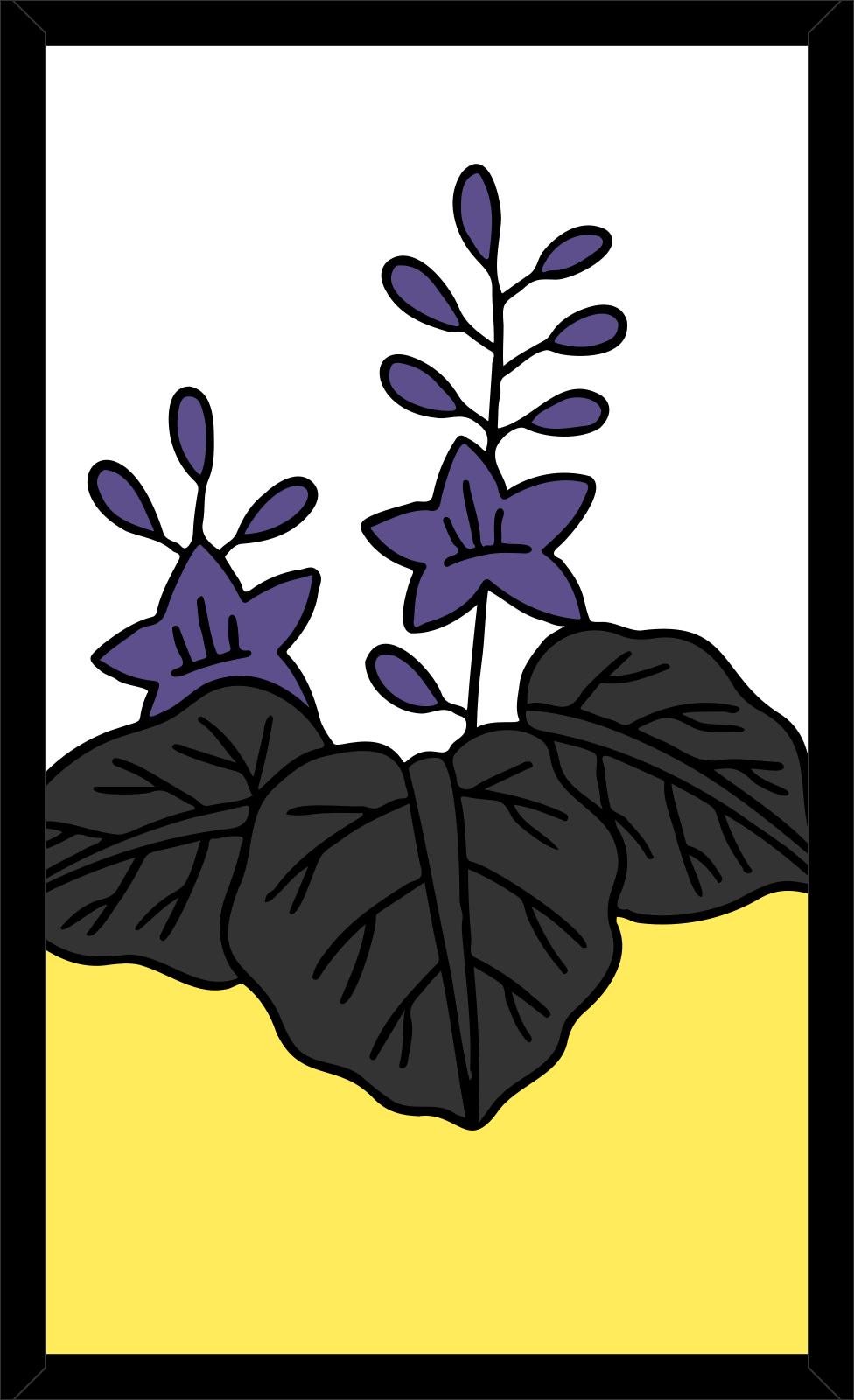 kiri_plain_yellow.svg
Paulownia plain, December
Original: Hanafuda December Kasu 2 Alt.svg, version of 20 August 2021
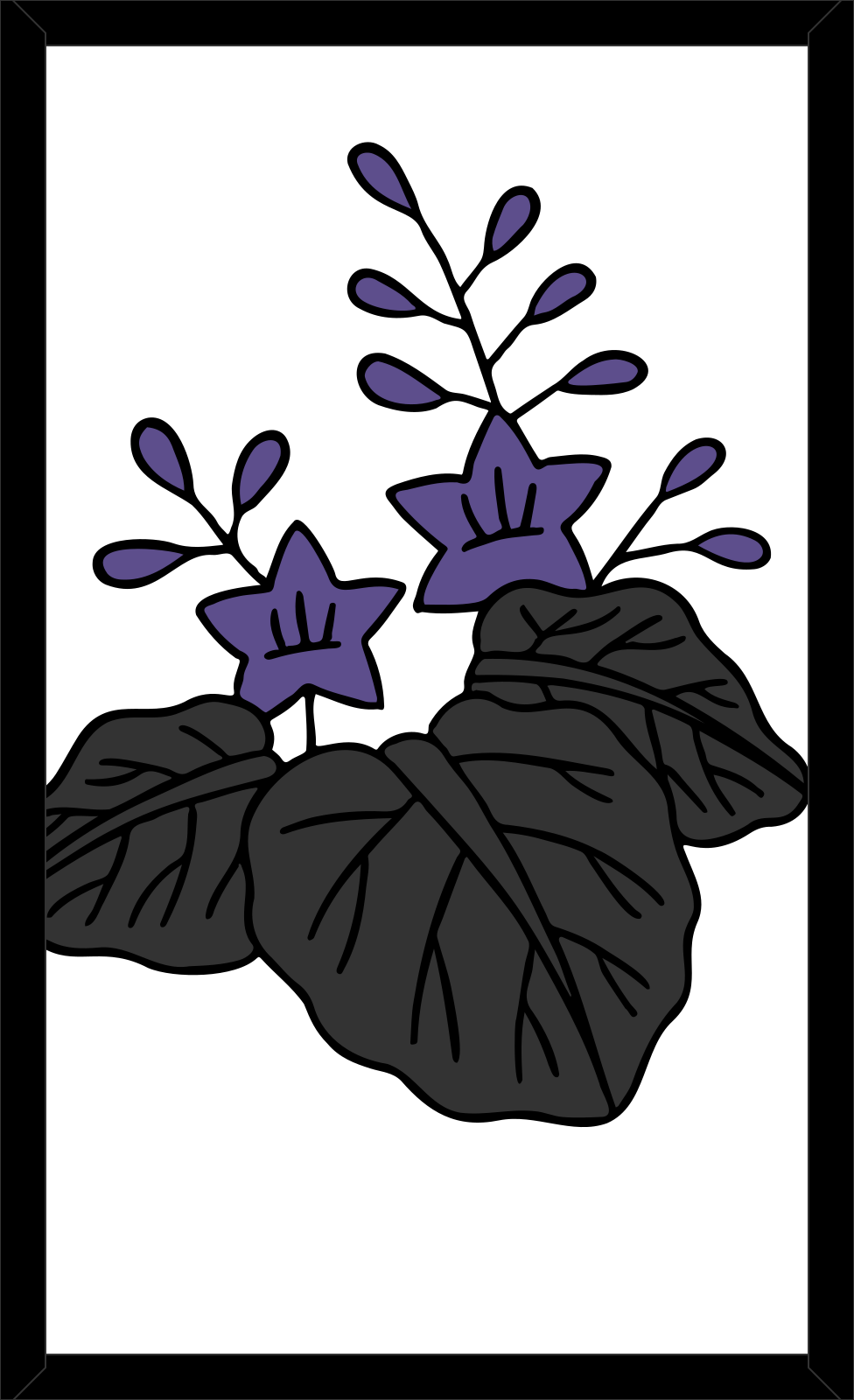 kiri_plain_1.svg
Paulownia plain, December
Original: Hanafuda December Kasu 1 Alt.svg, version of 20 August 2021
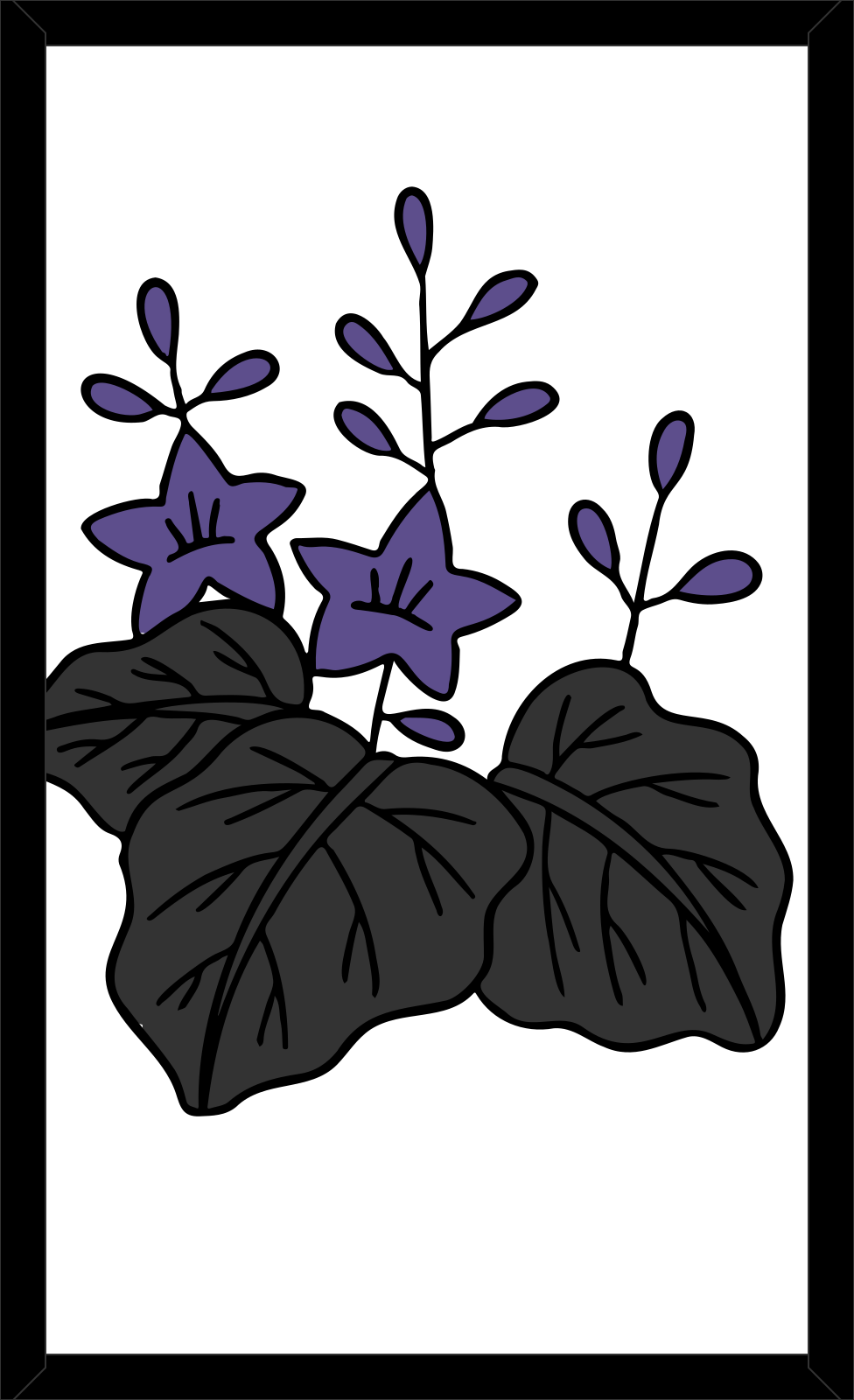 kiri_plain_2.svg
Paulownia plain, December
Original: Hanafuda December Kasu 3 Alt.svg, version of 20 August 2021
Faces revised by Spenĉjo
Three faces are used in the revision Spenĉjo uploaded, so they are credited to Louie Mantia, すけじょ and Spenĉjo, CC BY-SA 4.0. The upload notes on Commons say what was changed:
- Bridge (4 January 2026): “Added orange, for a more traditional and representative color scheme.”
- Maple blue tanzaku (4 January 2026): “Changed yellow to dark gray, for a more traditional and representative color scheme.”
- Lightning (28 December 2024): “Updated card art to a more traditional design, based on Louie Mantia’s original SVG and a public domain scan”.
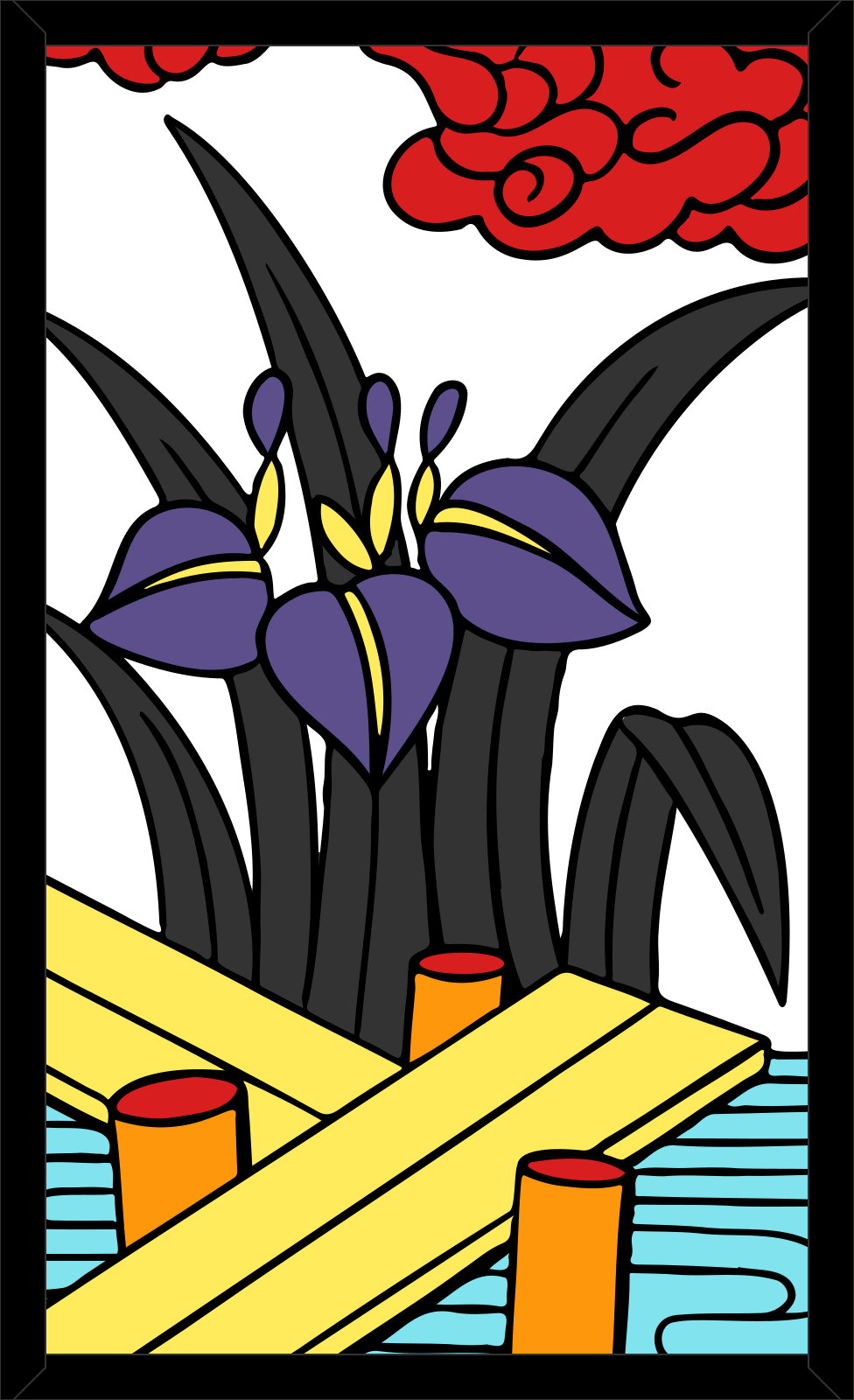 ayame_bridge.svg
Bridge, Iris, May, animal
Original: Hanafuda May Tane Alt.svg, version of 4 January 2026
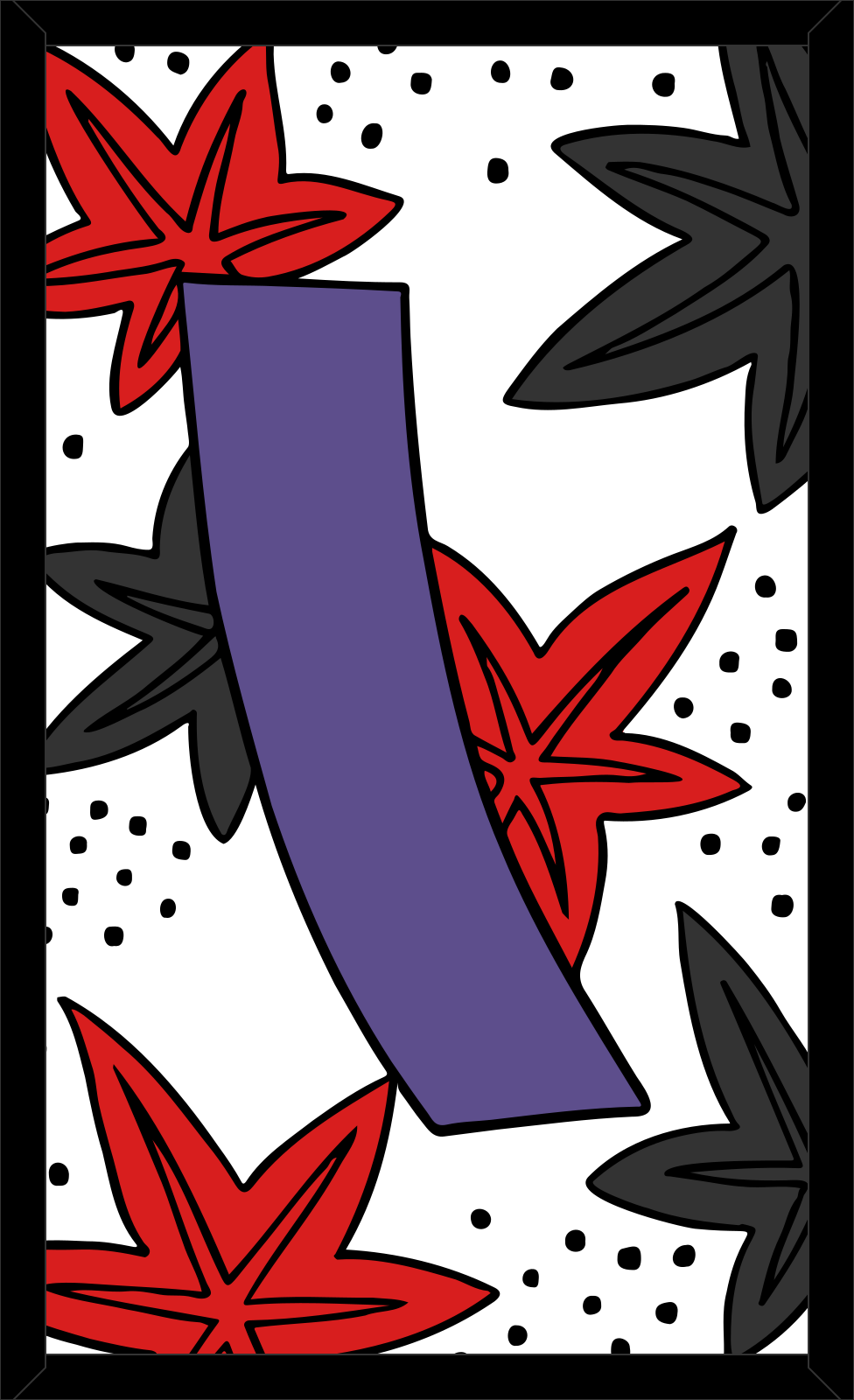 momiji_ribbon.svg
Blue tanzaku, Maple, October
Original: Hanafuda October Tanzaku Alt.svg, version of 4 January 2026
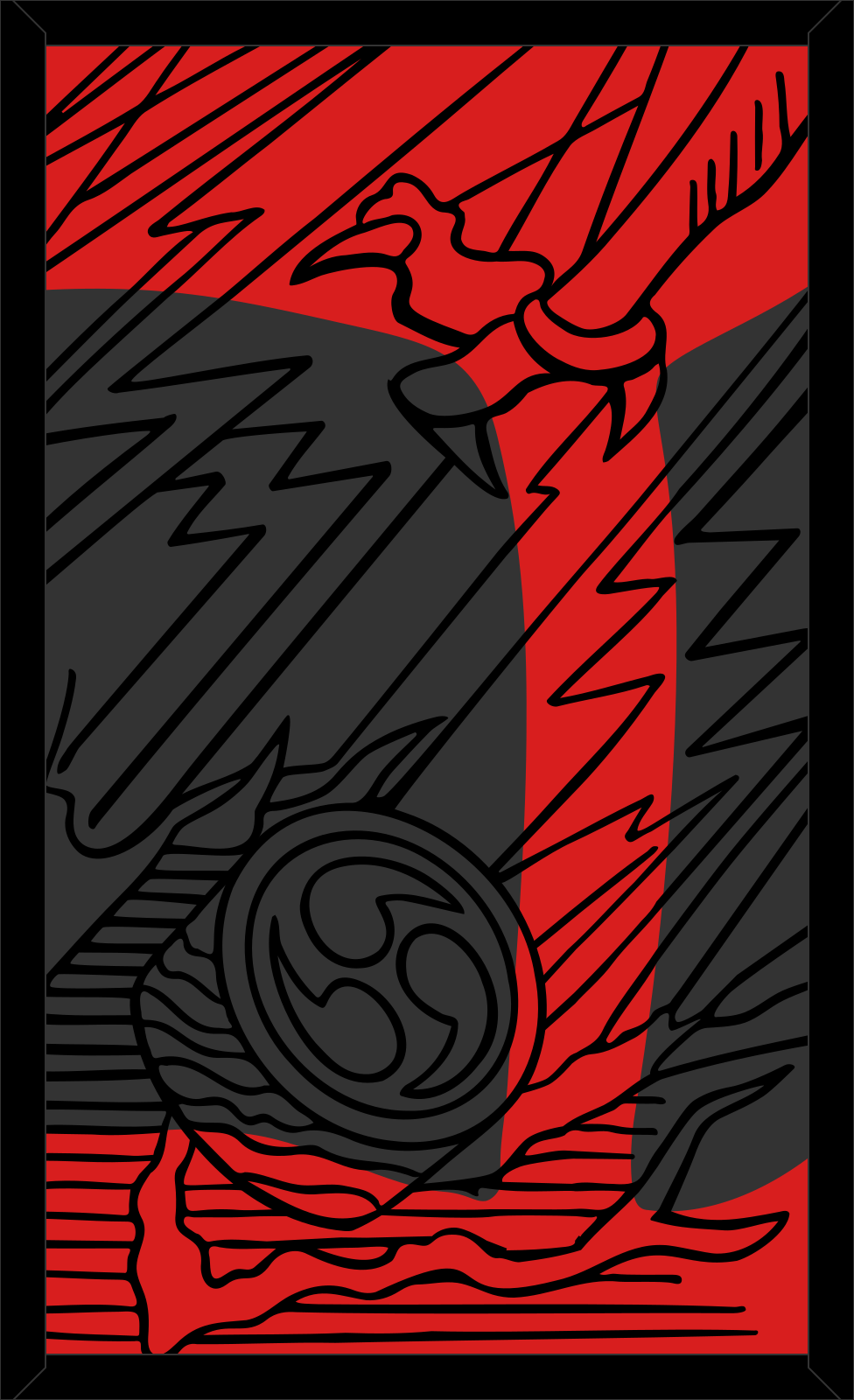 yanagi_lightning.svg
Lightning, Willow, November, plain
Original: Hanafuda November Kasu Alt.svg, version of 28 December 2024
The card back
By Spenĉjo, CC BY-SA 4.0. It is the face-down side of every card, at the table and in the home page scene.



Reusing the card pictures
You can download any card from this site (the file names above link to the files) or take the originals from Wikimedia Commons. CC BY-SA 4.0 lets you copy, share and adapt them for any purpose, commercial use included, on these conditions:
- Credit the authors. Louie Mantia and すけじょ for the faces; Spenĉjo for the back and, with them, for the three revised faces.
- Link the licence: creativecommons.org/licenses/by-sa/4.0.
- Say what you changed, and that the files you took from here were minified.
- Share alike. A picture you make from them, such as a recoloured card or a new drawing traced over one, must be licensed CC BY-SA 4.0 (or a compatible licence). This applies to the pictures, not to everything they appear next to: your own text or your game’s code can keep their own licence.
- Add no restrictions. Do not add terms or technical measures that stop others from using the pictures under the licence.
The licence covers the copyright in the drawings. It grants no trademark rights and does not mean that the authors endorse your use. The traditional hanafuda designs are far older than these drawings; what is licensed here is these particular drawings of them.
Images made from the card art
Some images made for this site include card pictures, for example the preview images shown when a page is shared on social media or in a chat. They are adaptations of the card art, so they are licensed CC BY-SA 4.0 too, with the same credit to Louie Mantia, すけじょ and Spenĉjo. The same applies to any screenshot of the game that shows the cards.
App icon, favicon and logo


The app icon, the favicon, the header logo and the startup images all show the 🎴 “flower playing cards” emoji from Twemoji (v17.0.3), © 2019 Twitter, Inc and other contributors, licensed CC BY 4.0. The version used is the file 1f3b4.svg from jdecked/twemoji, the maintained continuation of Twitter’s Twemoji; the drawing dates from Twitter’s releases.
Changes: a gold edge was drawn around the card; for the app icons the card was scaled and placed on a lacquer-black background; the monochrome icon is reduced to a one-colour silhouette; everything was resized and rasterised to PNG and ICO. The adapted icons are licensed CC BY 4.0 as well. Twitter and the Twemoji maintainers do not endorse this game.
The four app shortcut icons (practice, play with a friend, rules, yaku) each draw one Lucide icon (bot, users, book-open, sparkles; ISC licence) in white on the same background.
Historical pictures
The history of hanafuda is illustrated with old cards photographed or scanned by others. Each is credited here as its Wikimedia Commons page gives it.
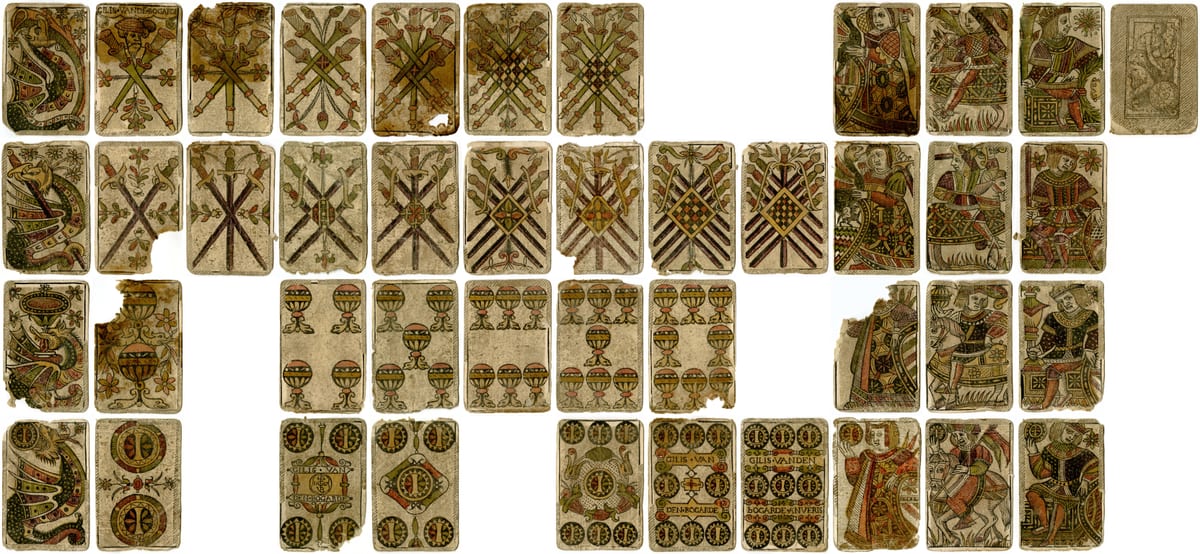
Playing cards of the Portuguese pattern, printed in Antwerp by Gilis van den Bogarde, 1567
By Gilis van den Bogarde (printer, 1567); sorted arrangement by Spenĉjo
Licence: Public domain (the 1567 cards); the arrangement is released under CC0 1.0
Source: Wikimedia Commons. Resized to 1200 px wide and saved as JPEG; not otherwise changed.
Shown on History
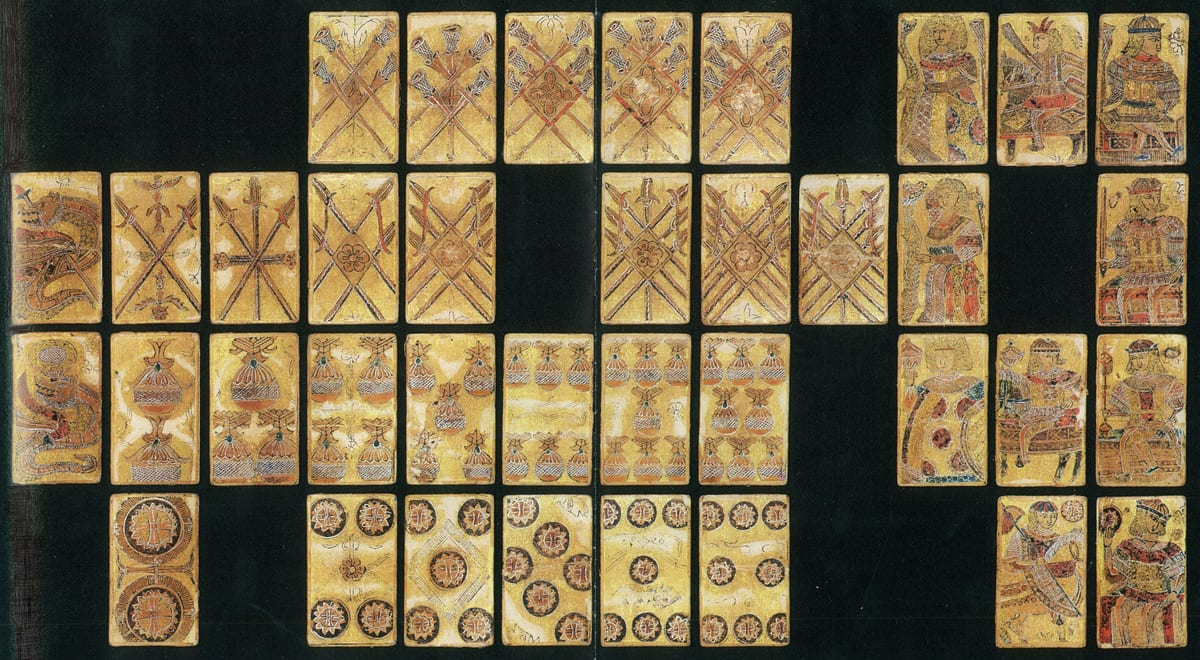
Tenshō karuta, woodblock-printed and hand-coloured, about 1688–1704
By Unknown
Licence: Public domain
Source: Wikimedia Commons. Resized to 1200 px wide and saved as JPEG; not otherwise changed.
Shown on History
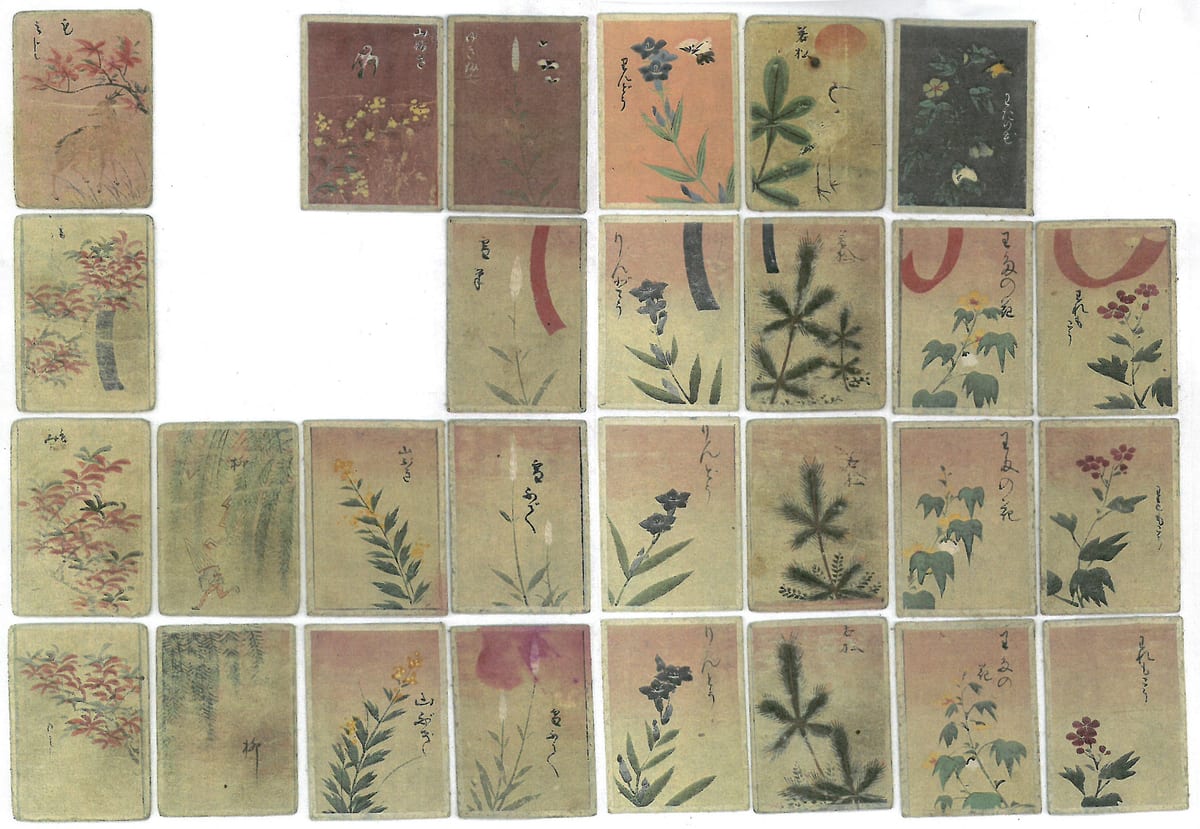
Flower-matching cards attributed to Tosa Mitsunari, painted by 1705
By Tosa Mitsunari (attributed)
Licence: Public domain
Source: Wikimedia Commons. Resized to 1200 px wide and saved as JPEG; not otherwise changed.
Shown on History
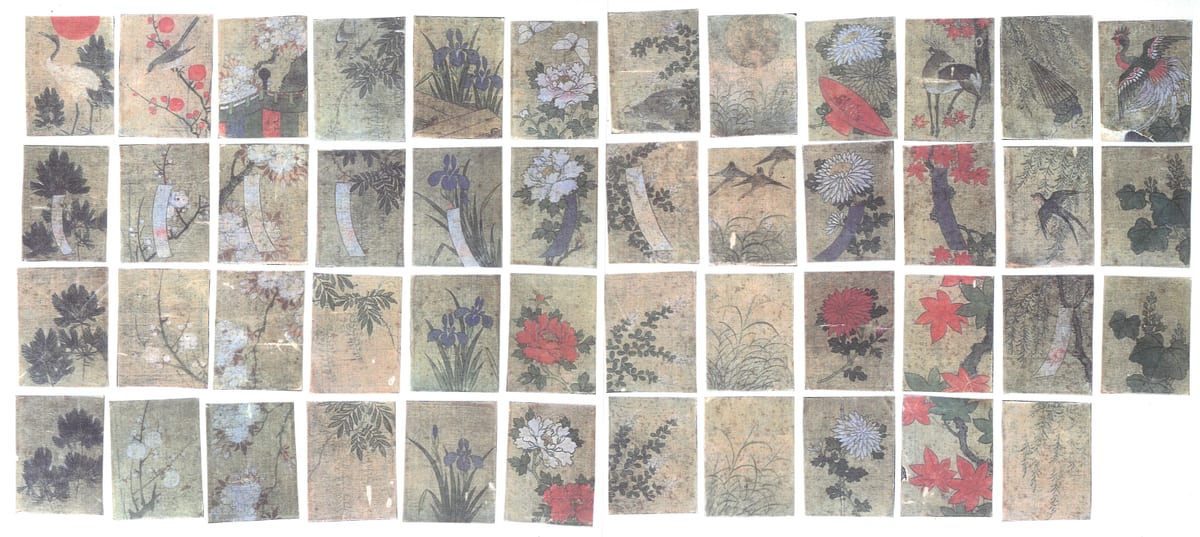
Hand-painted hanafuda, mid-Edo period (18th century), Miike Karuta and History Museum
By Unknown
Licence: Public domain
Source: Wikimedia Commons. Resized to 1200 px wide and saved as JPEG; not otherwise changed.
Shown on History
_-_sorted.jpg)


Sound effects
Every sound in the game is a cue from the “Zen” pack of UI SFX by Yuki Capital, dedicated to the public domain under CC0 1.0. No sound file is downloaded: the UI SFX runtime (MIT licence) synthesises each cue in the browser. Neither the sounds nor the runtime were changed. Both licences are reproduced in full in sounds/CREDITS.md.
Fonts
The text is set in Plus Jakarta Sans, and Japanese names such as the cards’ names in Noto Serif JP. Both are licensed under the SIL Open Font License 1.1 and are loaded from Google Fonts, which the privacy policy explains.
Software and libraries
The game is built with the software below. All of it is open source except GSAP, which is free to use under its own “no charge” licence; the avatar drawings and the sound pack are public-domain assets. The licences are the ones each package declares in its own files, for the versions the game uses.
| Software | Used for | Licence |
|---|---|---|
| React, React DOM | The interface, and the pages of this site | MIT |
| Firebase JavaScript SDK | Google sign-in, the databases, App Check | Apache-2.0 |
| noble-post-quantum, noble-curves, noble-hashes, noble-ciphers | The encryption and signatures of online matches (by Paul Miller) | MIT |
| Radix UI primitives | Dialogs, menus, tabs, popovers and tooltips | MIT |
| Lucide (lucide-react) | Interface icons | ISC |
| three.js | The home page scene and the petals that celebrate a yaku or a win | MIT |
| GSAP (with Flip) | Dealing and moving the cards on the table | GSAP Standard “no charge” License |
| DiceBear (@dicebear/core, @dicebear/styles) | Avatars, drawn in the browser | MIT |
| DiceBear “Lorelei Neutral” (artwork by Lisa Wischofsky) | The avatar drawings | CC0 1.0 |
| UI SFX runtime (uisfx, by Yuki Capital) | Plays the sound effects with Web Audio | MIT |
| UI SFX “Zen” sound pack (Yuki Capital) | The sound effects, synthesised in the browser | CC0 1.0 |
| Workbox | The service worker (offline use) | MIT |
| Tailwind CSS, tailwindcss-animate | Generates the stylesheet | MIT |
| tailwind-merge, clsx | Combining style classes | MIT |
| class-variance-authority | Button and component variants | Apache-2.0 |
| Software | Used for | Licence |
|---|---|---|
| Vite, @vitejs/plugin-react | Builds the app | MIT |
| TypeScript | The language the code is written in | Apache-2.0 |
| PostCSS, Autoprefixer | Processes the stylesheet | MIT |
| esbuild, tsx | Bundles the service worker; runs the build scripts | MIT |
| sharp | Renders the icons and startup images | Apache-2.0 |
| SVGO | Minified the card pictures | MIT |
| Playwright | Screenshots and page checks | Apache-2.0 |
| Firebase CLI (firebase-tools) | Deploys the site and the security rules | MIT |
About this site
Koi-Koi Online (花札こいこいオンライン) is a free version of Koi-Koi, the two-player hanafuda game (also written “koi koi” or “koikoi”), that runs in the browser: online against a friend after signing in with Google, or practice against the computer with no account needed. The guides on this site explain its rules, yaku and scoring, the cards and their history, in English and in Japanese; each language has its own text.
- Where the rules come from. The guides describe the rules exactly as this game plays them, and mark every point where they differ from Nintendo’s published rules and common Japanese house rules; the house rules page compares them side by side. Each guide lists the sources it used.
- Independent. This site is not affiliated with Nintendo or any card maker.
- Last updated on 26 September 2026.
- Your data. What the game stores, and why, is in the privacy policy. Common questions are answered in the FAQ.
Licences and references
- Attribution-ShareAlike 4.0 International (CC BY-SA 4.0). Creative Commons: The licence of the card pictures.
- Attribution 4.0 International (CC BY 4.0). Creative Commons: The licence of the Twemoji icon.
- CC0 1.0 Universal. Creative Commons: The licence of the avatar drawings and the sounds.
- Category:SVG Hanafuda with traditional colors (black border). Wikimedia Commons: The originals of the card pictures.
- Reusing content outside Wikimedia. Wikimedia Commons: How to credit Commons files.
- Recommended practices for attribution. Creative Commons
- jdecked/twemoji, v17.0.3. GitHub: The source of the 🎴 icon.
- SIL Open Font License 1.1. SIL International: The licence of both fonts.