
The 48 hanafuda cards, month by month
Last updated
A hanafuda deck has 48 cards: twelve months of four cards each, every month drawn with its own flower or plant. Each card is also one of four kinds: a light (20 points), a tane or animal card (10), a tanzaku ribbon (5) or a plain (1). Here are all 48 as this game shows them, month by month, with their Japanese names and readings, what each picture shows, and the Koi-Koi yaku every card counts towards.
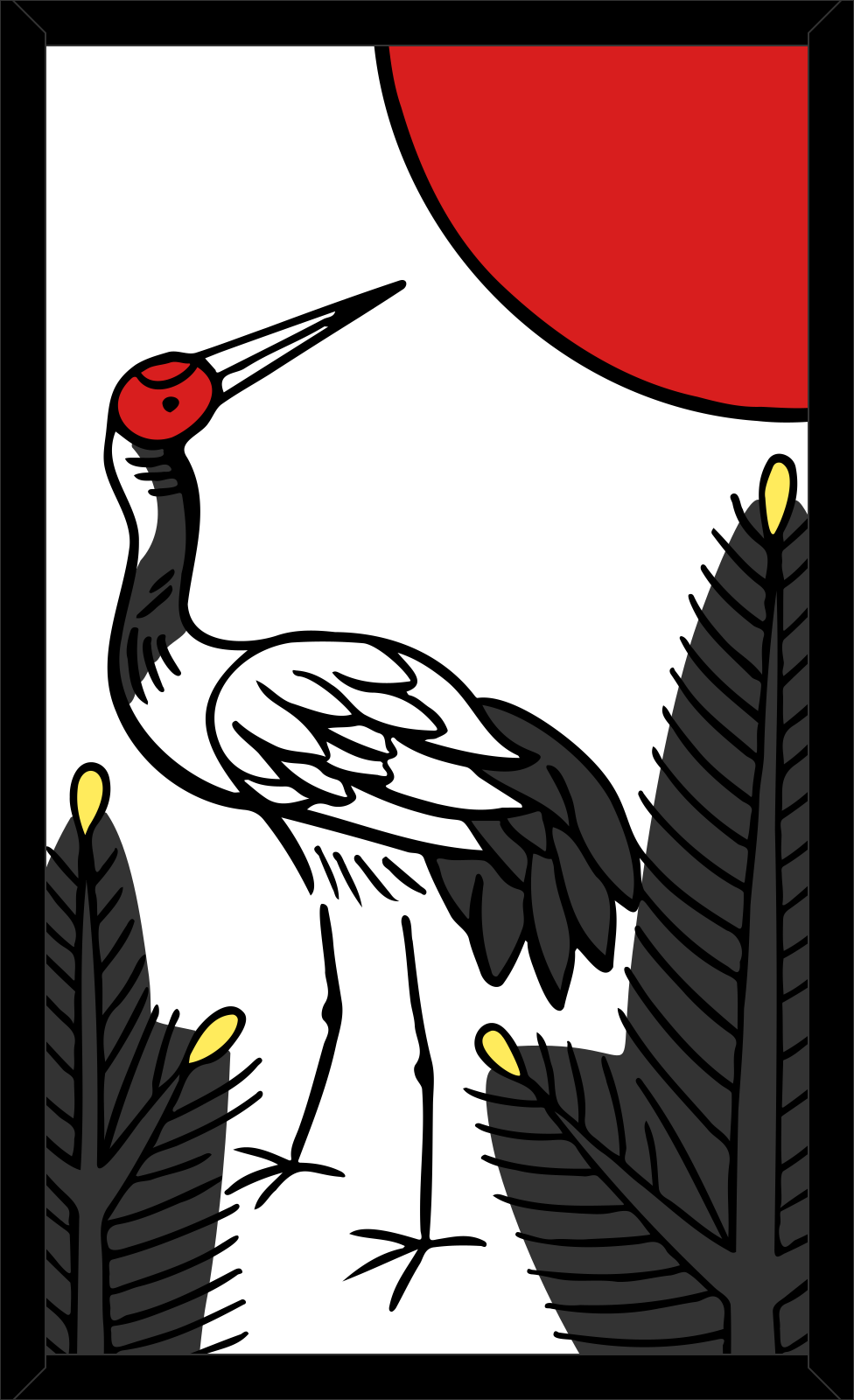
Light (hikari)20 ptsCrane 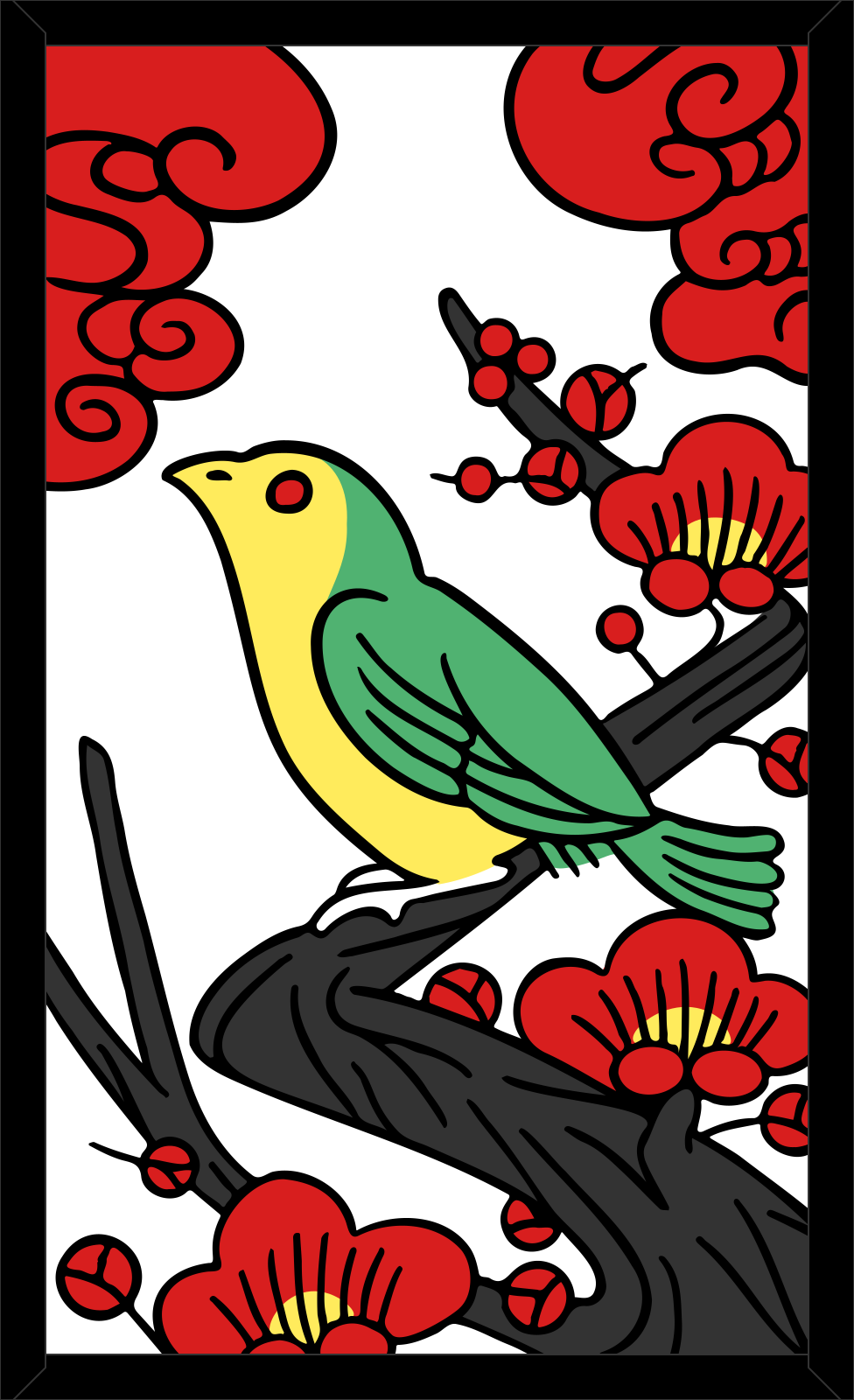
Animal (tane)10 ptsNightingale 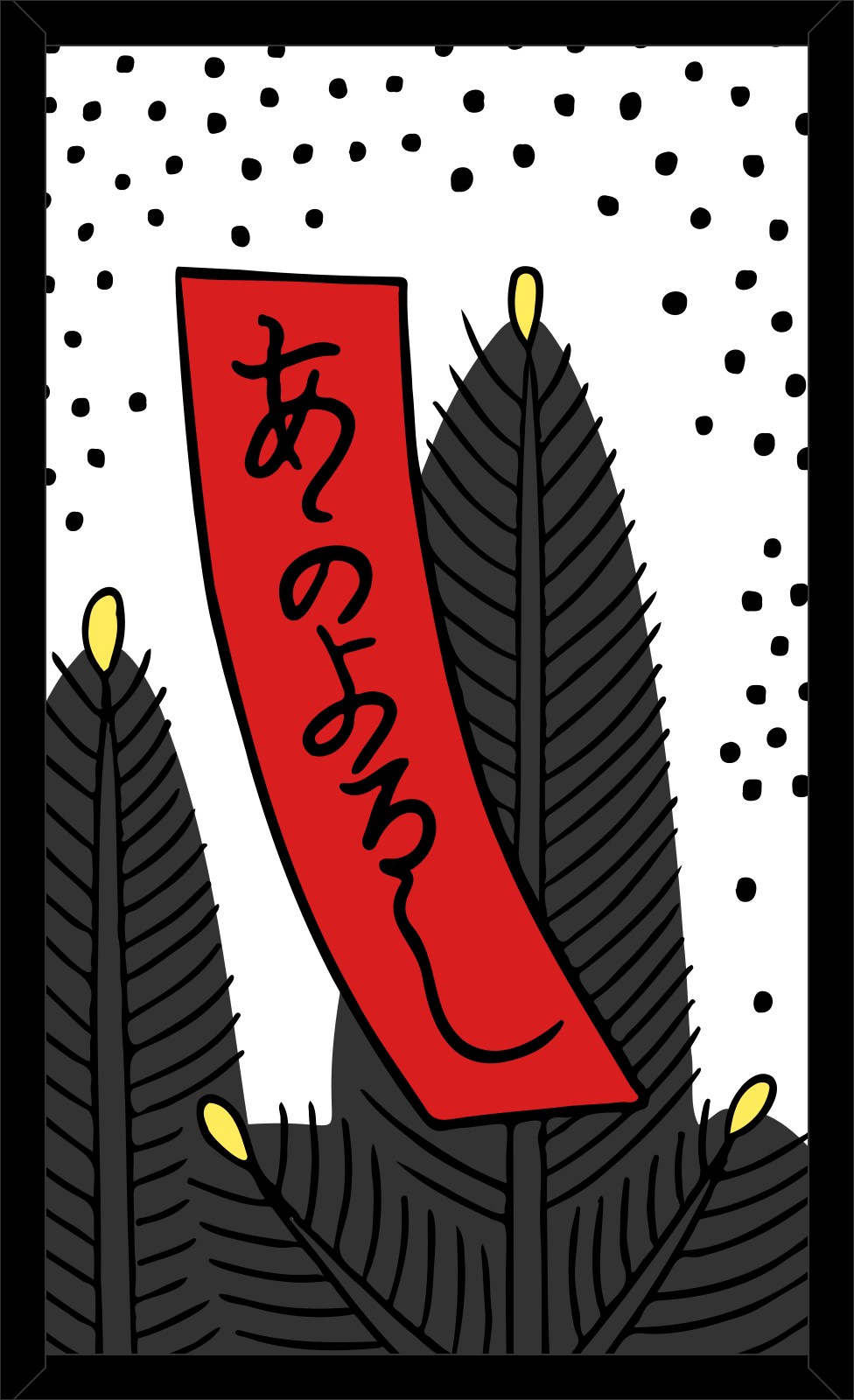
Tanzaku (ribbon)5 ptsRed poem tanzaku 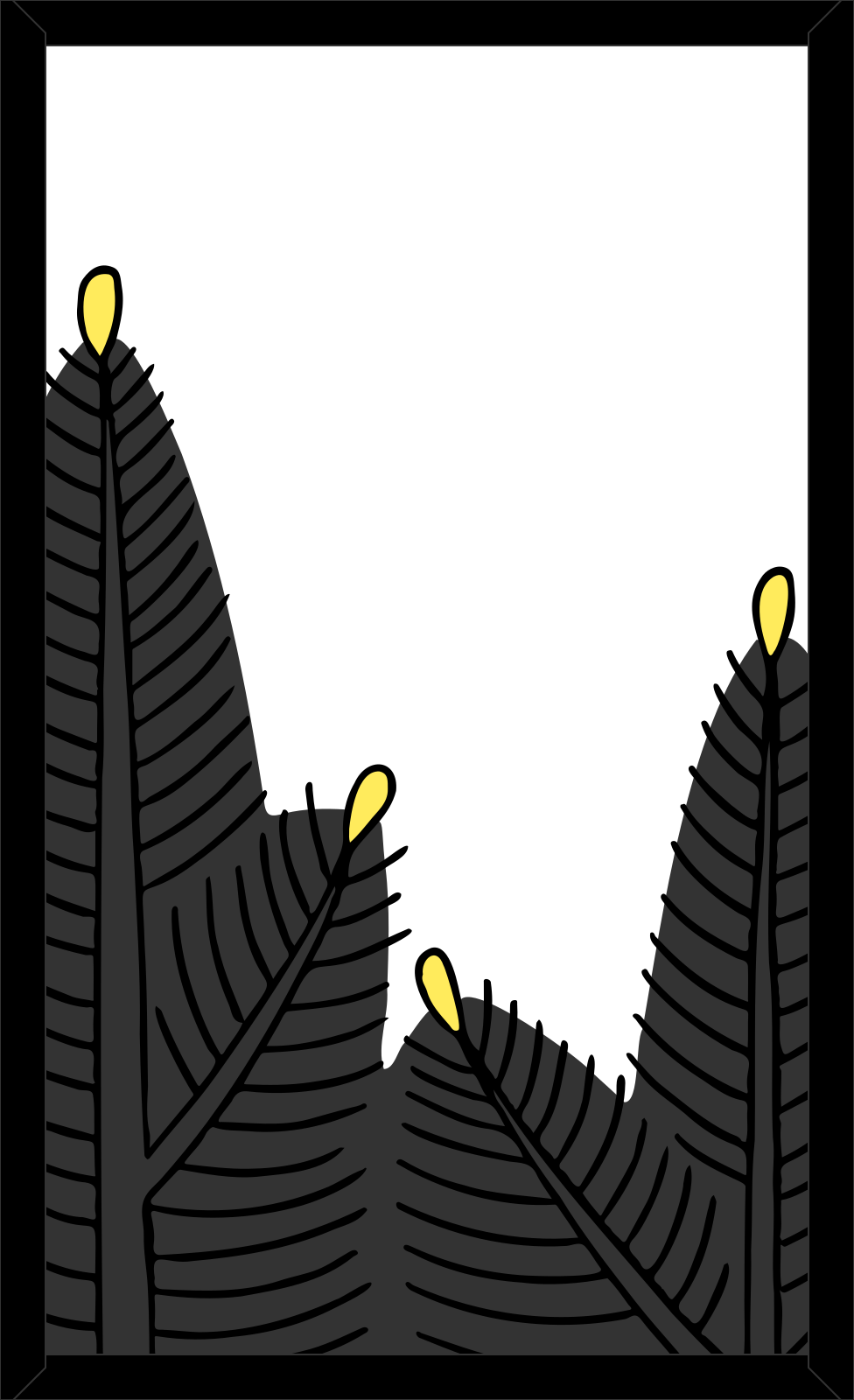
Plain (kasu)1 ptPine plain
How to read the deck
Nothing printed on a hanafuda card says what it is: there are no numbers or suit symbols in the corners. Two things tell you everything. The plant gives the card’s month, and whatever else is drawn with it gives its kind.
Four kinds of card
Lights and tane cards have a large subject, a bird, a beast, the moon or an object. Tanzaku show a coloured paper strip hung in the branches. Plains show the plant and nothing else, with one stormy exception in November.
| Kind | Japanese | Points | Cards | What it shows |
|---|---|---|---|---|
| Light (hikari) | 光札 hikari-fuda | 20 | 5 | Crane, Curtain, Moon, Rain and Phoenix |
| Animal (tane) | タネ札 tane-fuda | 10 | 9 | Seven creatures, the Bridge and the Sake cup |
| Tanzaku (ribbon) | 短冊 tanzaku | 5 | 10 | A paper strip: 3 red with writing, 4 plain red, 3 blue |
| Plain (kasu) | カス札 kasu-fuda | 1 | 24 | The plant alone, and the Lightning |
| All cards | 264 | 48 | Twelve months of four cards |
Twelve months, twelve plants
The month is a card’s suit. Any two cards of the same month match, whatever their kind, so the Crane pairs with a pine plain as readily as two plains do (see matching cards in the rules). The order follows the year: pine at New Year, plum and cherry in spring, wisteria, iris and peony into early summer, then bush clover, pampas grass, chrysanthemum and maple through the autumn, and finally the two odd ones out, willow in the rain and paulownia to close the year.
The mix of kinds follows a pattern worth learning. Nine months have one special card (a light or a tane), one tanzaku and two plains. The exceptions are August, with no tanzaku; November, with one card of each kind; and December, with a light and three plains.
What the points are for
The values come from older games such as hana-awase, where you add up the cards you capture.[2] Across the deck they total 264, and three-player games such as hachi-hachi measure each player’s haul against 88, a third of that.[3] Such scores were also counted in mon (文), after an old coin.
Koi-Koi does not add them up: a card never scores on its own, only the yaku you make with it. In this game’s rules the values matter in one place only, the draw for the first dealer of a practice match: the earlier month deals, and within one month the card worth more. (Online, a coin flip decides.)
Why some flowers are out of season
Hanafuda months follow the old lunisolar calendar, kyūreki, which ran about a month behind today’s. That is why July’s bush clover already stands for autumn, and why the Chrysanthemum Festival of the ninth month fell in late September or October by today’s calendar.[10] Two suits never fit, even so: willow, swallow and frog are spring images, and paulownia flowers in early summer. One theory holds that the order was inherited from the older mekuri cards that came before hanafuda.[3] The history of hanafuda tells that story.
The deck at a glance
One row per month. Each name jumps to its card below.
| Month | Light (20) | Tane (10) | Tanzaku (5) | Plains (1) |
|---|---|---|---|---|
| January · Pine | Crane | none | Poem tanzaku | 2 |
| February · Plum | none | Nightingale | Poem tanzaku | 2 |
| March · Cherry | Curtain | none | Poem tanzaku | 2 |
| April · Wisteria | none | Cuckoo | Red tanzaku | 2 |
| May · Iris | none | Bridge | Red tanzaku | 2 |
| June · Peony | none | Butterflies | Blue tanzaku | 2 |
| July · Lespedeza | none | Boar | Red tanzaku | 2 |
| August · Pampas | Moon | Geese | none | 2 |
| September · Chrysanthemum | none | Sake cup | Blue tanzaku | 2 |
| October · Maple | none | Deer | Blue tanzaku | 2 |
| November · Willow | Rain | Swallow | Red tanzaku | 1 (Lightning) |
| December · Paulownia | Phoenix | none | none | 3 |
January: Pine
1月 · old name 睦月 mutsuki · flower 松 matsu
The tree of the New Year. Pine kadomatsu stand at the gate to welcome the year’s god, and pine, crane and rising sun together make an auspicious picture of long life.
Crane松に鶴 matsu ni tsuruLight (hikari) · 20 ptsYaku: Five Lights (Gokō), Four Lights (Shikō), Rain Four Lights (Ame Shikō), Three Lights (Sankō) Red poem tanzaku松に赤短 matsu ni akatanTanzaku (ribbon) · 5 ptsYaku: Red & Blue Tanzaku (Akatan Aotan no Chōfuku), Red Poem Tanzaku (Akatan), Tanzaku (Tan), Blue Tanzaku +1 Pine plain松のカス matsu no kasuPlain (kasu) · 1 ptYaku: Plains (Kasu) 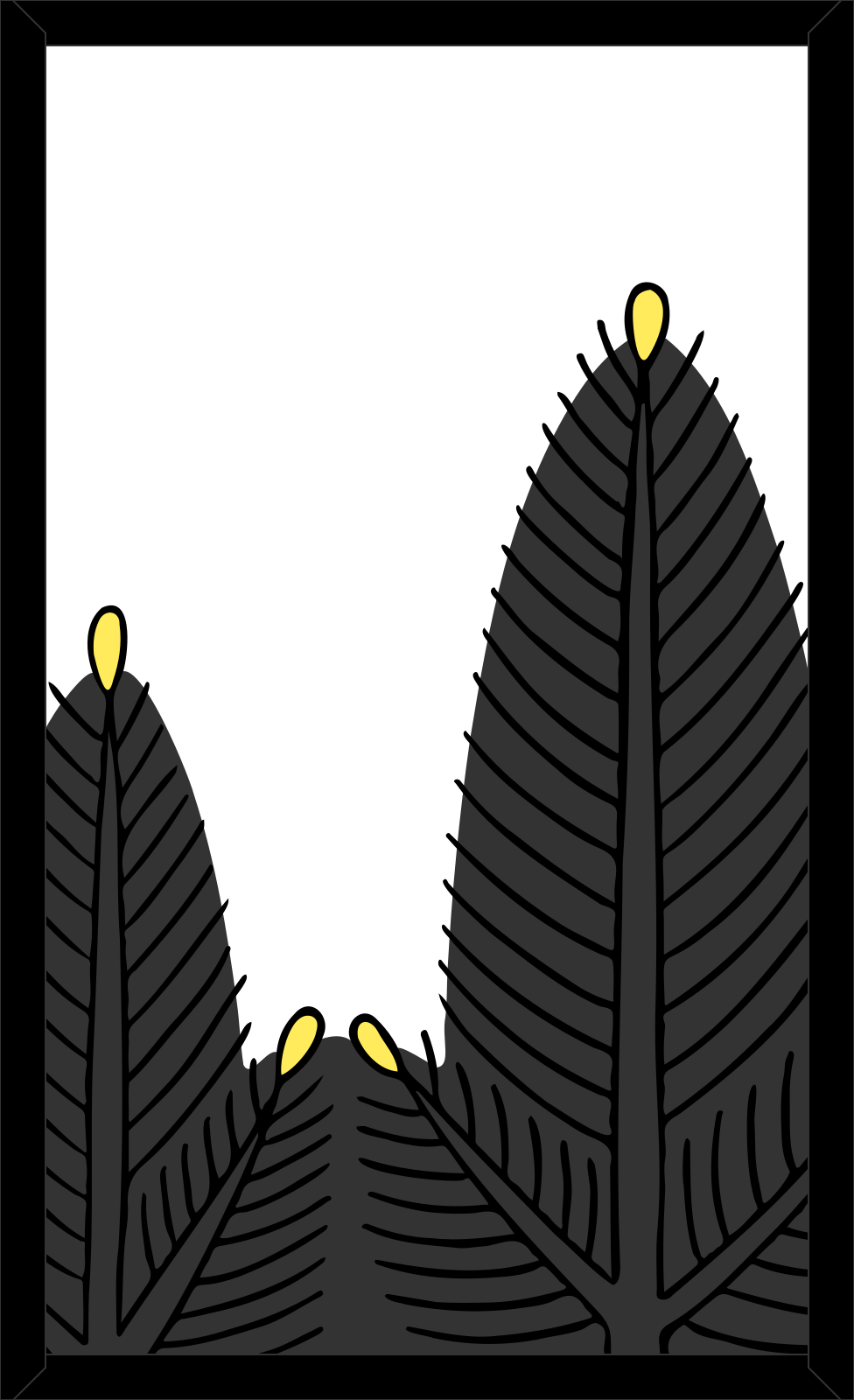
Pine plain松のカス matsu no kasuPlain (kasu) · 1 ptYaku: Plains (Kasu)
- Crane: A red-crowned crane stands among the pines under a huge red sun. Pine and crane are paired emblems of long life, a motif taken from Chinese painting, and the sun recalls the first sunrise of the year.
- Red poem tanzaku: The strip reads akayoroshi (あかよろし). Its second letter is an old cursive form of か that looks like の, so it is often misread as “ano yoroshi”. The phrase is usually explained as “truly excellent”, though some card historians read it simply as naming the red ribbon.[8]
February: Plum
2月 · old name 如月 kisaragi · flower 梅 ume
The first blossom of the year, opening in the late-winter cold and loved in poetry long before the cherry.
Nightingale梅に鶯 ume ni uguisuAnimal (tane) · 10 ptsYaku: Animals (Tane), Boar, Deer, Butterflies +1 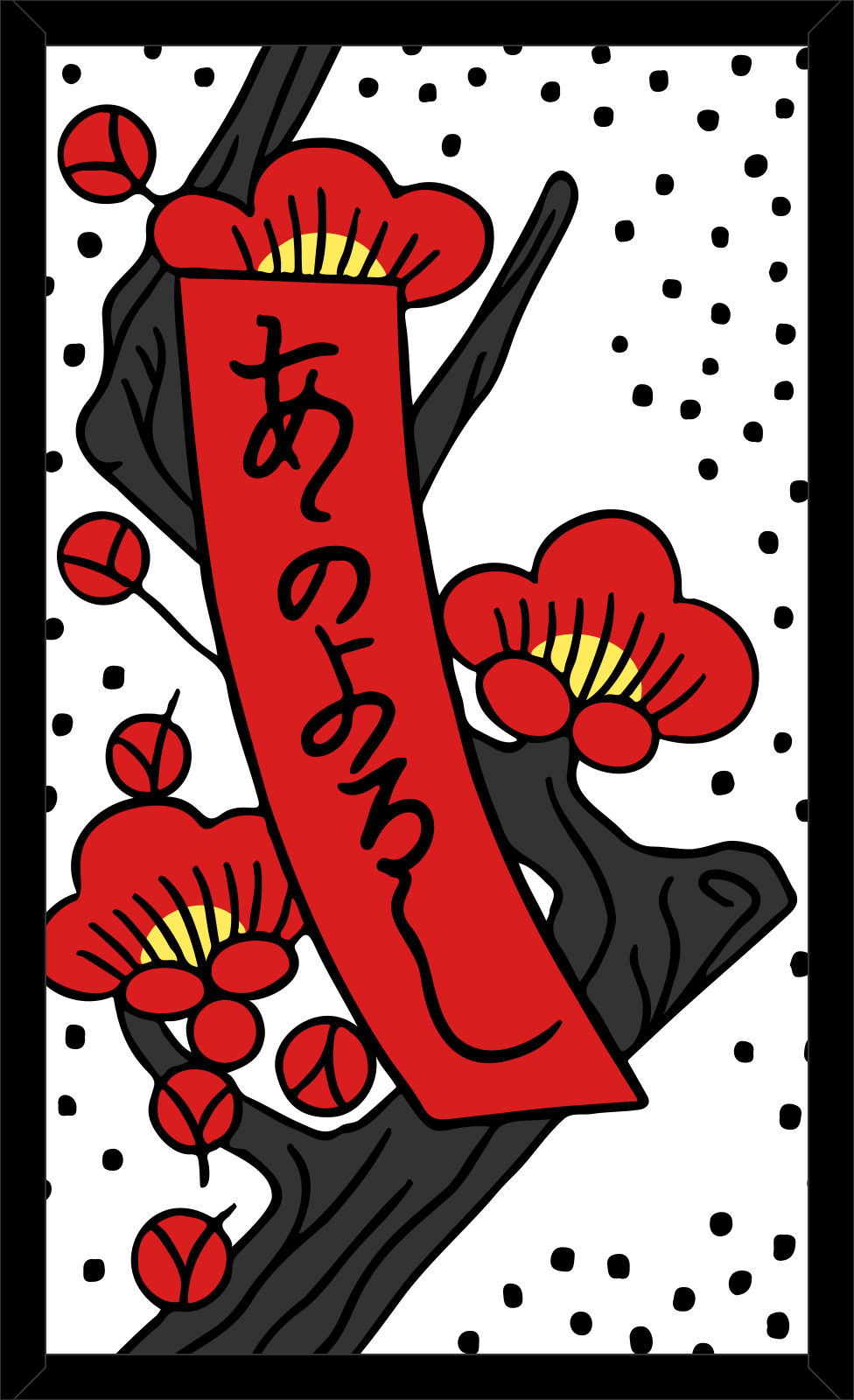
Red poem tanzaku梅に赤短 ume ni akatanTanzaku (ribbon) · 5 ptsYaku: Red & Blue Tanzaku (Akatan Aotan no Chōfuku), Red Poem Tanzaku (Akatan), Tanzaku (Tan), Blue Tanzaku +1 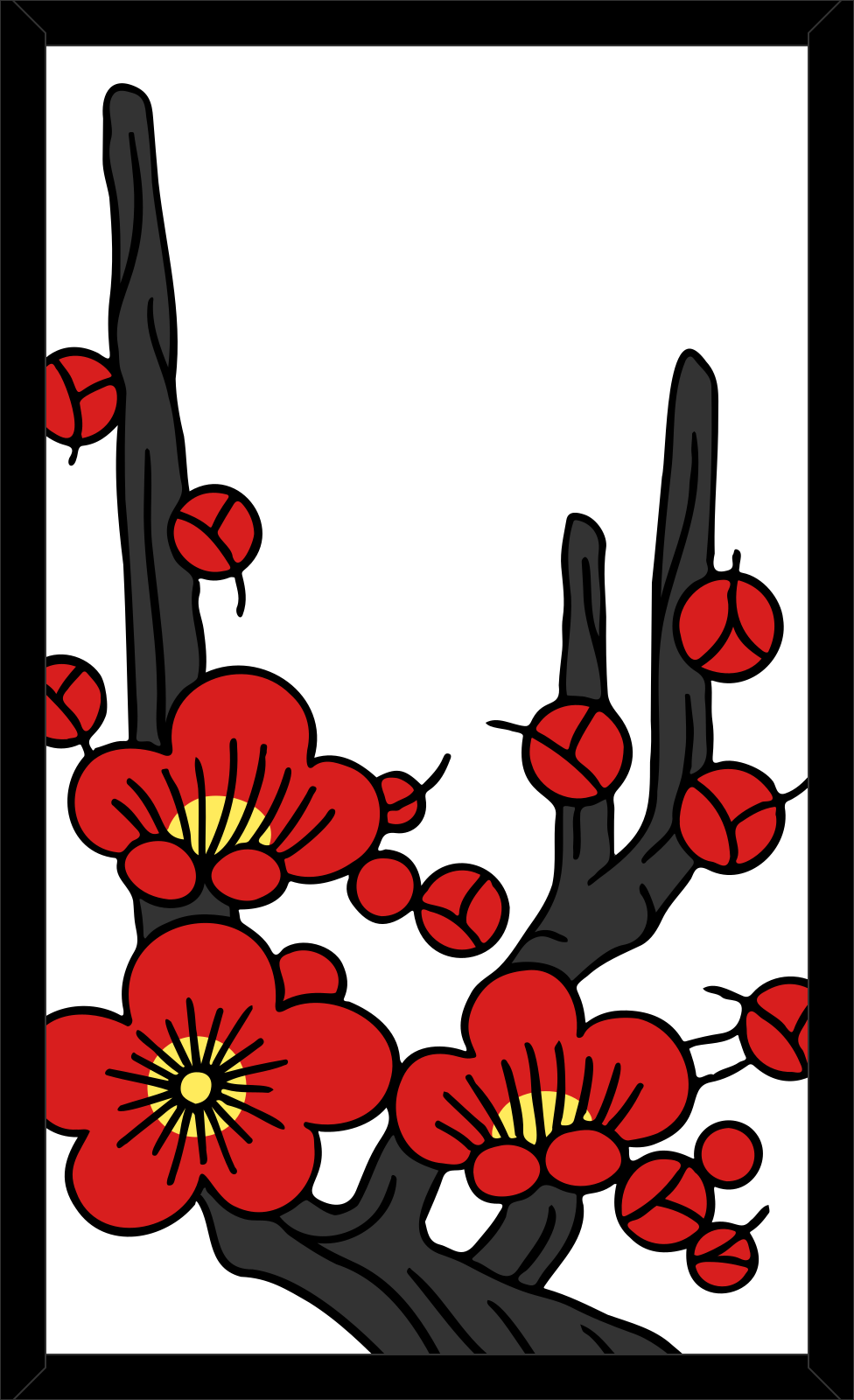
Plum plain梅のカス ume no kasuPlain (kasu) · 1 ptYaku: Plains (Kasu) 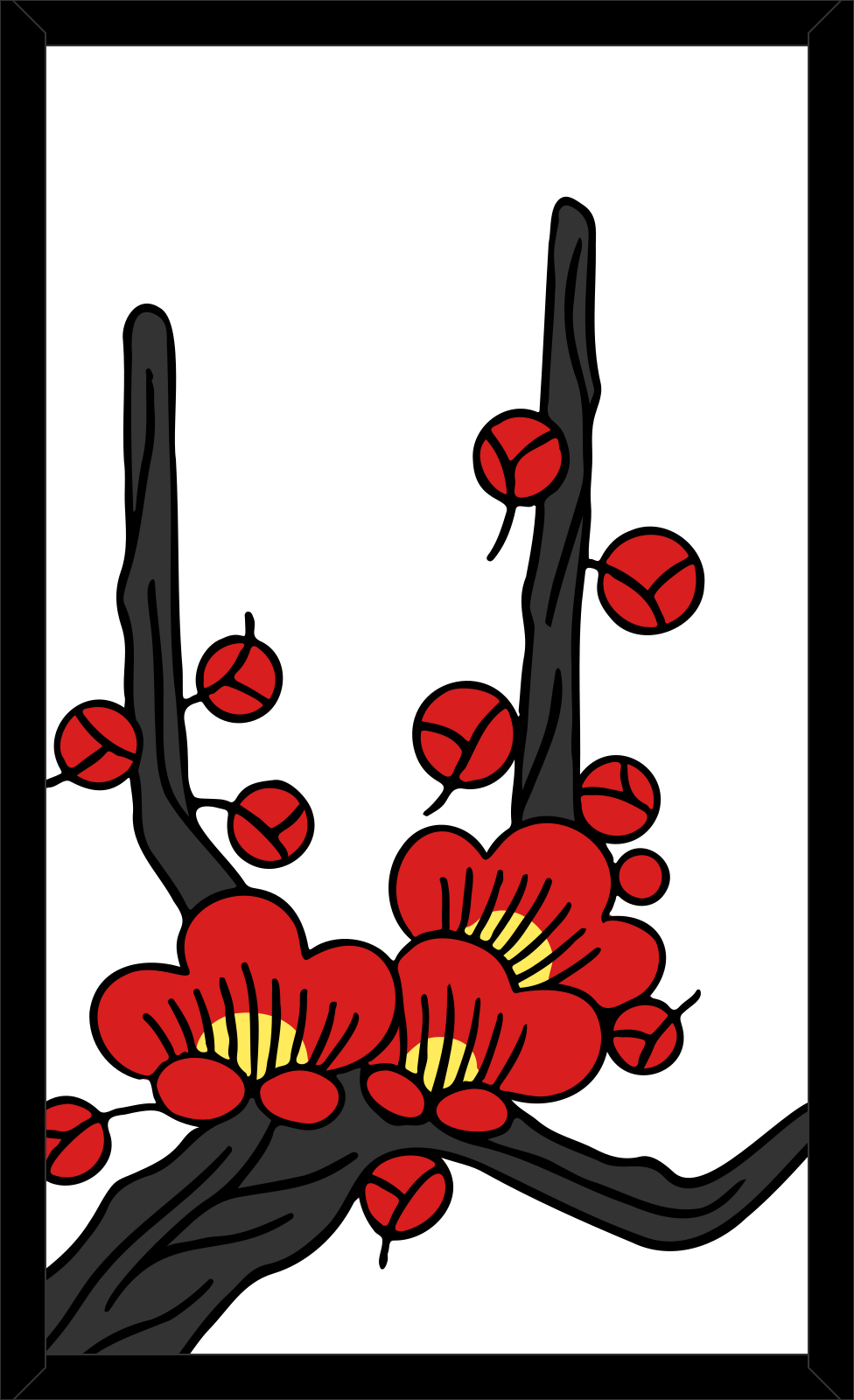
Plum plain梅のカス ume no kasuPlain (kasu) · 1 ptYaku: Plains (Kasu)
- Nightingale: The bird is an uguisu, the Japanese bush warbler, which this game calls the Nightingale. It is the “bird that announces spring”, and “plum and warbler” is a byword for a perfect pair. Its bright green is closer to a white-eye (mejiro) than to the olive-brown real warbler.[7]
- Red poem tanzaku: The second akayoroshi strip. With the pine and cherry strips it makes Akatan.
March: Cherry
3月 · old name 弥生 yayoi · flower 桜 sakura
Blossom-viewing season, hanami: picnics and parties under the cherry trees, often screened off with a striped curtain.
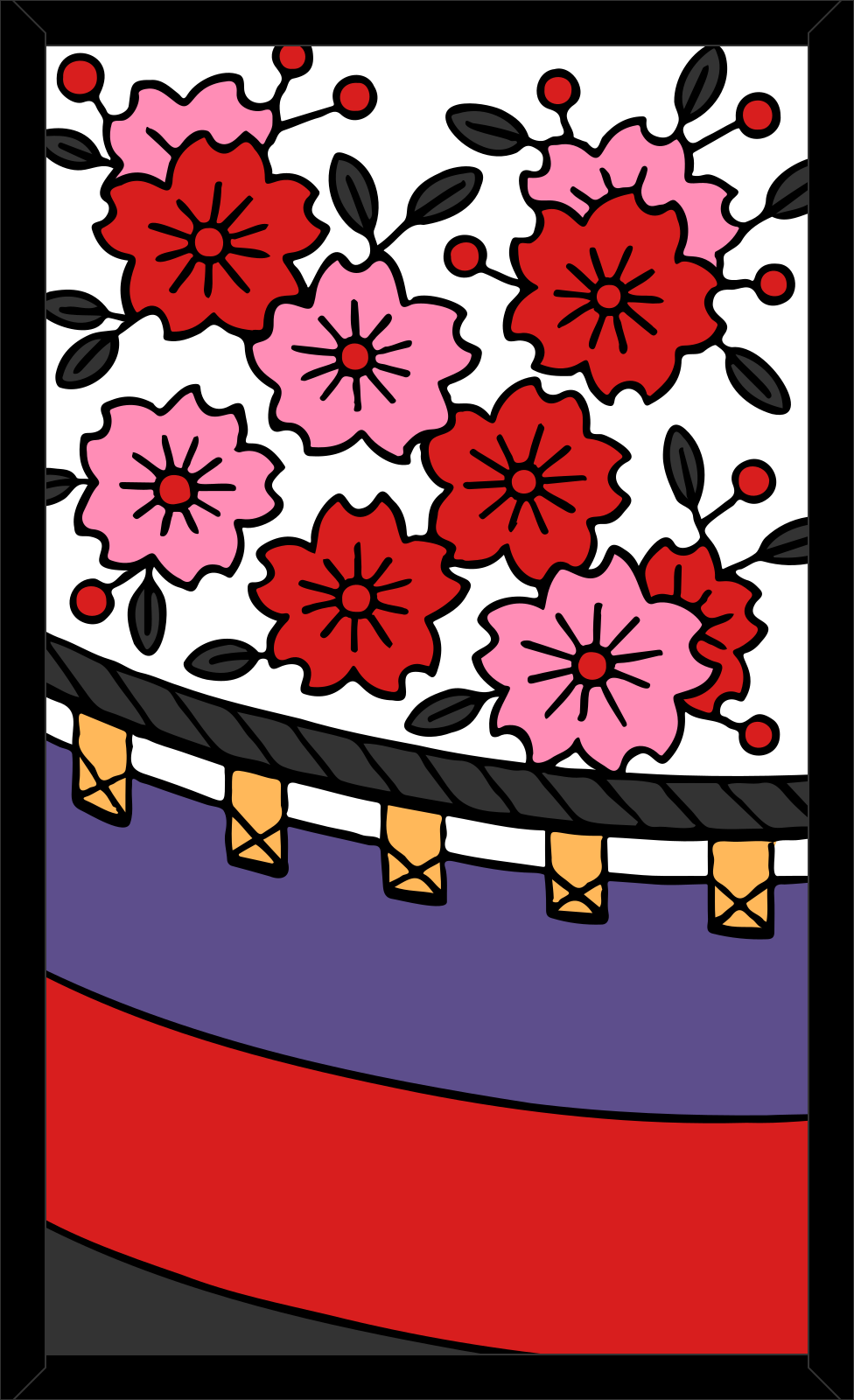
Curtain桜に幕 sakura ni makuLight (hikari) · 20 ptsYaku: Five Lights (Gokō), Four Lights (Shikō), Rain Four Lights (Ame Shikō), Three Lights (Sankō), Flower Viewing (Hanami de ippai) 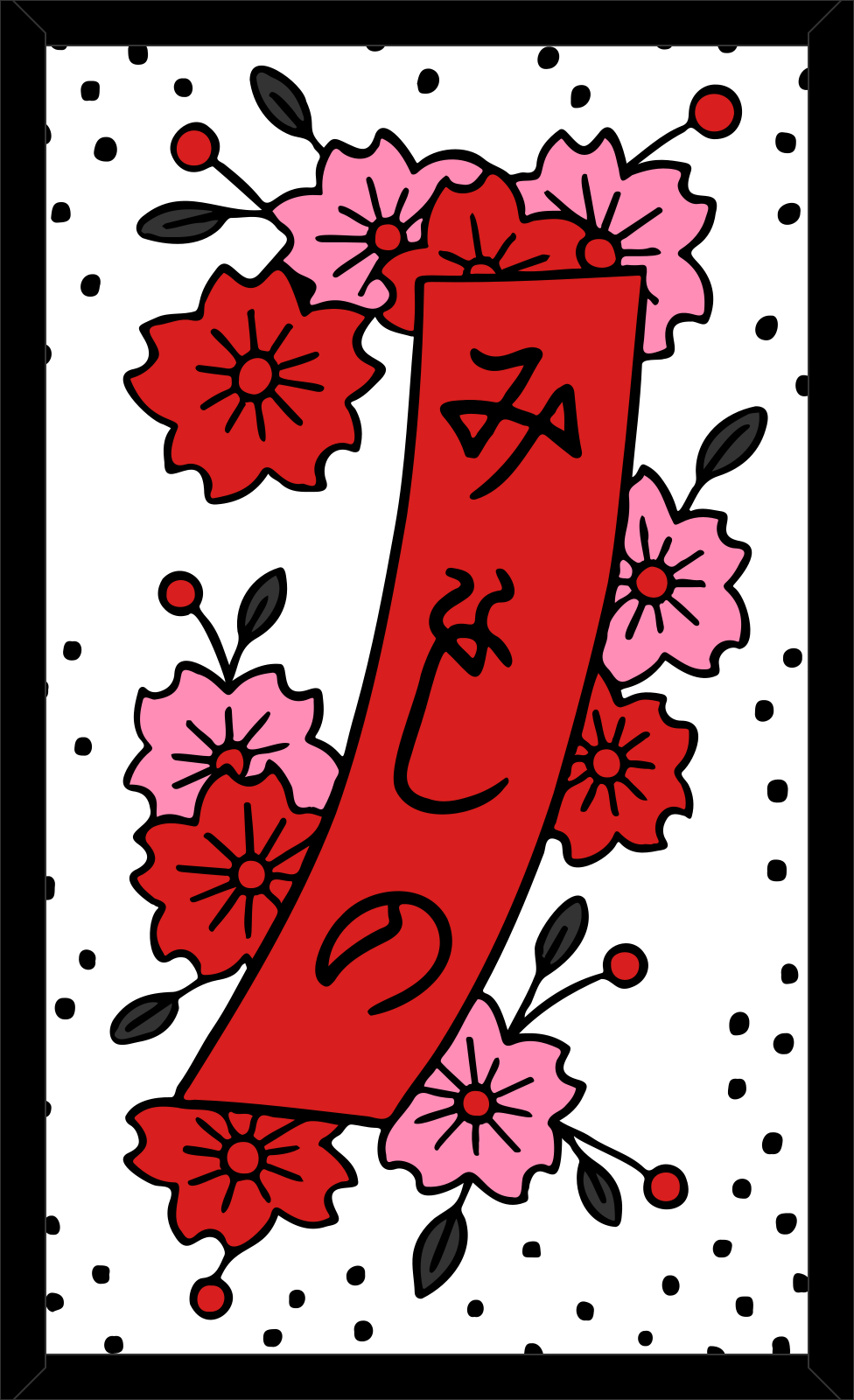
Red poem tanzaku桜に赤短 sakura ni akatanTanzaku (ribbon) · 5 ptsYaku: Red & Blue Tanzaku (Akatan Aotan no Chōfuku), Red Poem Tanzaku (Akatan), Tanzaku (Tan), Blue Tanzaku +1 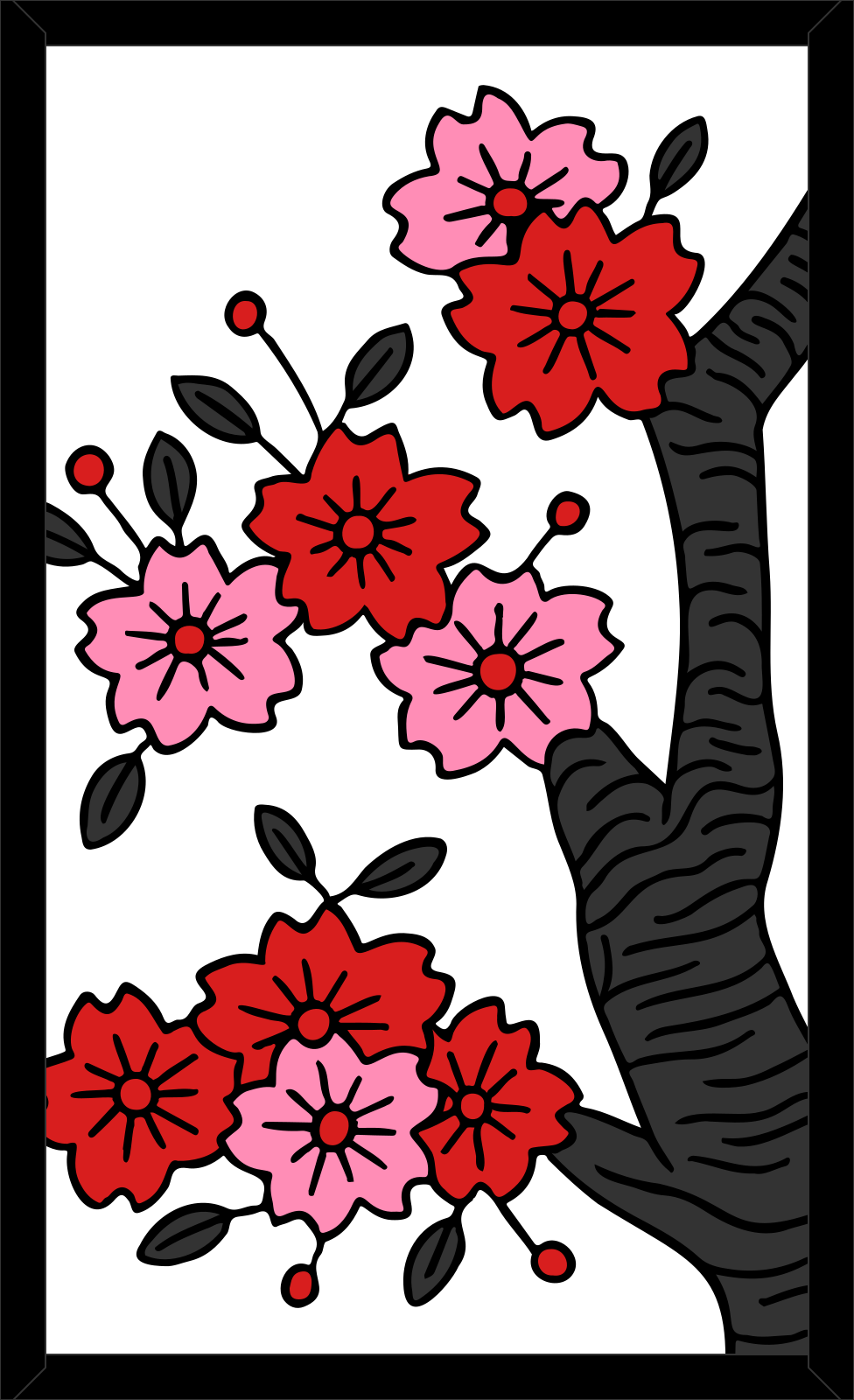
Cherry plain桜のカス sakura no kasuPlain (kasu) · 1 ptYaku: Plains (Kasu) 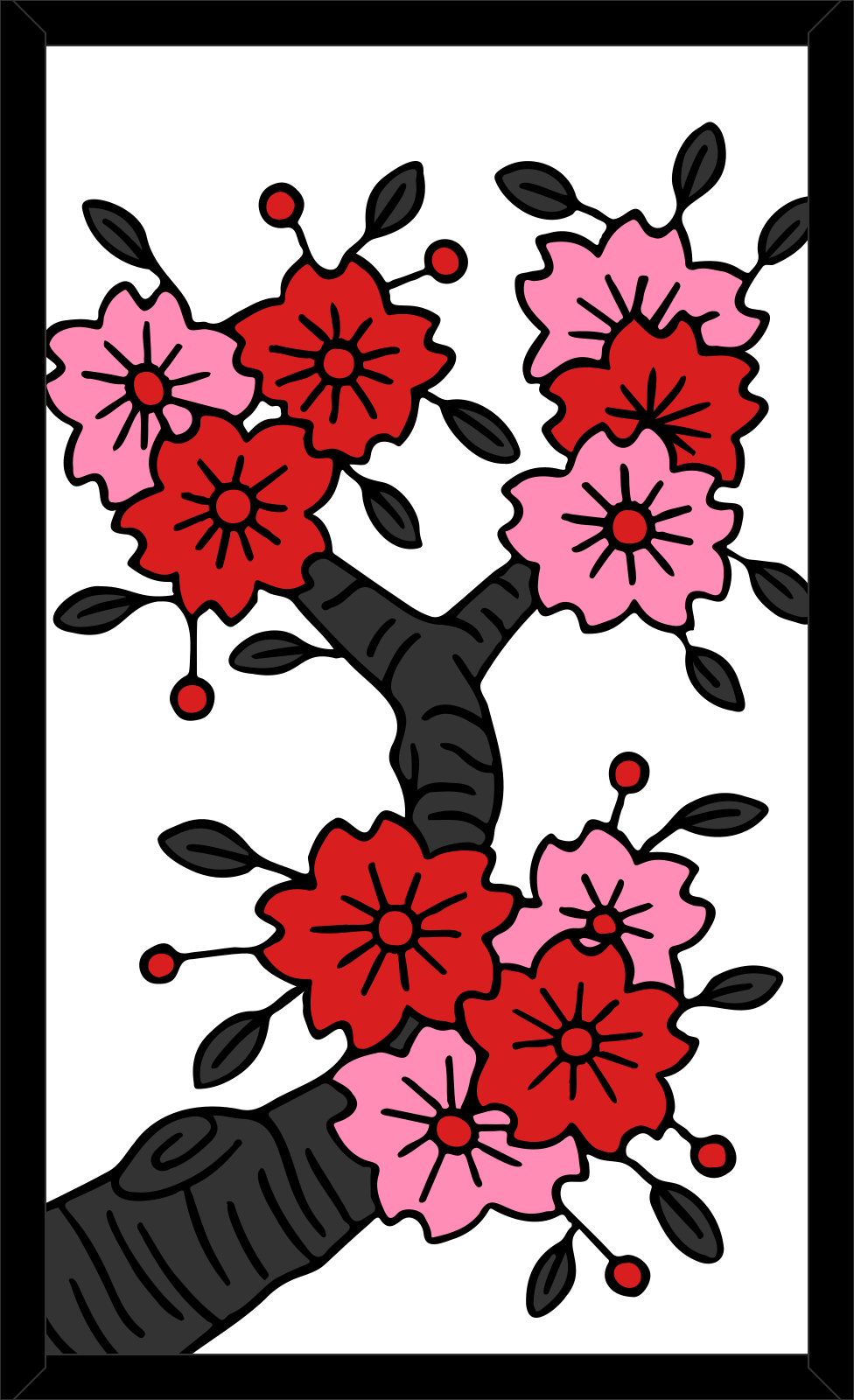
Cherry plain桜のカス sakura no kasuPlain (kasu) · 1 ptYaku: Plains (Kasu)
- Curtain: Cherry trees in full bloom above a maku, the curtain that screened off a blossom-viewing party. It is a light, and with the Sake cup it makes Hanami de ippai, “a drink under the blossoms”.
- Red poem tanzaku: This strip reads miyoshino (みよしの), “fair Yoshino”: the hills of Yoshino in Nara, the cherry-blossom place of classical poetry.
April: Wisteria
4月 · old name 卯月 uzuki · flower 藤 fuji
Late spring turning into early summer, when wisteria hangs in long purple sprays and the hototogisu returns to sing.
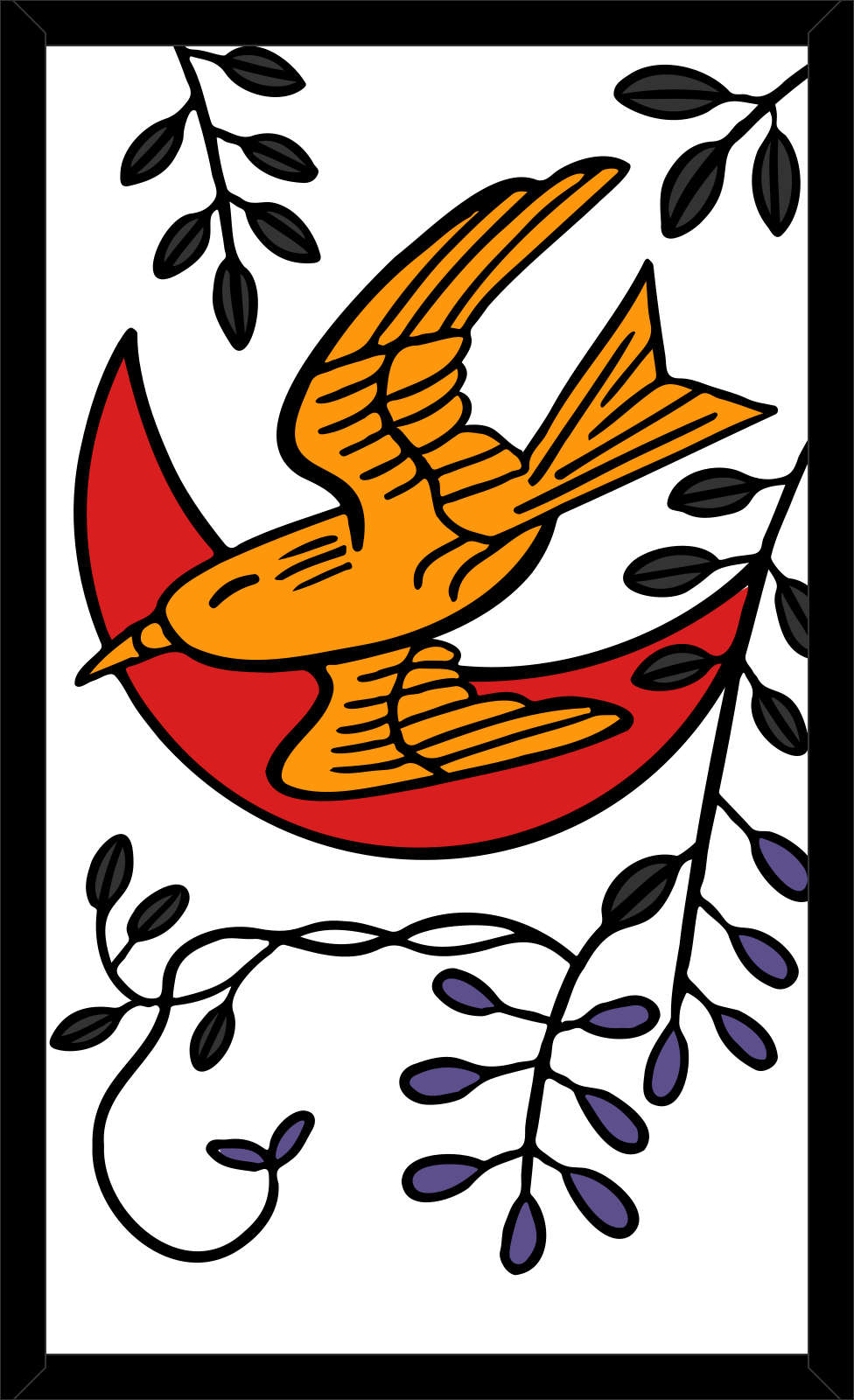
Cuckoo藤に不如帰 fuji ni hototogisuAnimal (tane) · 10 ptsYaku: Animals (Tane), Boar, Deer, Butterflies +1 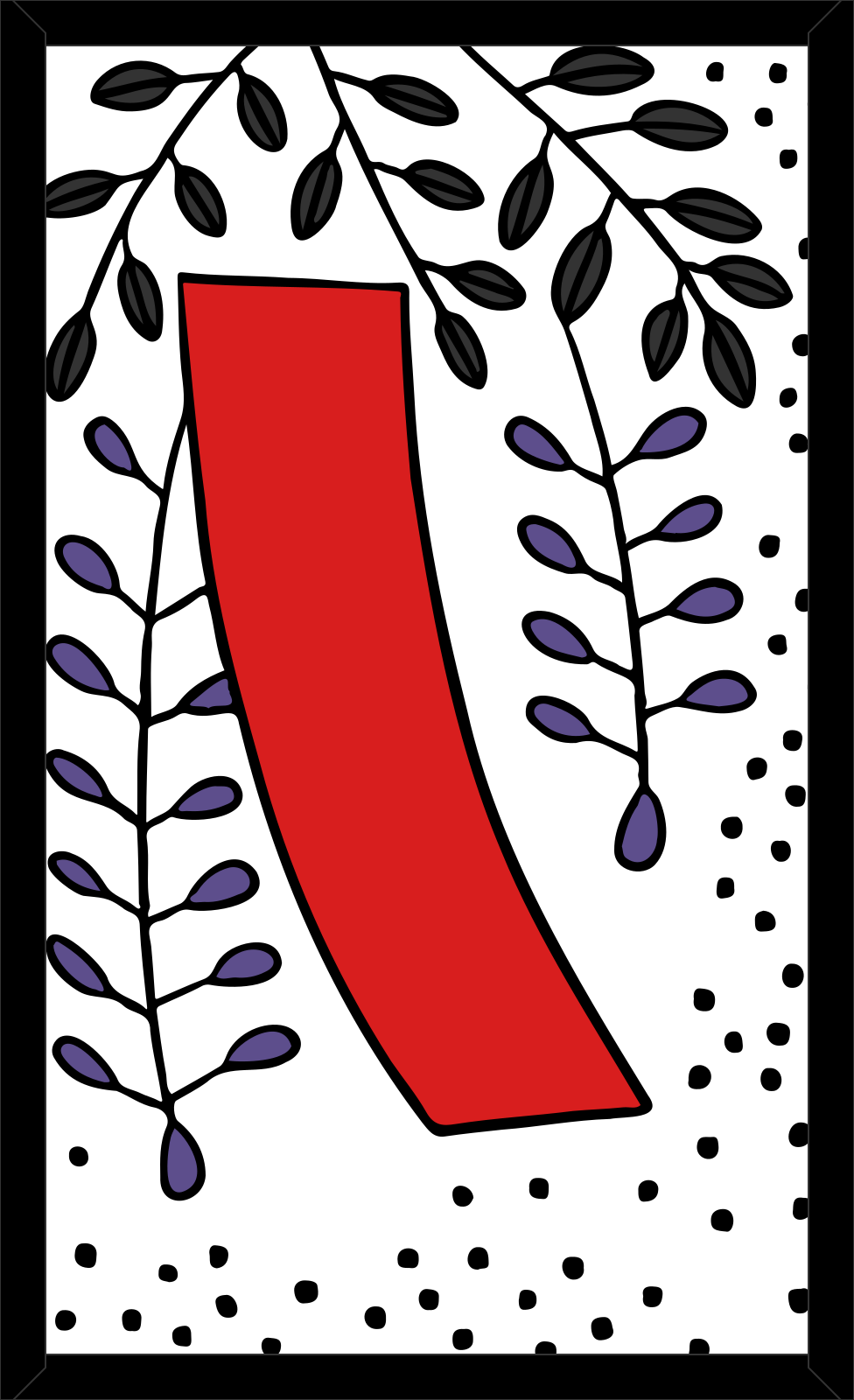
Red tanzaku藤に短冊 fuji ni tanzakuTanzaku (ribbon) · 5 ptsYaku: Tanzaku (Tan), Red & Blue Tanzaku +1, Red Poem Tanzaku +1, Blue Tanzaku +1 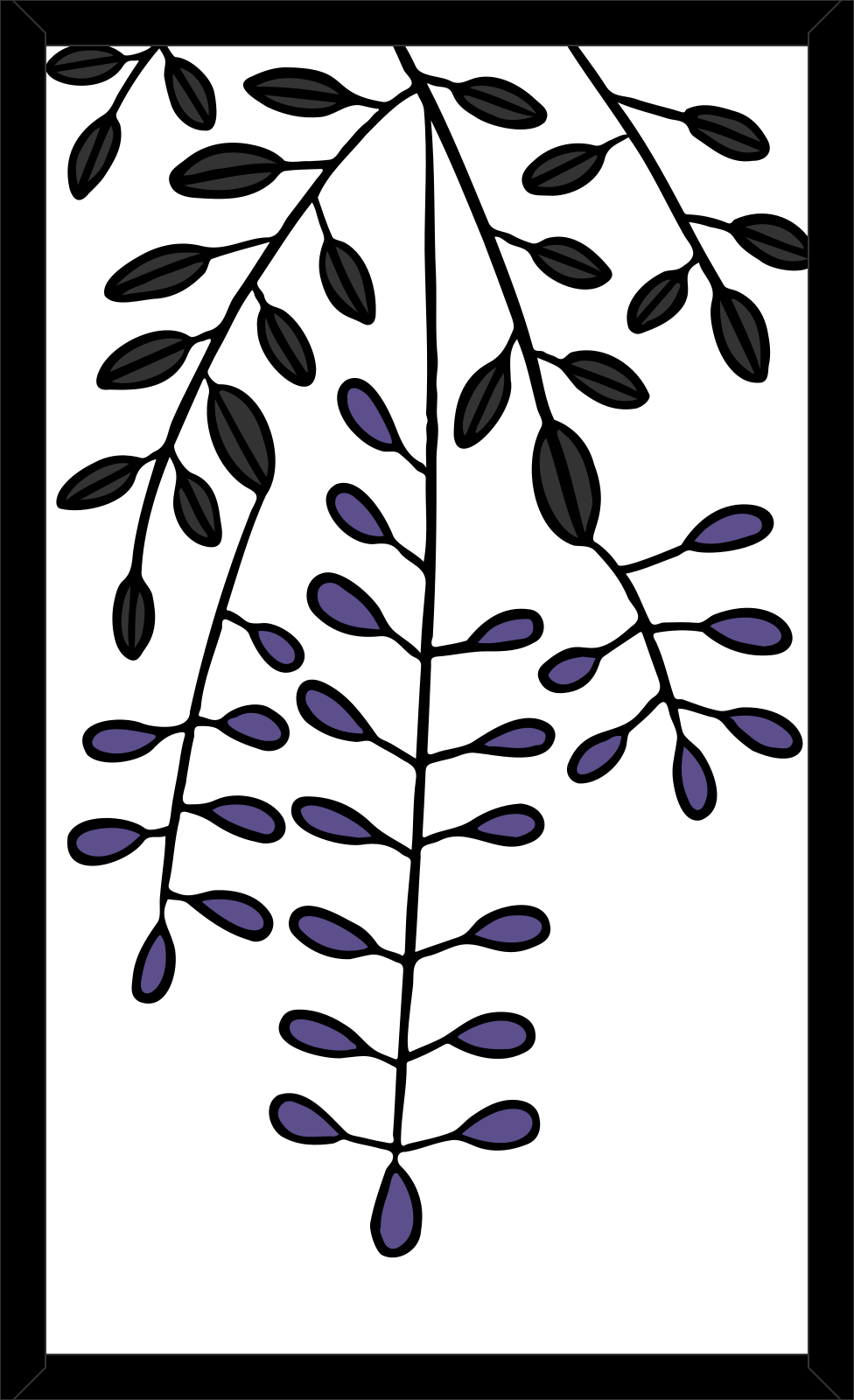
Wisteria plain藤のカス fuji no kasuPlain (kasu) · 1 ptYaku: Plains (Kasu) 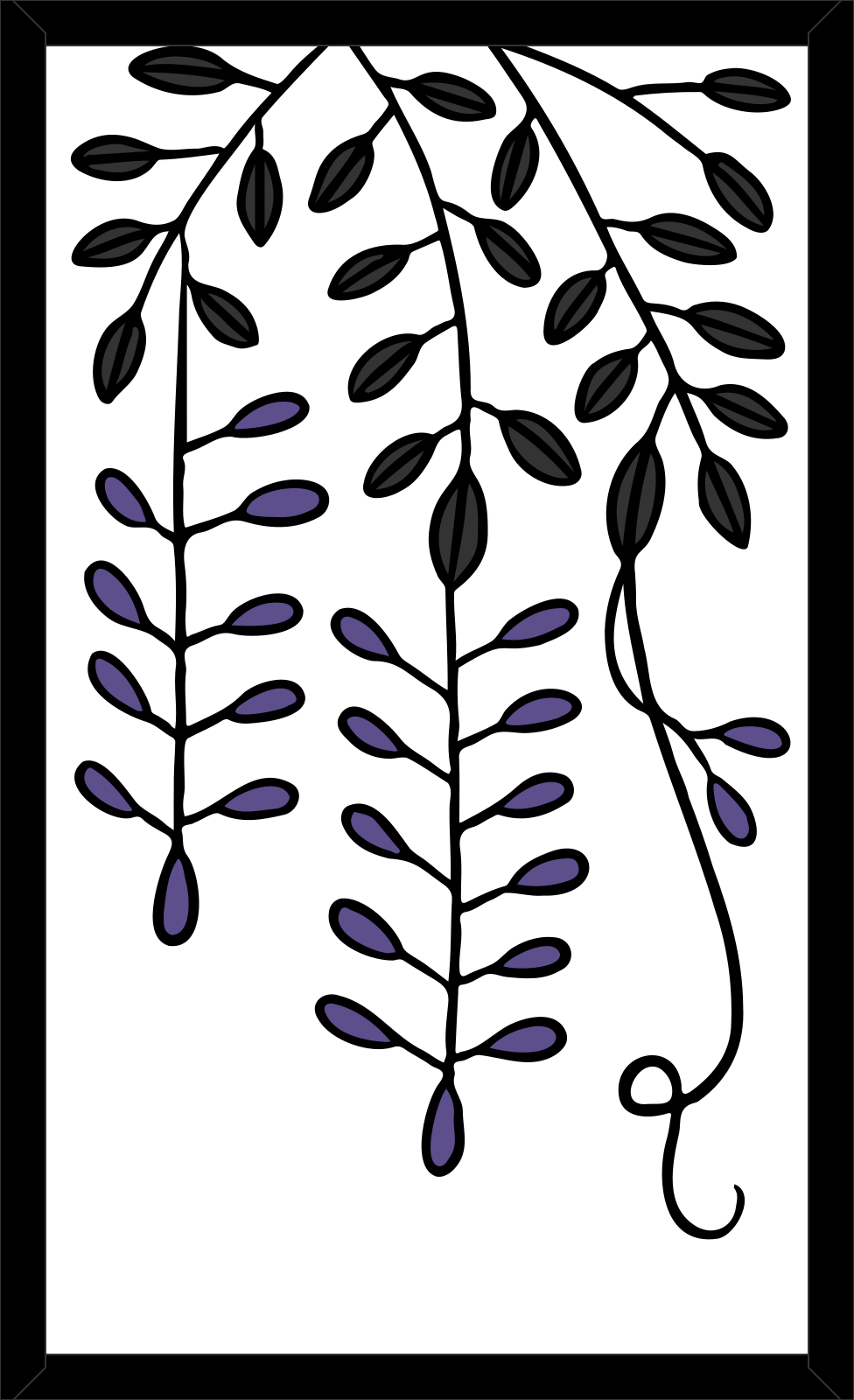
Wisteria plain藤のカス fuji no kasuPlain (kasu) · 1 ptYaku: Plains (Kasu)
- Cuckoo: A lesser cuckoo flies across a red crescent moon. Its first song was awaited as the sign of summer, and the dawn moon is said to echo a classical poem in which only the moon remains where the cuckoo sang.
- Red tanzaku: A plain red strip with no writing: it counts for Tan, not for Akatan.
- Wisteria plains: The dark flower clusters give the suit its nickname kuromame, “black beans”.[5]
May: Iris
5月 · old name 皐月 satsuki · flower 菖蒲 ayame
Irises bloom by the water in early summer. Strictly, the flower on these cards is the rabbit-ear iris, kakitsubata (杜若), though the suit is usually called ayame (菖蒲), as it is in this game.
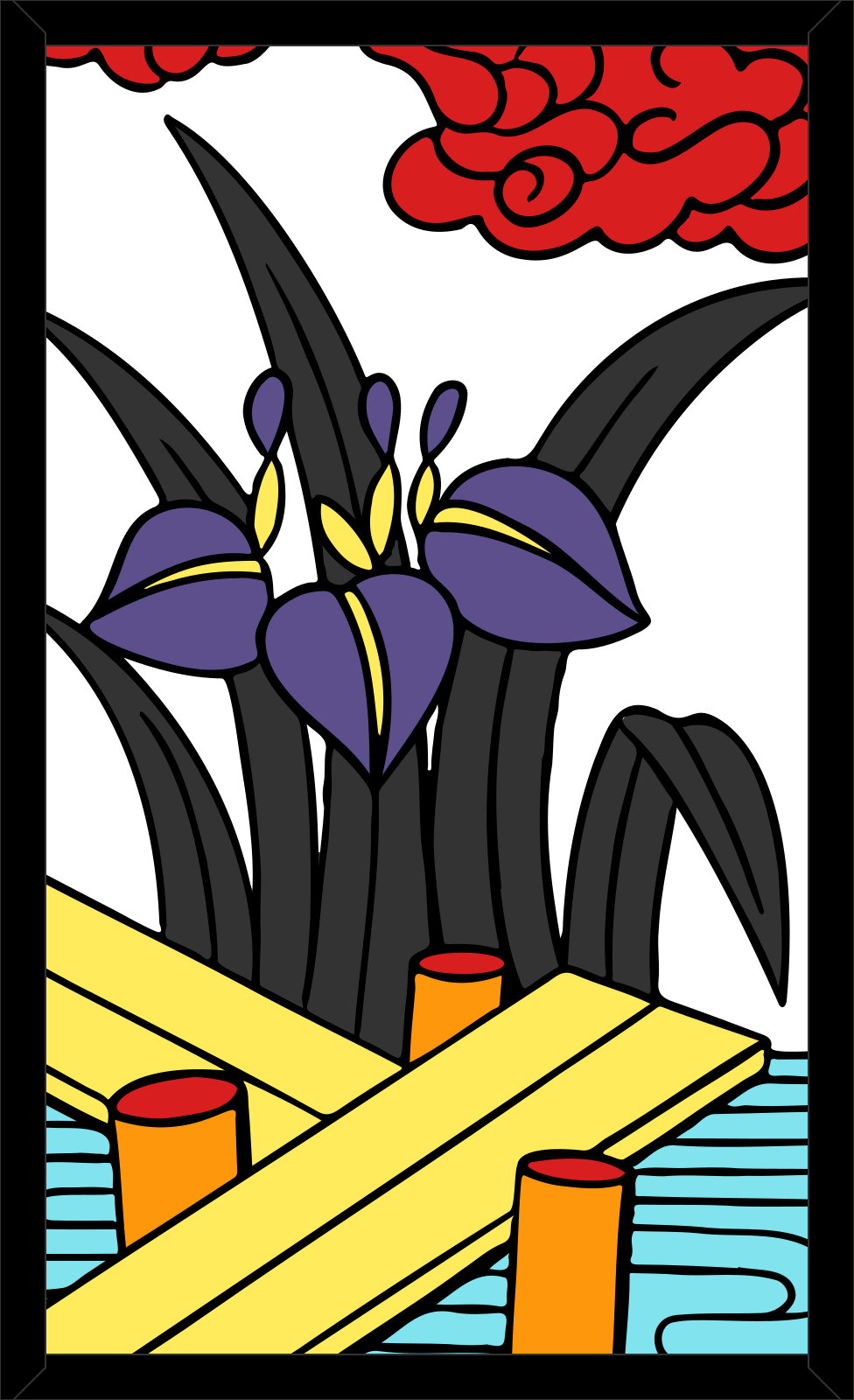
Bridge菖蒲に八橋 ayame ni yatsuhashiAnimal (tane) · 10 ptsYaku: Animals (Tane), Boar, Deer, Butterflies +1 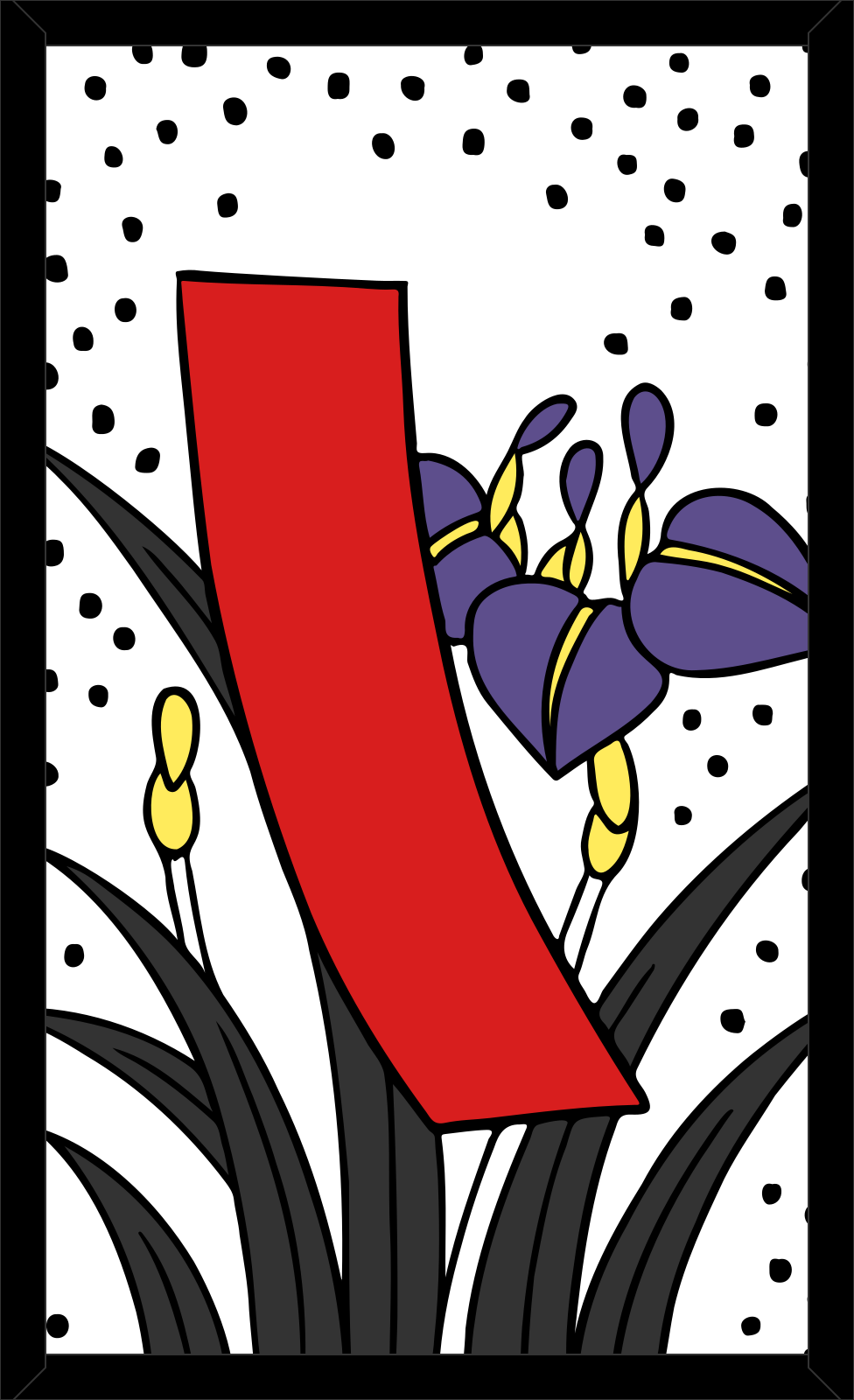
Red tanzaku菖蒲に短冊 ayame ni tanzakuTanzaku (ribbon) · 5 ptsYaku: Tanzaku (Tan), Red & Blue Tanzaku +1, Red Poem Tanzaku +1, Blue Tanzaku +1 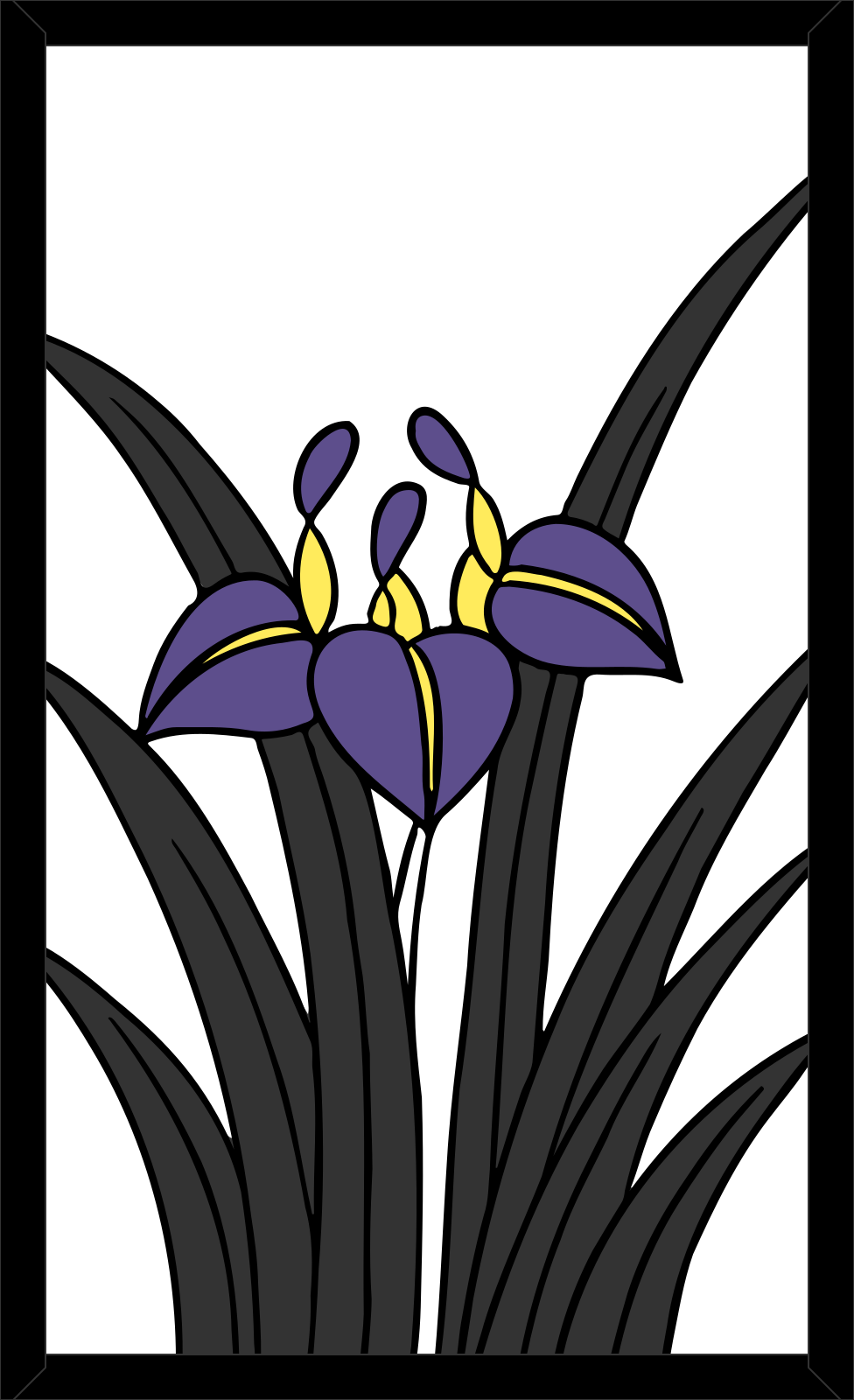
Iris plain菖蒲のカス ayame no kasuPlain (kasu) · 1 ptYaku: Plains (Kasu) 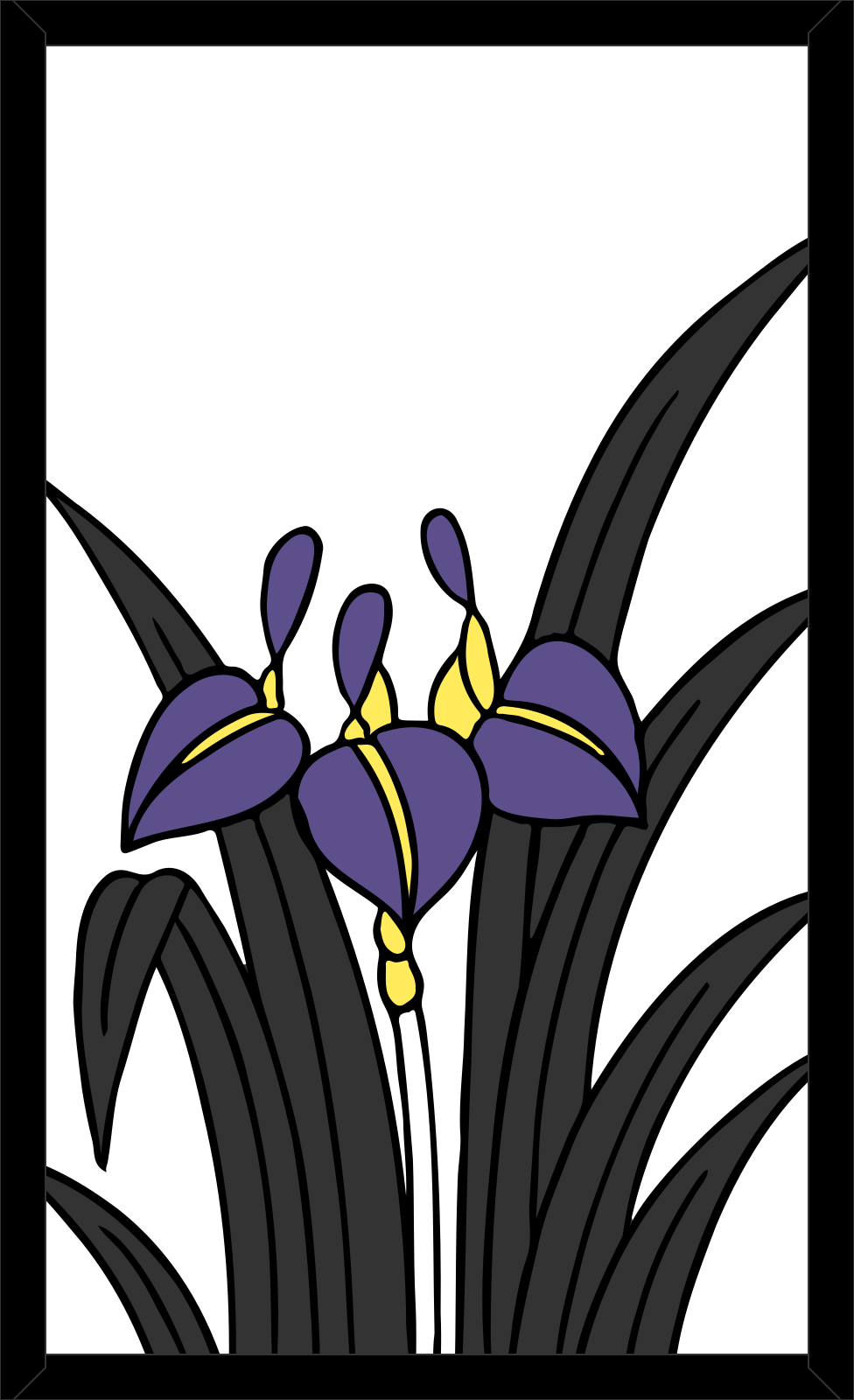
Iris plain菖蒲のカス ayame no kasuPlain (kasu) · 1 ptYaku: Plains (Kasu)
- Bridge: A zig-zag plank bridge over a stream: the “Eight Bridges” of The Tales of Ise, where Ariwara no Narihira wrote a poem whose five lines begin with the syllables ka-ki-tsu-ba-ta.[15] No animal is drawn on it, yet it is a tane card worth 10 points.
June: Peony
6月 · old name 水無月 minazuki · flower 牡丹 botan
The peony, “king of flowers”, blooms in early summer. Peony and butterflies are a picture of wealth and splendour borrowed from Chinese painting.
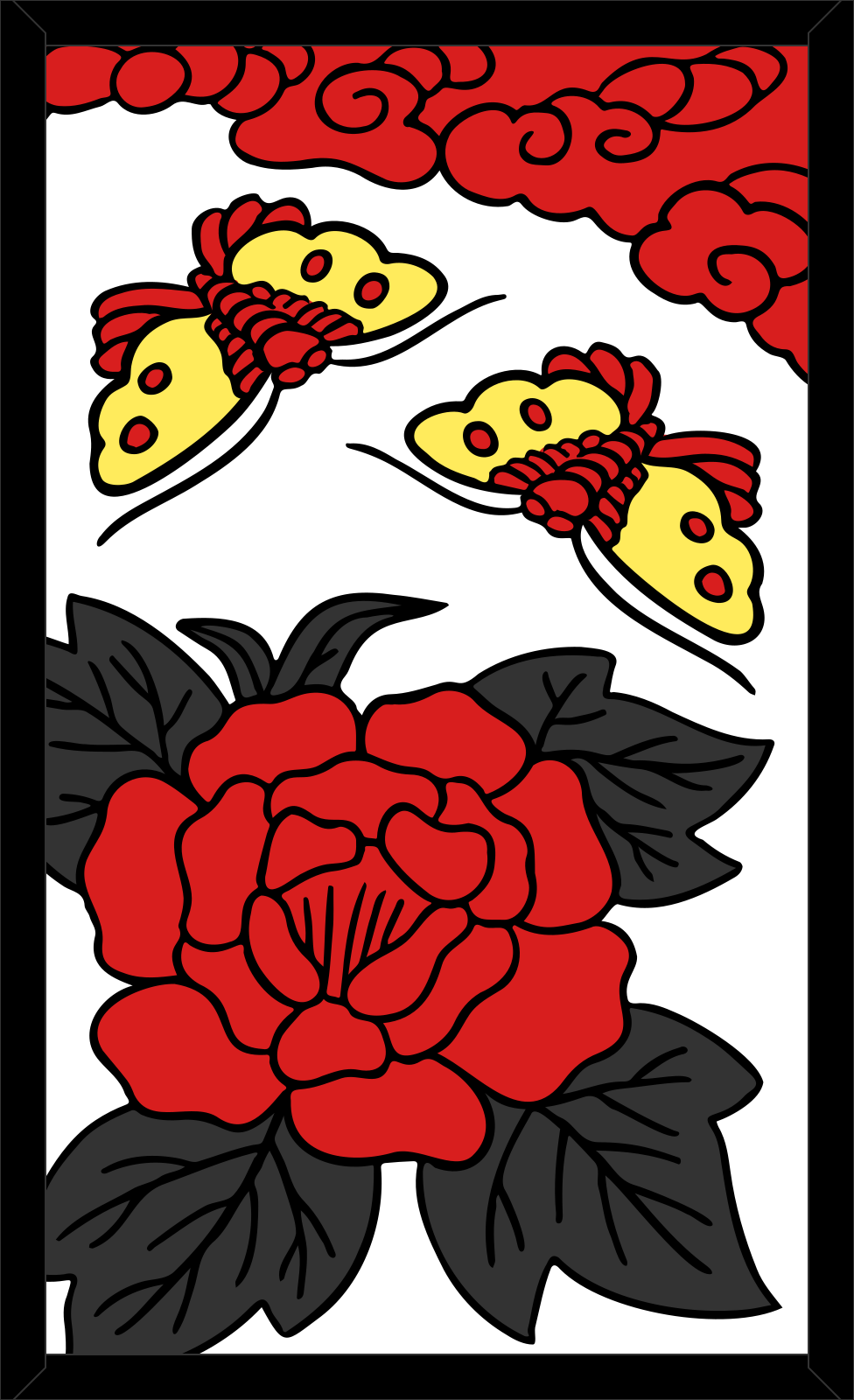
Butterflies牡丹に蝶 botan ni chōAnimal (tane) · 10 ptsYaku: Boar, Deer, Butterflies (Inoshikachō), Animals (Tane) 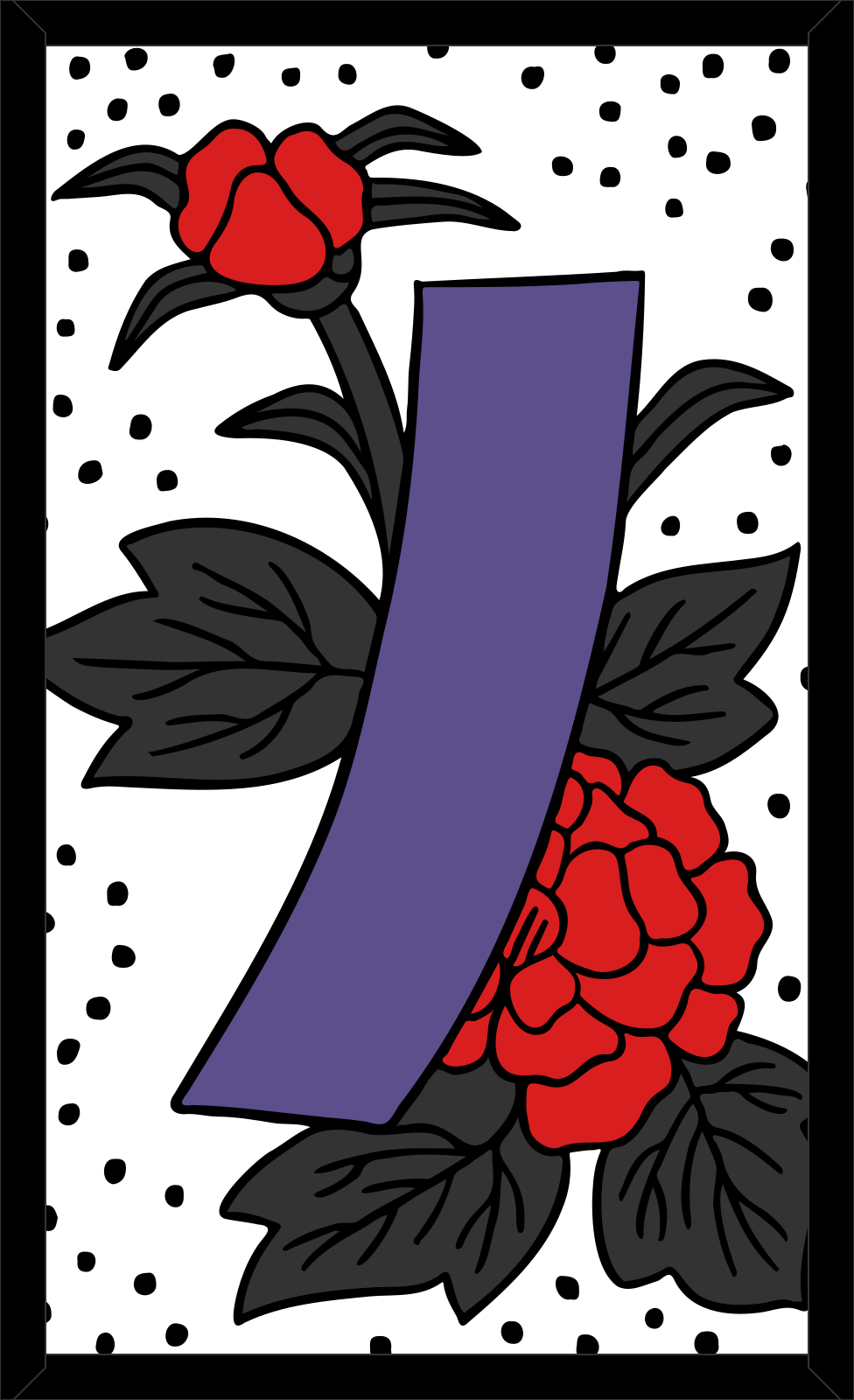
Blue tanzaku牡丹に青短 botan ni aotanTanzaku (ribbon) · 5 ptsYaku: Red & Blue Tanzaku (Akatan Aotan no Chōfuku), Blue Tanzaku (Aotan), Tanzaku (Tan), Red Poem Tanzaku +1 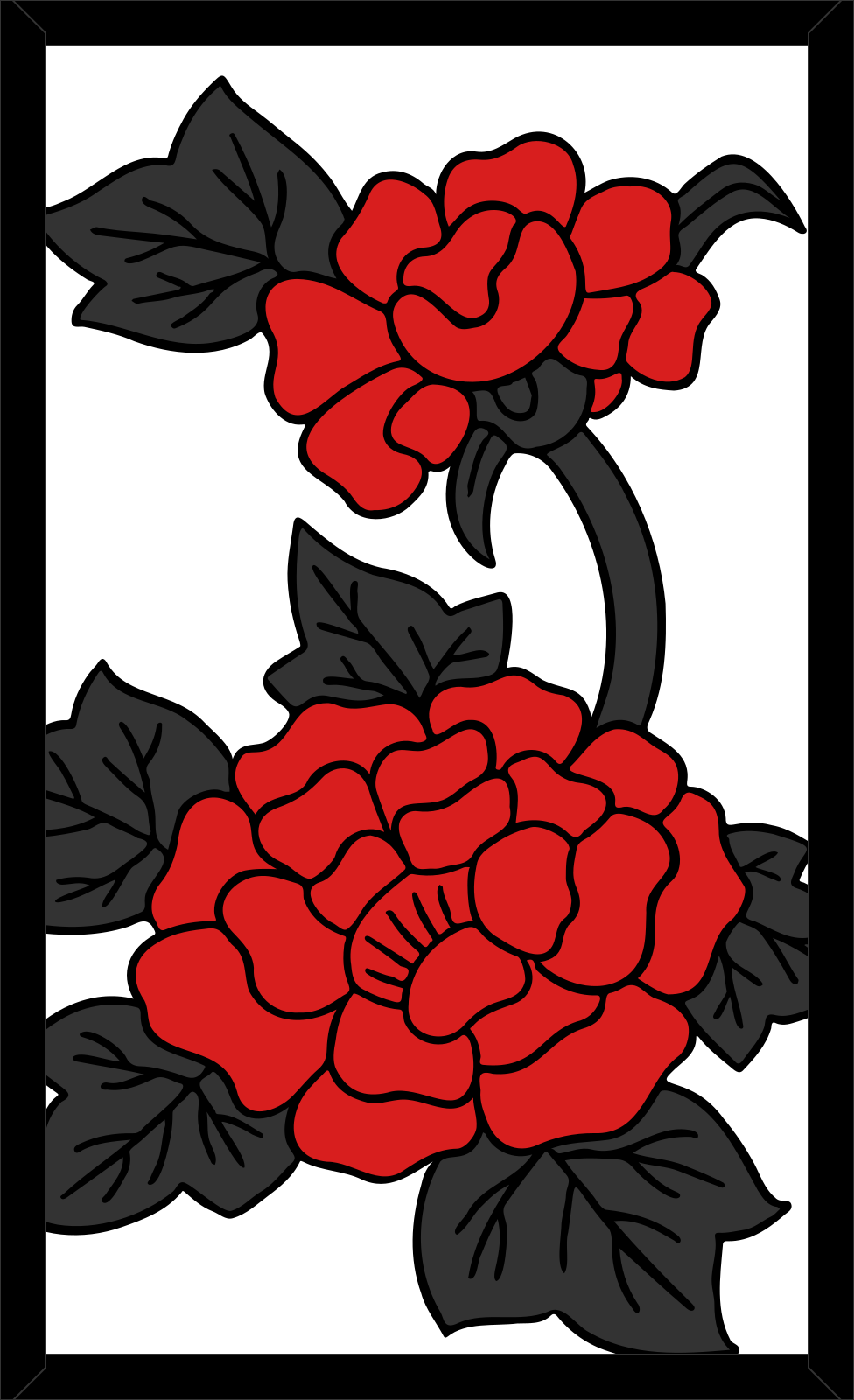
Peony plain牡丹のカス botan no kasuPlain (kasu) · 1 ptYaku: Plains (Kasu) 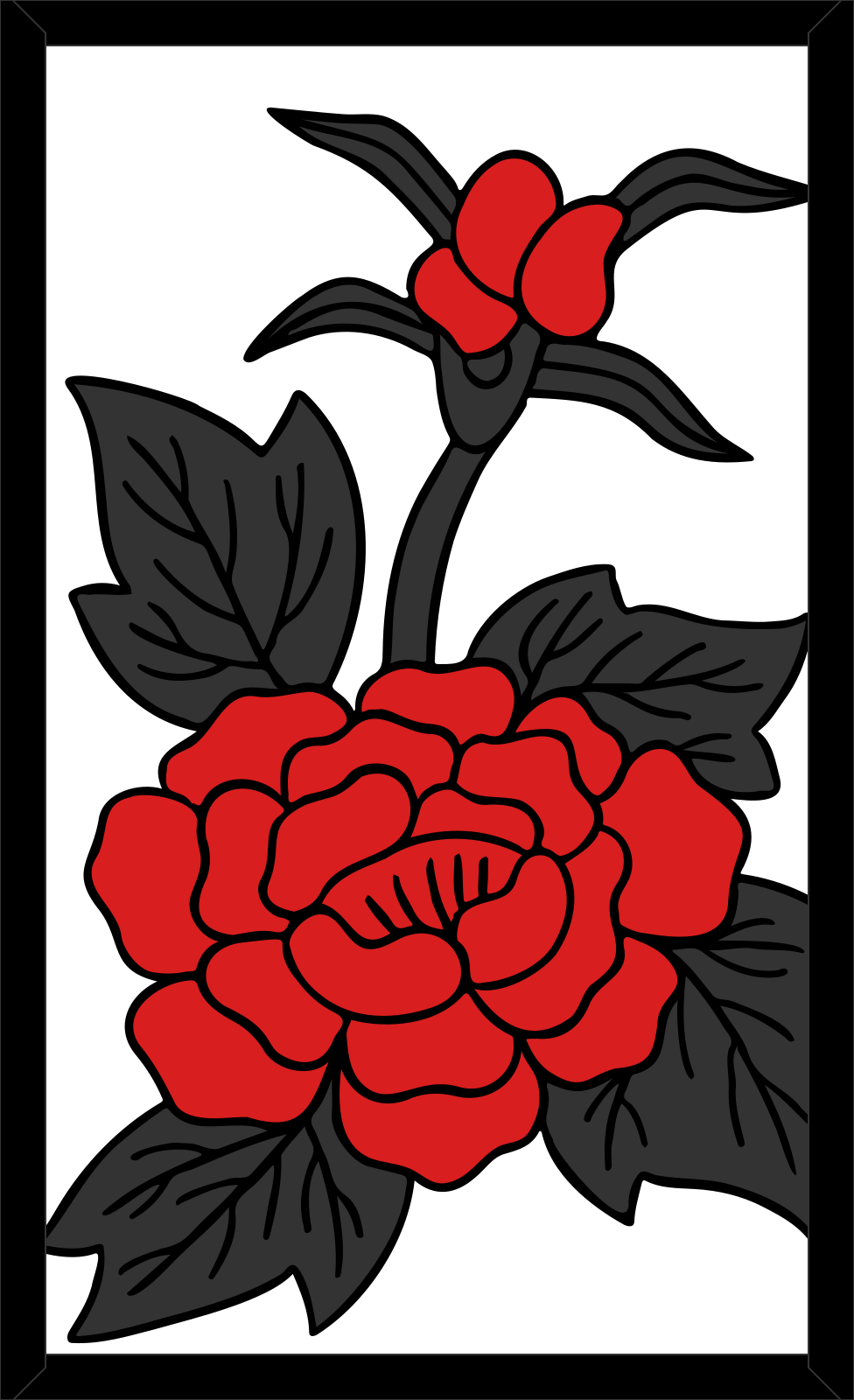
Peony plain牡丹のカス botan no kasuPlain (kasu) · 1 ptYaku: Plains (Kasu)
- Butterflies: Two butterflies over red peonies; creatures that transform, they stood for renewal and long life. One of the three Inoshikachō cards.
- Blue tanzaku: The first of the three blue tanzaku that make Aotan. In this deck the blue strips carry no writing.
July: Lespedeza (bush clover)
7月 · old name 文月 fumizuki · flower 萩 hagi
In the old calendar the seventh month was already autumn, and hagi, bush clover, one of the seven flowers of autumn, marks its start. This game calls it by its botanical name, lespedeza.
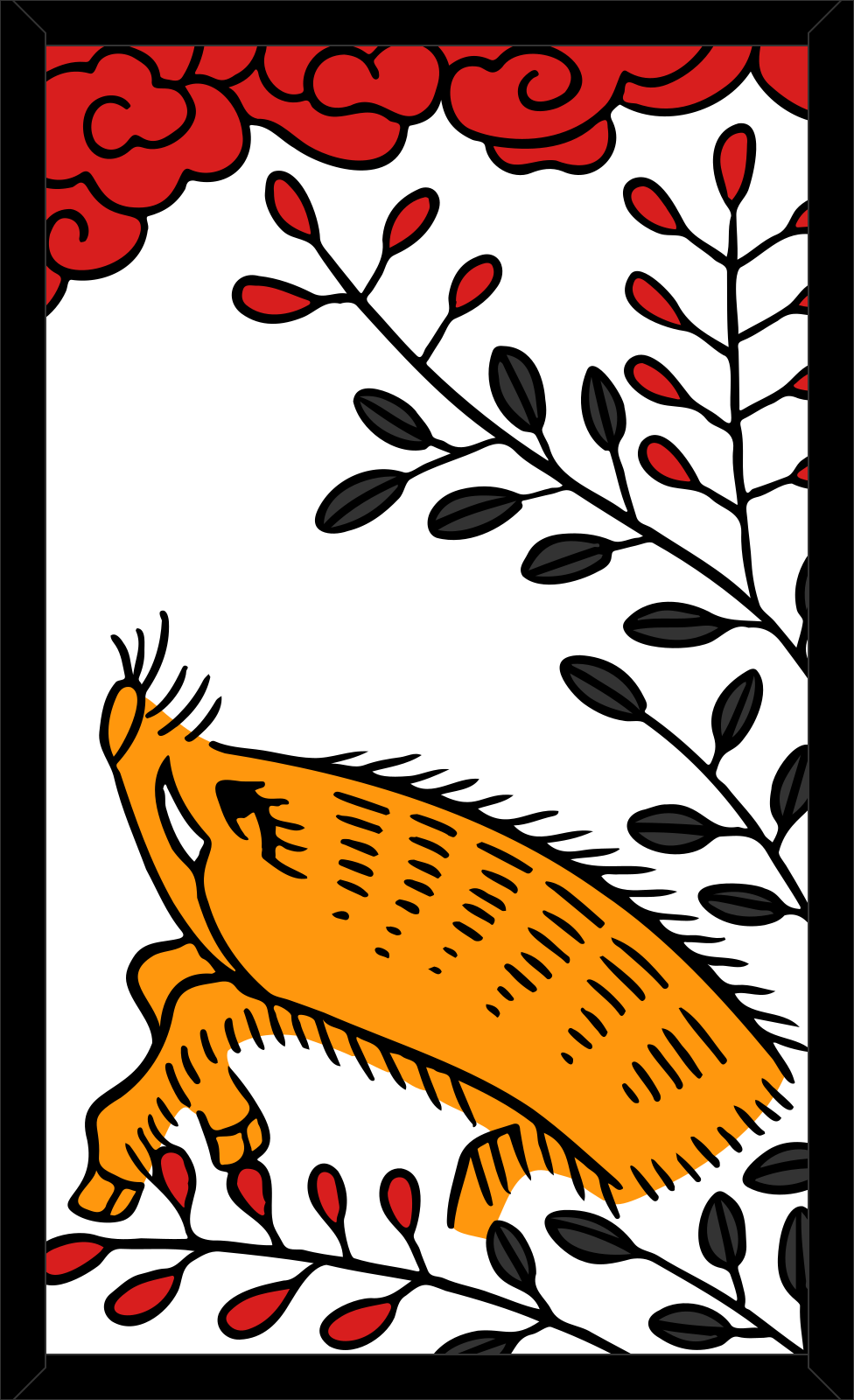
Boar萩に猪 hagi ni inoshishiAnimal (tane) · 10 ptsYaku: Boar, Deer, Butterflies (Inoshikachō), Animals (Tane) 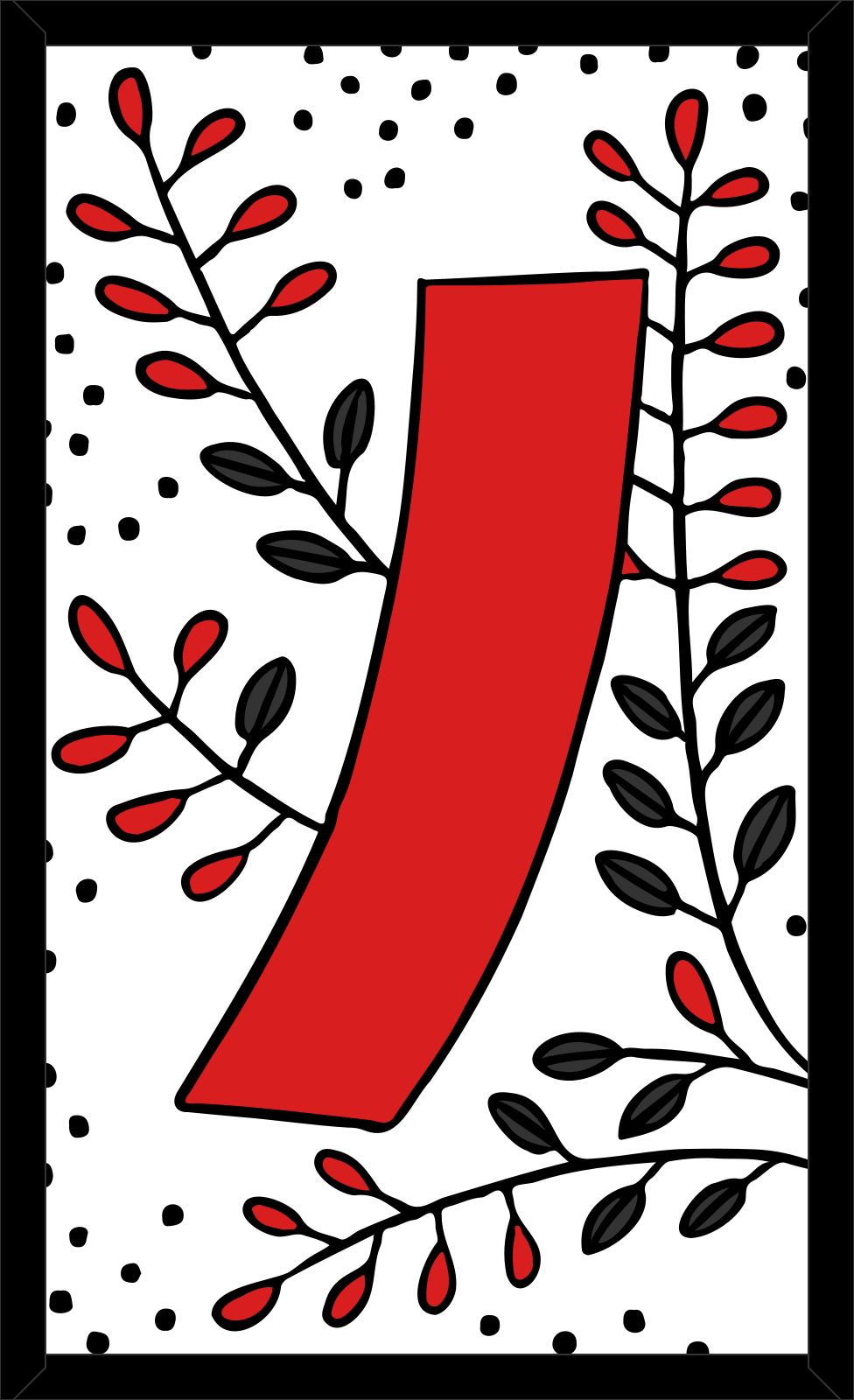
Red tanzaku萩に短冊 hagi ni tanzakuTanzaku (ribbon) · 5 ptsYaku: Tanzaku (Tan), Red & Blue Tanzaku +1, Red Poem Tanzaku +1, Blue Tanzaku +1 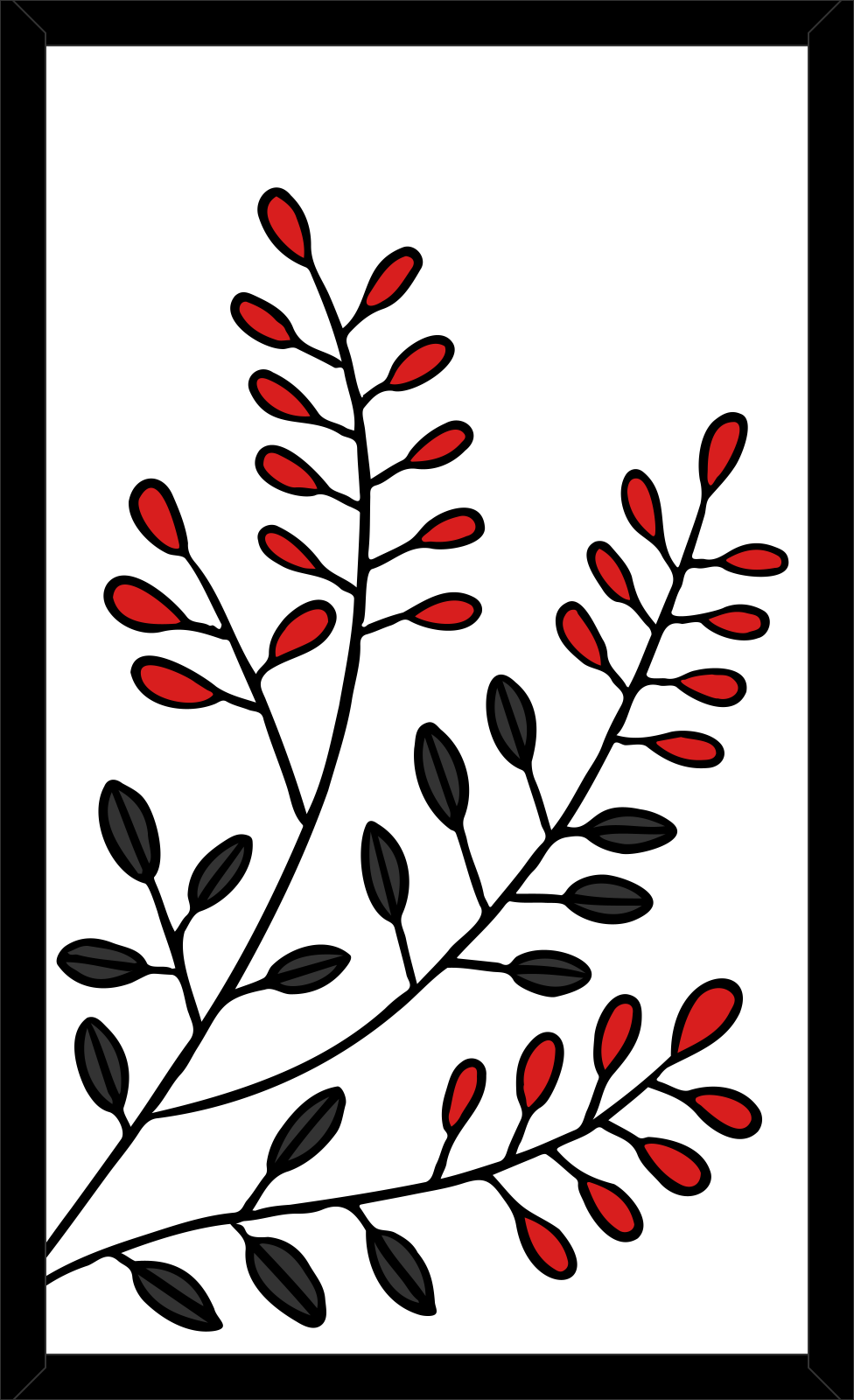
Lespedeza plain萩のカス hagi no kasuPlain (kasu) · 1 ptYaku: Plains (Kasu) 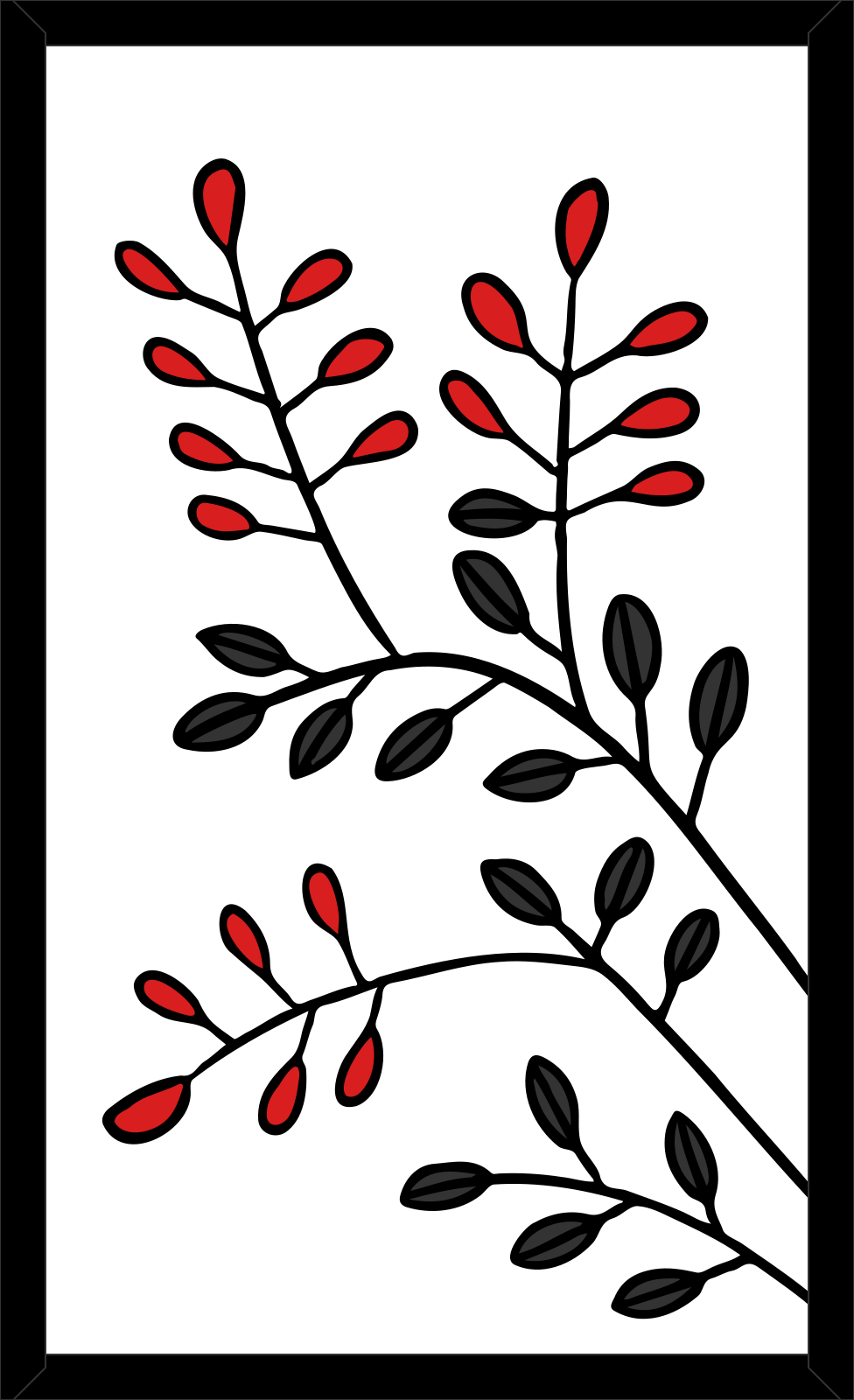
Lespedeza plain萩のカス hagi no kasuPlain (kasu) · 1 ptYaku: Plains (Kasu)
- Boar: A wild boar charges through the bush clover. Boars were said to flatten hagi for their beds, the “boar’s bed” of classical poetry, and Yoshida Kenkō noted that even a fearsome boar sounds gentle when you speak of its bed.[16] The second Inoshikachō card.
- Bush clover plains: The red-flowered suit is nicknamed akamame, “red beans”.
August: Pampas grass (susuki)
8月 · old name 葉月 hazuki · flower 芒 susuki
Mid-autumn: silver plumes of susuki and the harvest moon of tsukimi, when pampas grass is set out as an offering to the moon, and wild geese arrive from the north. August and December are the only months with no tanzaku.
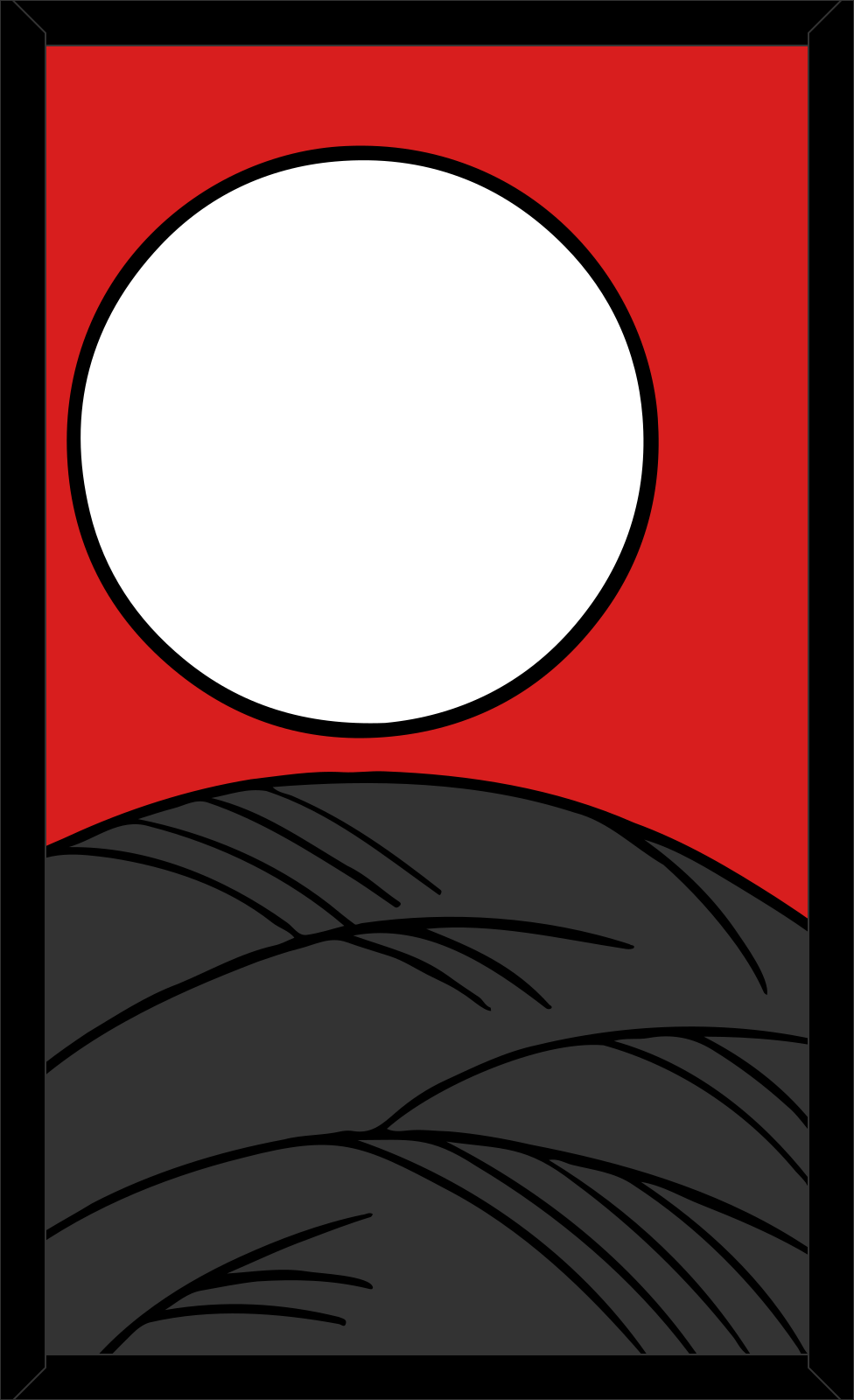
Moon芒に月 susuki ni tsukiLight (hikari) · 20 ptsYaku: Five Lights (Gokō), Four Lights (Shikō), Rain Four Lights (Ame Shikō), Three Lights (Sankō), Moon Viewing (Tsukimi de ippai) 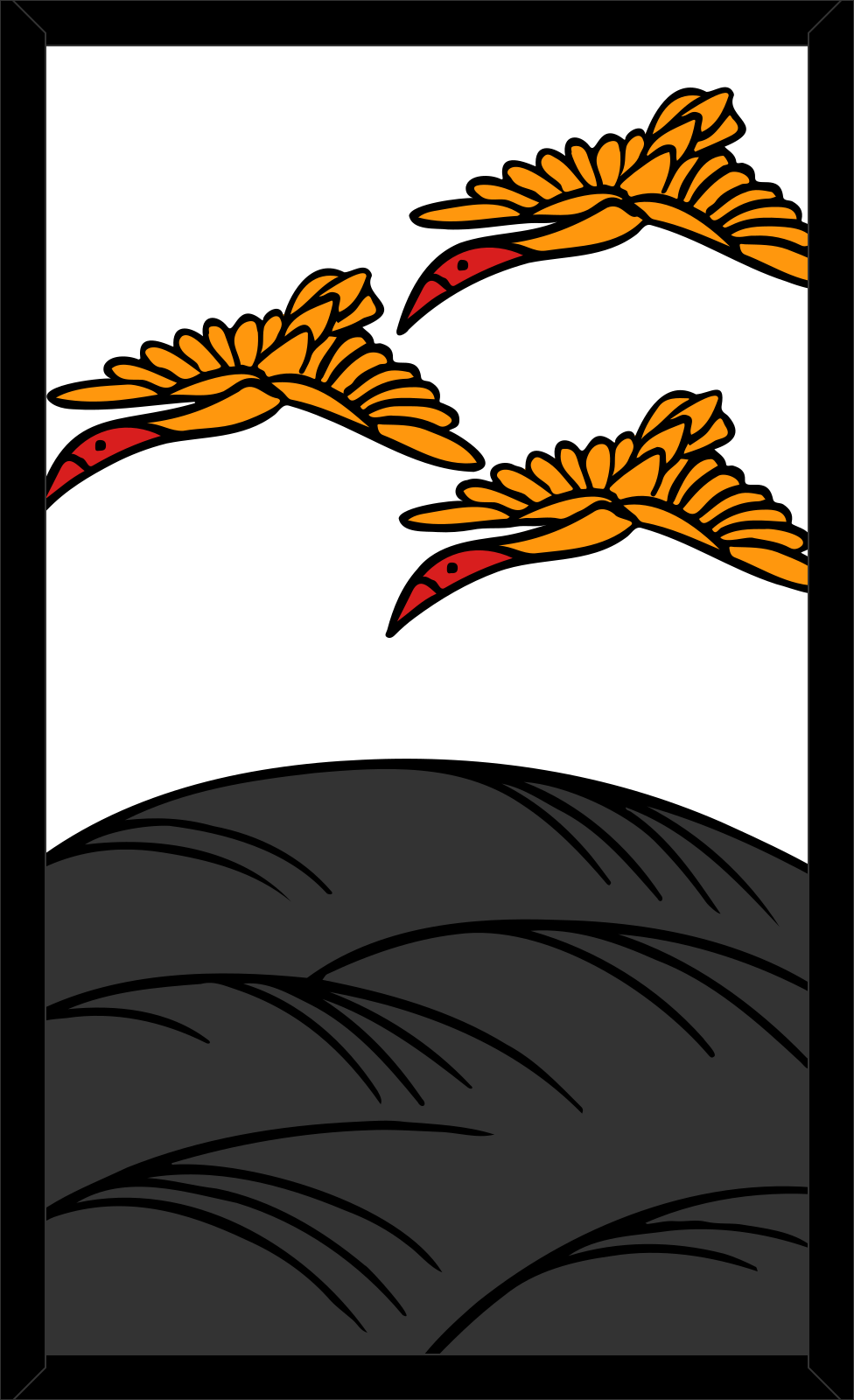
Geese芒に雁 susuki ni kariAnimal (tane) · 10 ptsYaku: Animals (Tane), Boar, Deer, Butterflies +1 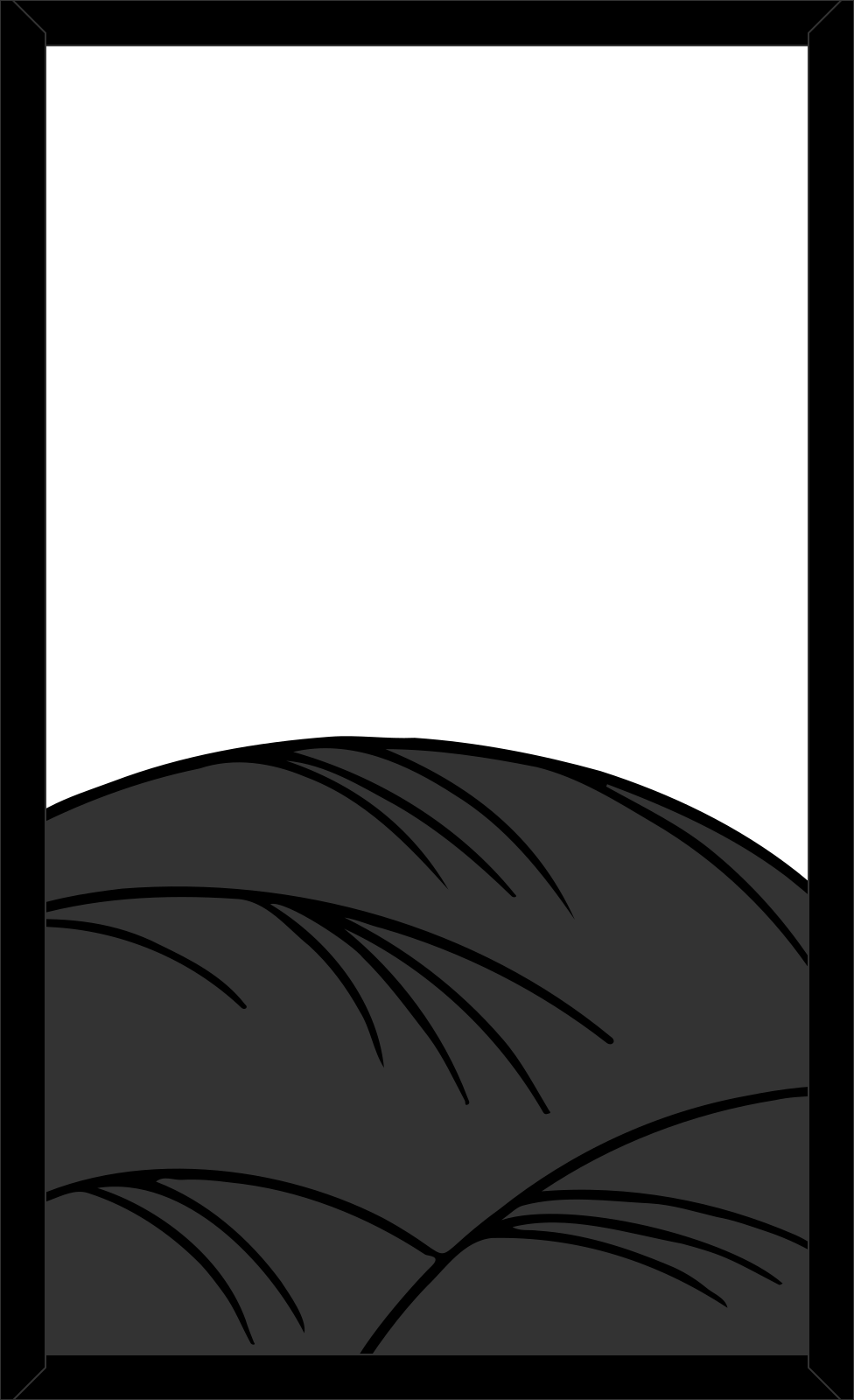
Pampas plain芒のカス susuki no kasuPlain (kasu) · 1 ptYaku: Plains (Kasu) 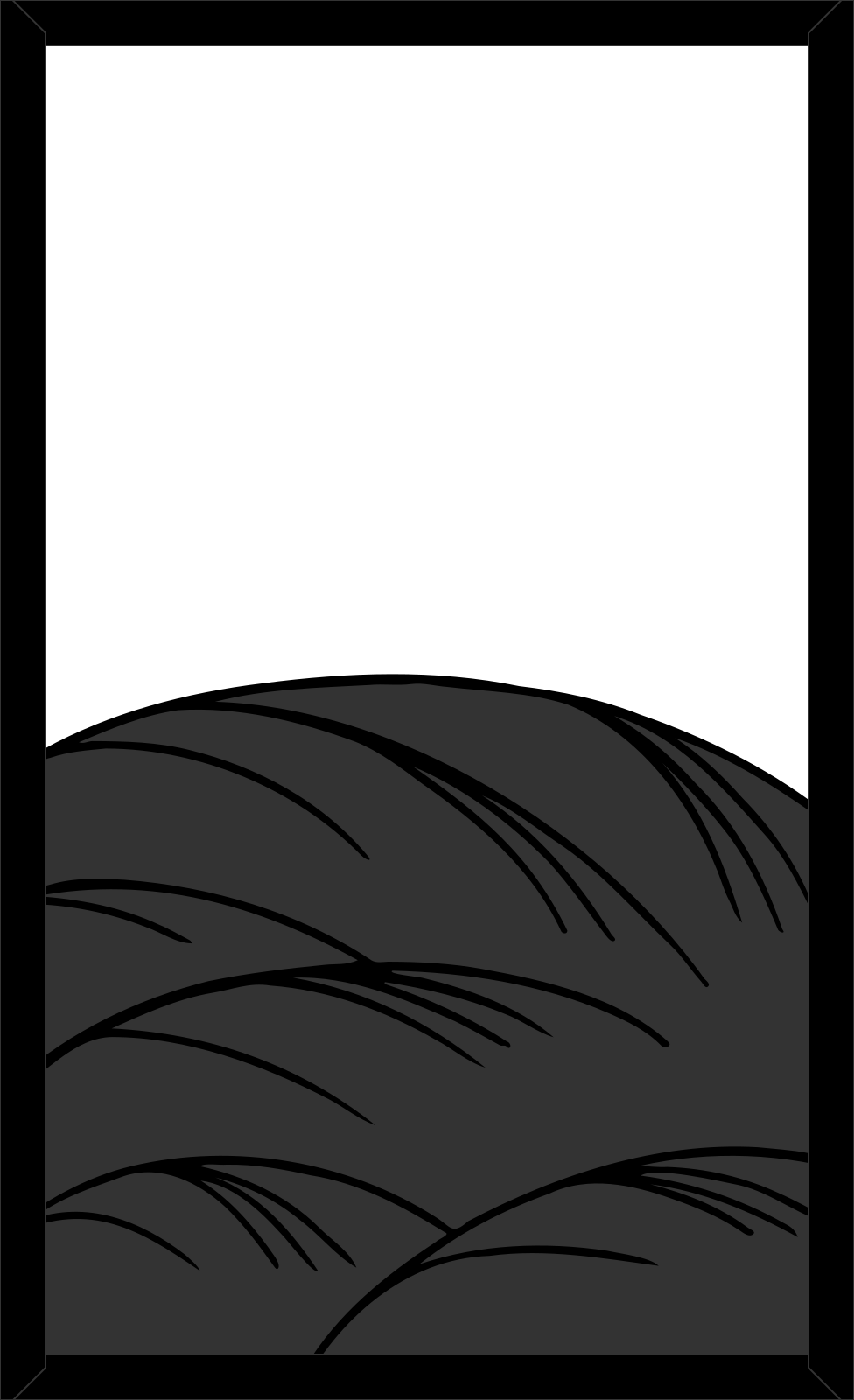
Pampas plain芒のカス susuki no kasuPlain (kasu) · 1 ptYaku: Plains (Kasu)
- Moon: A white full moon rises over a black hill of grass against a red sky. On old hand-printed cards the fine grass ran together into a solid black mound, which gave the card its nickname bōzu, “monk”, for a shaved head.[9] With the Sake cup it makes Tsukimi de ippai.
- Geese: Three wild geese fly over the hill; migrating geese are a classic sight of autumn.
September: Chrysanthemum
9月 · old name 長月 nagatsuki · flower 菊 kiku
The Chrysanthemum Festival, Chōyō, fell on the ninth day of the ninth month, when petals were floated in sake to wish for long life.[10] The chrysanthemum is also the flower of the imperial crest.
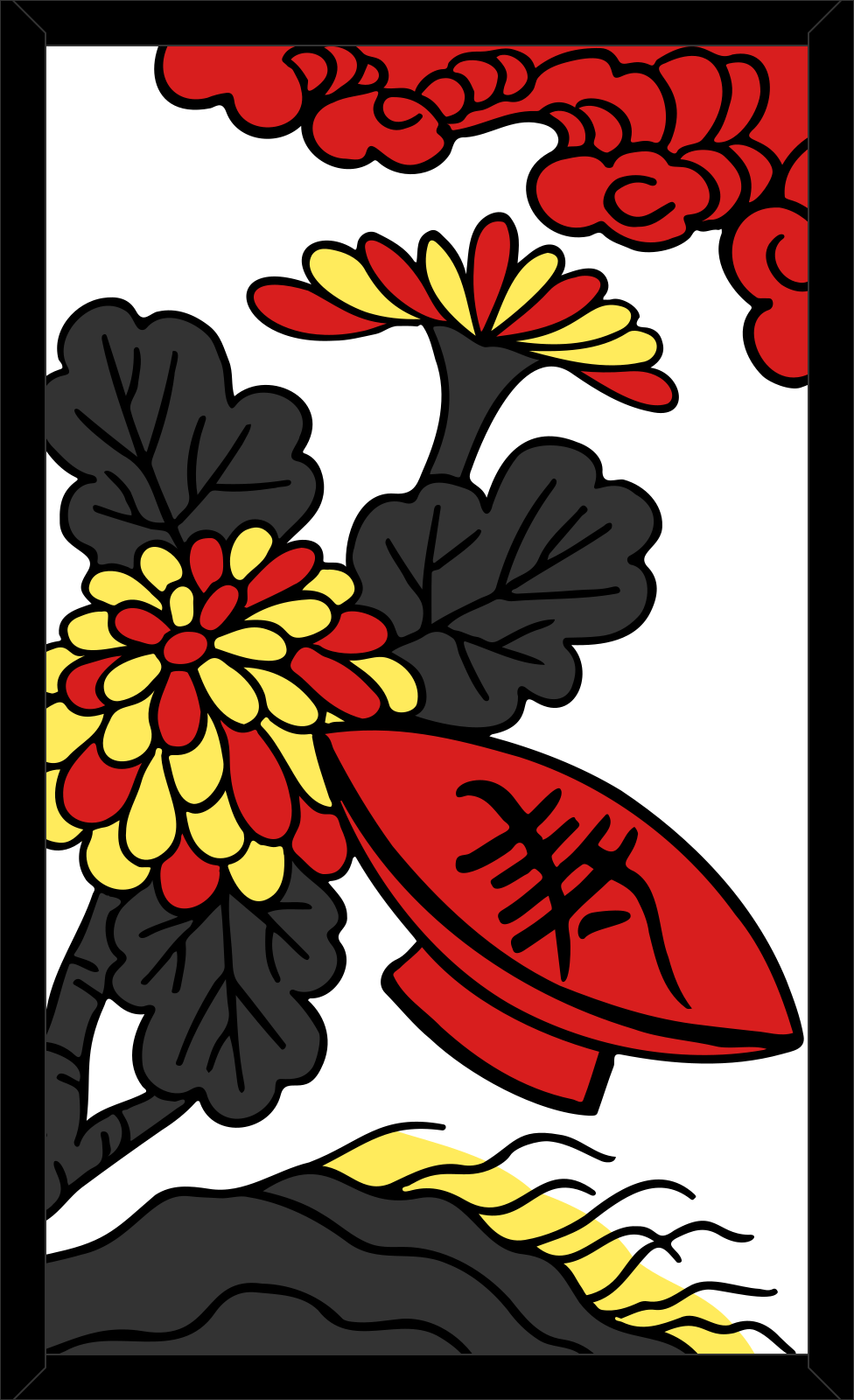
Sake cup菊に盃 kiku ni sakazukiAnimal (tane) · 10 ptsYaku: Flower Viewing (Hanami de ippai), Moon Viewing (Tsukimi de ippai), Animals (Tane), Boar, Deer, Butterflies +1 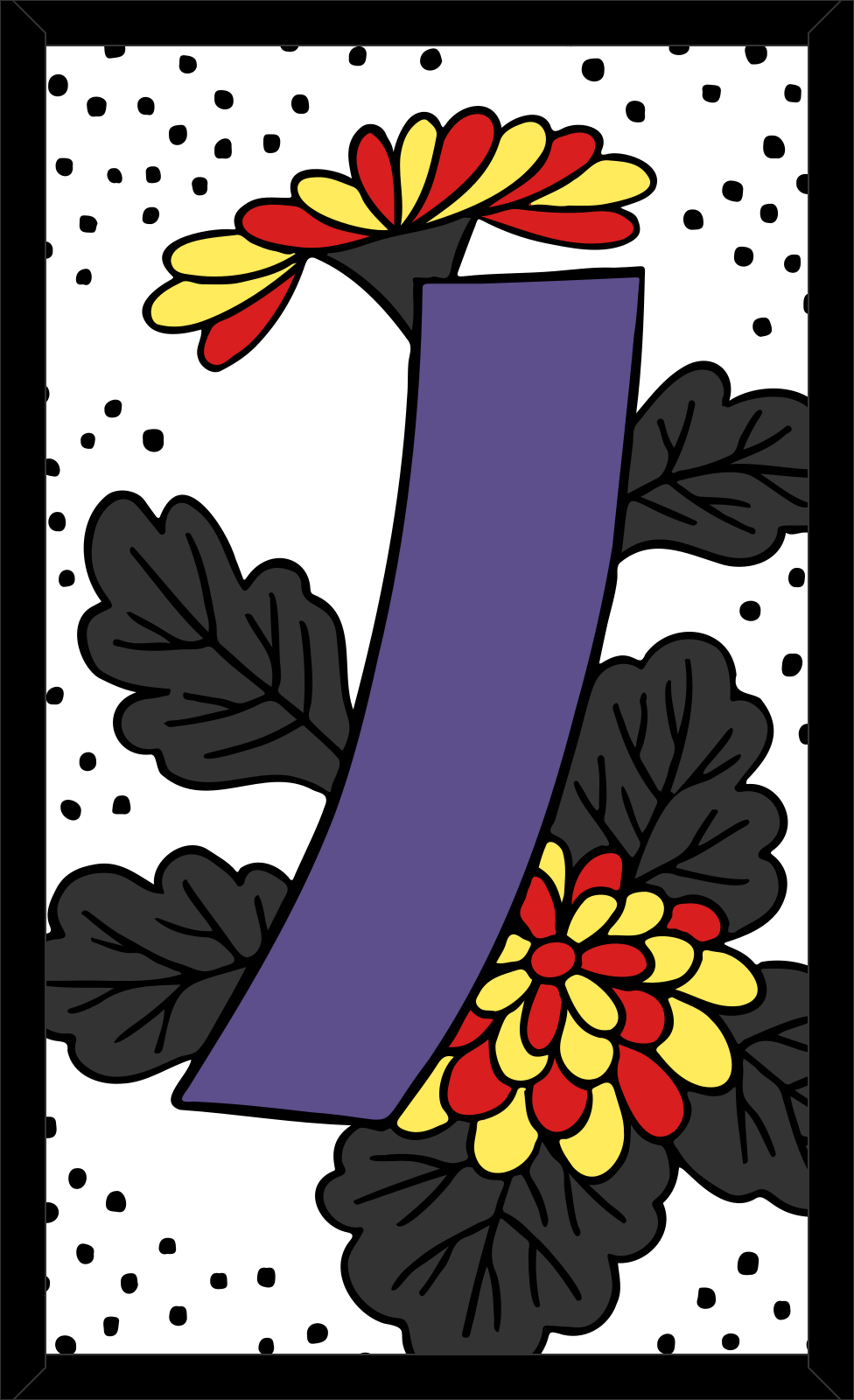
Blue tanzaku菊に青短 kiku ni aotanTanzaku (ribbon) · 5 ptsYaku: Red & Blue Tanzaku (Akatan Aotan no Chōfuku), Blue Tanzaku (Aotan), Tanzaku (Tan), Red Poem Tanzaku +1 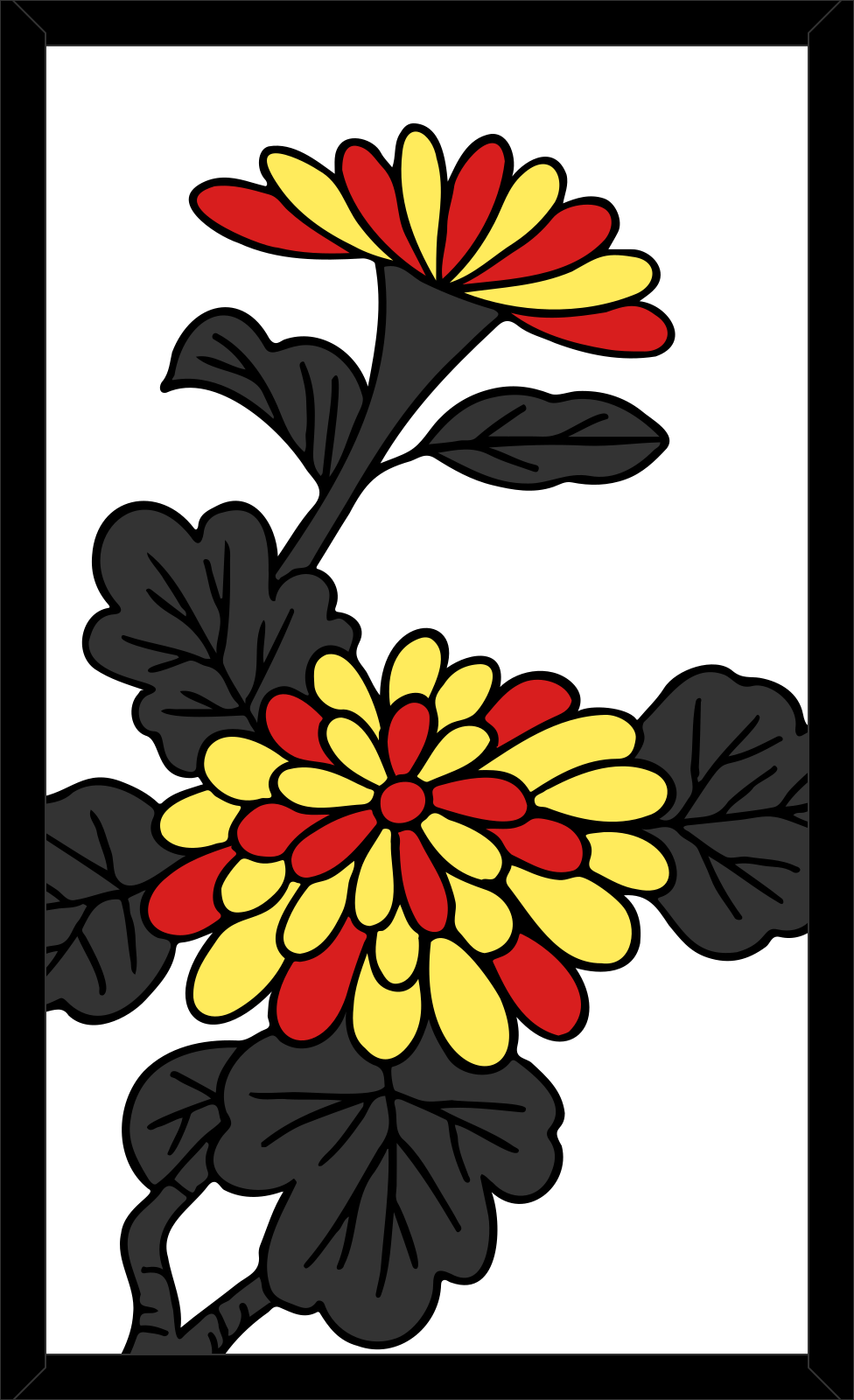
Chrysanthemum plain菊のカス kiku no kasuPlain (kasu) · 1 ptYaku: Plains (Kasu) 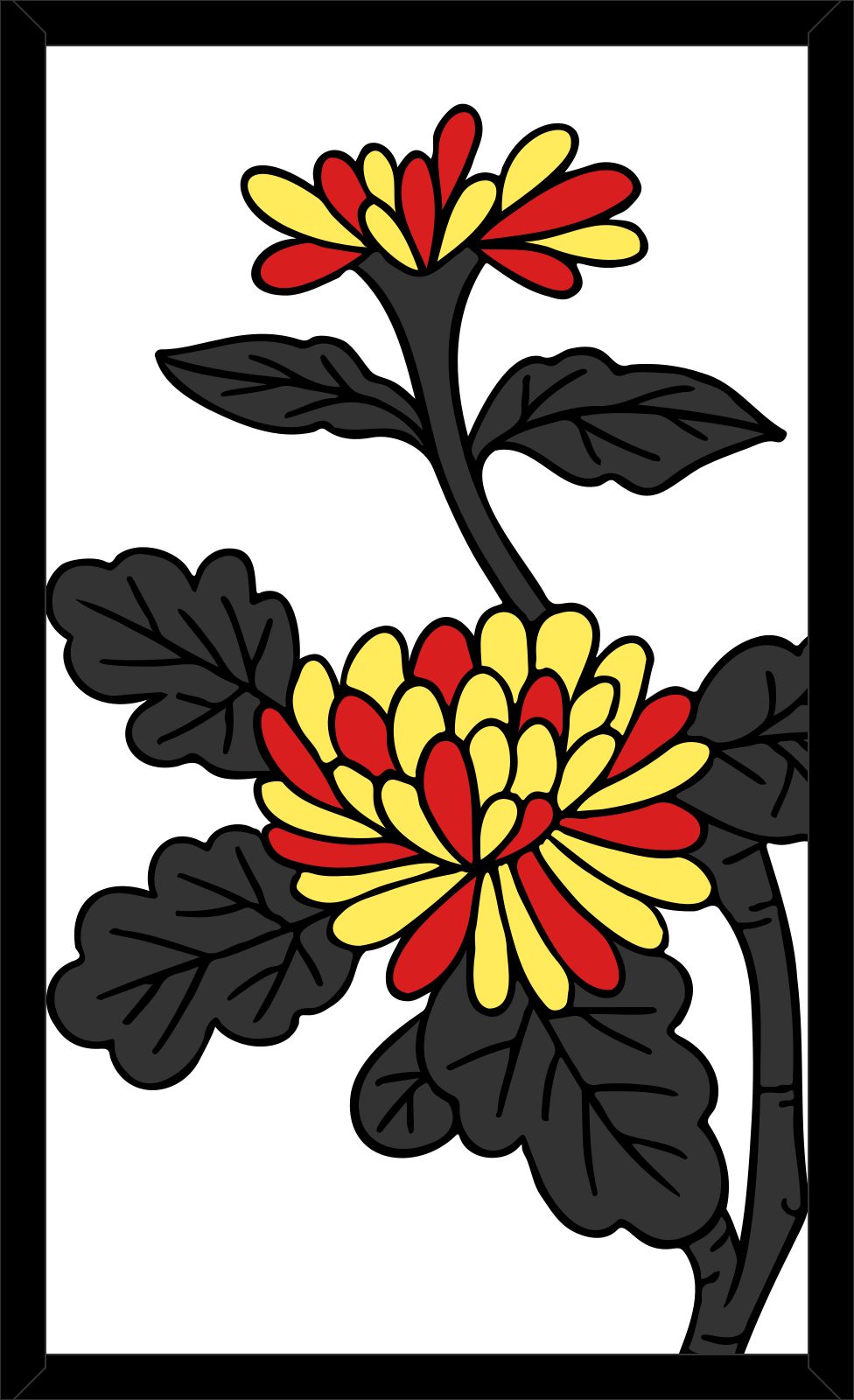
Chrysanthemum plain菊のカス kiku no kasuPlain (kasu) · 1 ptYaku: Plains (Kasu)
- Sake cup: A red lacquered cup marked 寿, “long life”, among the chrysanthemums: the sake of the festival. It is a tane card, and the shared card of the two viewing yaku, with the Curtain and with the Moon. How this game counts it is explained below.
October: Maple
10月 · old name 神無月 kannazuki · flower 紅葉 momiji
Autumn leaves and leaf-viewing outings, momiji-gari. In classical poetry the cry of a stag among the fallen maple leaves is the loneliest sound of the autumn.
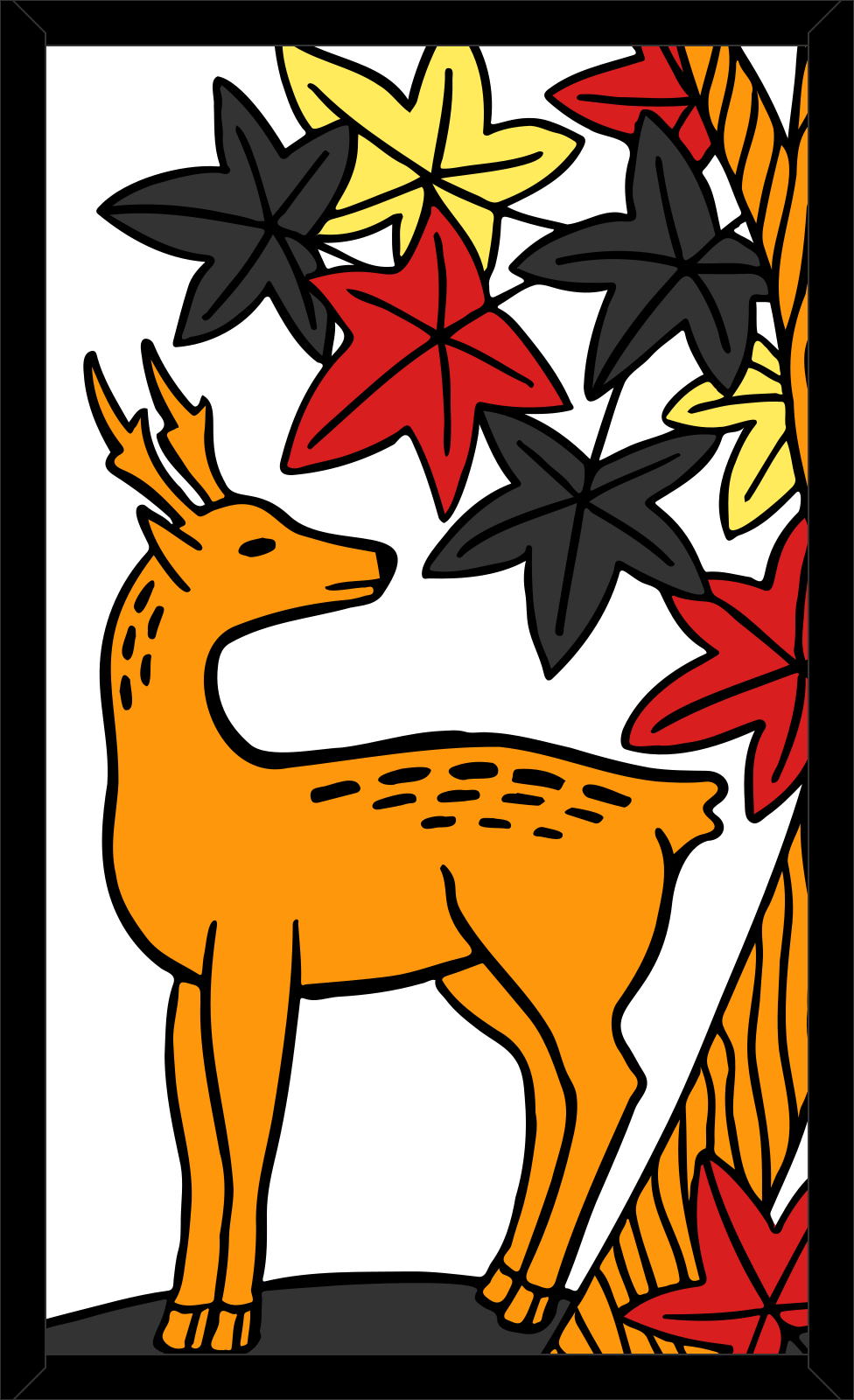
Deer紅葉に鹿 momiji ni shikaAnimal (tane) · 10 ptsYaku: Boar, Deer, Butterflies (Inoshikachō), Animals (Tane) 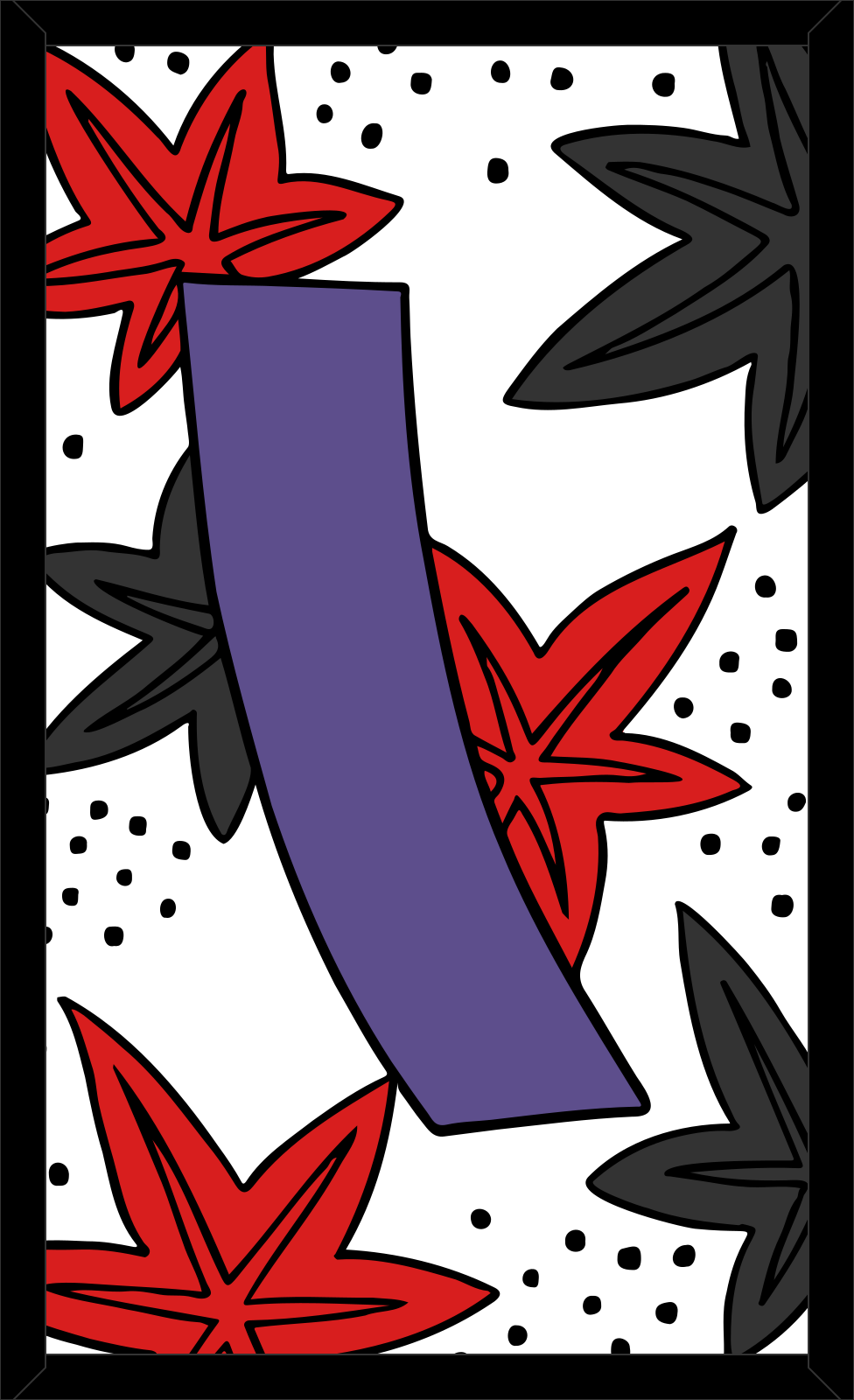
Blue tanzaku紅葉に青短 momiji ni aotanTanzaku (ribbon) · 5 ptsYaku: Red & Blue Tanzaku (Akatan Aotan no Chōfuku), Blue Tanzaku (Aotan), Tanzaku (Tan), Red Poem Tanzaku +1 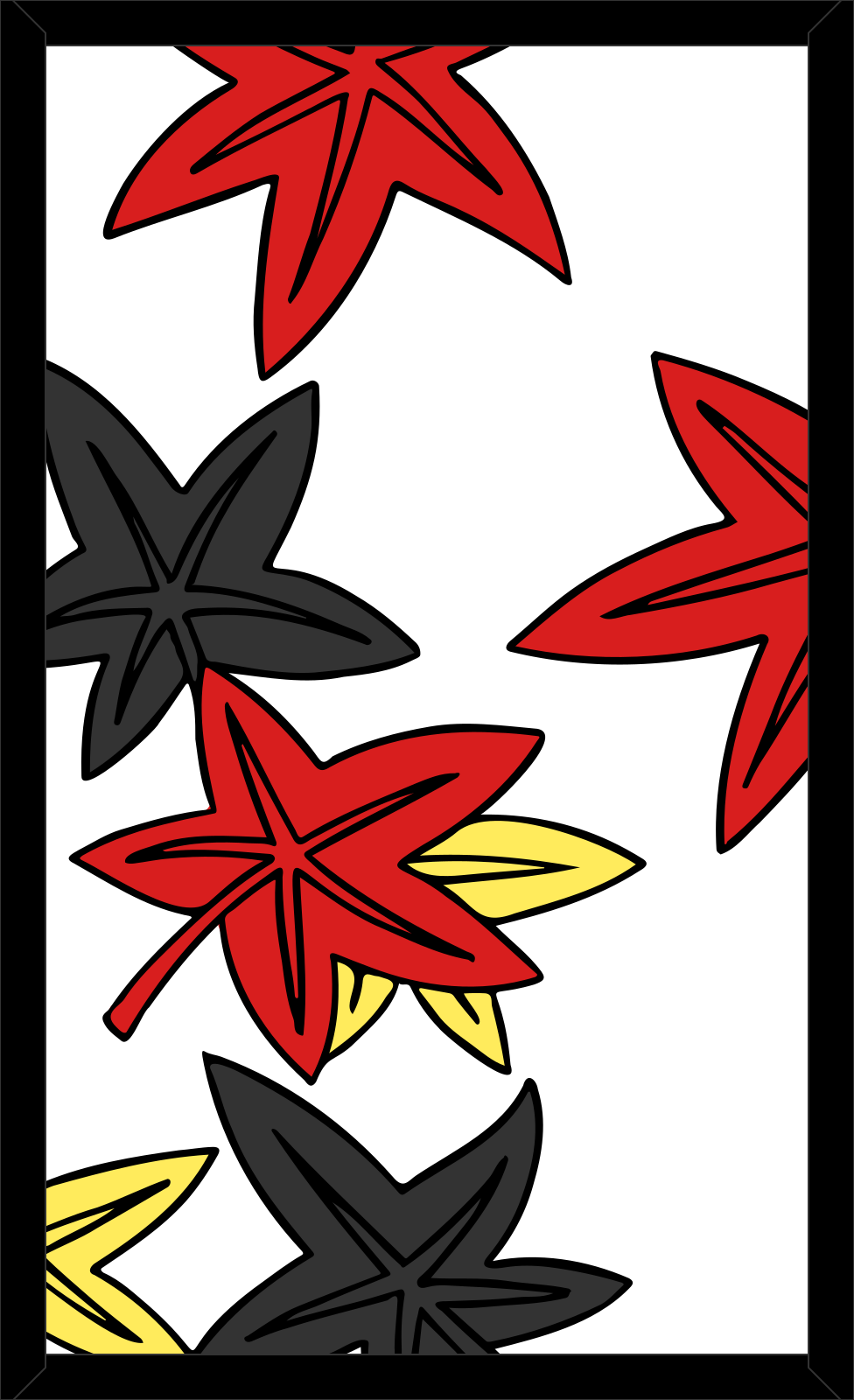
Maple plain紅葉のカス momiji no kasuPlain (kasu) · 1 ptYaku: Plains (Kasu) 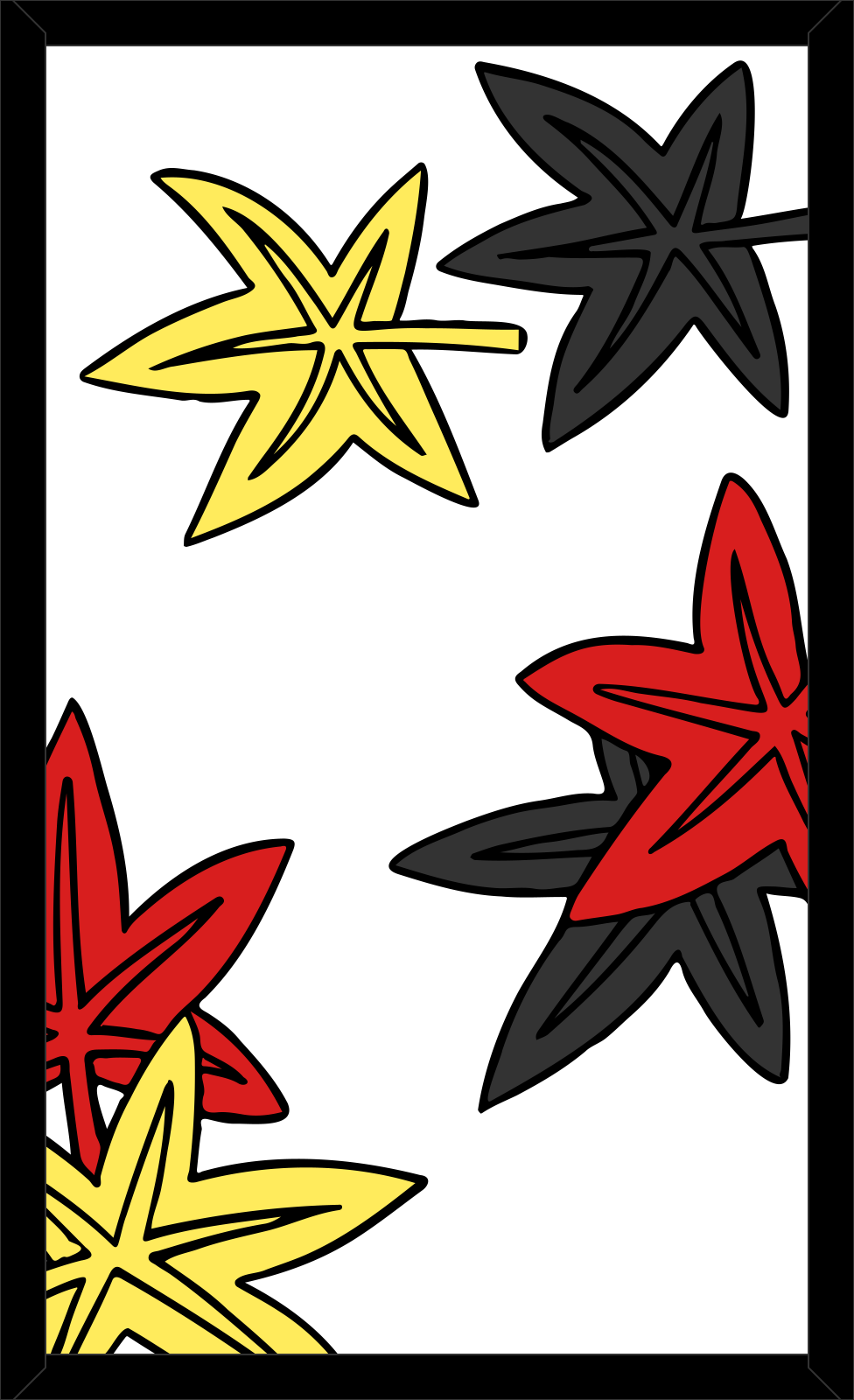
Maple plain紅葉のカス momiji no kasuPlain (kasu) · 1 ptYaku: Plains (Kasu)
- Deer: A sika deer among red and gold leaves, turning its head away. That averted head is said to be the origin of the slang shikato, “to give someone the cold shoulder”, from shika (deer) and tō (ten, the card’s points).[11] The third Inoshikachō card.
- Blue tanzaku: The third blue tanzaku, which completes Aotan.
November: Willow
11月 · old name 霜月 shimotsuki · flower 柳 yanagi
The odd month out. Willow, swallow and frog are spring images in Japanese poetry, and the suit is often simply called ame, “rain”. November is also the only month with one card of each kind.
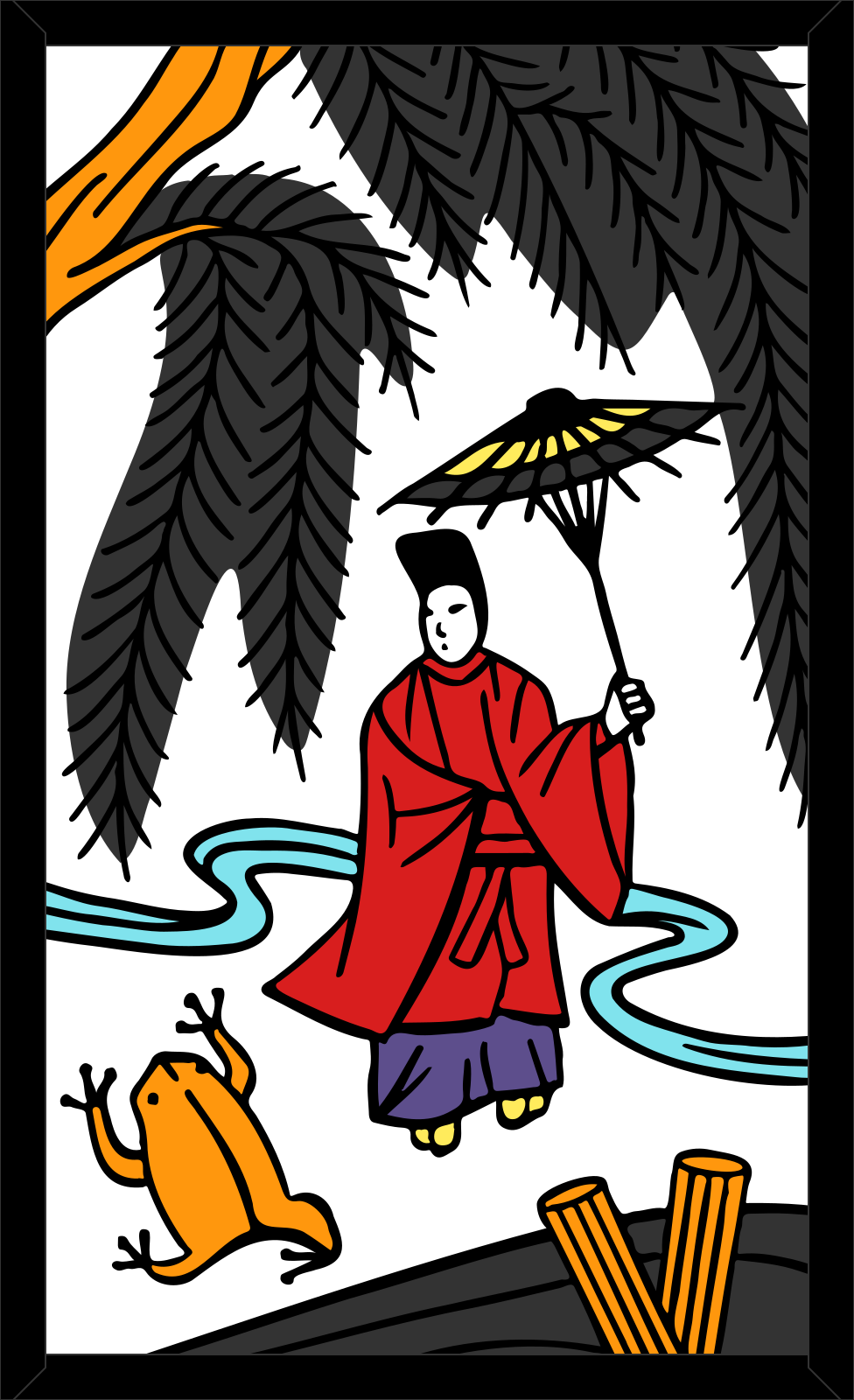
Rain柳に小野道風 yanagi ni Ono no TōfūLight (hikari) · 20 ptsYaku: Five Lights (Gokō), Rain Four Lights (Ame Shikō) 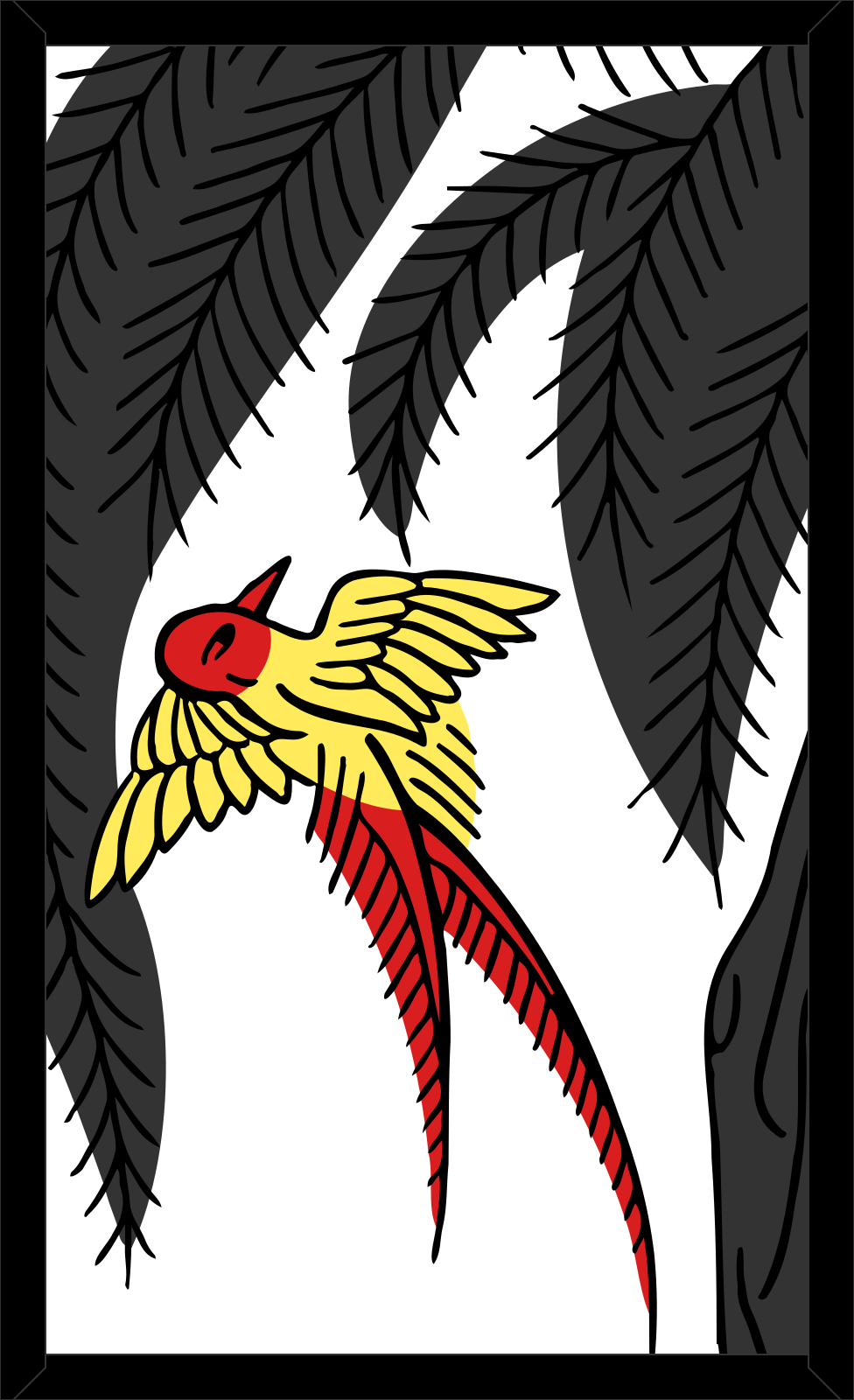
Swallow柳に燕 yanagi ni tsubameAnimal (tane) · 10 ptsYaku: Animals (Tane), Boar, Deer, Butterflies +1 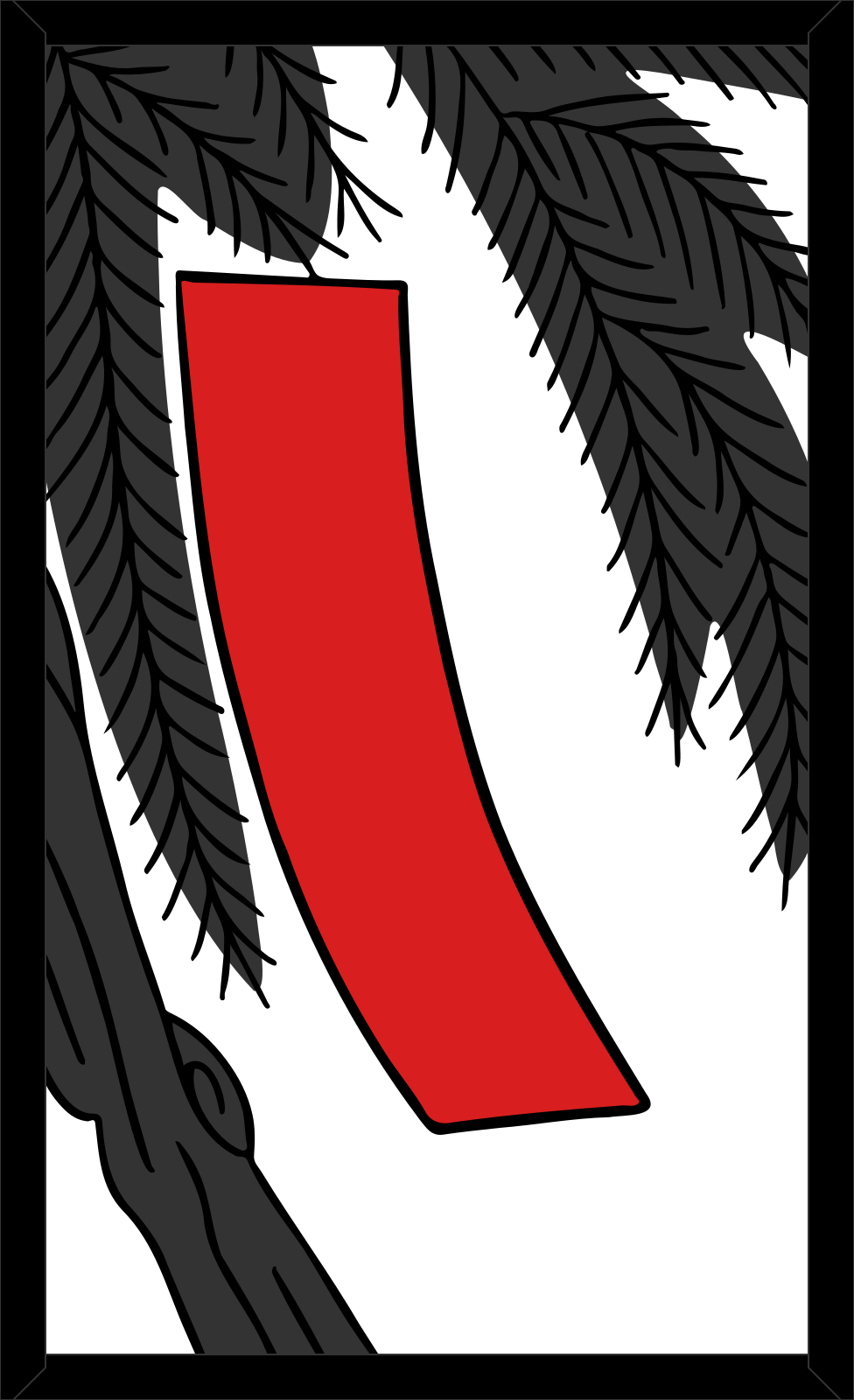
Red tanzaku柳に短冊 yanagi ni tanzakuTanzaku (ribbon) · 5 ptsYaku: Tanzaku (Tan), Red & Blue Tanzaku +1, Red Poem Tanzaku +1, Blue Tanzaku +1 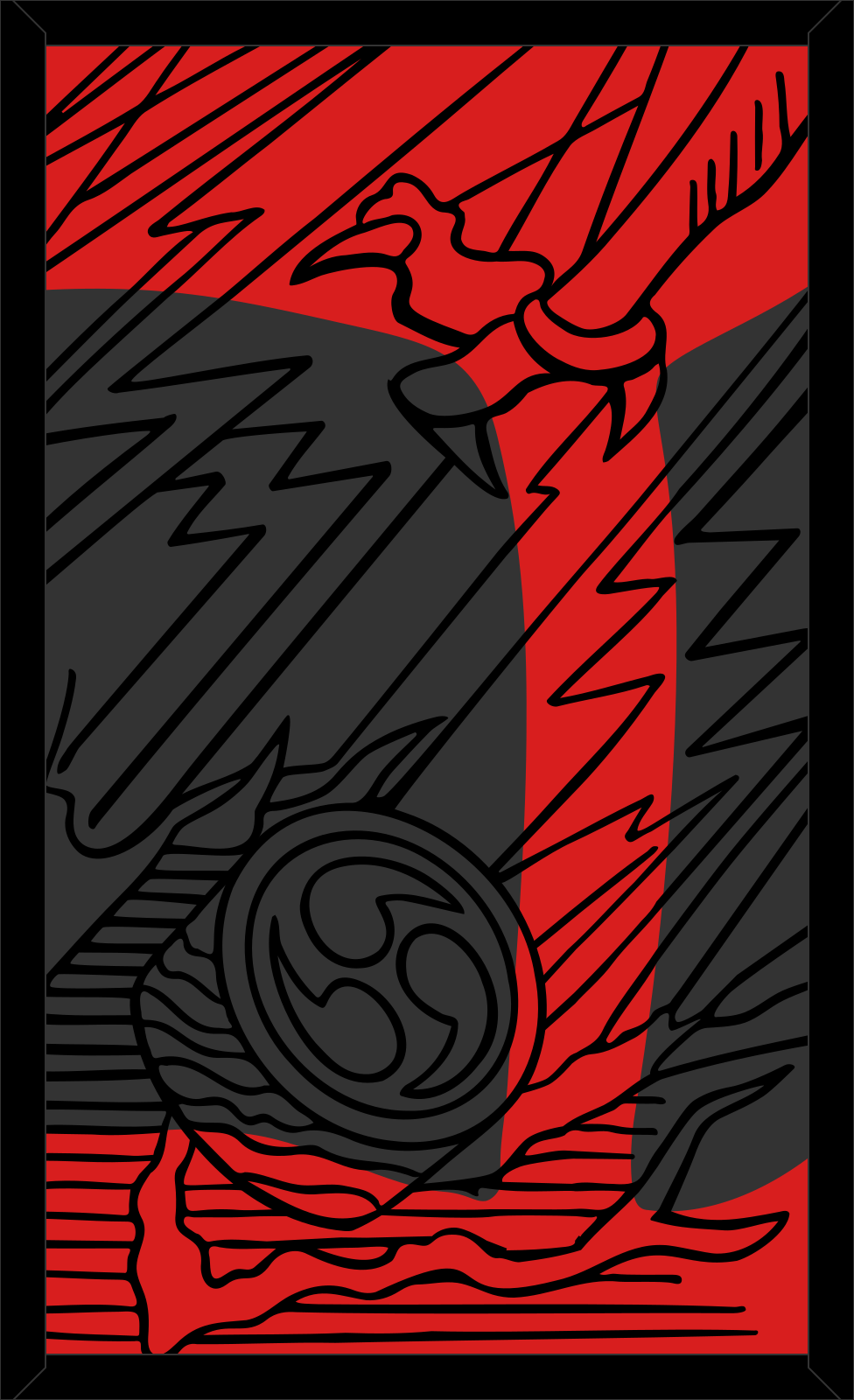
Lightning柳のカス yanagi no kasuPlain (kasu) · 1 ptYaku: Plains (Kasu)
- Rain: The only person in the deck: the Heian calligrapher Ono no Michikaze (894–966, read Tōfū on this card) walks with an umbrella beside a stream where a frog leaps for a willow branch. Legend says that watching the frog try again and again persuaded the discouraged Michikaze to keep practising.[14] Around 1886 he is said to have replaced an older figure, a rain goblin people took for a robber from a kabuki play.[12]
- Swallow: A swallow darts through the willow fronds, a favourite subject of painters.
- Lightning: A red and black storm with the thunder god’s drum, said to come from Ōtsu-e folk painting. It looks special, but it is a plain.[3]
December: Paulownia
12月 · old name 師走 shiwasu · flower 桐 kiri
Paulownia really flowers in early summer. Its place at the end of the year is often explained by wordplay, kiri sounding like the word for an end, but that is a folk explanation.[13] Paulownia and phoenix are emblems of the imperial court, and a paulownia crest is still the emblem of the Japanese government.
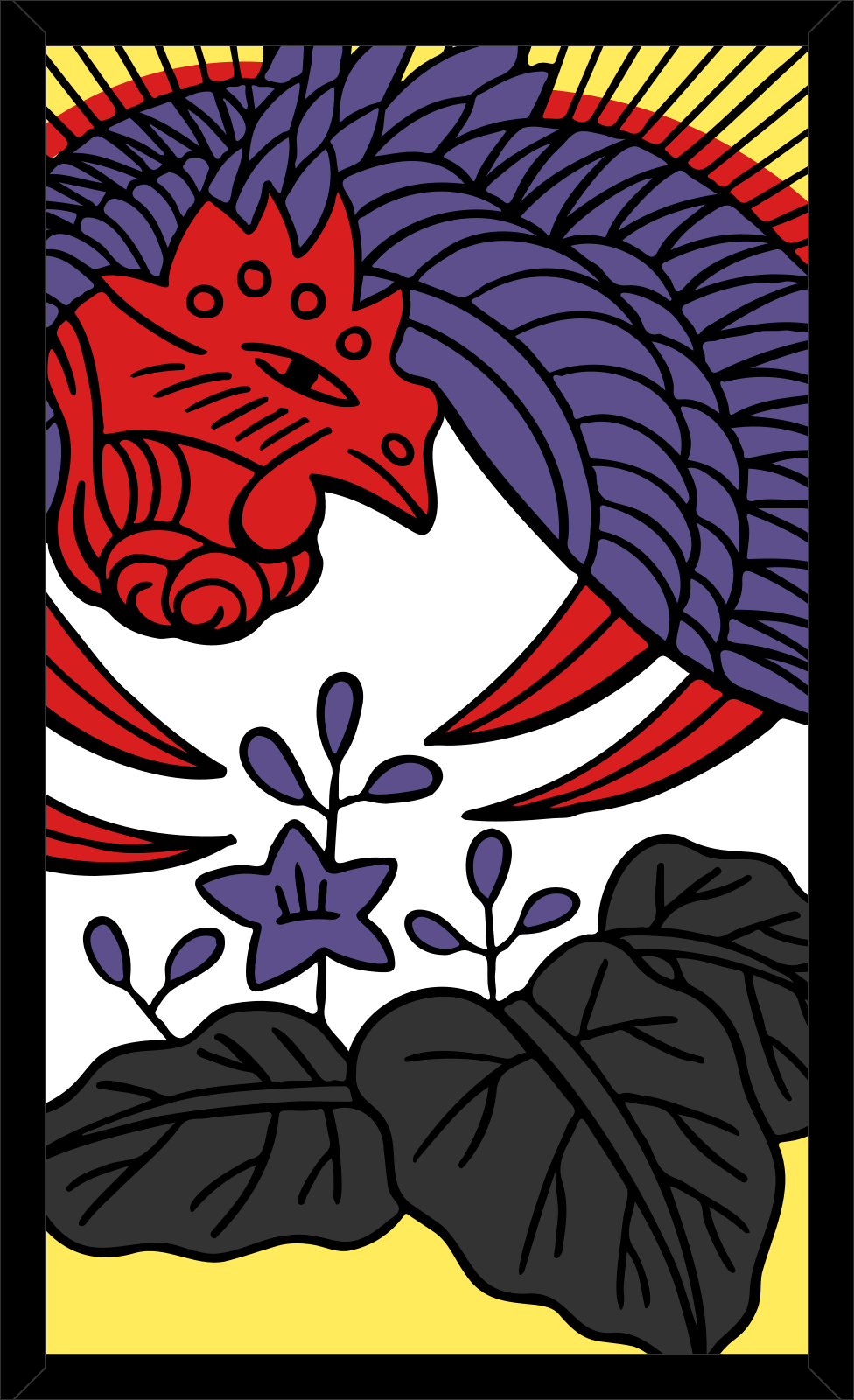
Phoenix桐に鳳凰 kiri ni hōōLight (hikari) · 20 ptsYaku: Five Lights (Gokō), Four Lights (Shikō), Rain Four Lights (Ame Shikō), Three Lights (Sankō) 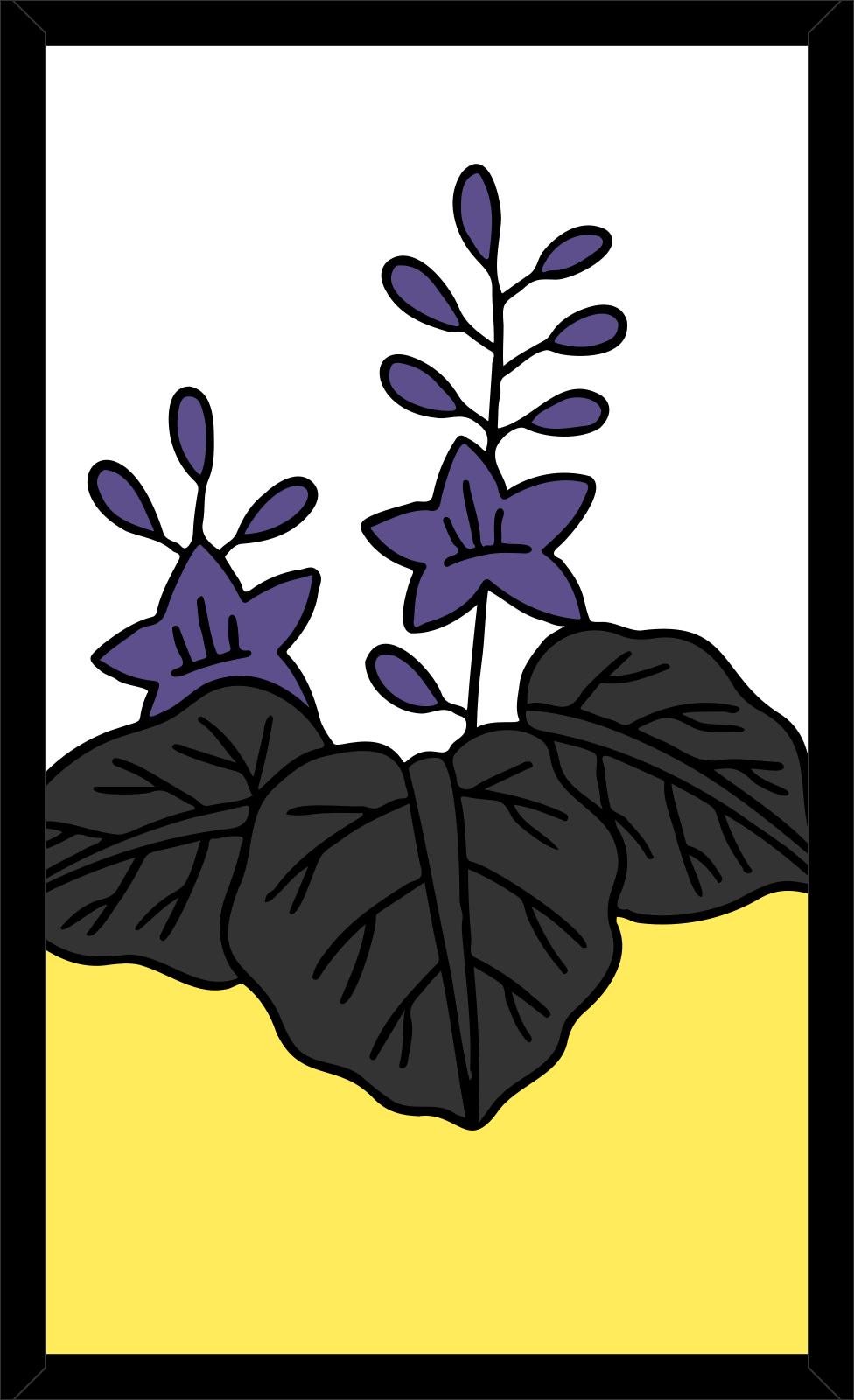
Paulownia plain桐のカス kiri no kasuPlain (kasu) · 1 ptYaku: Plains (Kasu) 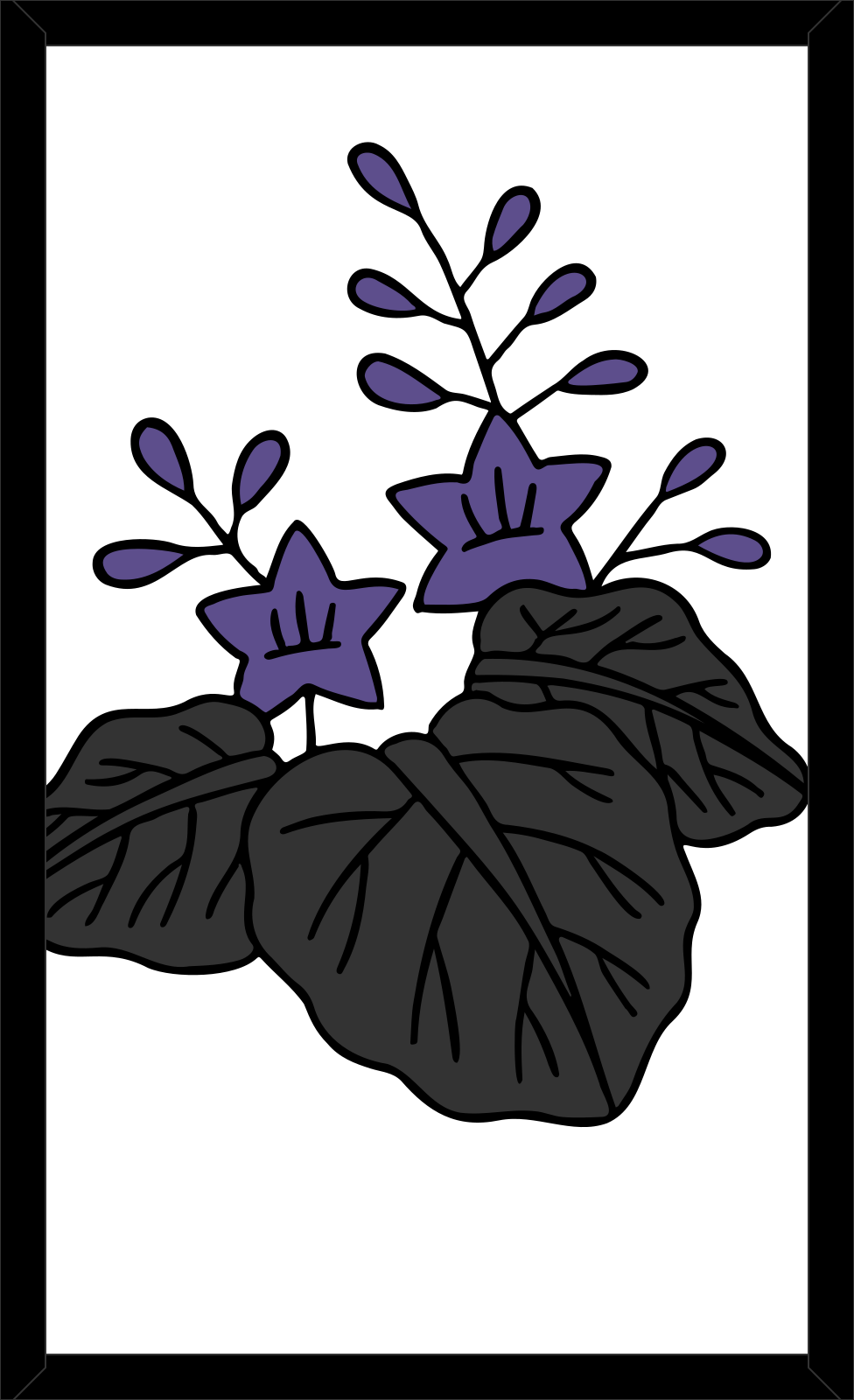
Paulownia plain桐のカス kiri no kasuPlain (kasu) · 1 ptYaku: Plains (Kasu) 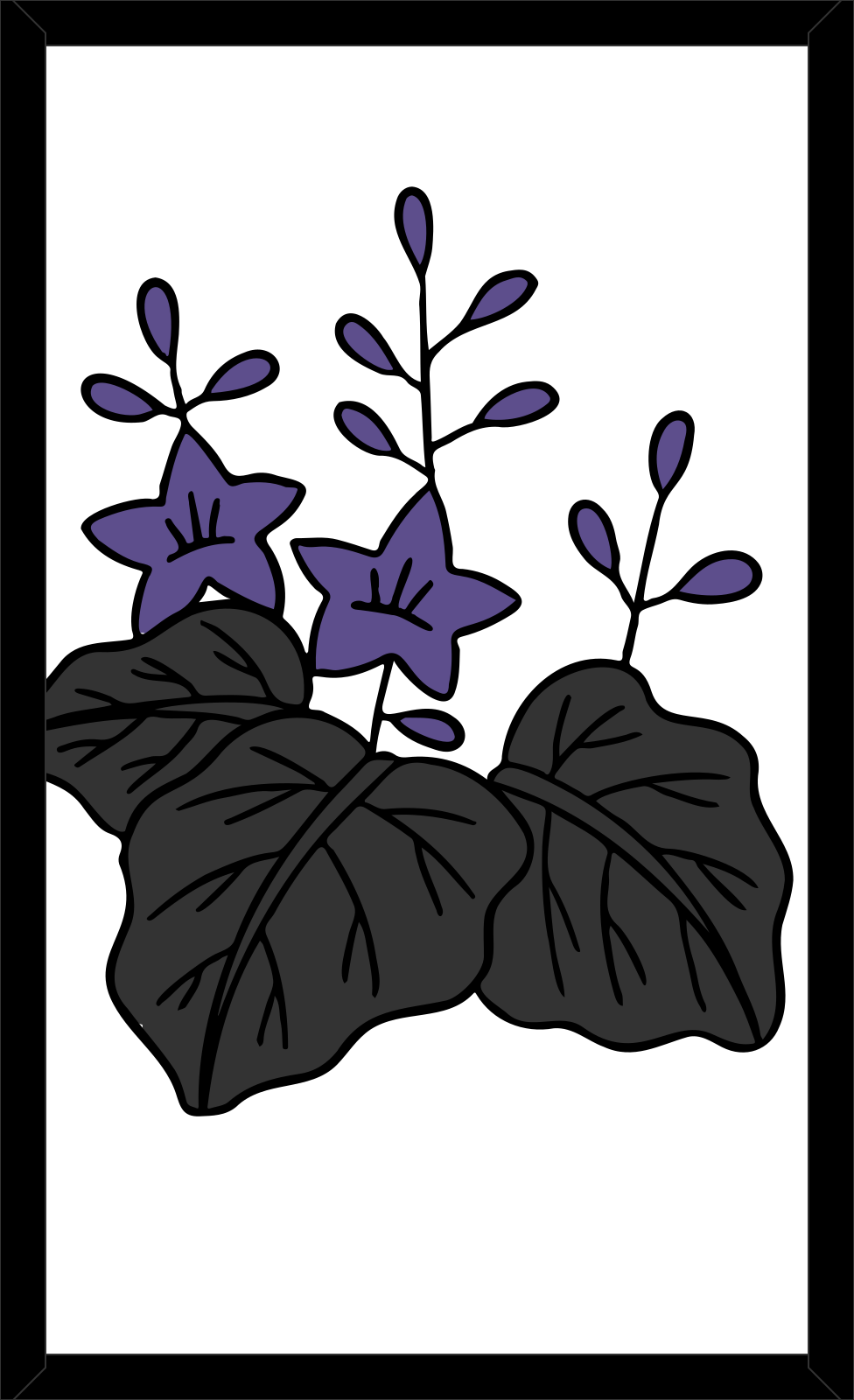
Paulownia plain桐のカス kiri no kasuPlain (kasu) · 1 ptYaku: Plains (Kasu)
- Phoenix: In Chinese lore the phoenix alights only on the paulownia and appears in the reign of a virtuous ruler.
- Paulownia plains: December is the only month with three plains. The first one here has a yellow band along the bottom; in Koi-Koi it is an ordinary plain. On printed decks one paulownia plain usually carries the maker’s name as well; this set has none.
Cards that trip people up
A few cards break the patterns above. They are worth a second look before your first game.
The Sake cup counts as a tane only
Sake cup Curtain Moon
The Sake cup is a tane worth 10 points. It is the shared card of two yaku: with the Curtain it makes Hanami de ippai and with the Moon Tsukimi de ippai, 5 points each, so holding all three scores both. It also counts towards Tane and adds a point to Inoshikachō.
The Rain is a light, but not for Sankō
Rain Crane Curtain
The Rain is one of the five lights, yet it never counts for Sankō (three lights) or Shikō (four). The Rain with two other lights scores nothing; with three others it makes Ame-Shikō, 7 points, one less than Shikō’s 8; all five make Gokō, 10.
The Lightning is a plain
Lightning
The stormiest picture in the deck is a plain worth 1 point, and it counts towards Kasu like any other. Some other hanafuda games use it as a wild card,[6] and it is said to have been painted red for that reason;[3] in Koi-Koi it has no special power.
Red strips with and without writing
There are seven red tanzaku. Only the three with writing, on the pine, plum and cherry, make Akatan. The four plain red strips, on the wisteria, iris, bush clover and willow, count only for Tan, and add a point to Akatan, Aotan or their combination once one of those is made. The three blue strips, on the peony, chrysanthemum and maple, make Aotan.
Months that look alike
Wisteria plain Lespedeza plain Pampas plain Moon
Wisteria and bush clover both show sprays of small leaves. Wisteria hangs down from the top of the card, black leaves with purple flower clusters; bush clover grows up from the bottom with red and black leaves. The pampas plains are almost empty, just the black hill under a white sky, and that hill is how you know it is August.
Names that differ between lists
English names vary. This game calls the February bird the Nightingale, though it is a bush warbler, and the April bird the Cuckoo (hototogisu). Other lists say “bright” for light, “animal” or “seed” for tane, “ribbon” or “poetry slip” for tanzaku and “chaff” for plain. If you learned the cards from the Korean hwatu deck, note that the willow and paulownia months are swapped there.[4]
All the cards by kind
The same 48 cards sorted by kind, the way Koi-Koi counts them. Each group links to the yaku it makes.
The 5 lights (hikari, 20 points)
Crane, Curtain, Moon, Rain and Phoenix: all five make Gokō (also written goko), fewer make Shikō, Ame-Shikō or Sankō.
The 9 tane (10 points)
Any five make Tane; the Boar, Deer and Butterflies make Inoshikachō (also written inoshikacho), and the Sake cup joins the two viewing yaku.
The 10 tanzaku (5 points)
Any five make Tan; the red poem strips make Akatan, the blue ones Aotan, and all six together Akatan-Aotan no Chōfuku.
The 24 plains (kasu, 1 point)
Any ten make Kasu. The Lightning is one of them; in this game the Sake cup is not.
About these pictures
Card pictures: “SVG Hanafuda with traditional colors (black border)” by Louie Mantia and すけじょ, with revisions by Spenĉjo (three faces), from Wikimedia Commons, licensed CC BY-SA 4.0. The files are minified, with size attributes and a licence notice added; the drawings are unchanged. See the full per-file credits.
Sources
- こいこい|花札の歴史・遊びかた. Nintendo: Nintendo’s Koi-Koi rules: the Sake cup also counts as a plain, and Tane and Tan lapse beside Inoshikachō, Akatan and Aotan
- 歴史・遊びかた|花札・株札. Nintendo: The deck, card points and hana-awase
- 花札. Wikipedia (Japanese): Card names and kinds, the 264-point total, the month order, the Lightning
- Hanafuda. Wikipedia: Card kinds and the Korean hwatu deck
- Pine, Plum Blossom … Paulownia (the twelve suit pages). Fuda Wiki: Readings, the poem-strip texts and the suit nicknames
- Games played with Flower Cards. John McLeod, pagat.com: The Lightning as a wild card in some games
- 花札の謎シリーズ!2月札『梅に鶯』. Ōishi Tengudō
- 花札の謎シリーズ!赤短『あかよろし?』. Ōishi Tengudō
- 花札の謎シリーズ!8月札『芒に月』. Ōishi Tengudō
- 花札の謎シリーズ!9月札『菊に盃』. Ōishi Tengudō
- 花札の謎シリーズ!10月札『鹿に紅葉』. Ōishi Tengudō
- 花札の謎シリーズ!11月札『柳に小野道風』. Ōishi Tengudō
- 花札の謎シリーズ!12月札『桐に鳳凰』. Ōishi Tengudō
- 小野道風. Wikipedia (Japanese): The calligrapher and the frog
- The Tales of Ise (伊勢物語), section 9, “Eight Bridges”
- Yoshida Kenkō, Essays in Idleness (徒然草), section 14