
Koi-Koi rules: how to play, step by step
Last updated
Koi-Koi is a card game for two players with the 48-card Japanese hanafuda deck. On your turn you play a card from your hand to capture a table card of the same month, then turn over the top card of the draw pile and do the same with it. Your captures form scoring sets called yaku, and when your turn ends with a new one you choose: Shōbu to stop and score, or Koi-Koi to play on for more, at the risk of scoring nothing.
This page follows the rules exactly as Koi-Koi Online plays them, with pictures of the real cards. (You will also see the game written “koi koi” or “koikoi”, and Shōbu as “shobu”.) The points of the yaku are Nintendo’s[1]; where a rule differs, a “Rules differ” box gives Nintendo’s rule beside ours.
Koi-Koi rules in brief
- Two players, 48 cards: twelve months with four cards each.
- Deal 8 cards to each player and 8 face up to the table. The other 24 are the draw pile.
- On your turn, play a card from your hand. If a table card is from the same month, take both; if not, your card stays on the table.
- Then turn over the top card of the draw pile and do the same with it.
- At the end of your turn, look at your captures. With a new yaku you call Shōbu (the round ends and you score) or Koi-Koi (you play on and try for more).
- If both hands run out and nobody has called Shōbu, the round is drawn and nobody scores.
- A match is 6 or 12 rounds. Both players start with 25 points, and the loser of a round pays the winner.
What you need: the 48 hanafuda cards
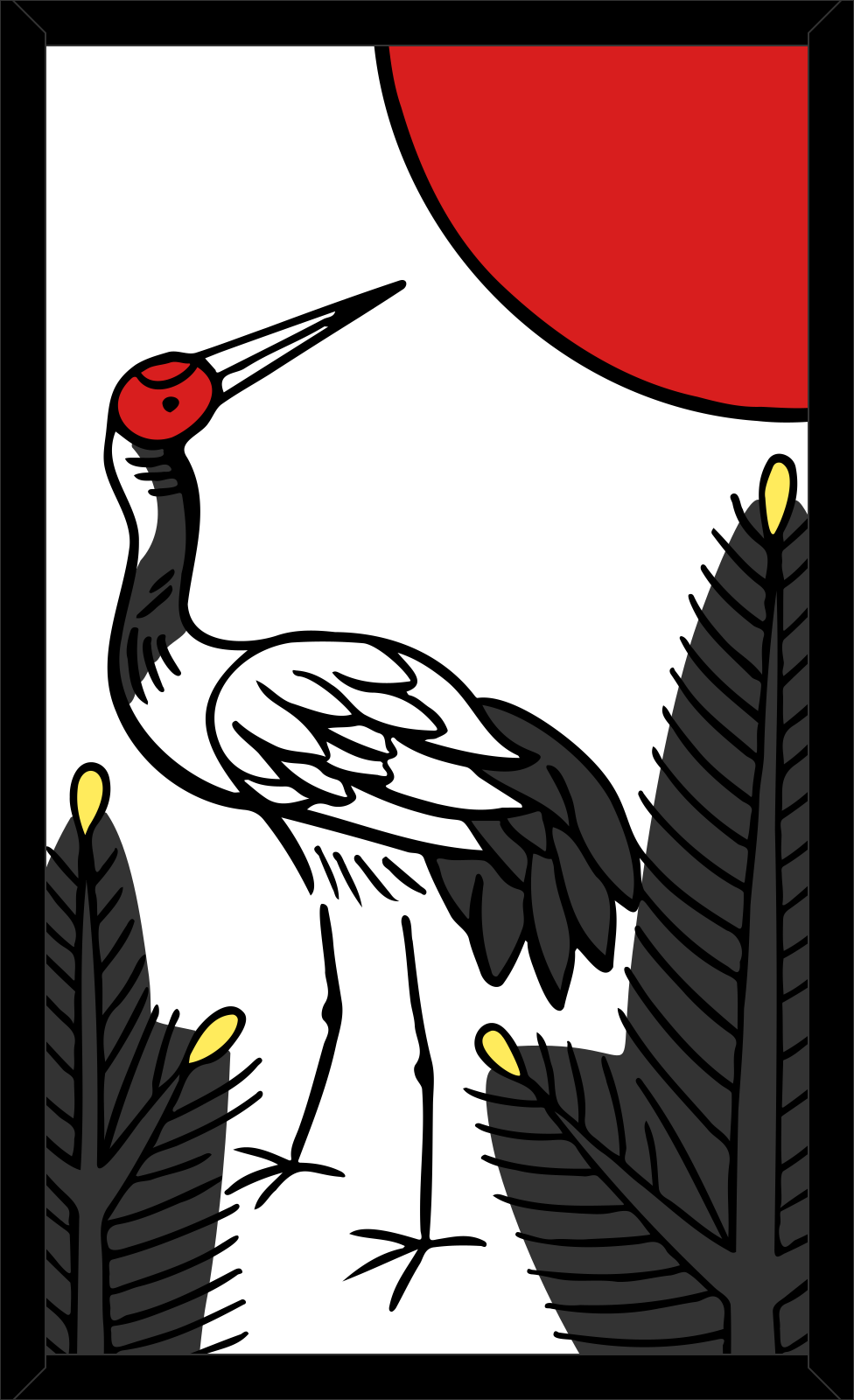
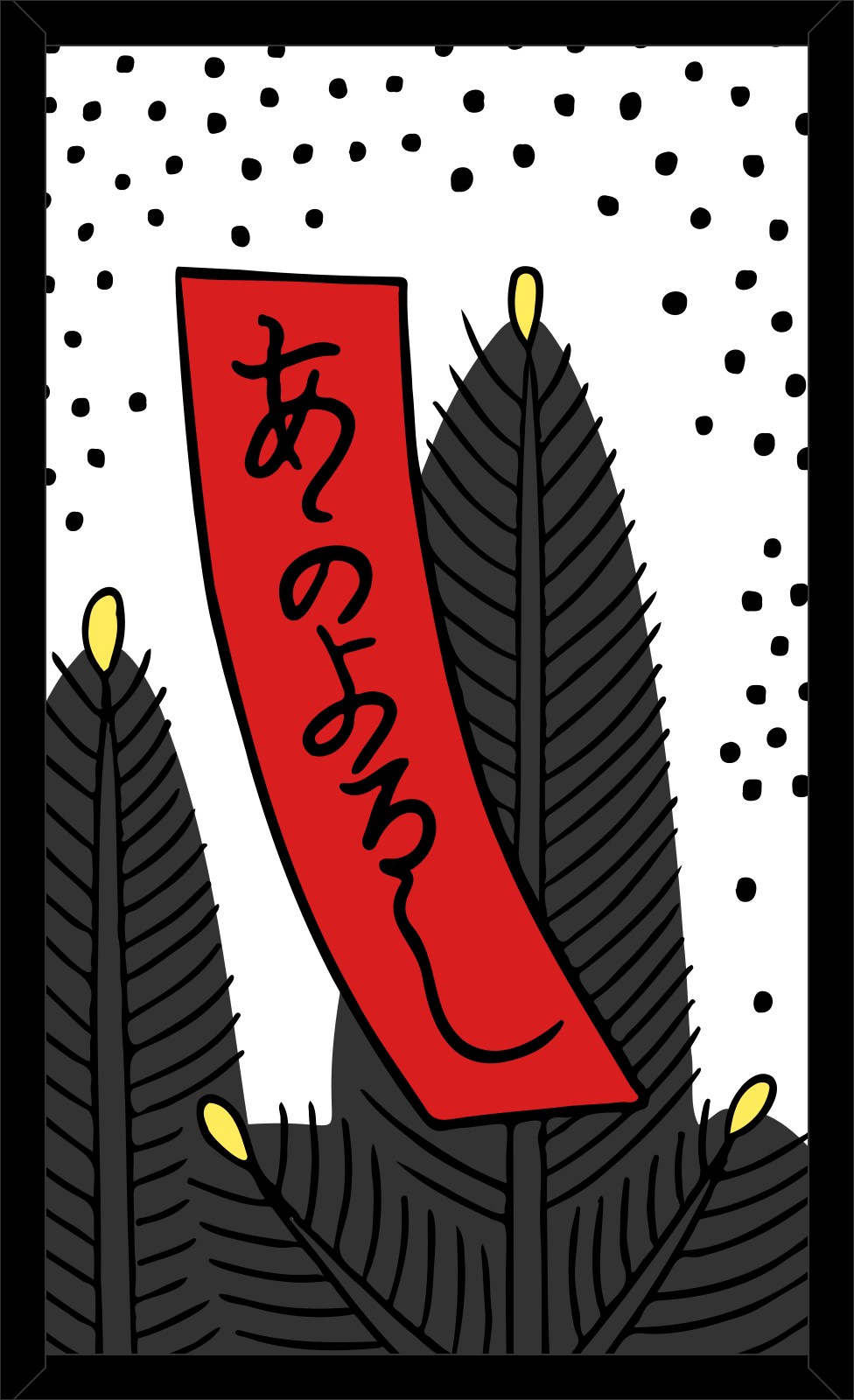
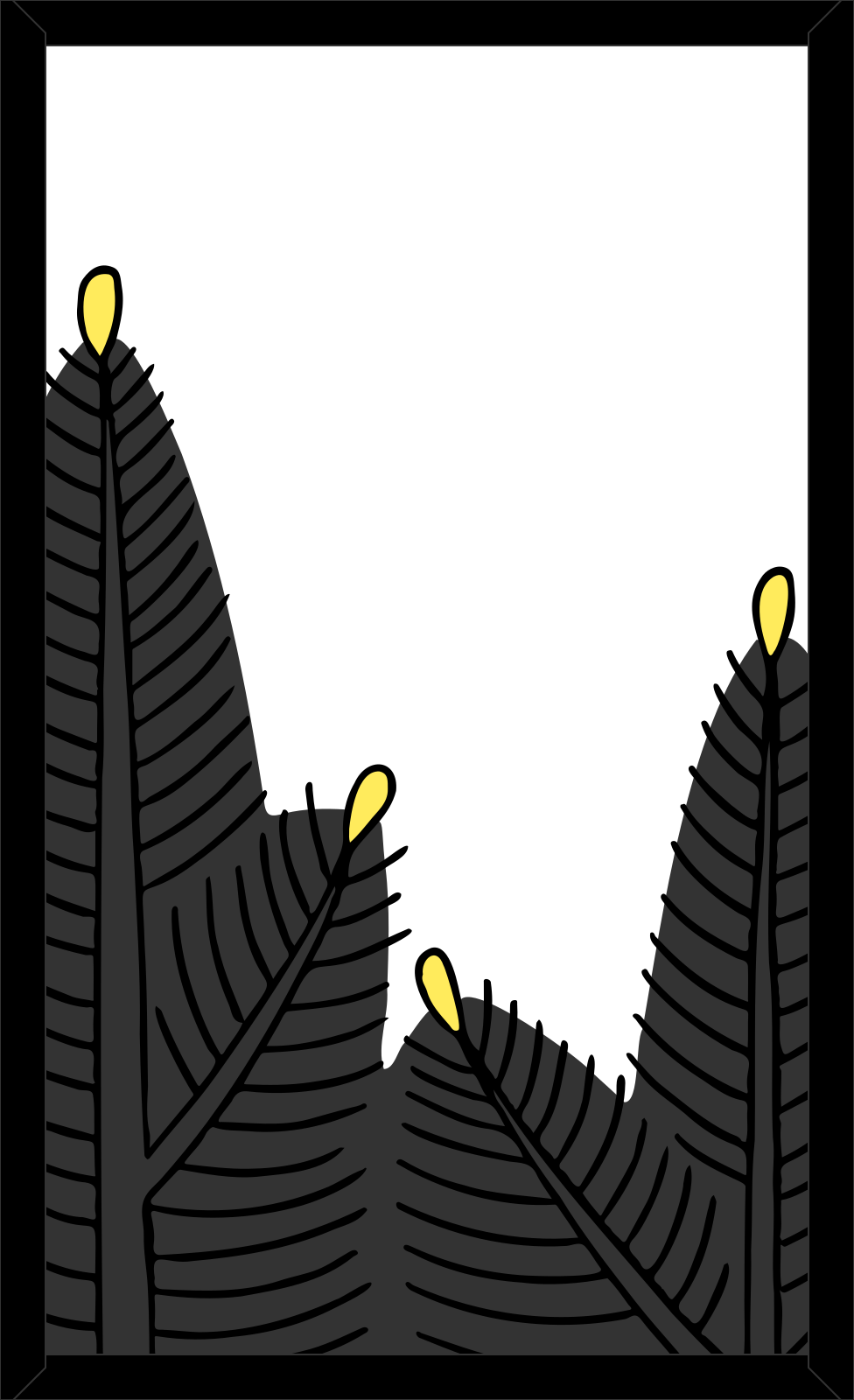
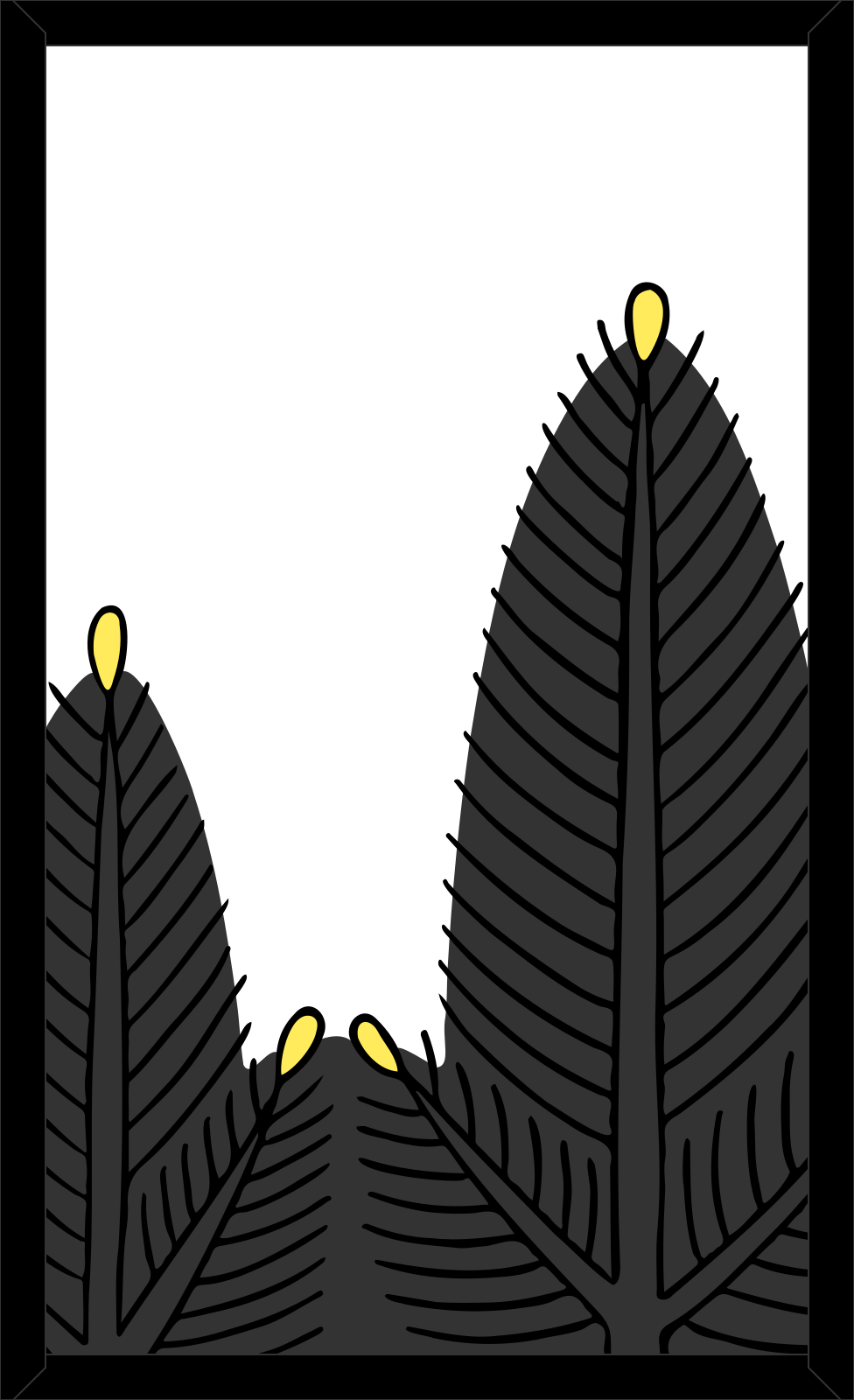
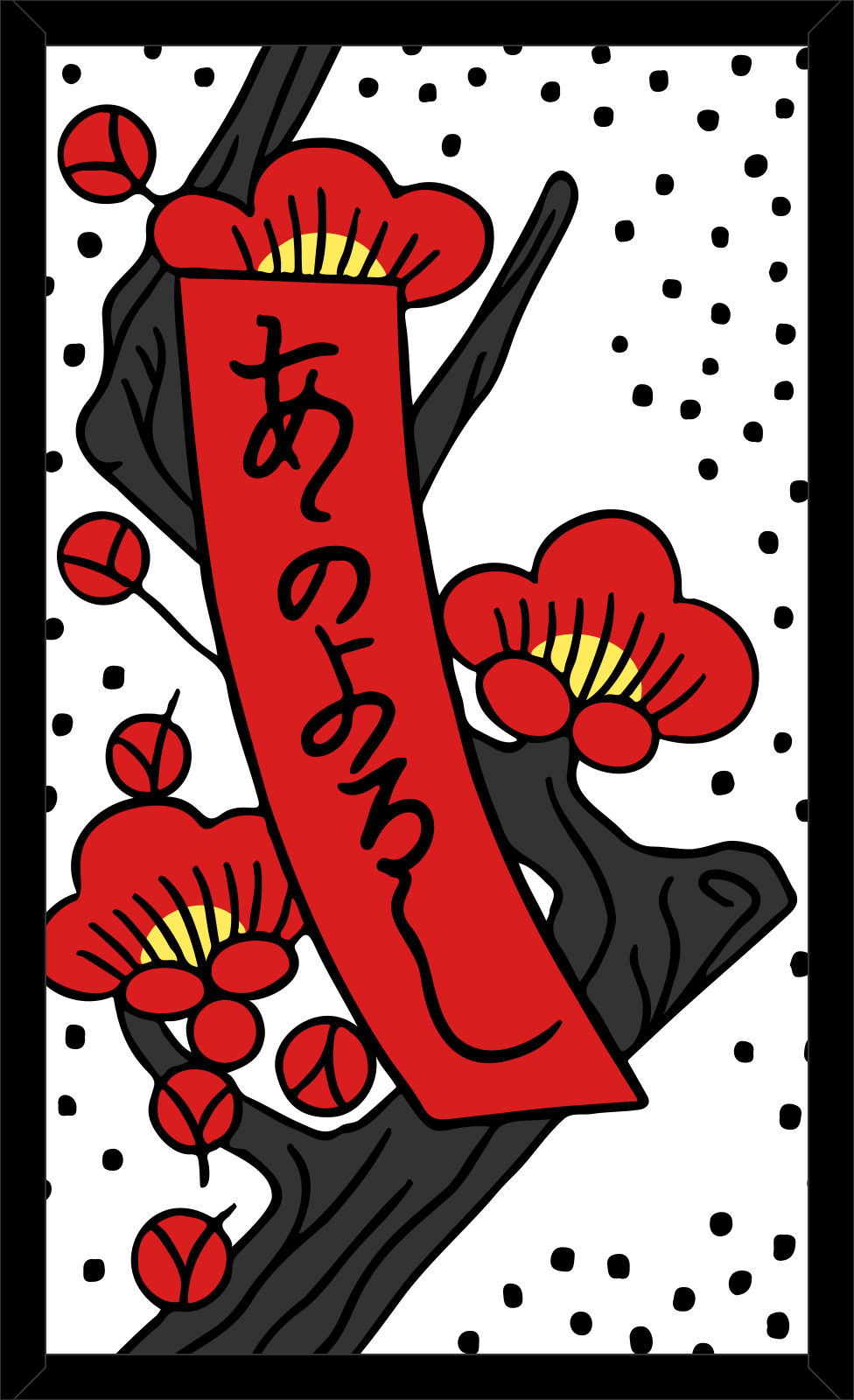
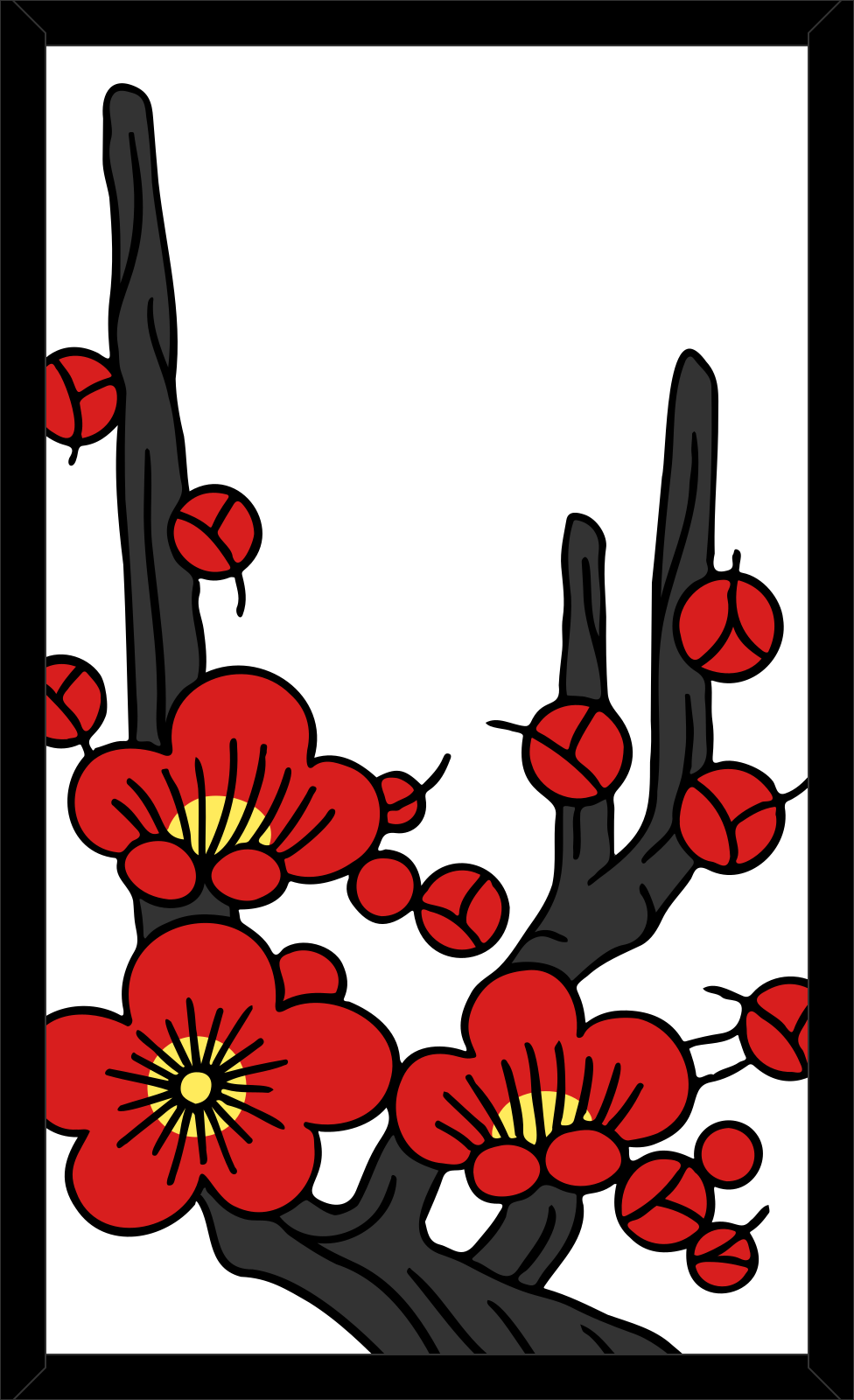
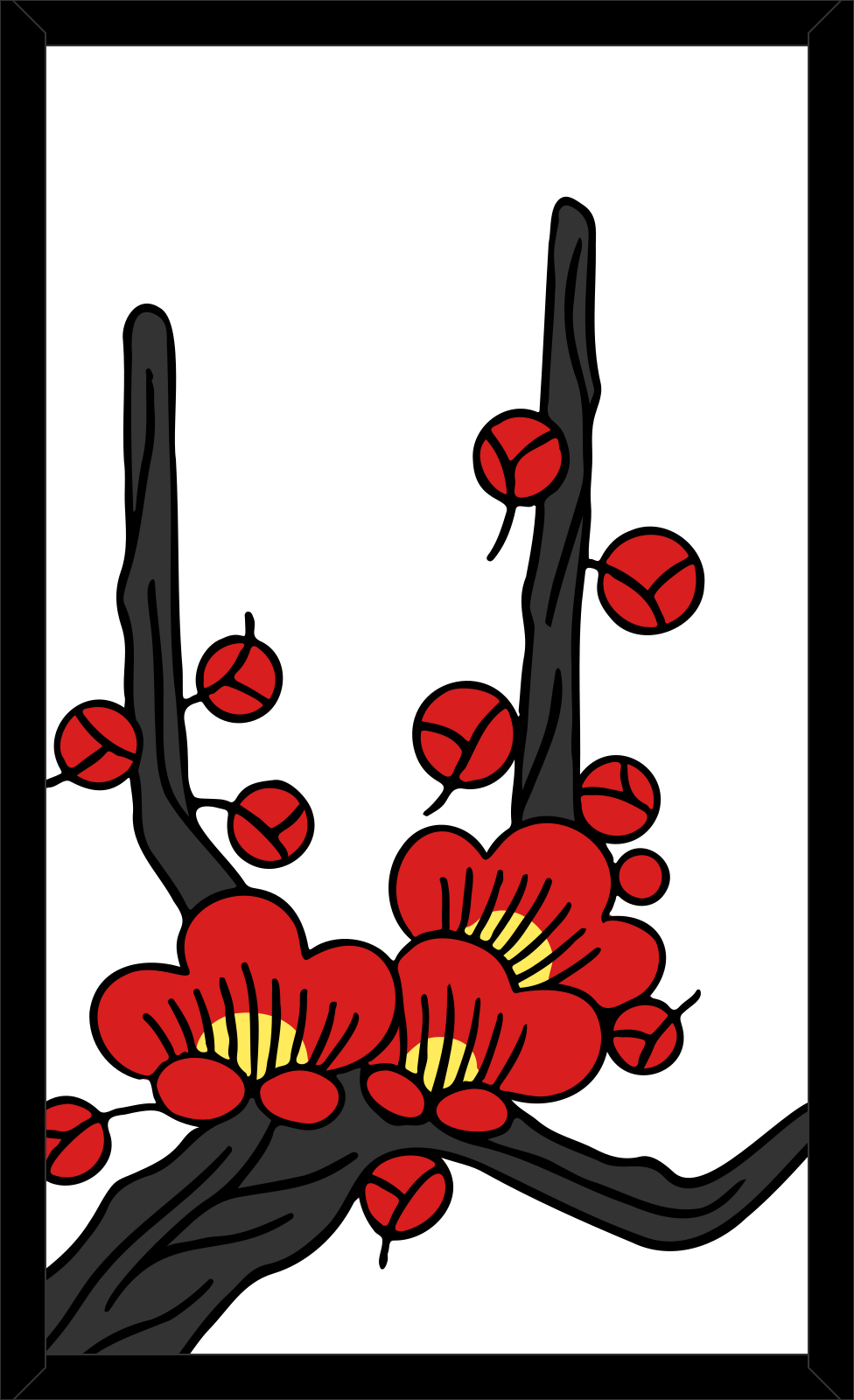
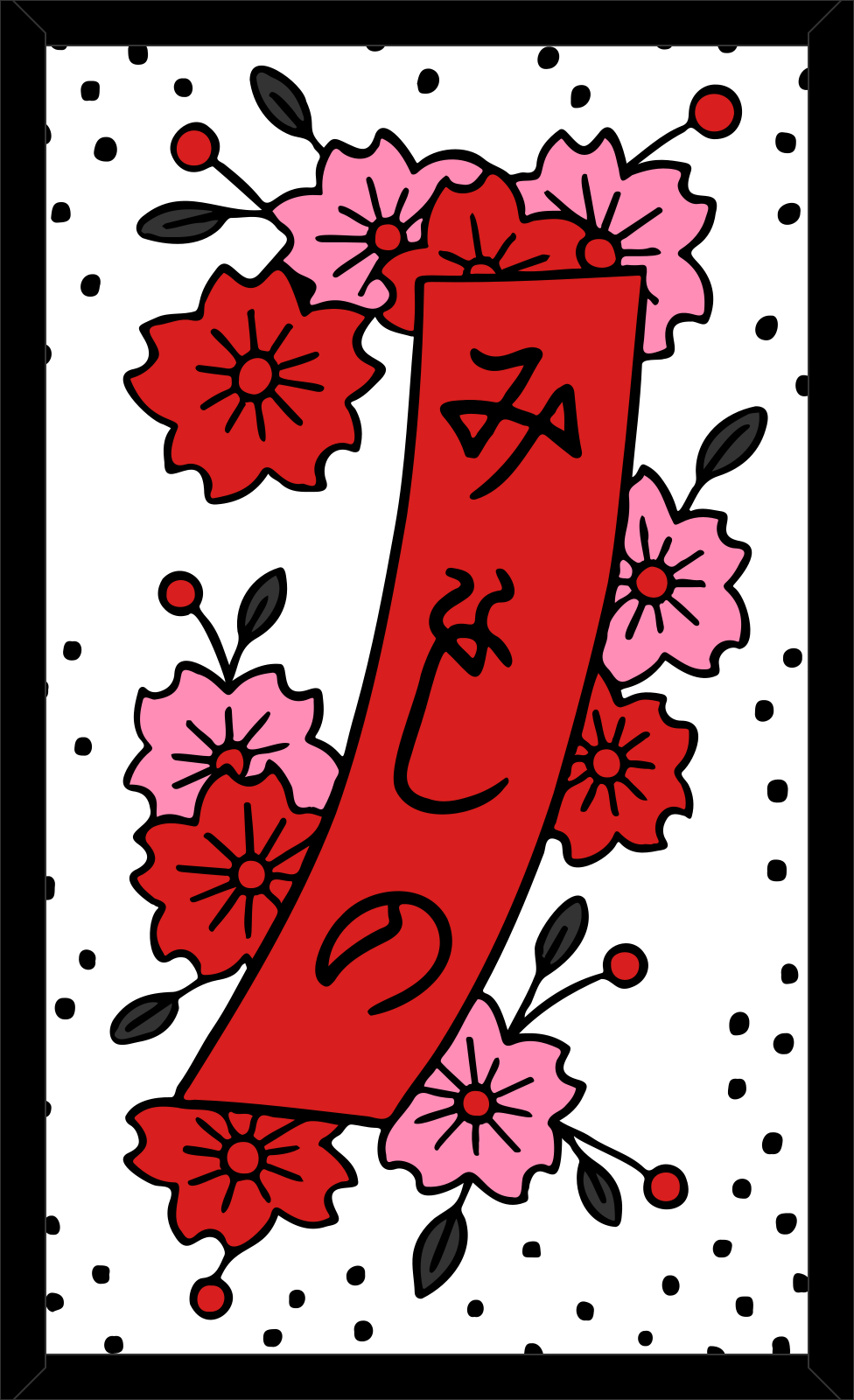
A hanafuda deck has twelve suits, one per month, each a flower or plant: pine for January, plum blossom for February, cherry blossom for March and so on to paulownia for December. Each month has four cards, and for matching the month is all that counts.
January · Pine
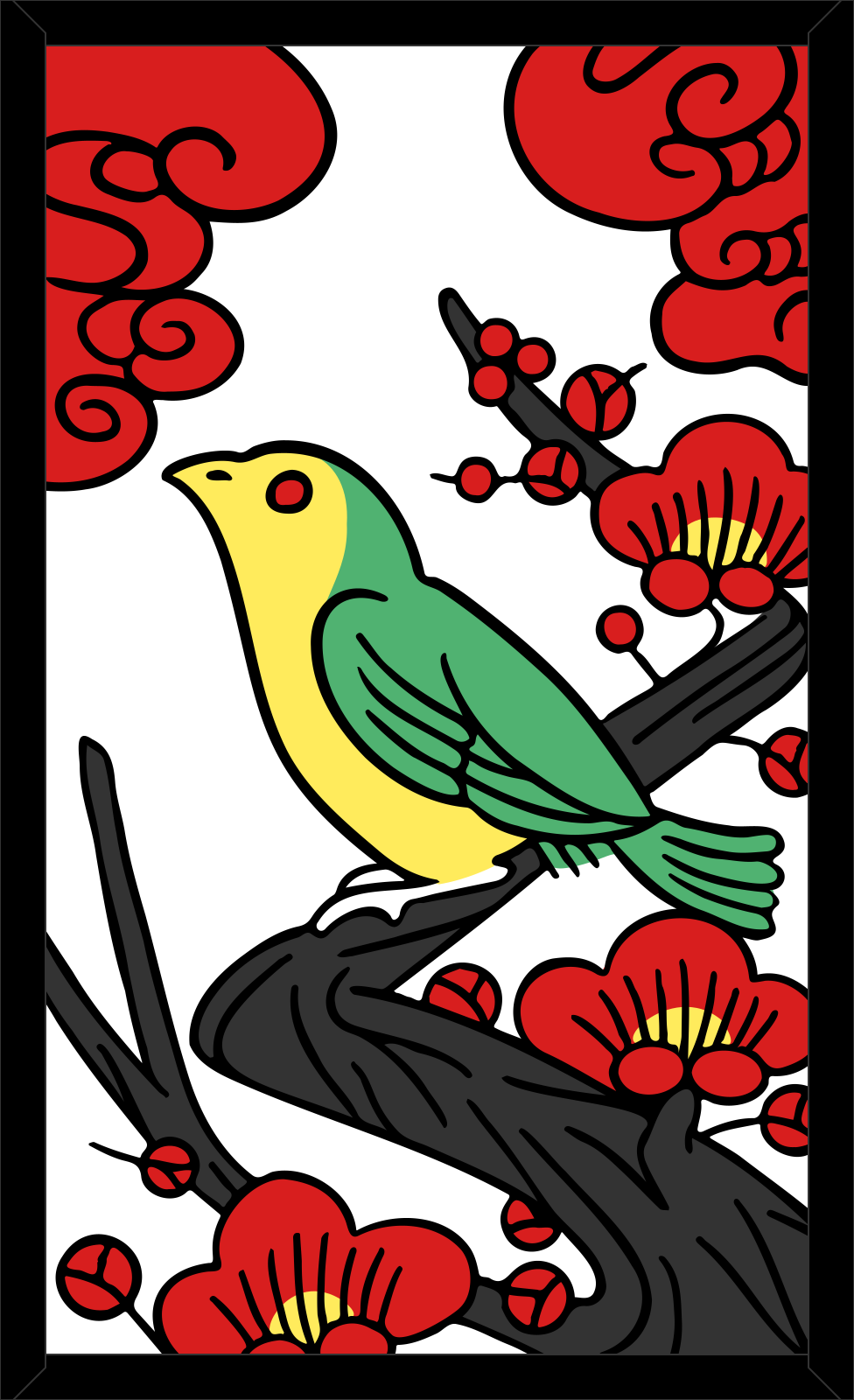
February · Plum
March · Cherry
April · Wisteria
May · Iris
June · Peony
July · Lespedeza
August · Pampas
September · Chrysanthemum
October · Maple
November · Willow
December · Paulownia
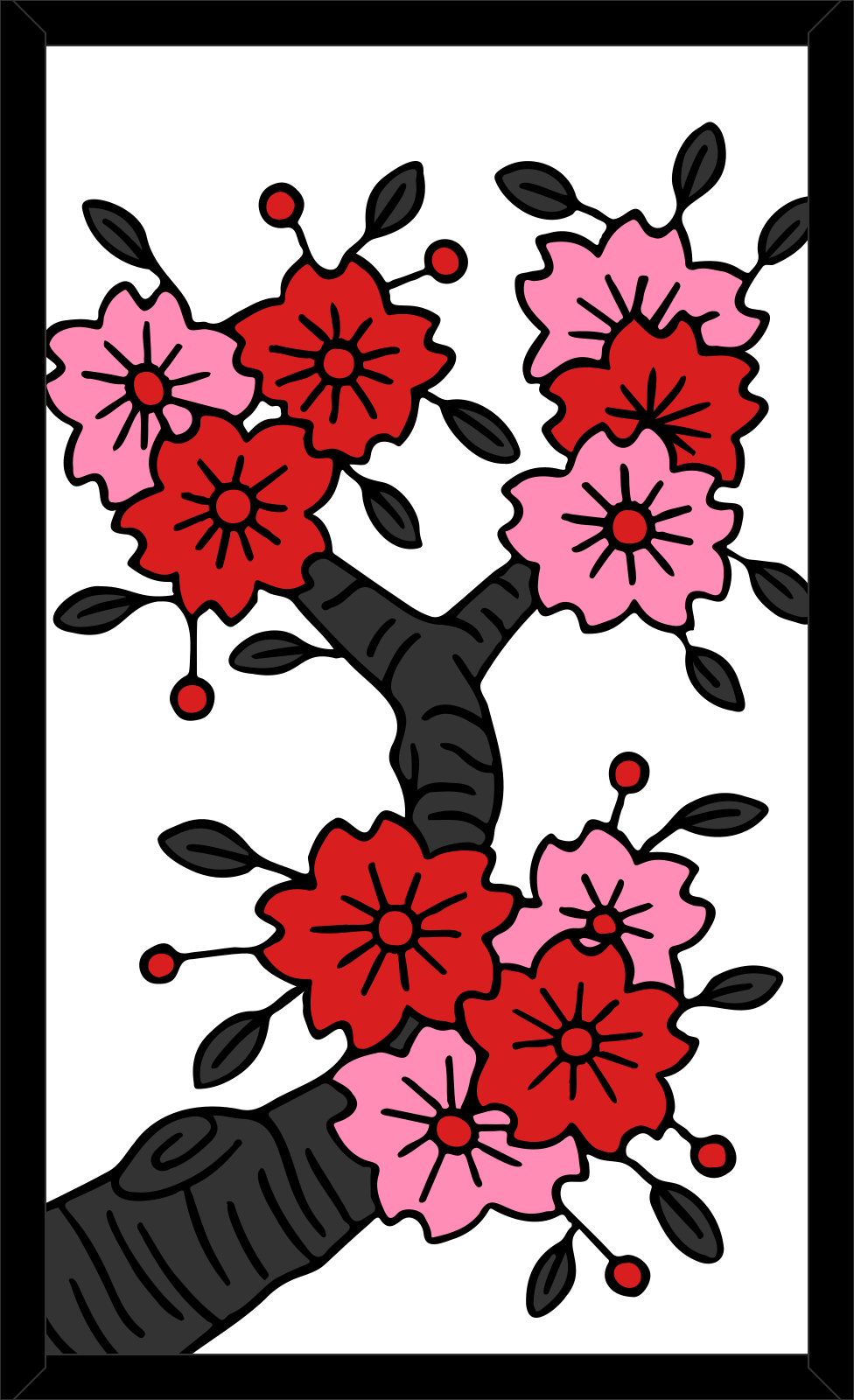
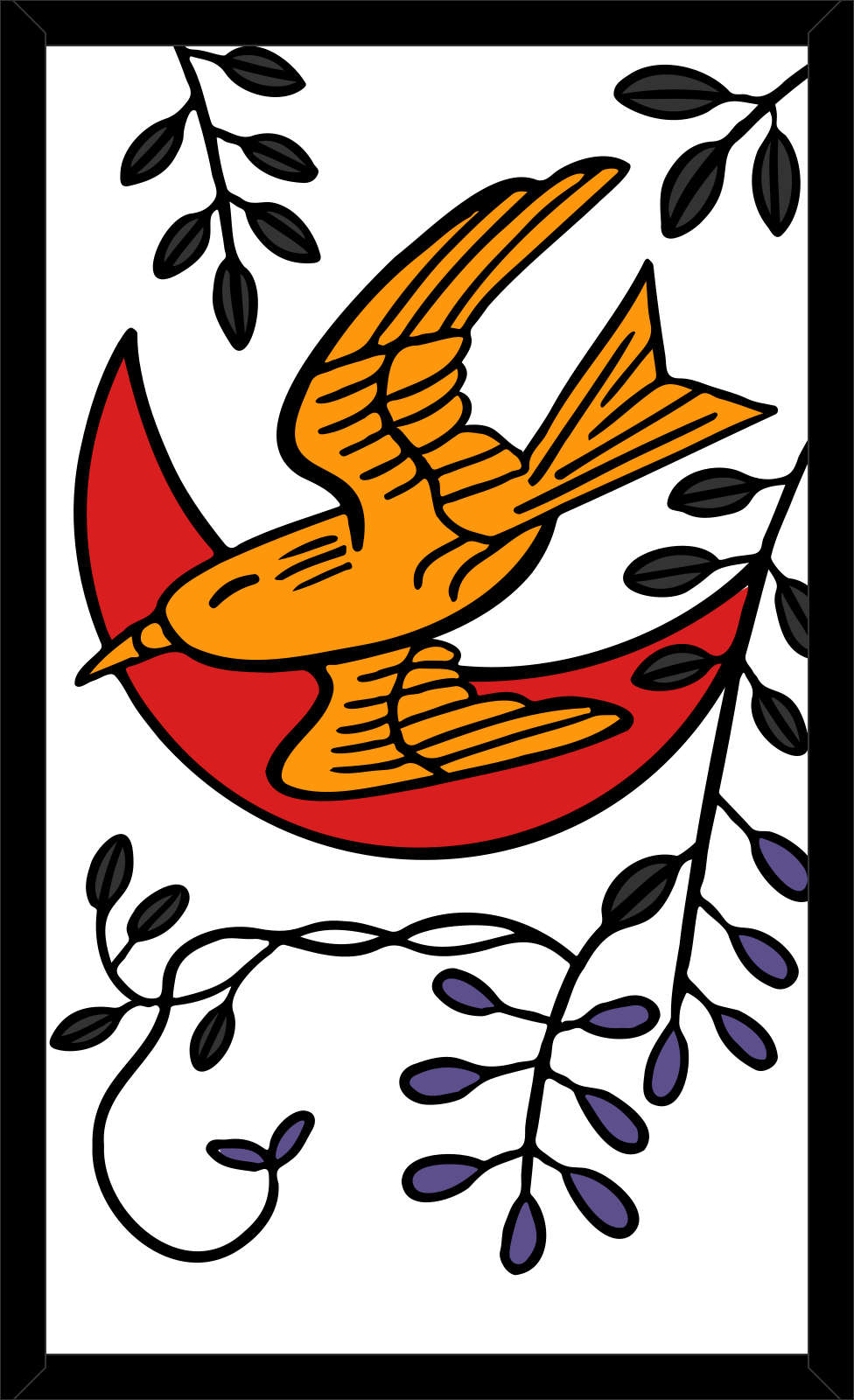
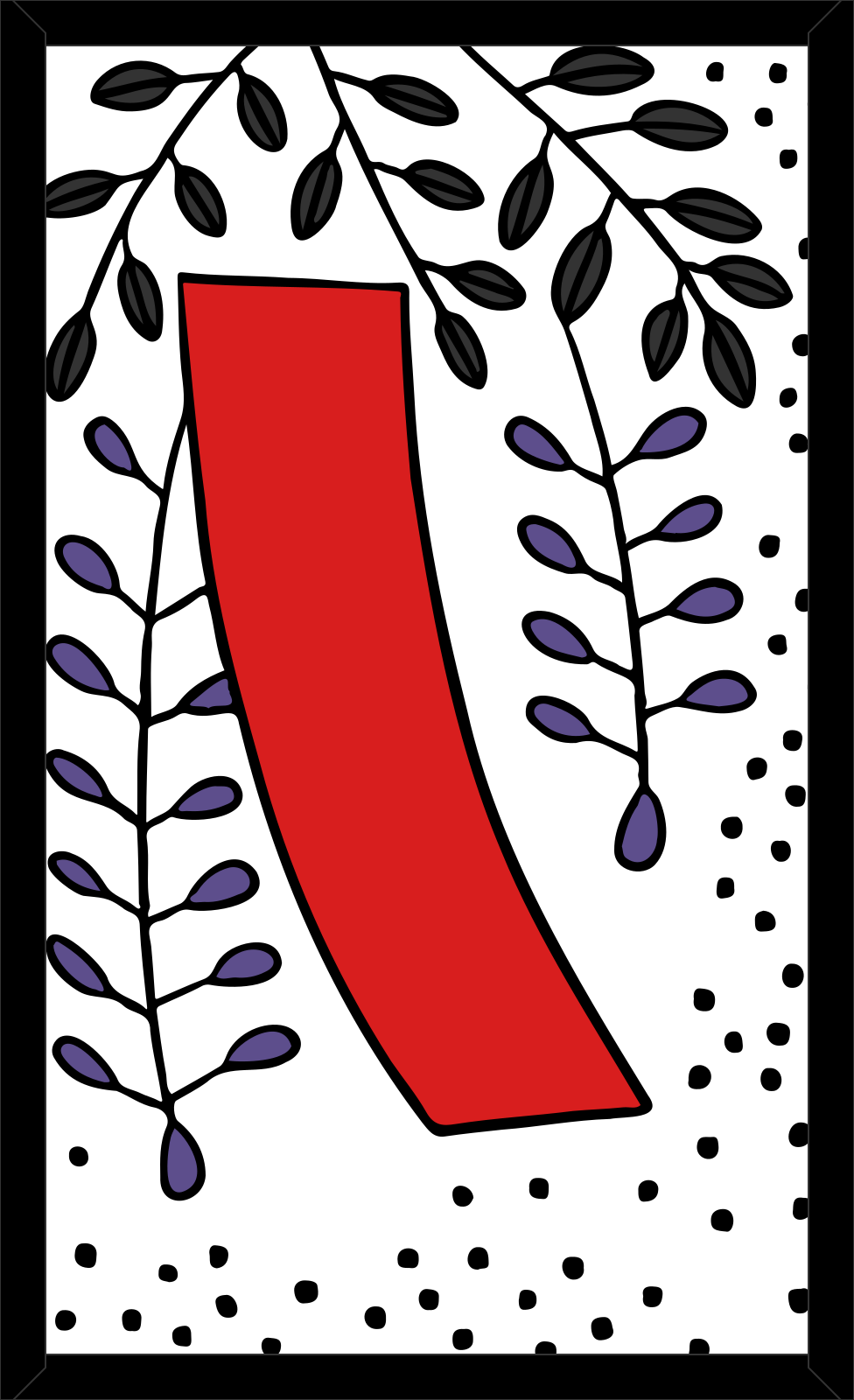
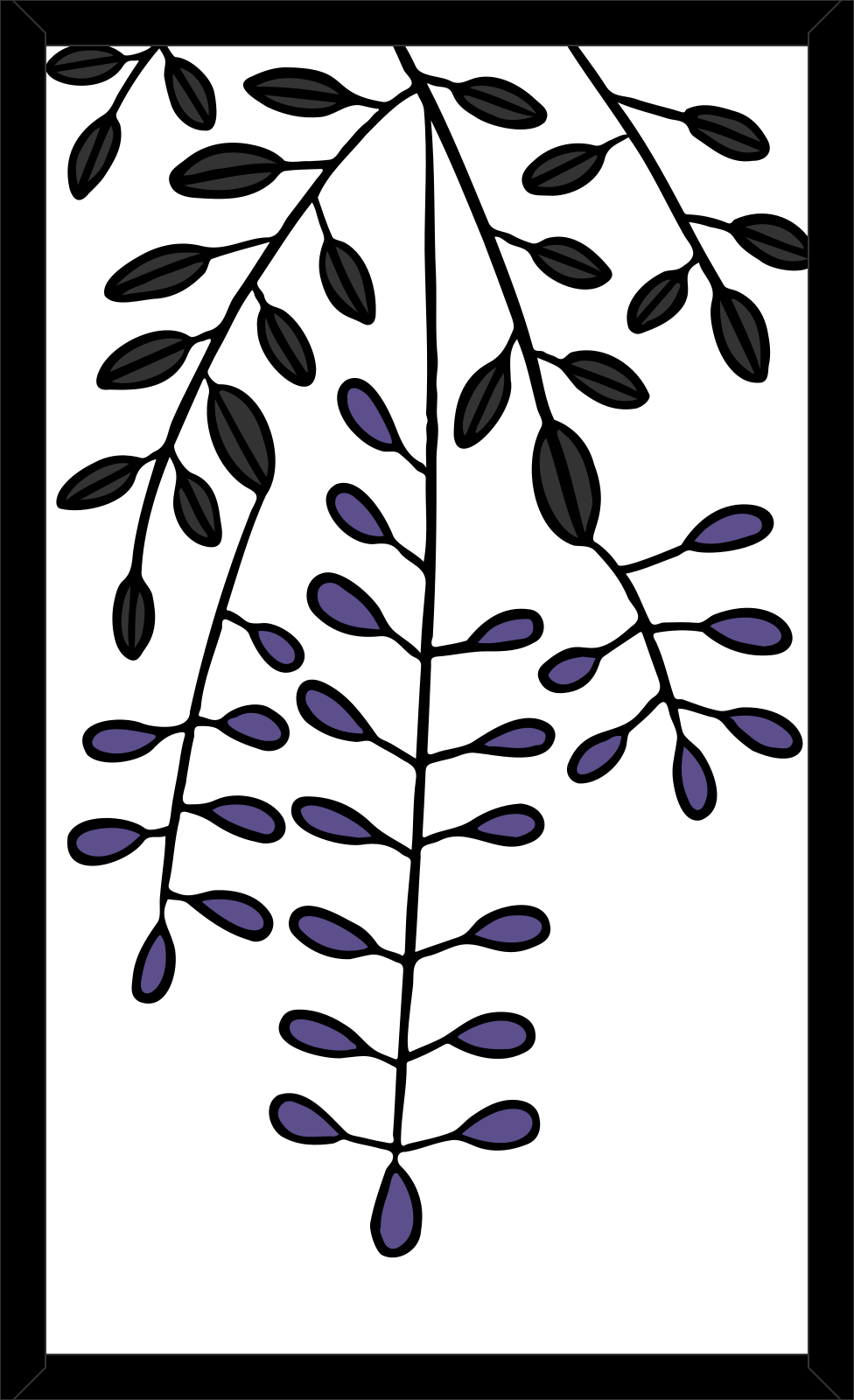

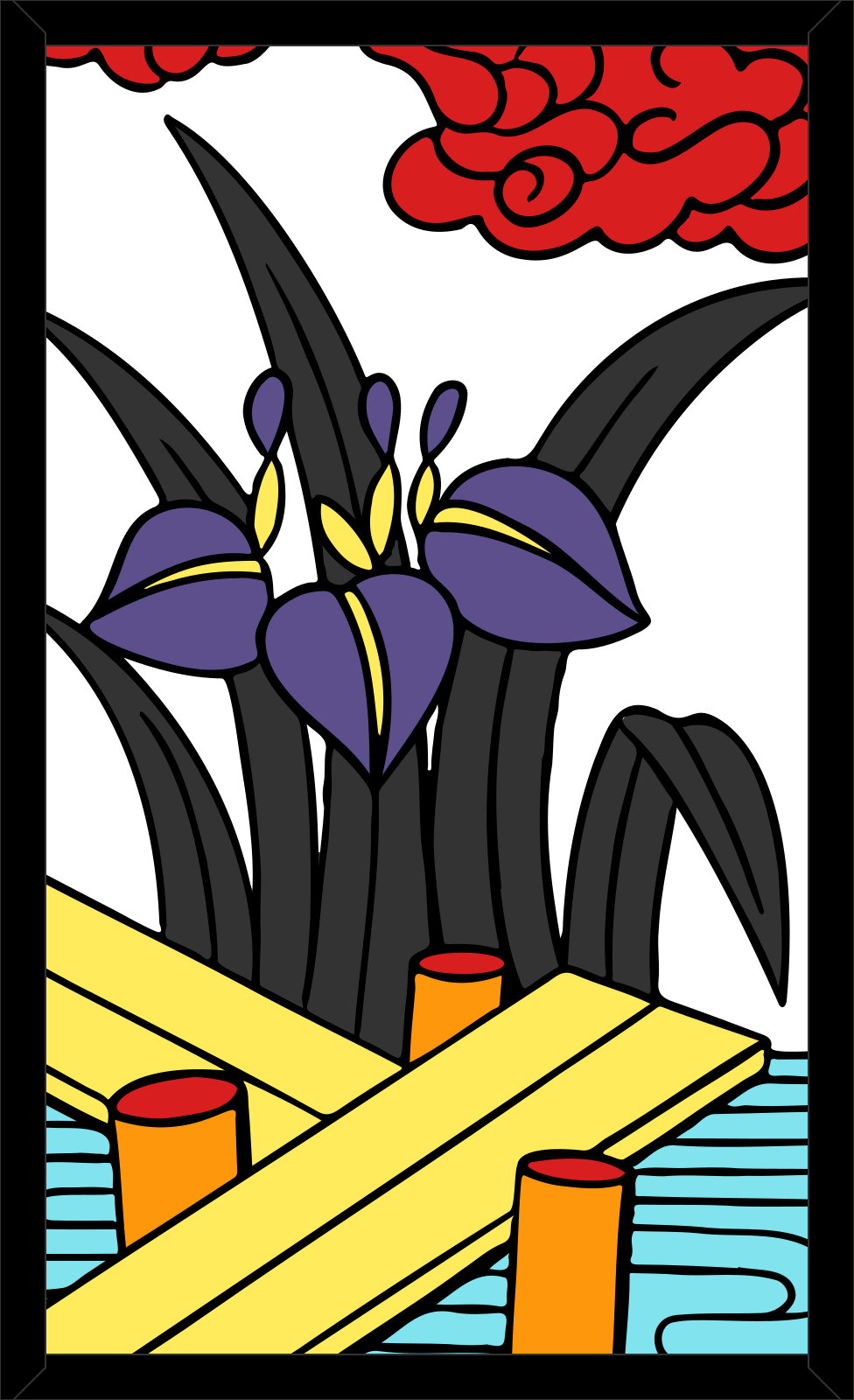
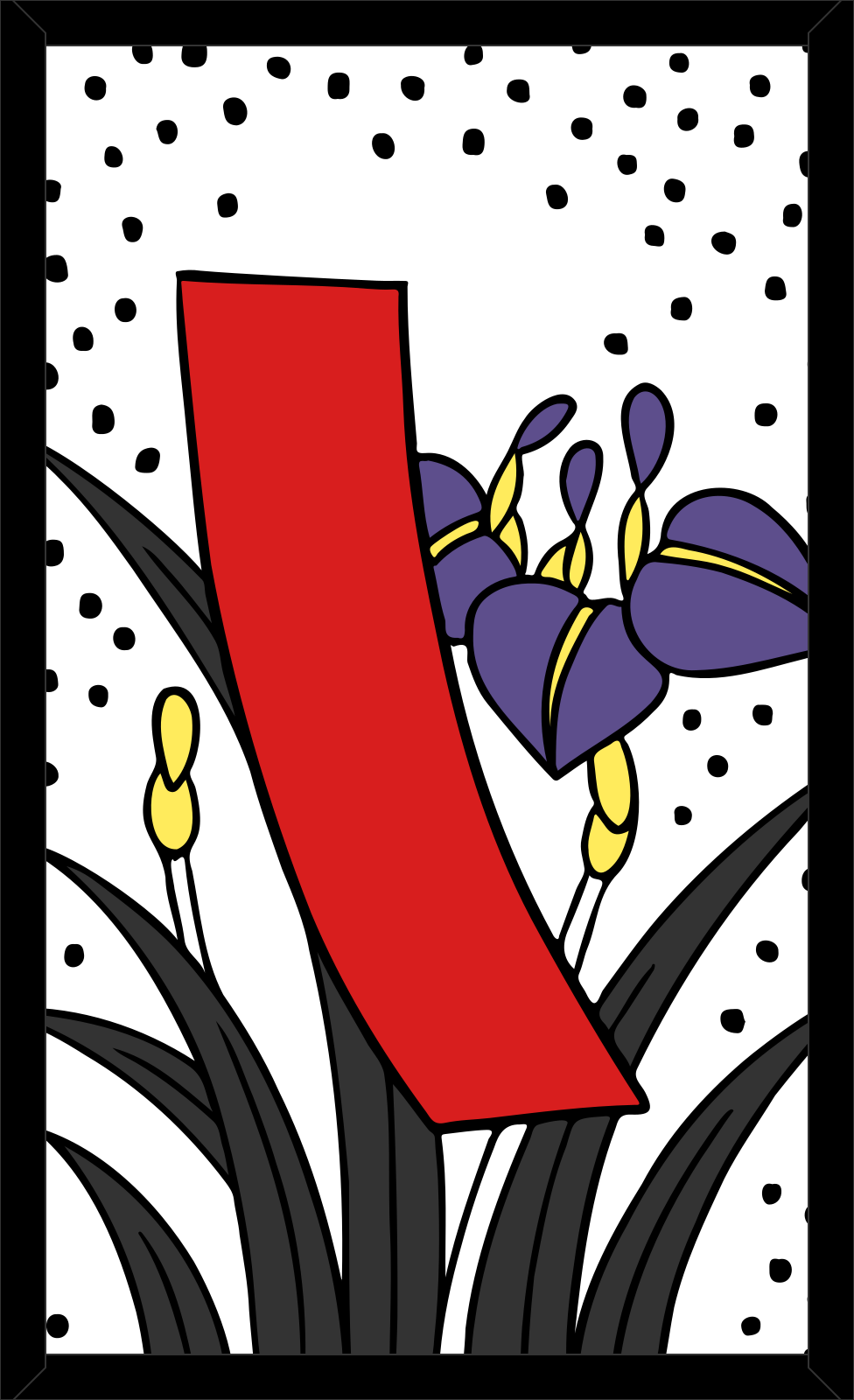
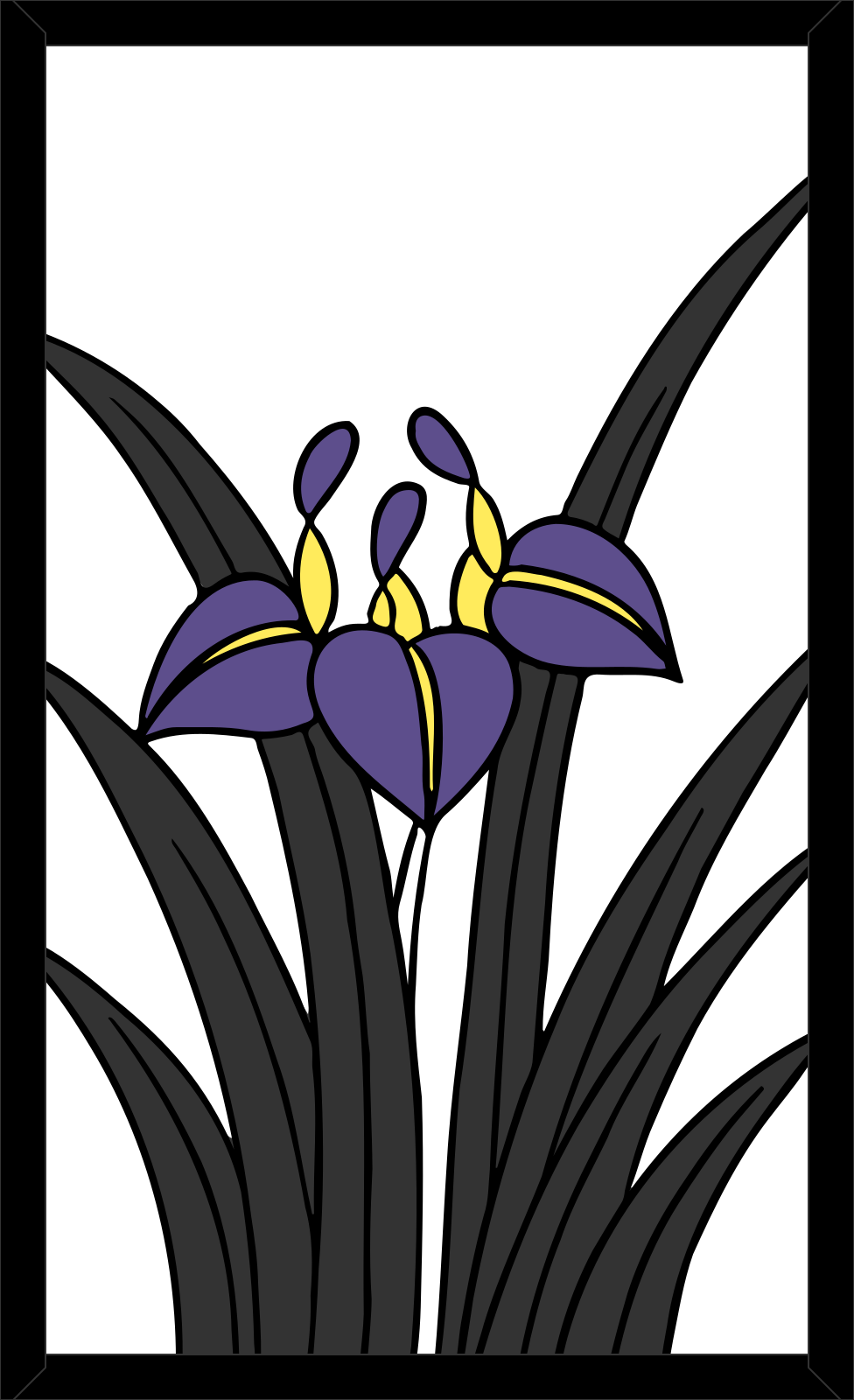
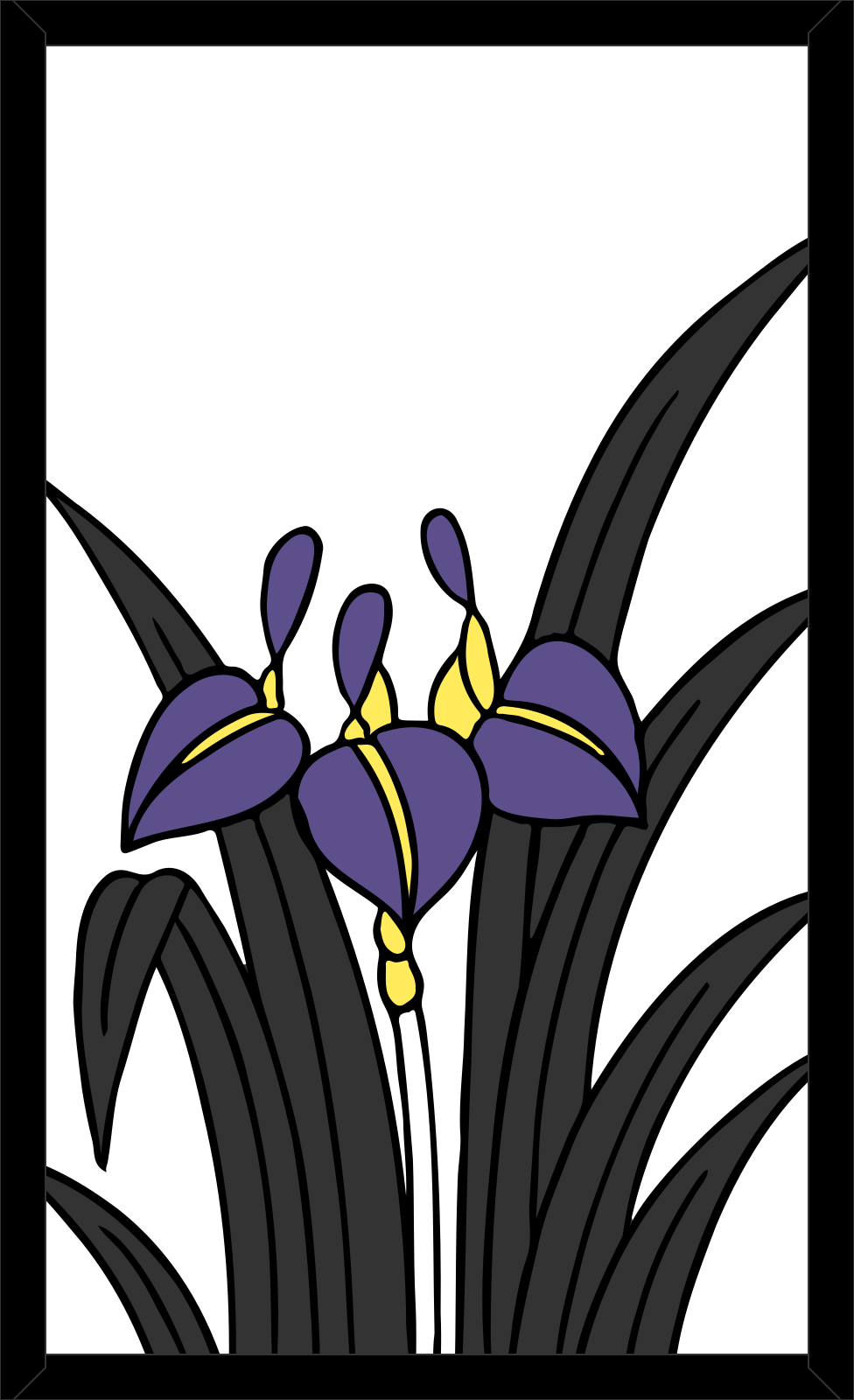
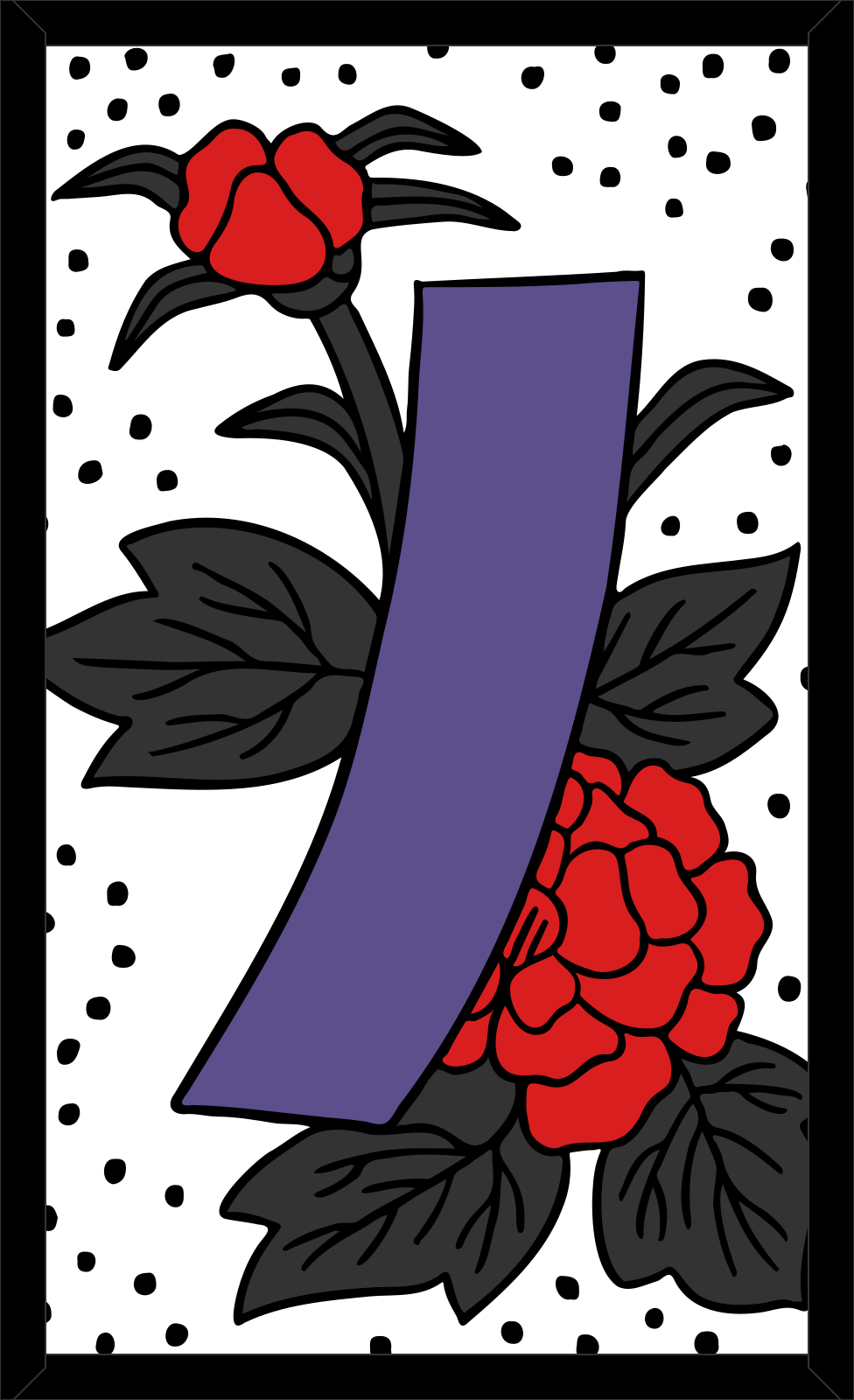
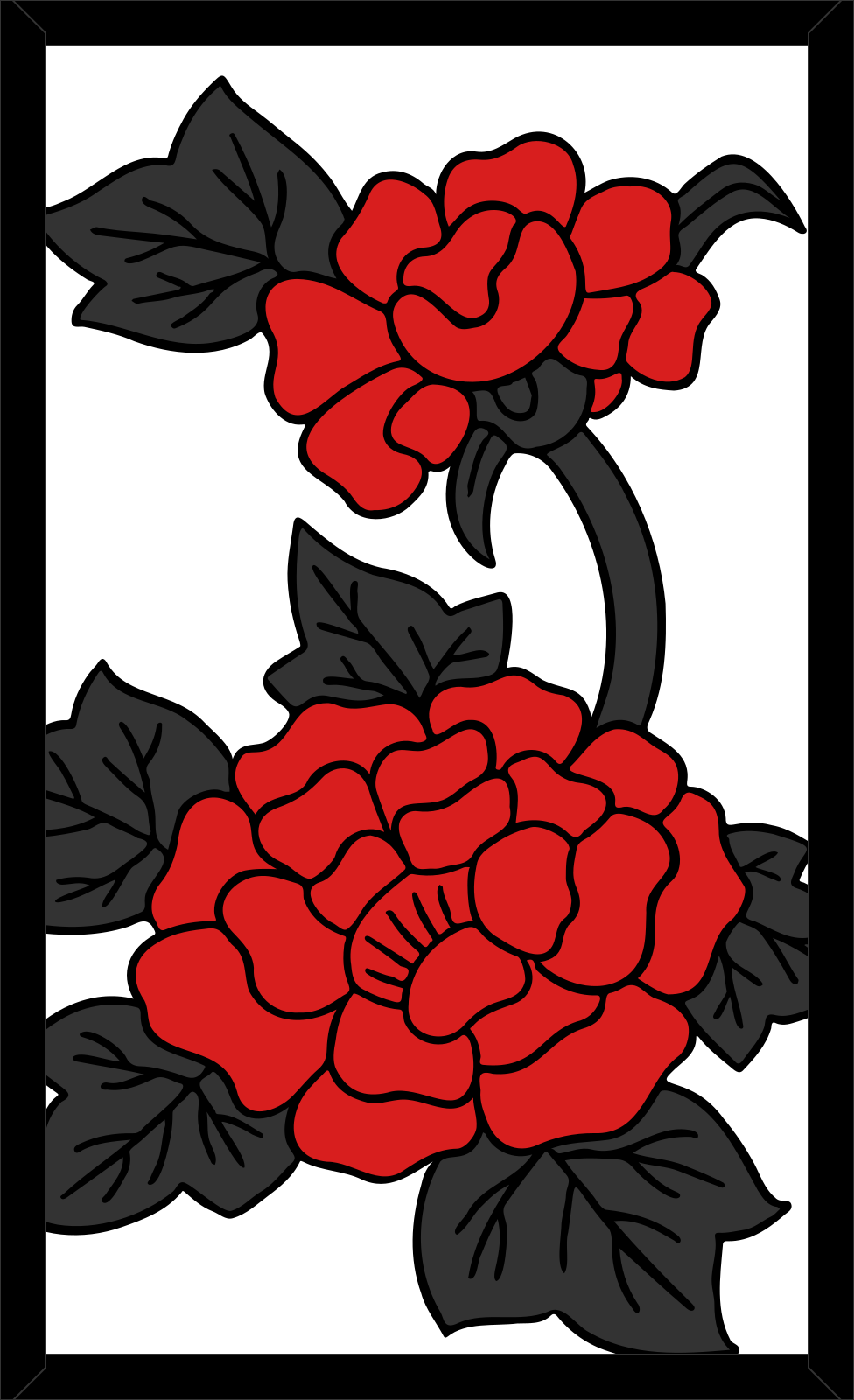

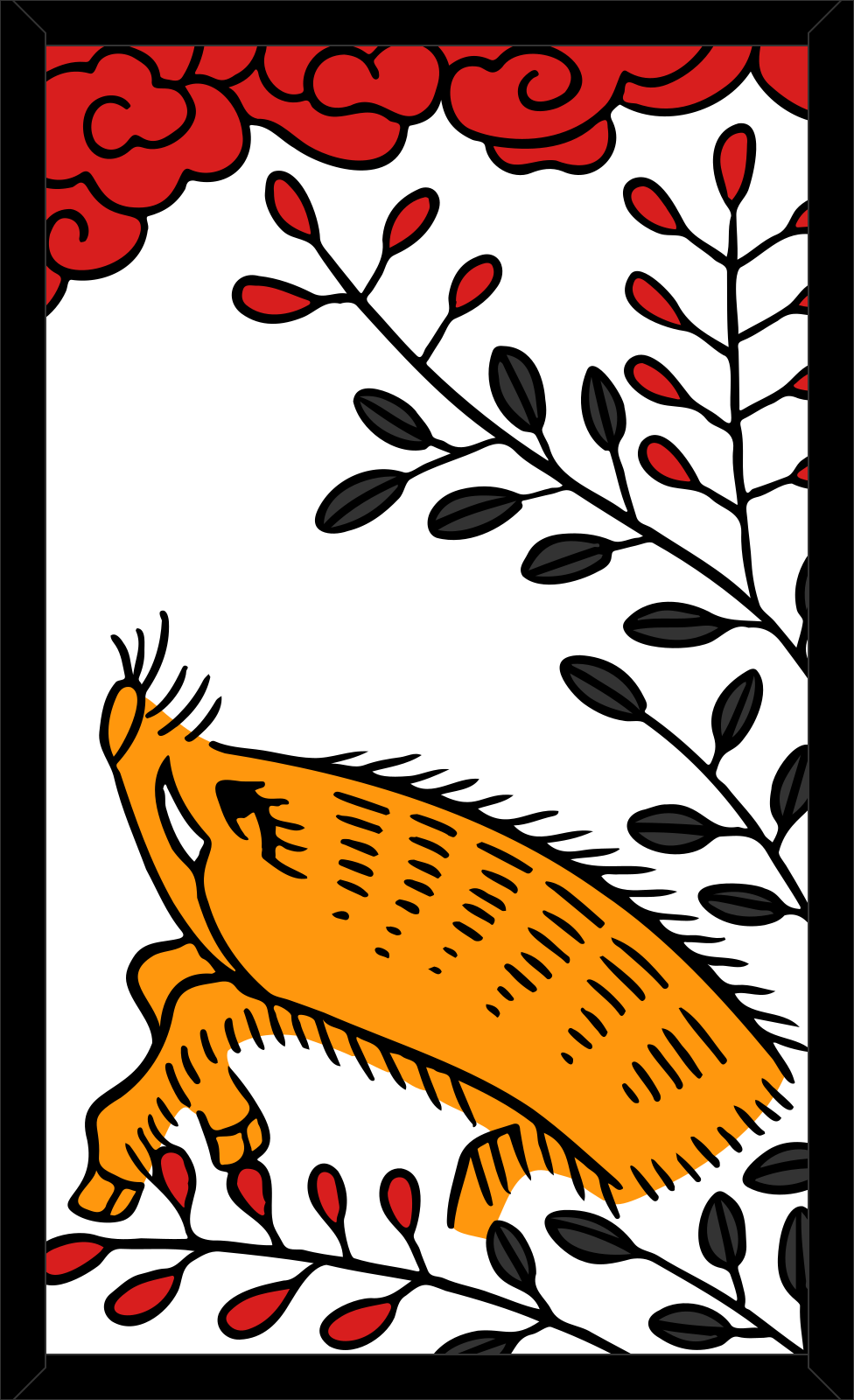


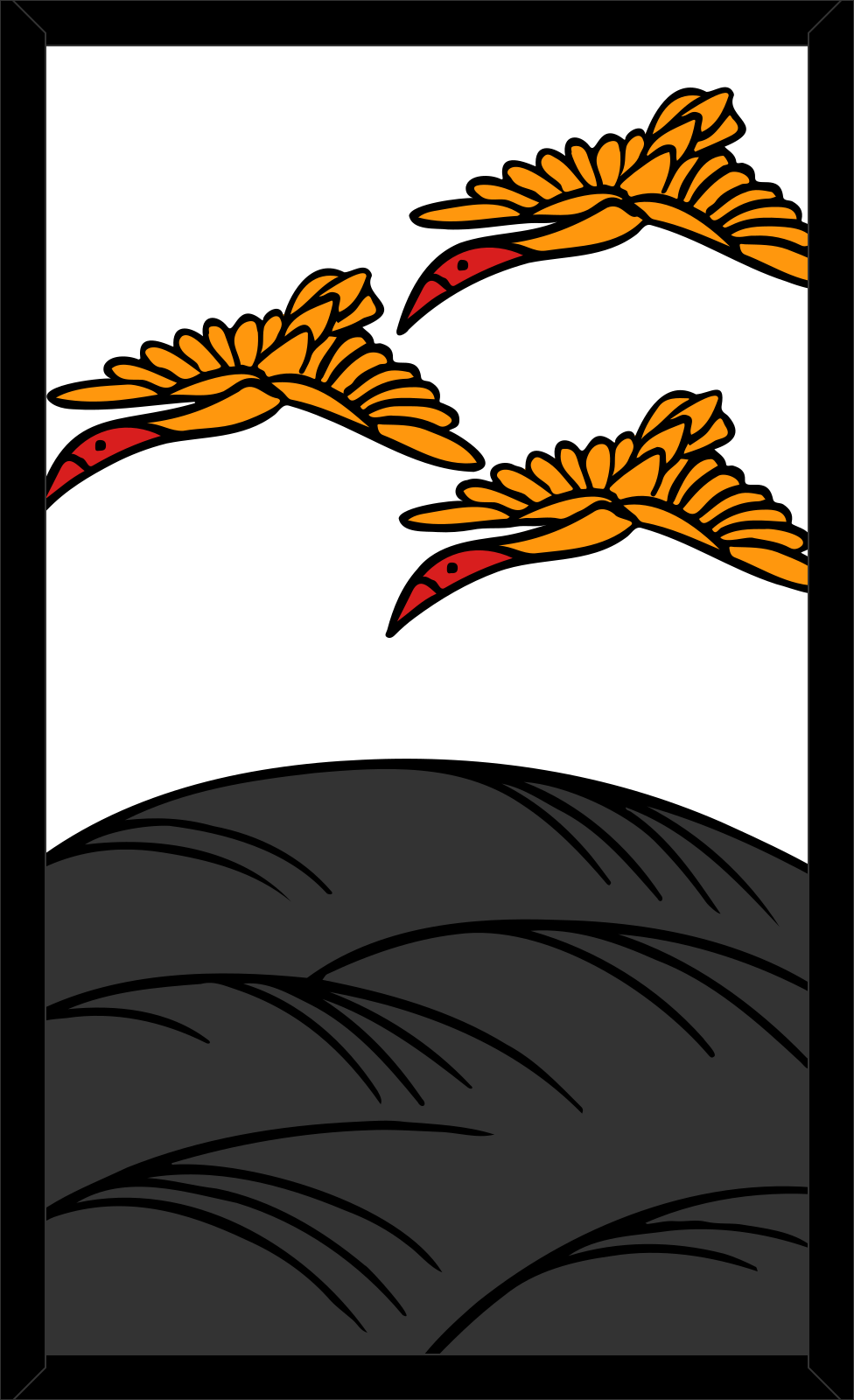
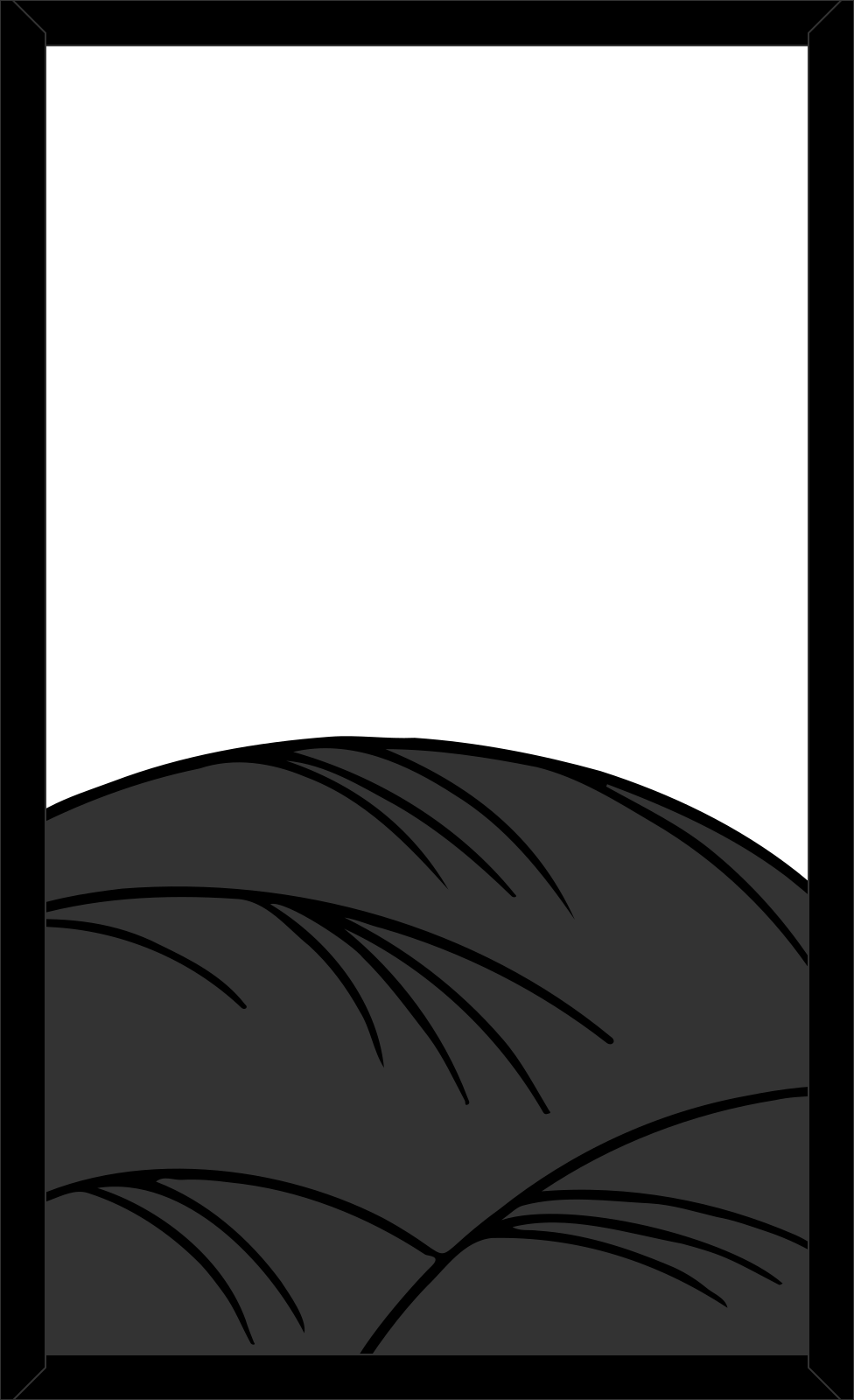
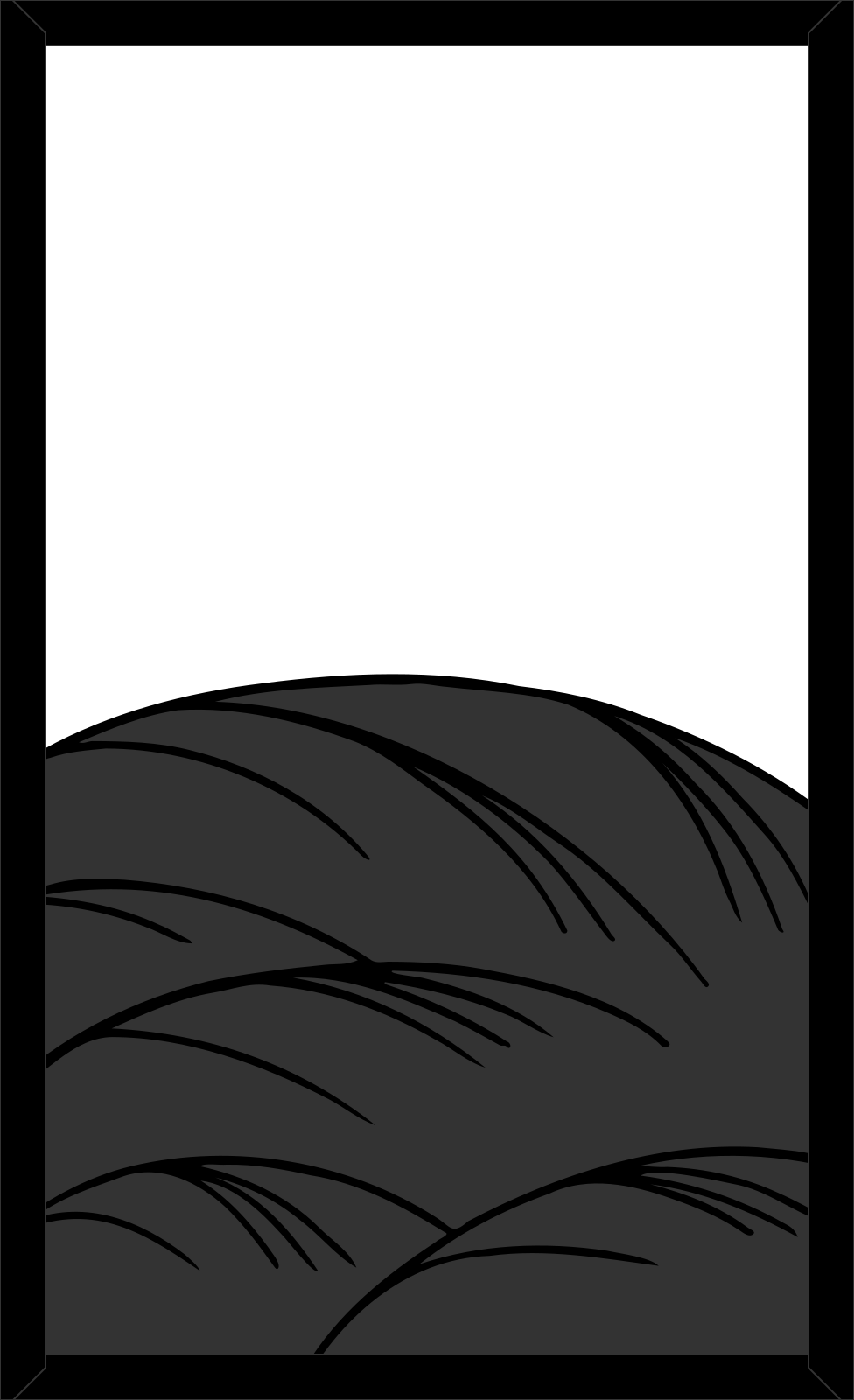
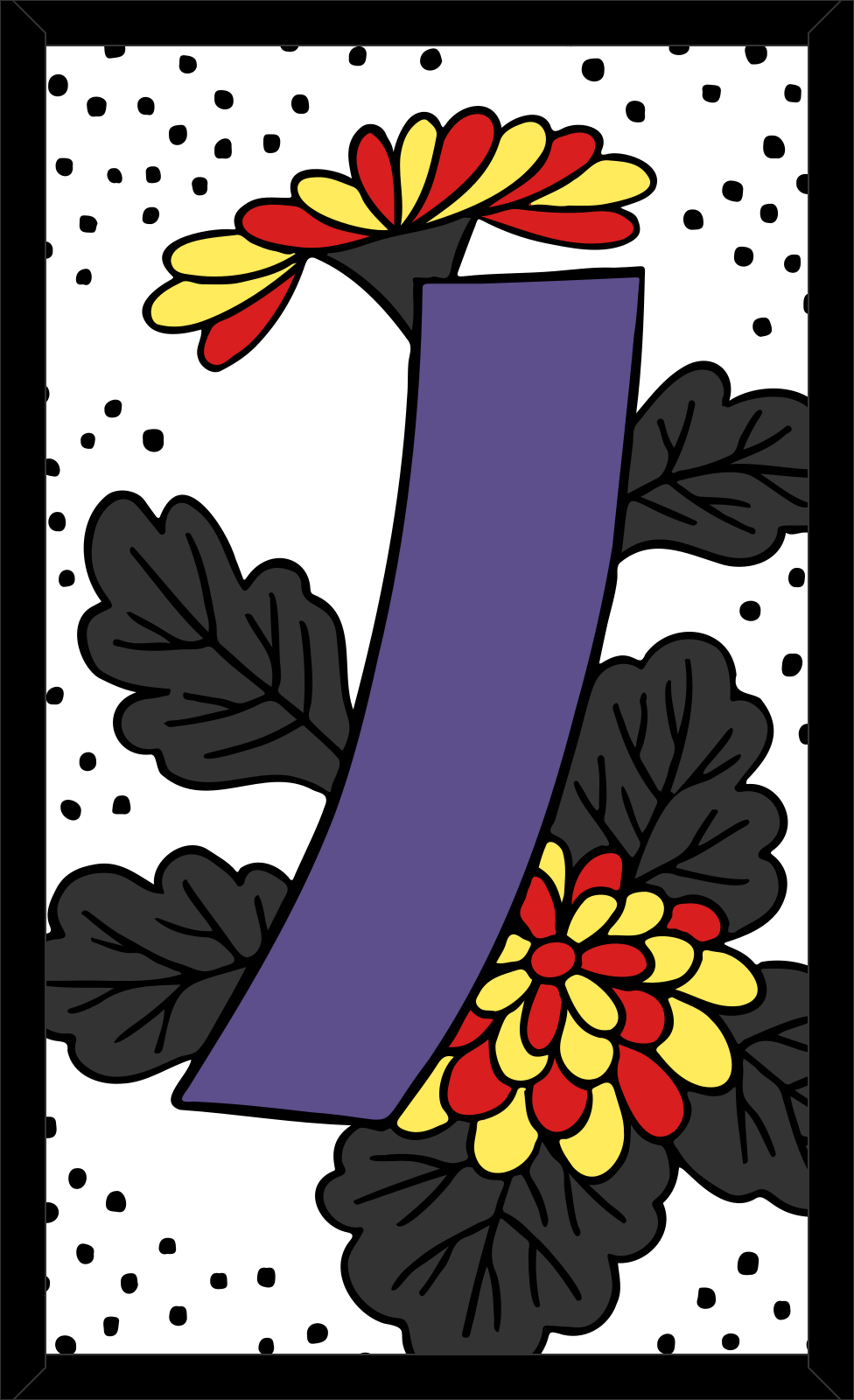
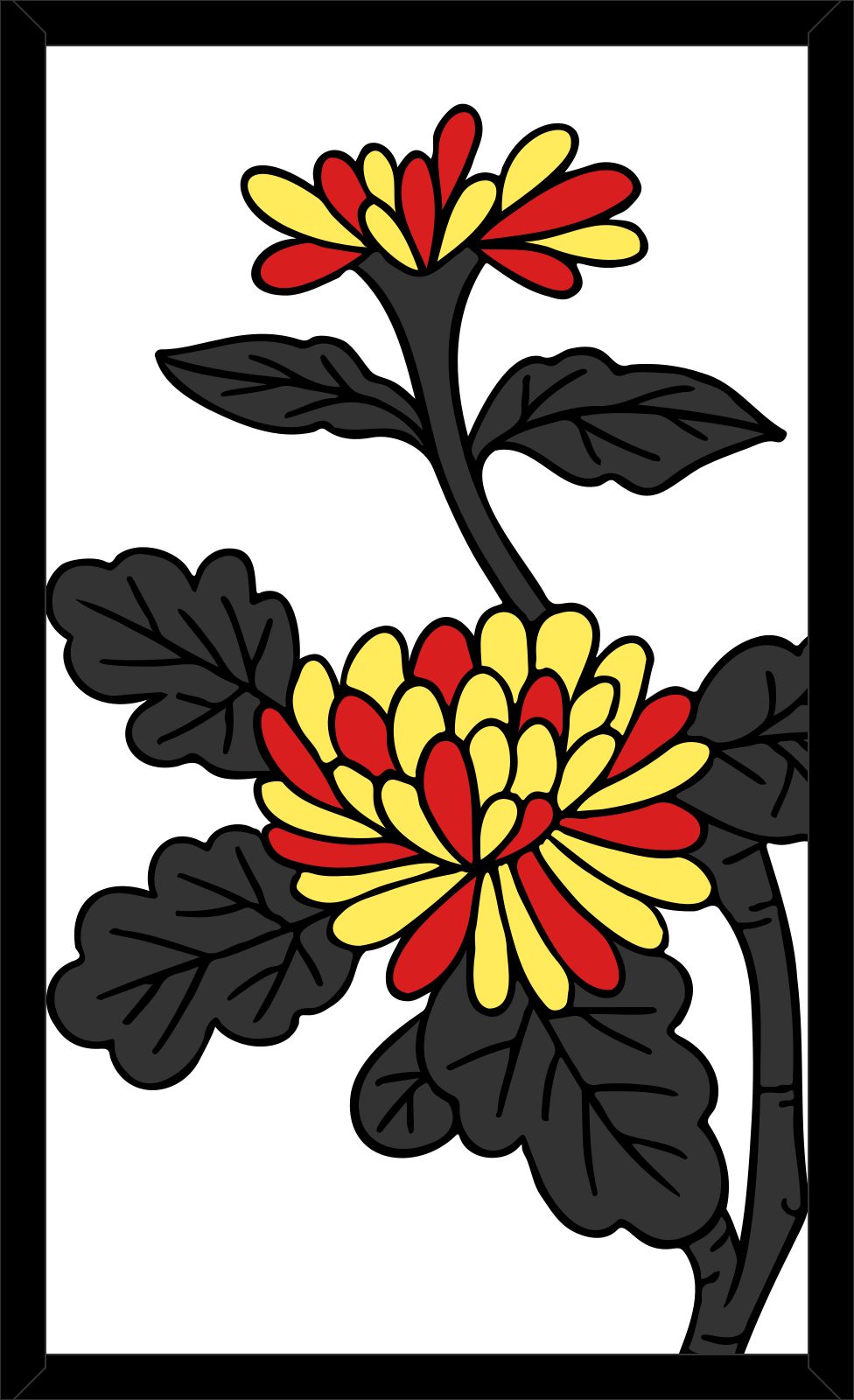
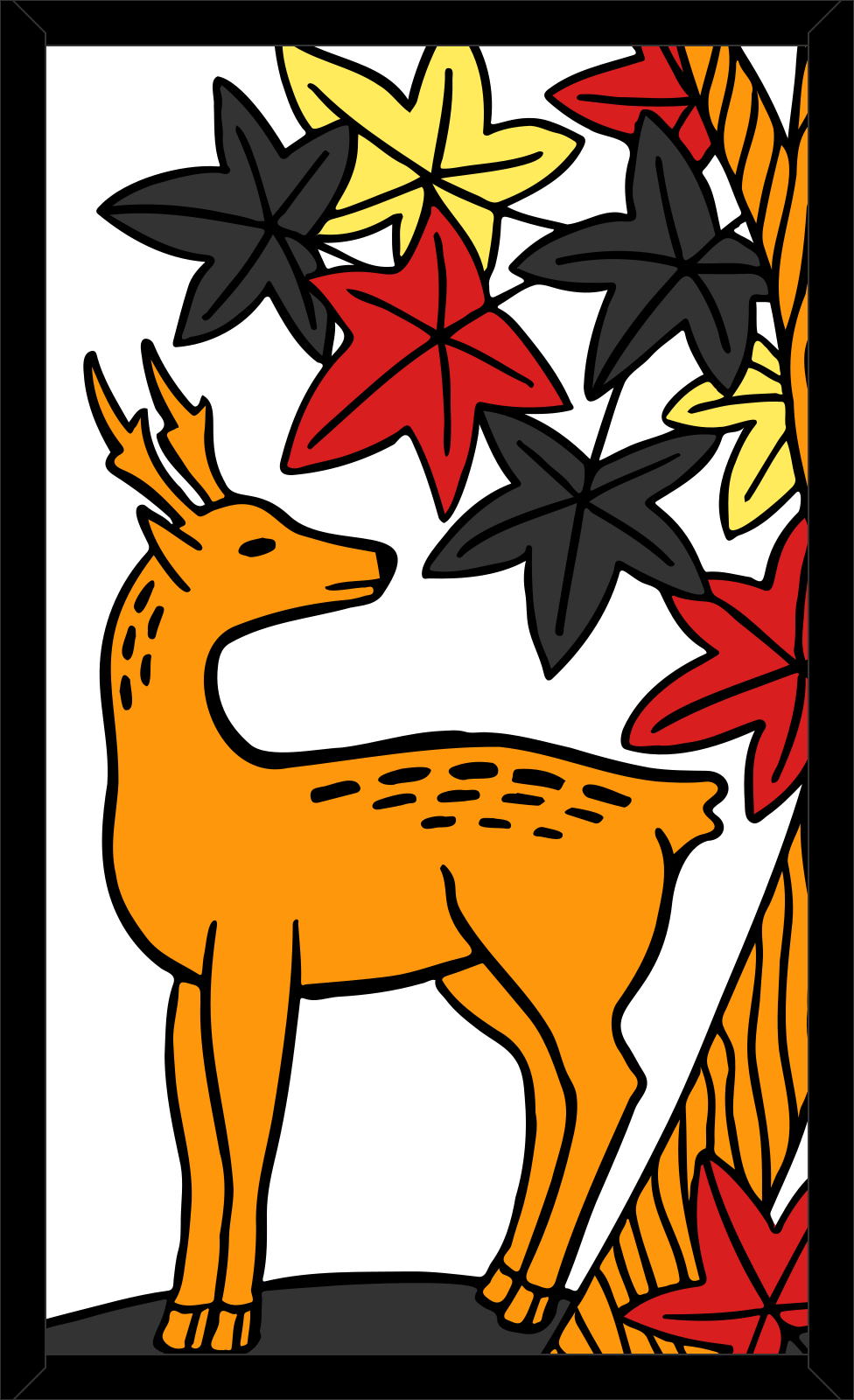
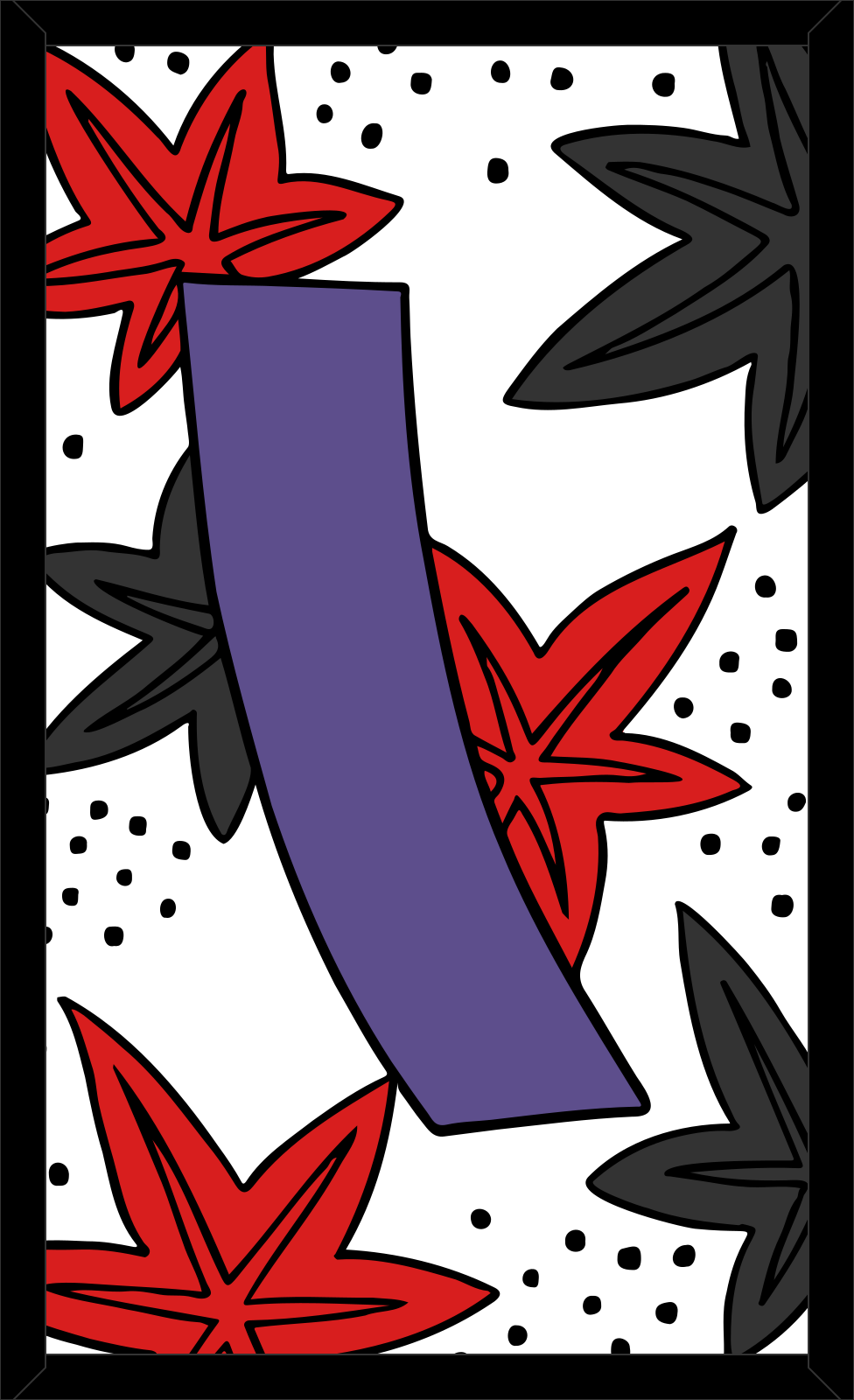
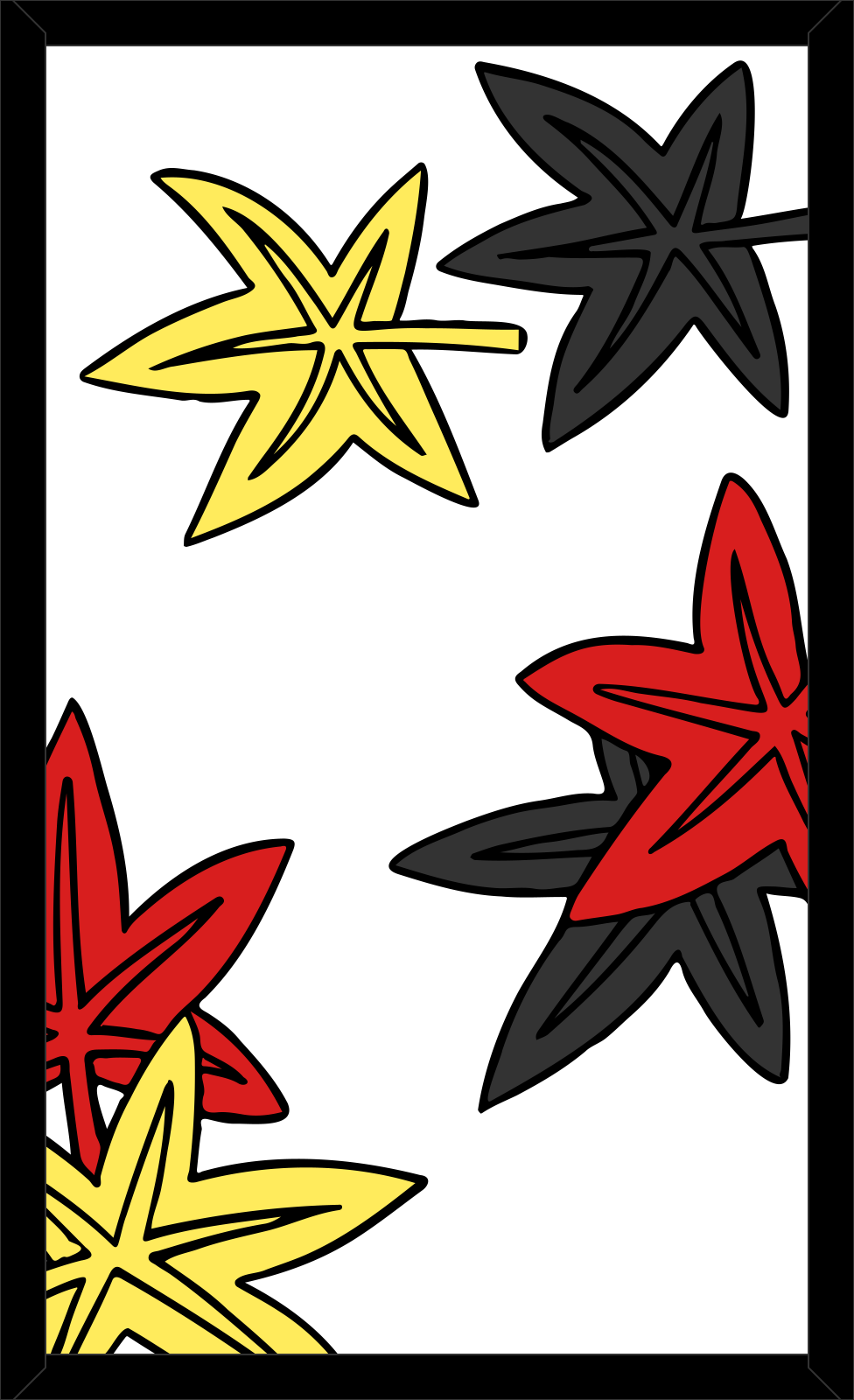
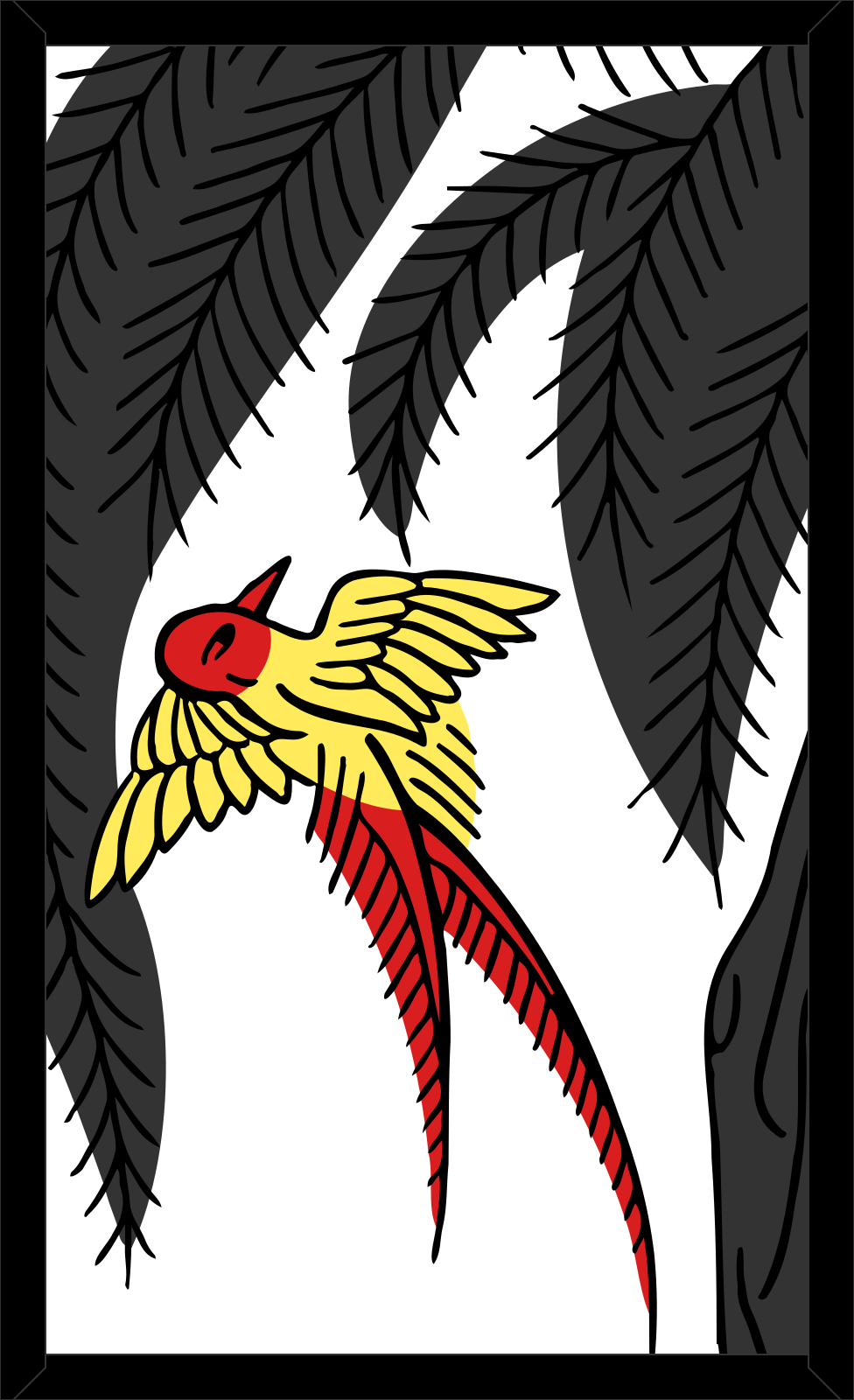

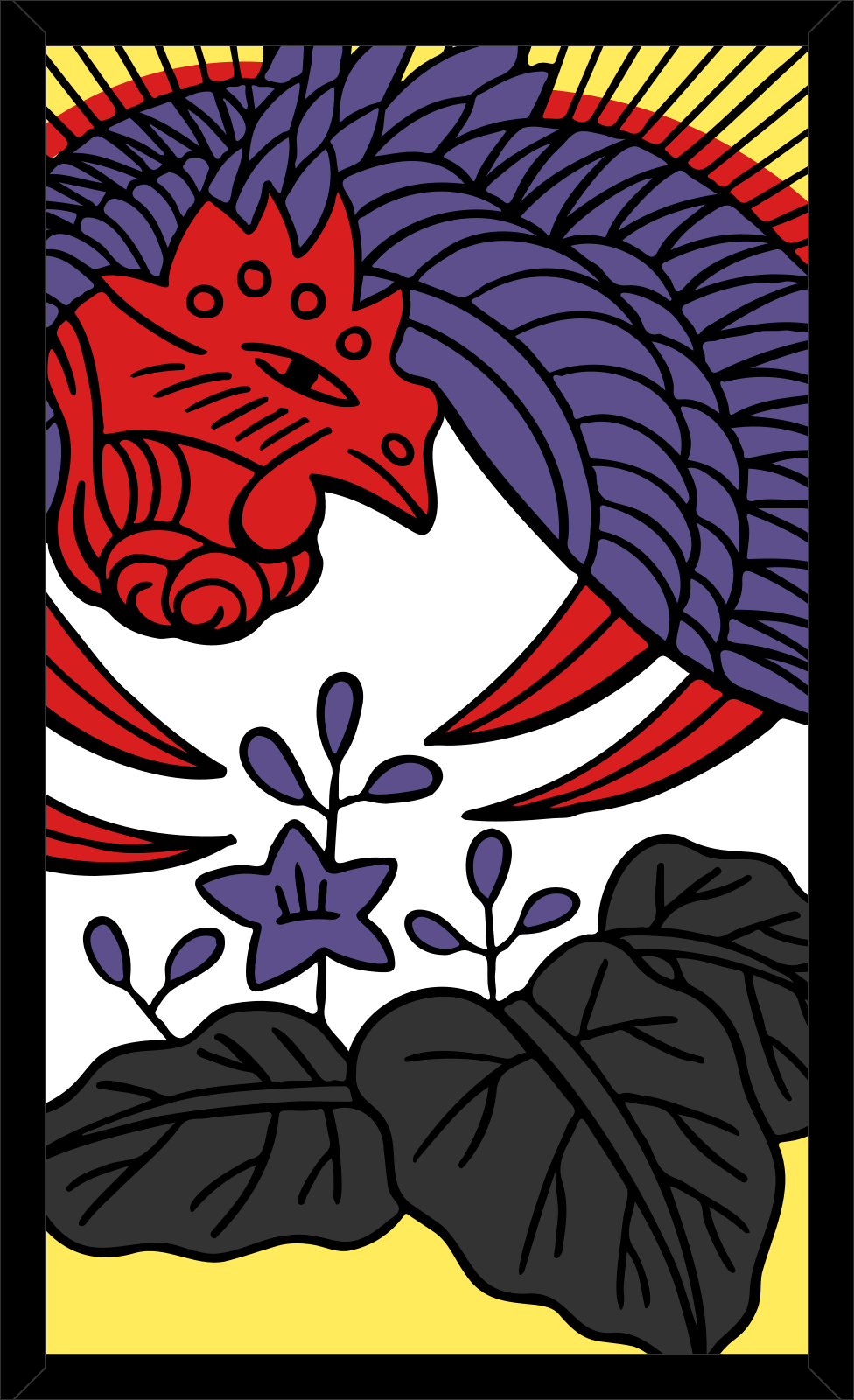
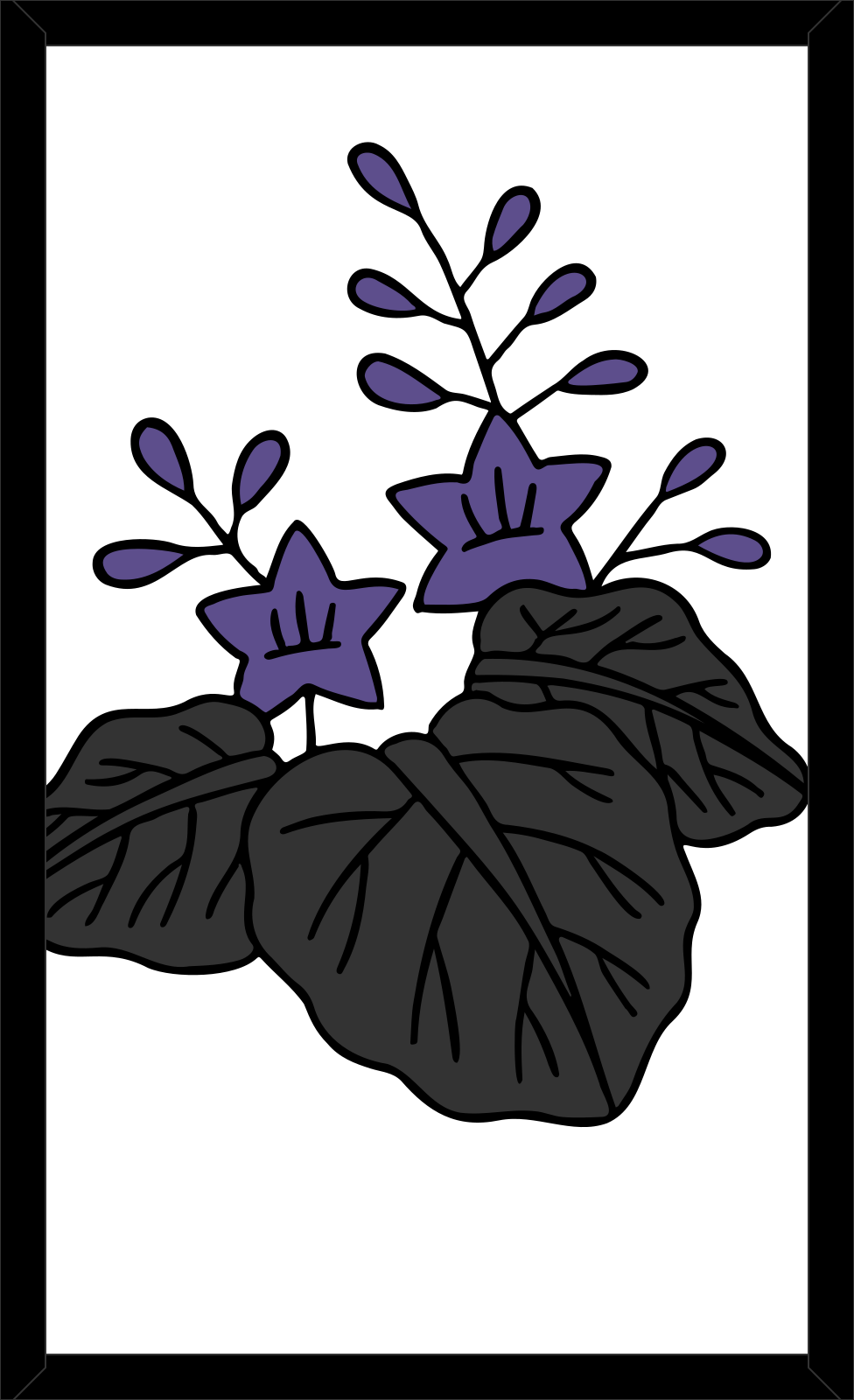
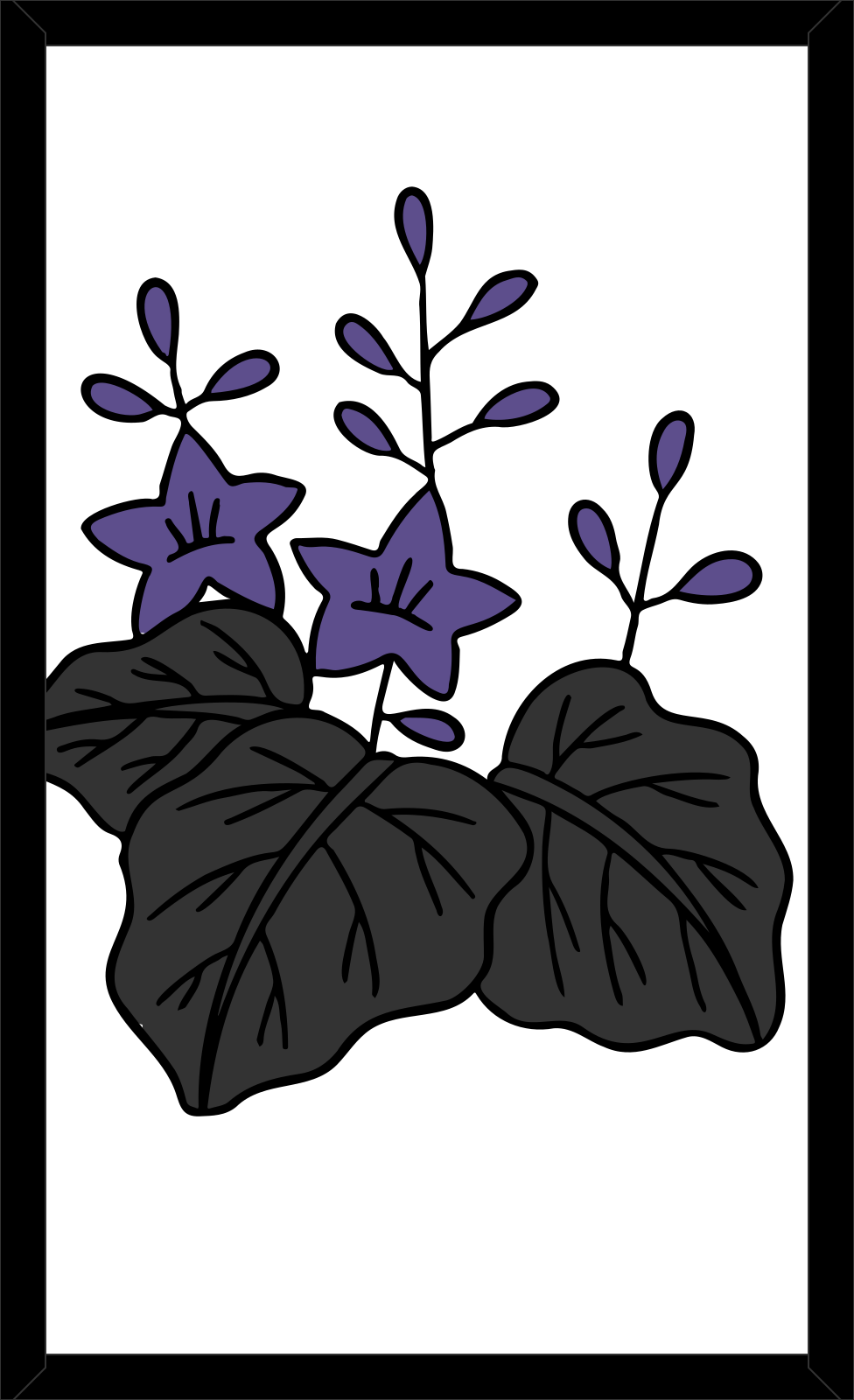
Four kinds of card
Each card is also one of four kinds, each with a value in points:
- Lights (hikari, 20): five cards, the Crane, the Curtain, the Moon, the Rain and the Phoenix.
- Animals (tane, 10): nine cards, mostly animals, plus the Bridge and the Sake cup.
- Tanzaku (ribbons, 5): ten poem slips, three red ones with writing (akatan), three blue (aotan) and four plain red.
- Plains (kasu, 1): the other 24, including the Lightning and the yellow Paulownia plain.
Light (hikari)20 pts5 cards
Animal (tane)10 pts9 cards
Tanzaku (ribbon)5 pts10 cards
Poem (akatan)
Blue (aotan)
Plain red
Plain (kasu)1 pt24 cards (4 shown)
A card’s value never scores by itself; only yaku do, such as three Lights, or the Boar, the Deer and the Butterflies. The values name a card’s kind and break a tie when the first dealer is drawn.
Choosing the dealer and dealing
Who deals first
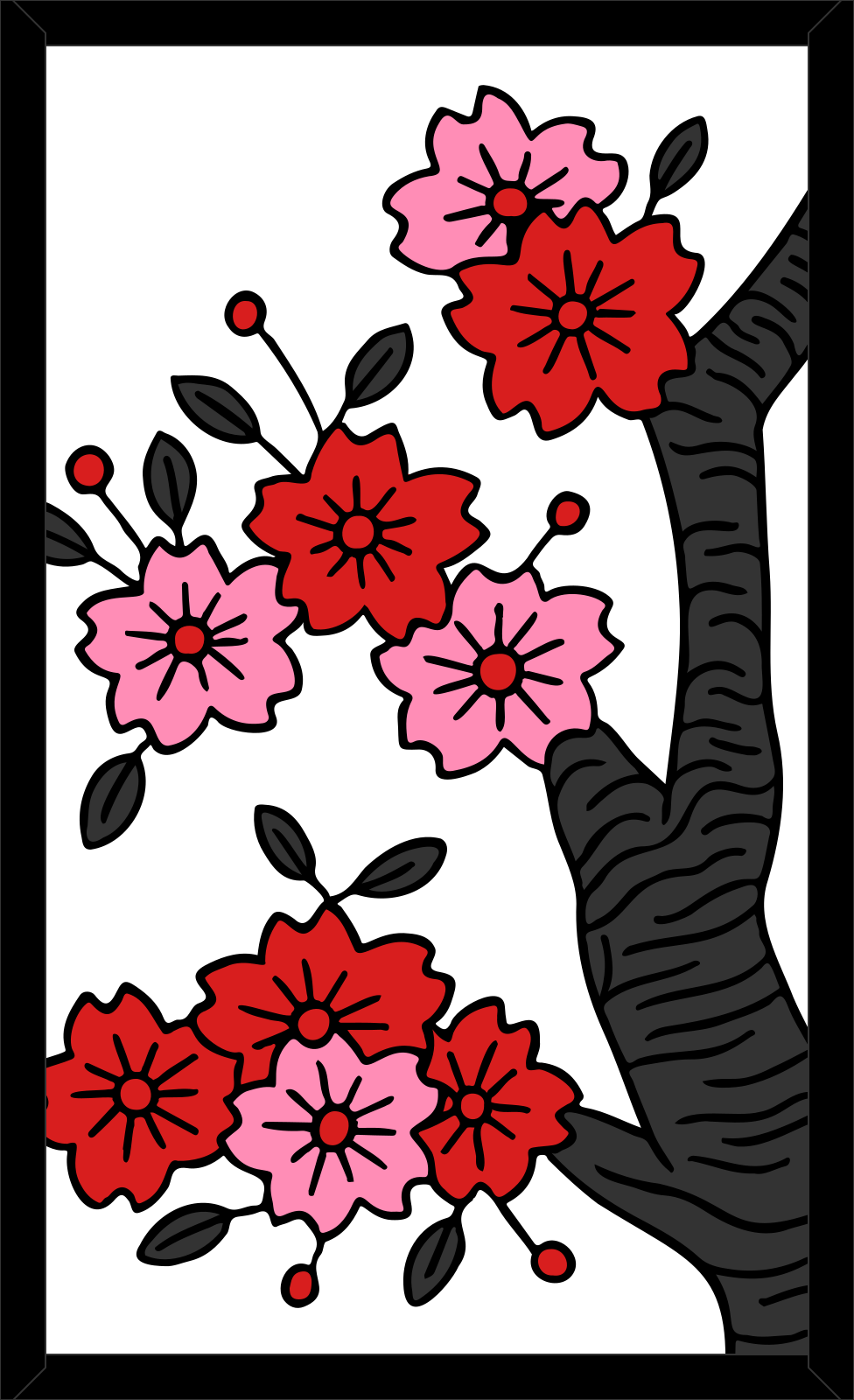
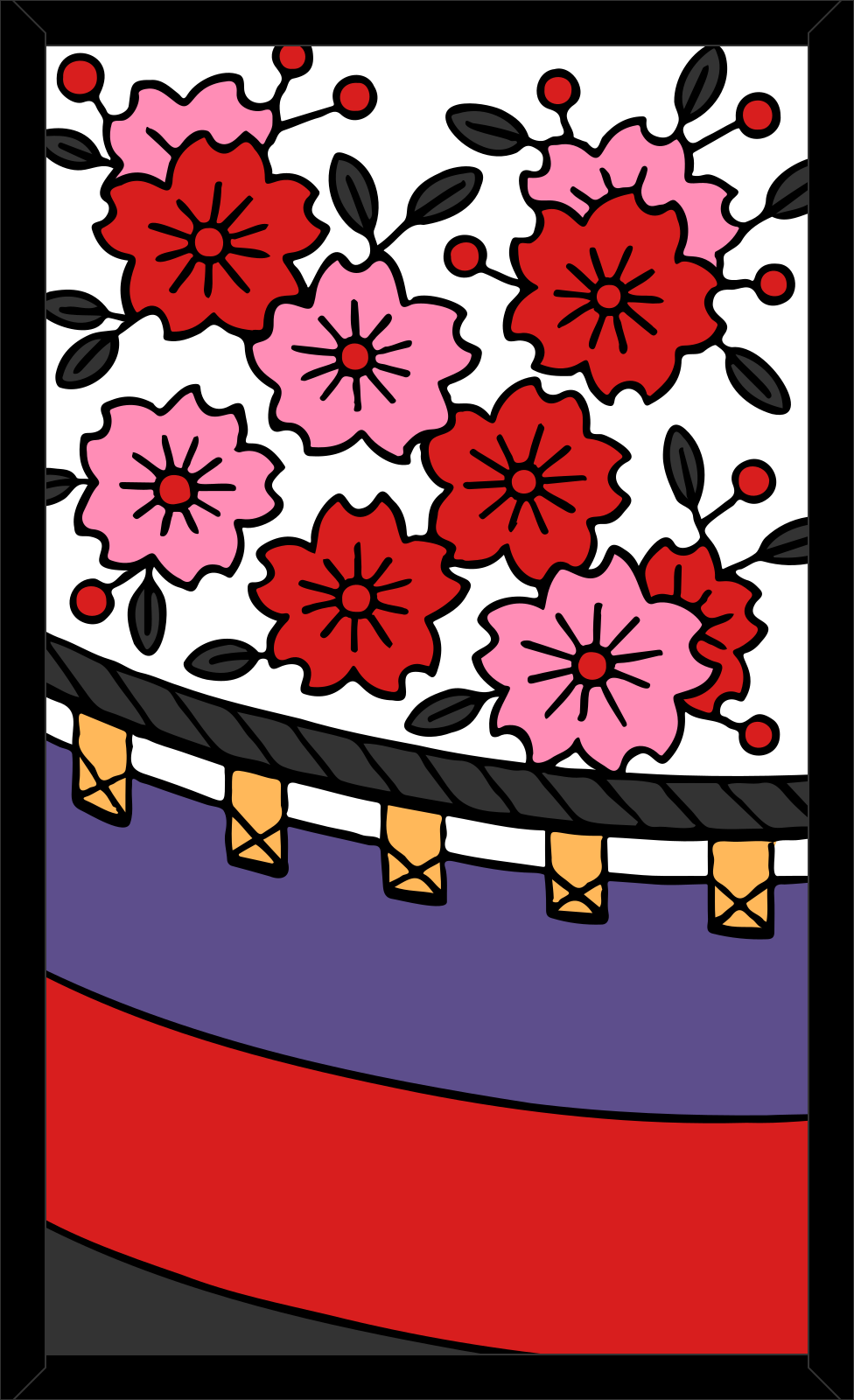
The dealer (oya) deals and plays first. For the first round, each player turns over a card and the earlier month deals; in the same month the higher value deals, and two plains mean both draw again. Online, the game flips a fair coin instead. After that, each round’s winner deals the next; after a drawn round the same dealer deals again.
Player A
 Deals
DealsPlayer B

Player A
Player B
 Deals
DealsThe deal: 8, 8, 8 and a pile of 24
Each player gets 8 cards, 8 go face up on the table and the other 24 form a face-down draw pile. Your opponent’s hand and the pile stay hidden. Captures lie face up, so both players can see each other’s (in this game, grouped by kind between the table and each hand).
Opponent’s hand (8, face down)
Opponent’s captures · Empty at the start of a round
Table (8, face up)
Draw pile (24)

Your captures · Empty at the start of a round
Your hand (8)
Each turn draws one card, so at most 16 of the 24 are used in a round.
A turn: play a card, then turn over the pile
The dealer plays first, then the players alternate. Each turn has two moves followed by a check for yaku, and the round lasts until someone calls Shōbu or both hands are empty (eight turns each).
1. Play a card from your hand
Play any card from your hand. If a table card shares its month, your card captures it and both go to your captures; if not, your card stays on the table for either player to take later. The next section shows every case.
You may play a card that matches nothing even when another card could capture, to keep that one for later. But a card that matches always captures; you cannot lay it on the table instead.
In this game, the setting Assisted highlighting (on by default) lights up the hand cards that can capture and a picked card’s matches. It changes only the display, never the rules.
2. Turn over the top card of the pile
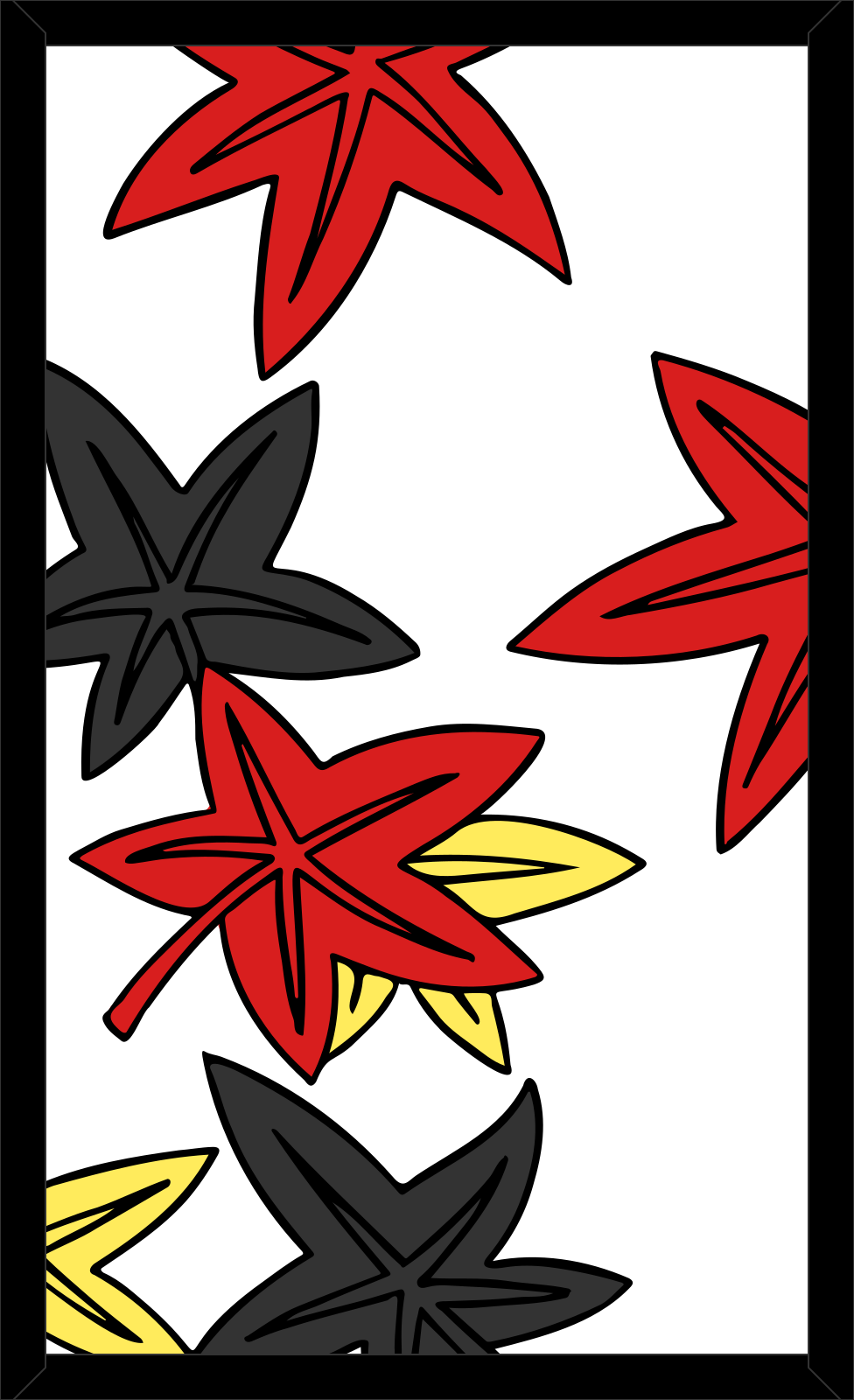
Then turn over the top card of the pile. It works like a card from your hand: it captures a matching table card or stays on the table. In this game a drawn card with only one possible capture is taken for you after 5 seconds; with two to choose from, you always pick.
From the pile
Table
Your captures
From the pile
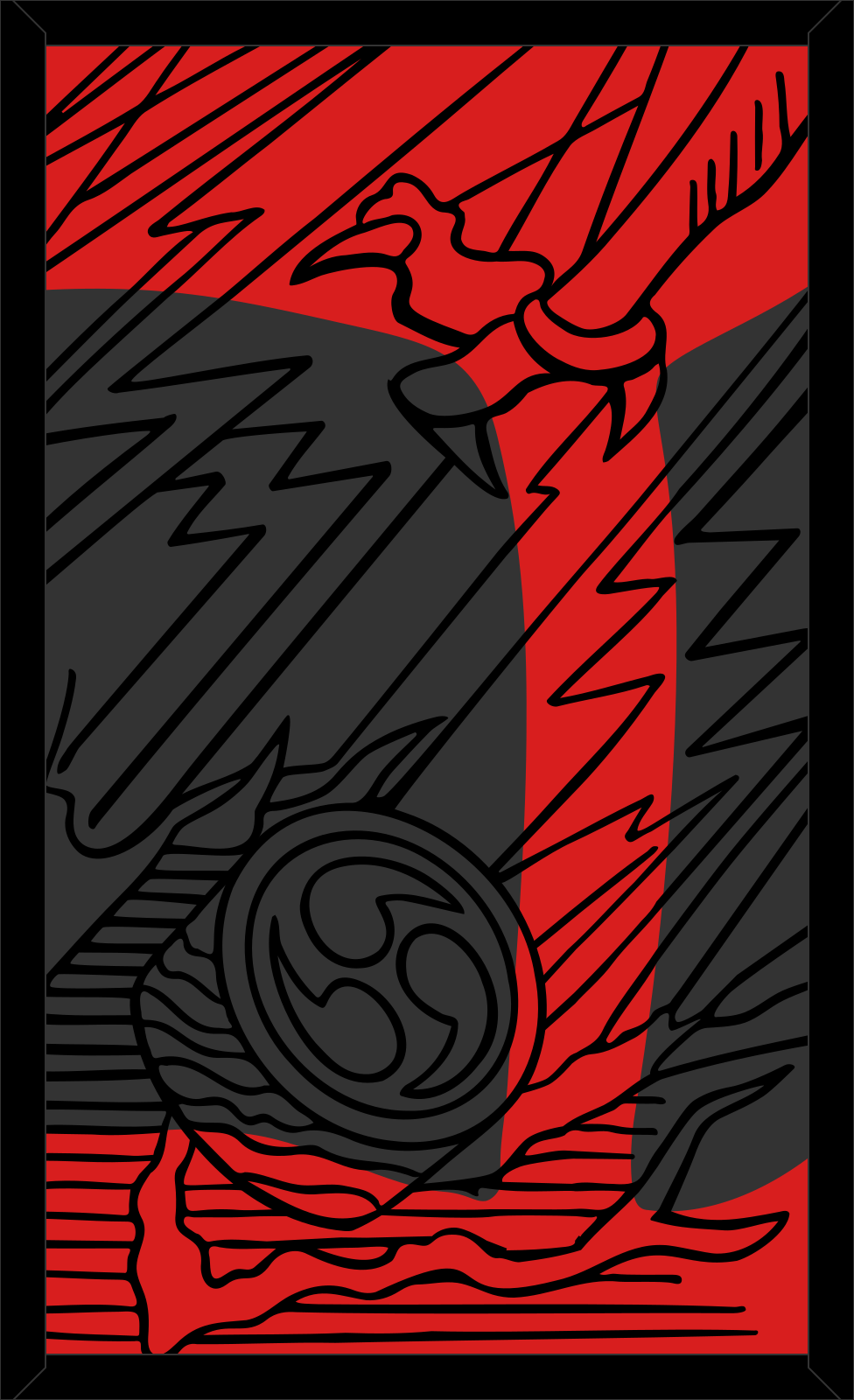
Table · Placed
3. At the end of the turn, check for yaku
Only now, after the drawn card, are your captures checked. With a new yaku, or a higher total than at your last Koi-Koi, you choose Shōbu or Koi-Koi; otherwise play passes to your opponent. So even a yaku made by your hand card is decided after the draw.
Matching: no match, one, two or three
Whether a card comes from your hand or from the pile, what happens depends on how many table cards share its month:
- None: the card goes onto the table.
- One: the card captures it, and both go to your captures.
- Two: you choose which one to capture; the other stays.
- Three: the card captures all three, four cards at once.
Your hand
Table
Your captures
Your hand
Table
Your captures
Your hand
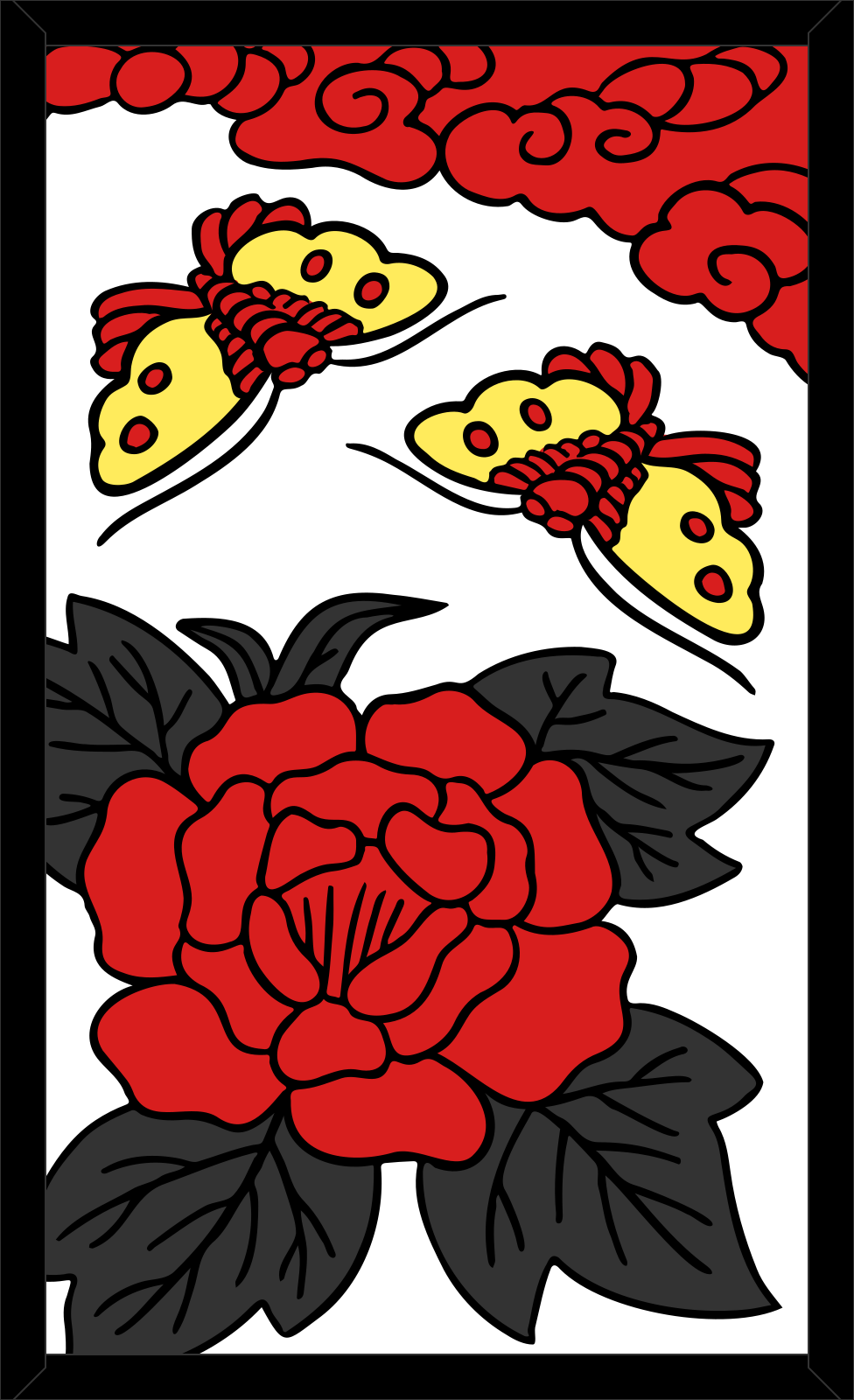
Table
Your captures
Your hand
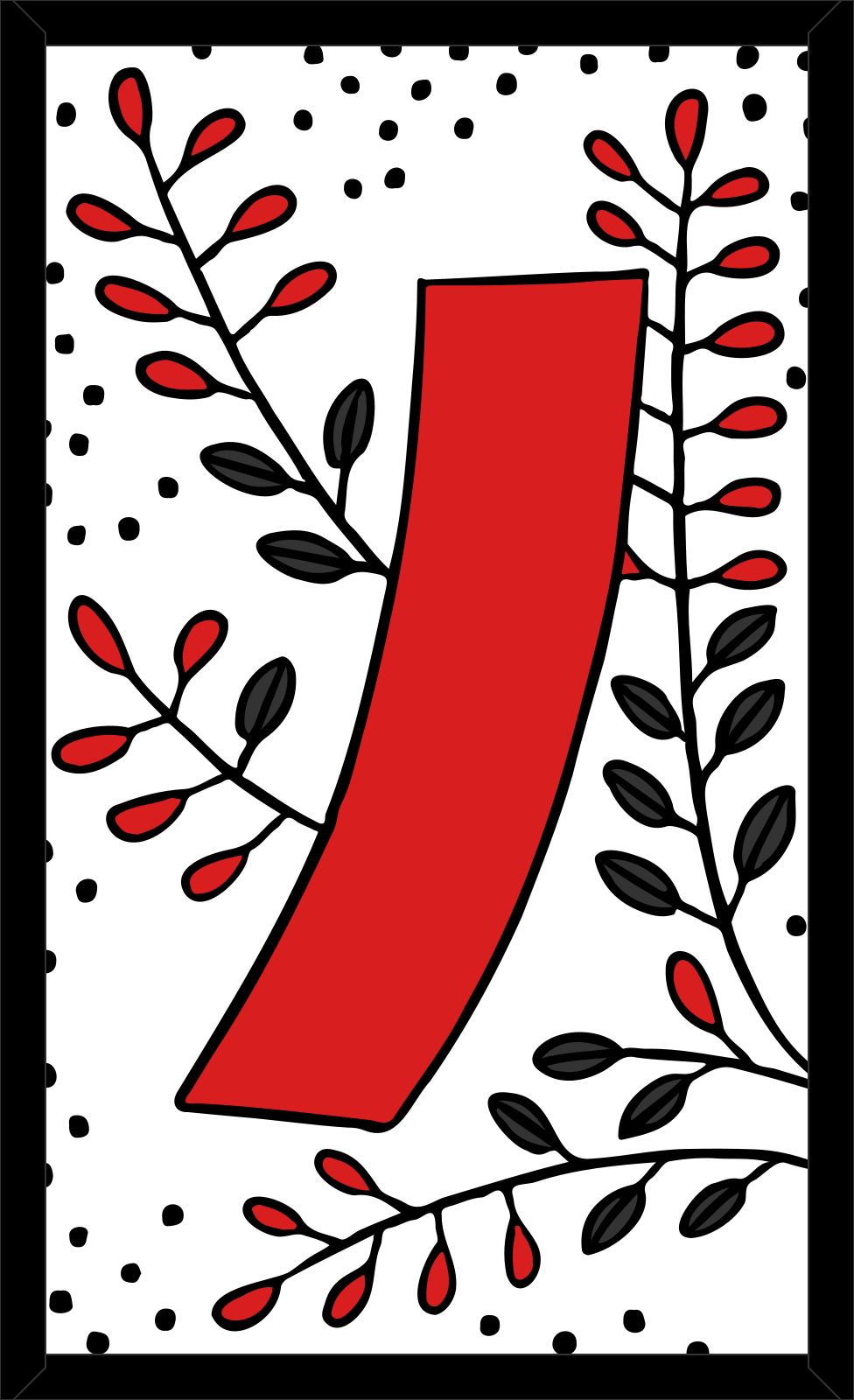
Table · Placed
Two or three of a month lie on the table only when dealt that way, since a matching card always captures.
Yaku: the sets you collect
Yaku are the scoring sets: thirteen made from captures, and two hand yaku that count only in the hand you are dealt. Below is each capture yaku with an example and its points here; “+1” means each extra card adds a point. The yaku page shows every card that counts.
Five Lights (Gokō)
10 pts
五光
All five lights: Crane, Curtain, Moon, Rain and Phoenix.
Four Lights (Shikō)
8 pts
四光
Four lights without the Rain card.
Rain Four Lights (Ame Shikō)
7 pts
雨四光
Four lights including the Rain card.
Three Lights (Sankō)
5 pts
三光
Three lights other than the Rain card.
Flower Viewing (Hanami de ippai)
5 pts
花見で一杯
The Curtain and the Sake cup.
Moon Viewing (Tsukimi de ippai)
5 pts
月見で一杯
The Moon and the Sake cup.
Boar, Deer, Butterflies (Inoshikachō)
5 pts +1
猪鹿蝶
The Boar, the Deer and the Butterflies. +1 pt for each other tane card.
Red Poem Tanzaku (Akatan)
5 pts +1
赤短
The three red poem tanzaku (Pine, Plum, Cherry). +1 pt for each other tanzaku.
Blue Tanzaku (Aotan)
5 pts +1
青短
The three blue tanzaku (Peony, Chrysanthemum, Maple). +1 pt for each other tanzaku.
Red & Blue Tanzaku (Akatan Aotan no Chōfuku)
10 pts +1
赤短・青短の重複
The three red poem and the three blue tanzaku. Counts instead of Akatan and Aotan. +1 pt for each other tanzaku.
Animals (Tane)
1 pt +1
タネ
Any 5 tane (10-point cards, the Sake cup included). +1 pt for each additional tane.
Tanzaku (Tan)
1 pt +1
タン
Any 5 tanzaku. +1 pt for each additional tanzaku.
Plains (Kasu)
1 pt +1
カス
Any 10 plain (1-point) cards, the Lightning included. +1 pt for each additional plain.
Not a yaku
The Rain with only two other lights: no Light yaku at all.
How yaku combine in this game:
- Only one Light yaku counts at a time: Gokō (Goko) beats Shikō and Ame-Shikō, which beat Sankō.
- Holding both Akatan and Aotan scores Chōfuku (10, +1 for each other tanzaku) in place of the two.
- Every other yaku adds up, and a card can count for several: the Sake cup for Hanami and Tsukimi, the Boar, Deer and Butterflies for Inoshikachō (Inoshikacho) and Tane, the poem and blue tanzaku also for Tan.
You made a yaku: Koi-Koi or Shōbu?
When your turn ends with a new yaku, play stops and you choose:
- Shōbu (勝負, “showdown”; also called agari[2]): the round ends now. You win it and your opponent pays your score. Their yaku count for nothing.
- Koi-Koi (こいこい, from the call koi, 来い, “come on!”[7]): the round goes on. You keep your yaku and try to add more. You can stop again only at the end of a turn in which your total has gone up: a new yaku, or one more point from an extra card.
Your captures
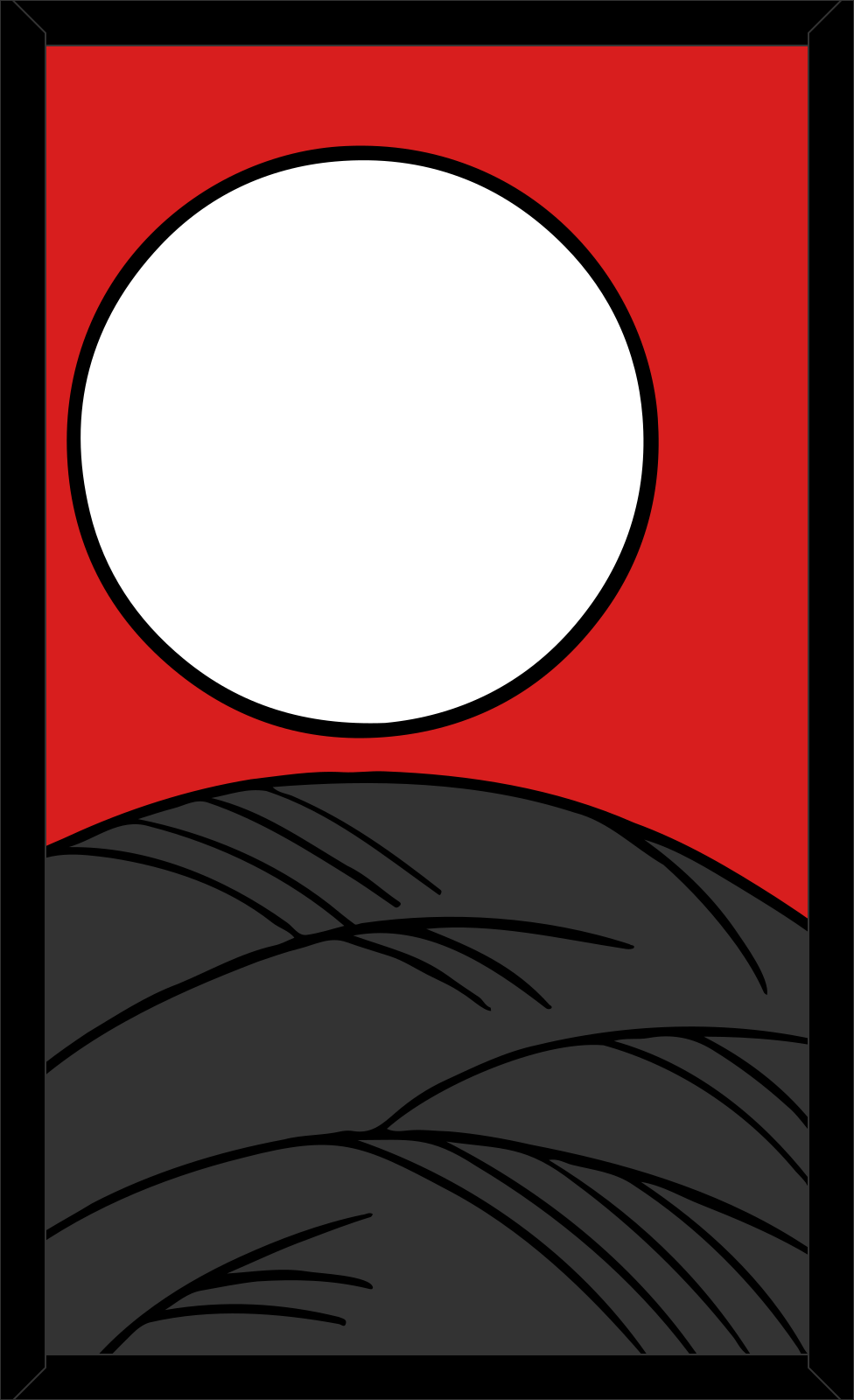
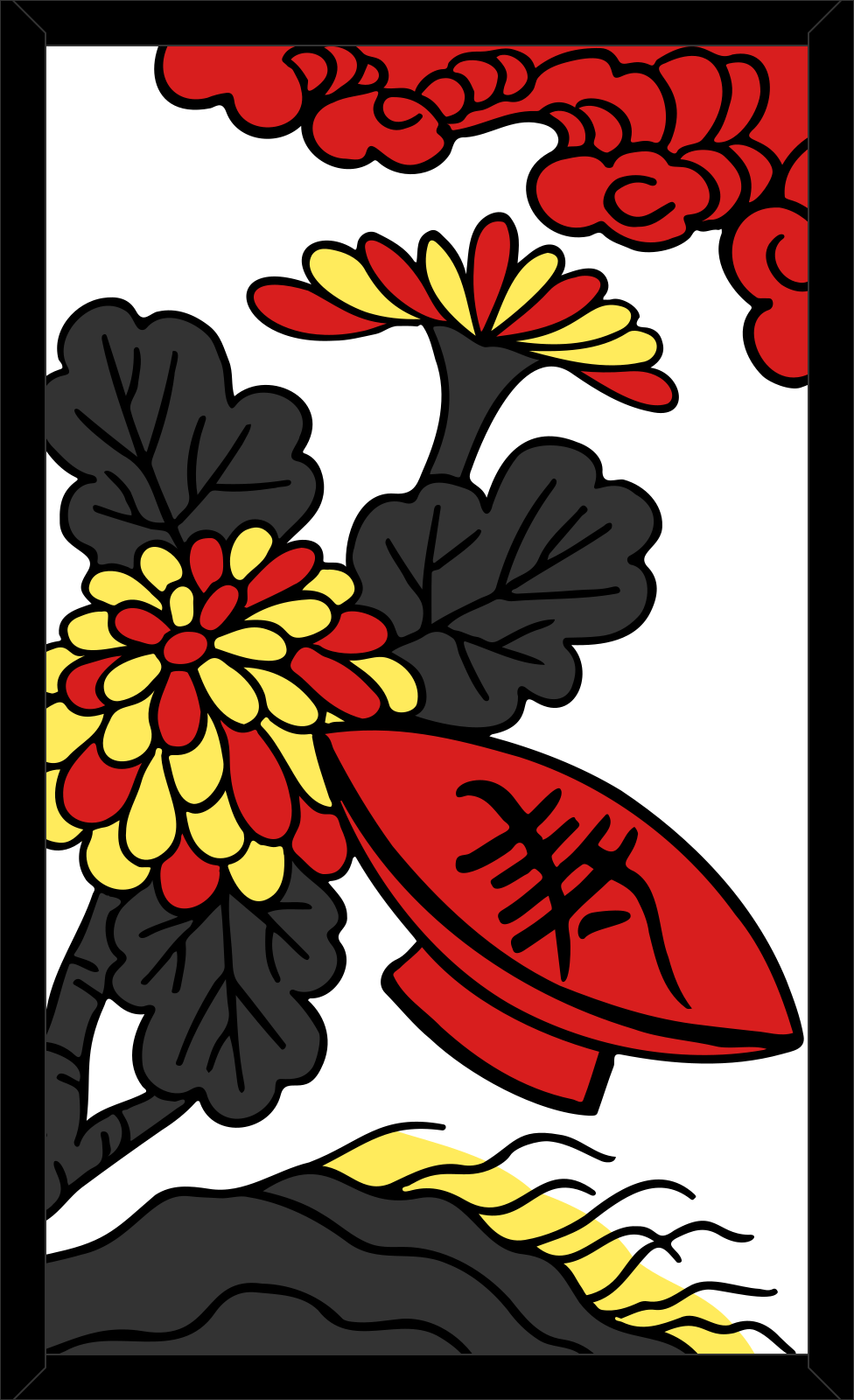
Moon Viewing (Tsukimi de ippai) 5 pts
The risk: if your opponent then makes a yaku and calls Shōbu, you score nothing, whatever you hold, and they collect with a higher multiplier. In this game every Koi-Koi call in the round, by either player, adds one to a shared multiplier (×2 after one call, ×3 after two) for whoever wins. And if the hands run out before your total rises again, the round is drawn and your yaku are lost.
Both players may call Koi-Koi as often as they like; on the last turn, with both hands empty, only Shōbu is offered. When to call is the heart of Koi-Koi strategy.
How a round ends
A round ends in one of three ways:
- Someone calls Shōbu. That player wins the round and deals the next one.
- A player is dealt a hand yaku. The round ends before anyone plays (see below).
- Both hands run out and nobody has called Shōbu. The round is drawn (nagare, 流れ): nobody scores, and the same dealer deals again.
Hand yaku: Teshi and Kuttsuki
Two yaku are checked right after the deal, in the hand you are dealt:
- Teshi (手四): all four cards of one month.
- Kuttsuki (くっつき): four pairs, two cards each from four months.
Either one scores 6 points and ends the round at once, and the holder deals next. Four of a month plus two pairs counts as Teshi. If both players are dealt one, this game takes the dealer’s. The 6 points are never multiplied: nobody can have called Koi-Koi yet, and 6 is below 8.
Redeal: four of a month on the table
If all four cards of a month are dealt to the table, the cards are shuffled and dealt again; a redeal does not count as a round.
Three of a month on the table are fine: whoever plays or turns over the fourth card takes all of them.
The match: 6 or 12 rounds, 25 points each
A match is 6 or 12 rounds: you choose when you create a room (6 unless you change it) or start practice from the lobby; the practice button on the home page plays 6. This game keeps score with a pool:
- Both players start with 25 points.
- The loser of each round pays the winner the round’s score, but never more than they have left.
- A player who runs out of points loses the match at once.
- Otherwise, after the last round, the player with more points wins; equal points make a drawn match.
Drawn rounds and rounds ended by a hand yaku count towards the 6 or 12; redeals do not.
Scoring in brief
A round’s score is worked out when someone calls Shōbu:
- Add up the winner’s yaku (the base).
- If the base is 8 points or more, double it. This is a setting, on unless you switch it off.
- If anyone called Koi-Koi in the round, multiply by 1 + the number of calls by both players.
- The loser pays the result, at most what they have left.
- Hanami + Tsukimi10
- 8 or more×2
- 1 Koi-Koi call×2
- Score40
- Opponent has 25pays 25
More worked examples and a points calculator are on the scoring page.
Where this game differs from Nintendo’s rules
Most of the game follows Nintendo’s published rules[1]: the deal, matching by month, the yaku and their points, the hand yaku, and the winner dealing next. The differences:
| Rule | Nintendo’s rules | This game |
|---|---|---|
| Doubling | 7 points or more doubles | 8 points or more doubles; a setting, on by default |
| After a Koi-Koi call | The next yaku by either player ends the round; the winner’s score doubles if the other had called | Play goes on; both may call again, and each call raises a shared multiplier (×2, ×3 …) for whoever wins |
| Sake cup | An Animal (tane) that also counts as a plain (kasu) | An Animal only |
| Tane and Tan beside other yaku | Tane is void with Inoshikachō; Tan is void with Akatan or Aotan | Both count |
| Round with no winner | No game; the deal passes to the other player | No score; the same dealer deals again |
| Keeping score | 12 rounds; the higher total wins | 6 or 12 rounds; 25 points each, the loser pays, and a player with no points left loses |
| Redeal | When the table is lopsided, such as four of one month | Only for four of one month |
| Both players dealt a hand yaku | Not covered (Japanese Wikipedia: neither scores) | The dealer’s counts |
The house rules page sets these rules beside other common variants.
Cards to watch
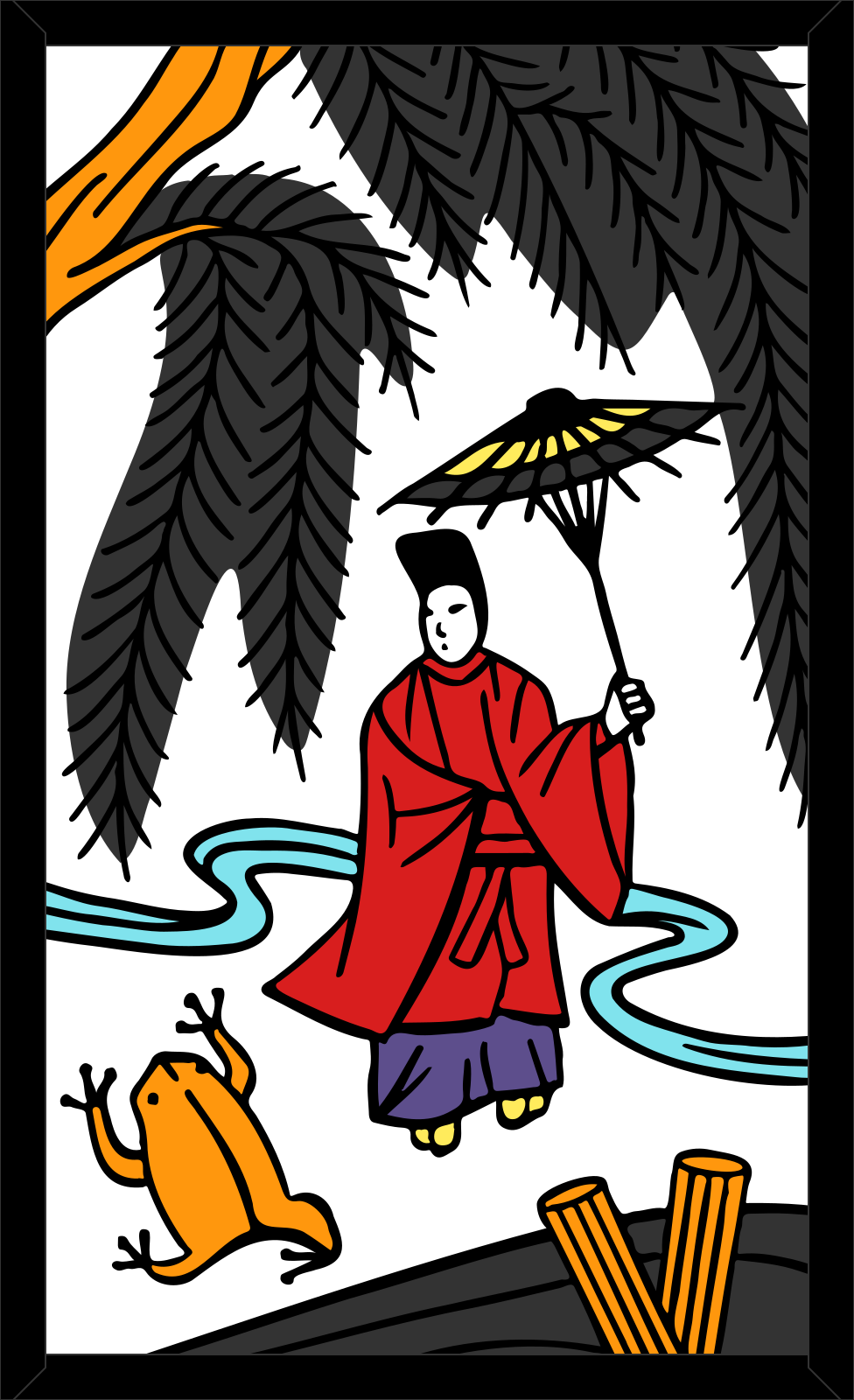
Rain柳に小野道風November · Light (hikari) · 20 pts Sake cup菊に盃September · Animal (tane) · 10 pts Lightning柳のカスNovember · Plain (kasu) · 1 pt 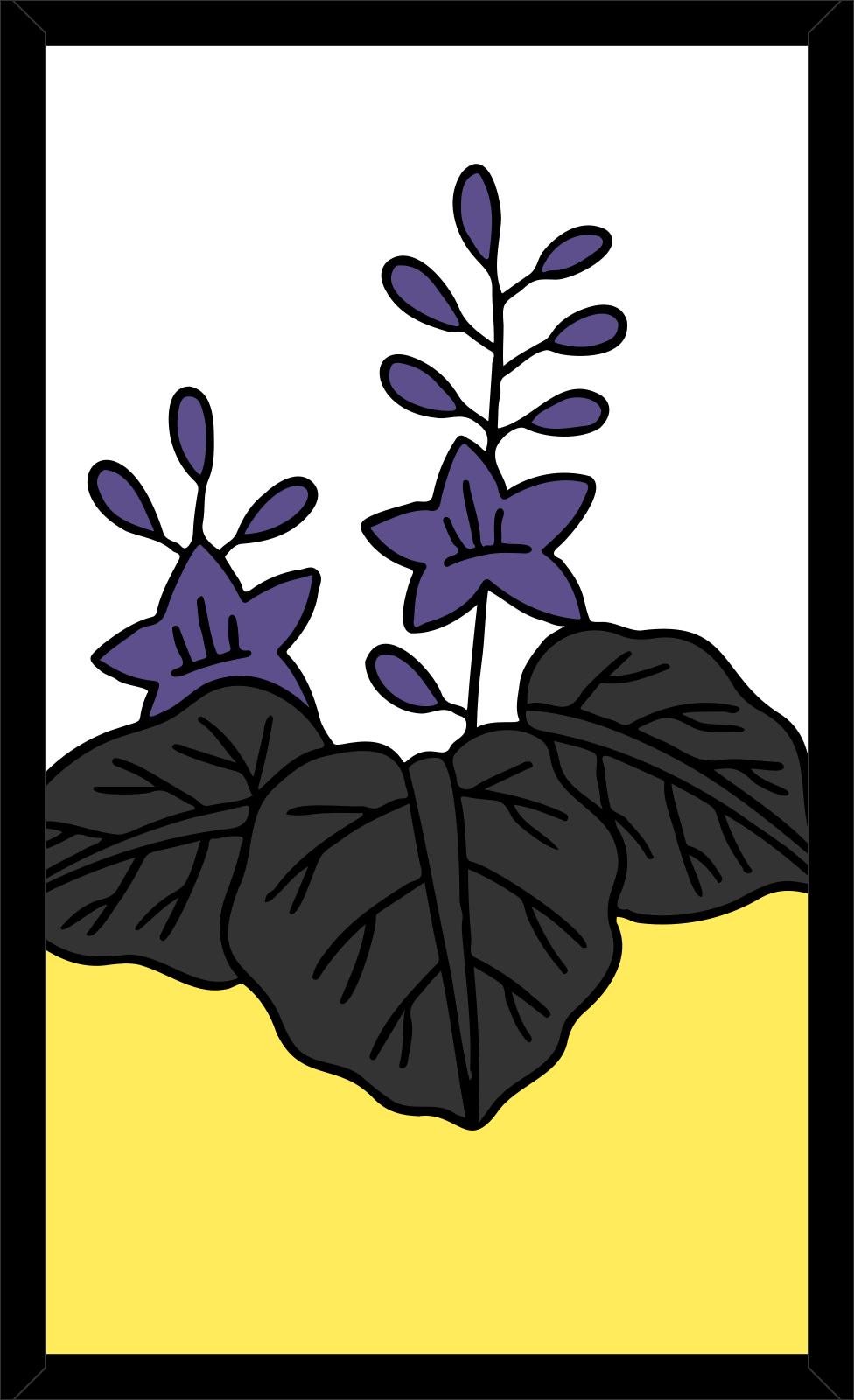
Paulownia plain桐のカスDecember · Plain (kasu) · 1 pt
- The Rain (the poet Ono no Michikaze, or Tōfū, with an umbrella): a Light that Sankō and Shikō leave out. It counts in Ame-Shikō (7) and Gokō (10); with only two other Lights it makes nothing.
- The Sake cup: an Animal that also completes Hanami and Tsukimi, 5 points each, so both players want it. Here it is only an Animal; Nintendo’s rules and many others count it as a plain too[1][2].
- The Lightning: despite its looks, an ordinary Willow plain worth 1.
- The yellow Paulownia plain: an ordinary plain too. December is the only month with three plains.
Playing with a keyboard or screen reader
No mouse is needed. The arrow keys move through your hand or the table cards you can take; Enter or Space picks a card, then captures the focused table card; 1 to 8 pick a hand card by position; Esc puts it back. With a yaku, S calls Shōbu and K calls Koi-Koi. Moves, drawn cards, calls and your opponent’s decisions are announced to screen readers.
Sources
- こいこい|花札の歴史・遊びかた. Nintendo (任天堂): Nintendo’s published Koi-Koi rules and yaku table.
- こいこい. Wikipedia (Japanese): Common Japanese rules and their variants.
- 花札. Wikipedia (Japanese): Terms of play and match lengths.
- Koi-Koi. Fuda Wiki: Rules and a list of variants.
- Koi-Koi. Wikipedia: Rules as described in English.
- Koi-Koi rules (Gamehelpkoikoi). Board Game Arena: Its capture rule.
- こいこい. Kotobank (Seisen-ban Nihon Kokugo Daijiten and others): Where the name comes from.