
Akatan and Aotan: the red and blue tanzaku
Last updated
Akatan (赤短) is the three red poem tanzaku of the Pine, the Plum and the Cherry; Aotan (青短) is the three blue tanzaku of the Peony, the Chrysanthemum and the Maple. Each set scores 5 points, both together make Chōfuku for 10, and every other tanzaku you hold adds 1. The four red tanzaku with no writing do not count for Akatan.
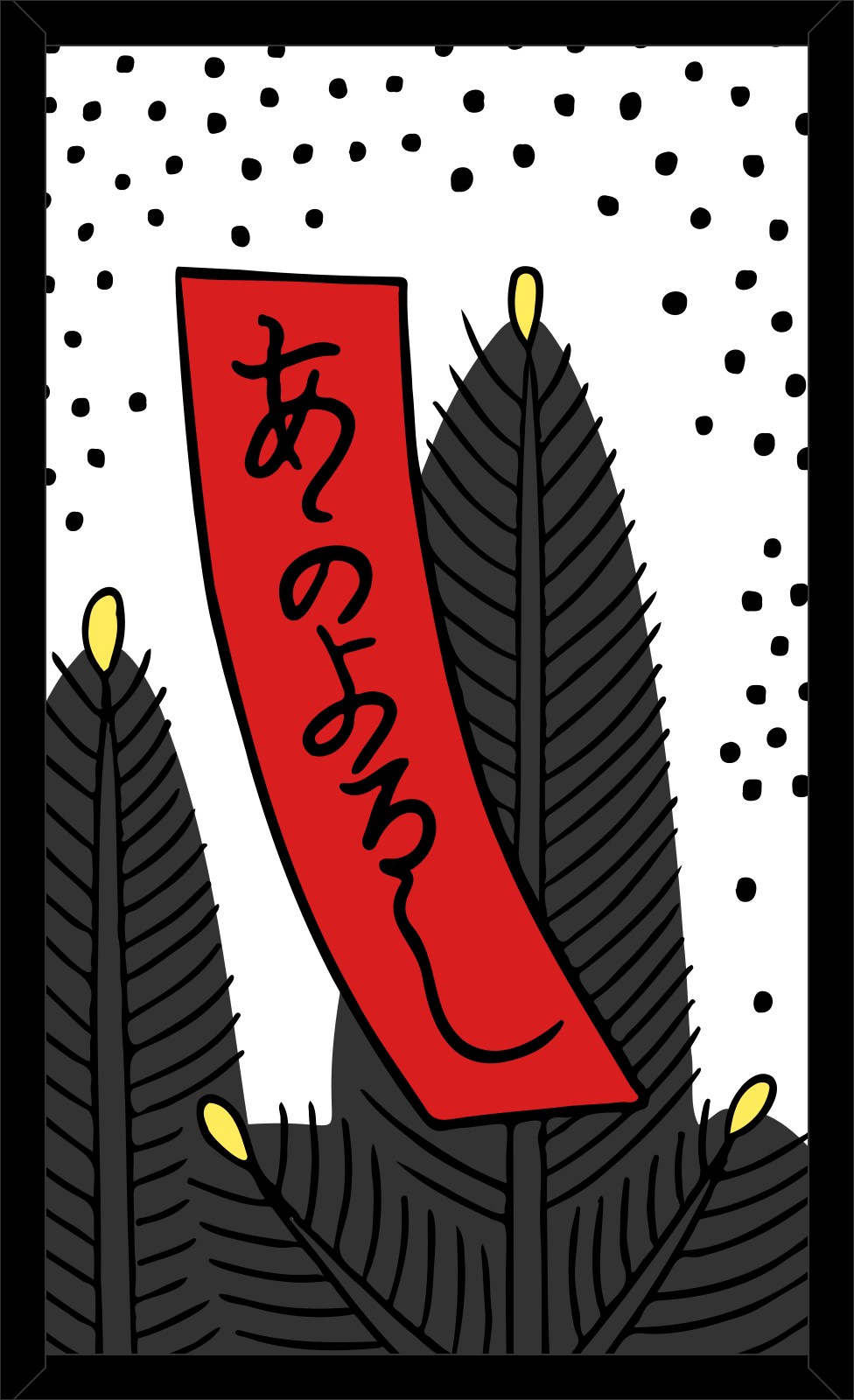
Red poem tanzaku松に赤短January · Tanzaku (ribbon) · 5 pts 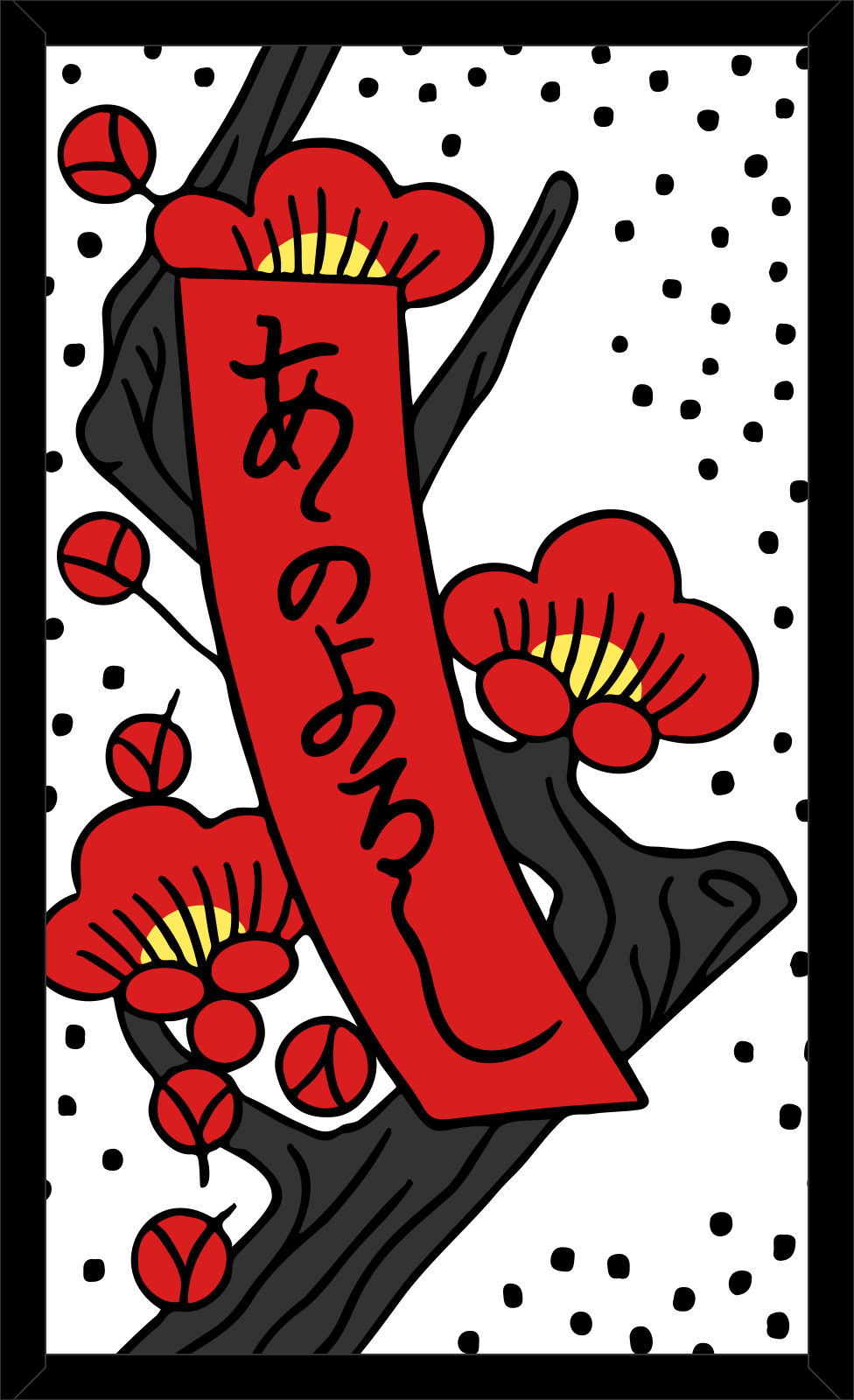
Red poem tanzaku梅に赤短February · Tanzaku (ribbon) · 5 pts 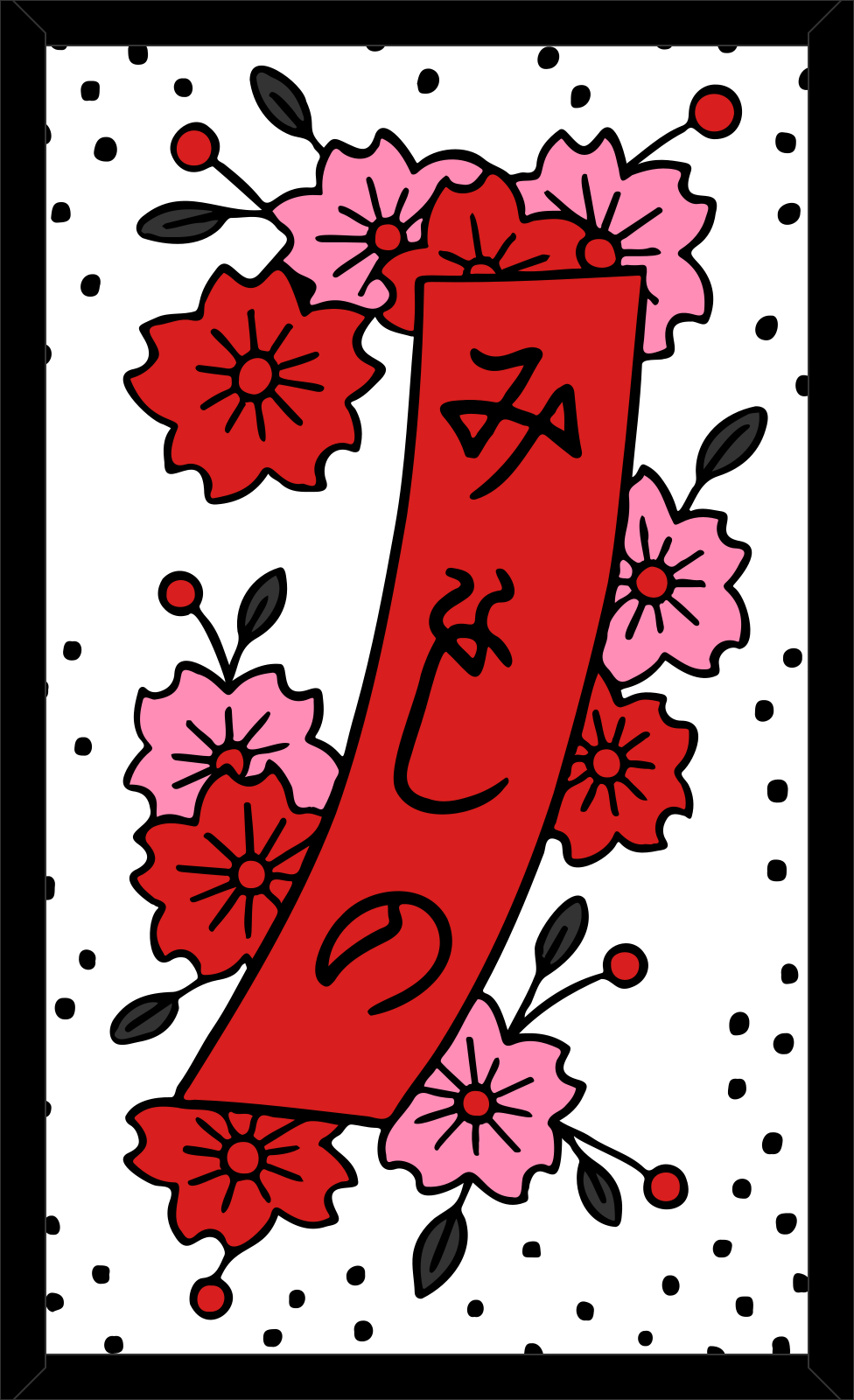
Red poem tanzaku桜に赤短March · Tanzaku (ribbon) · 5 pts 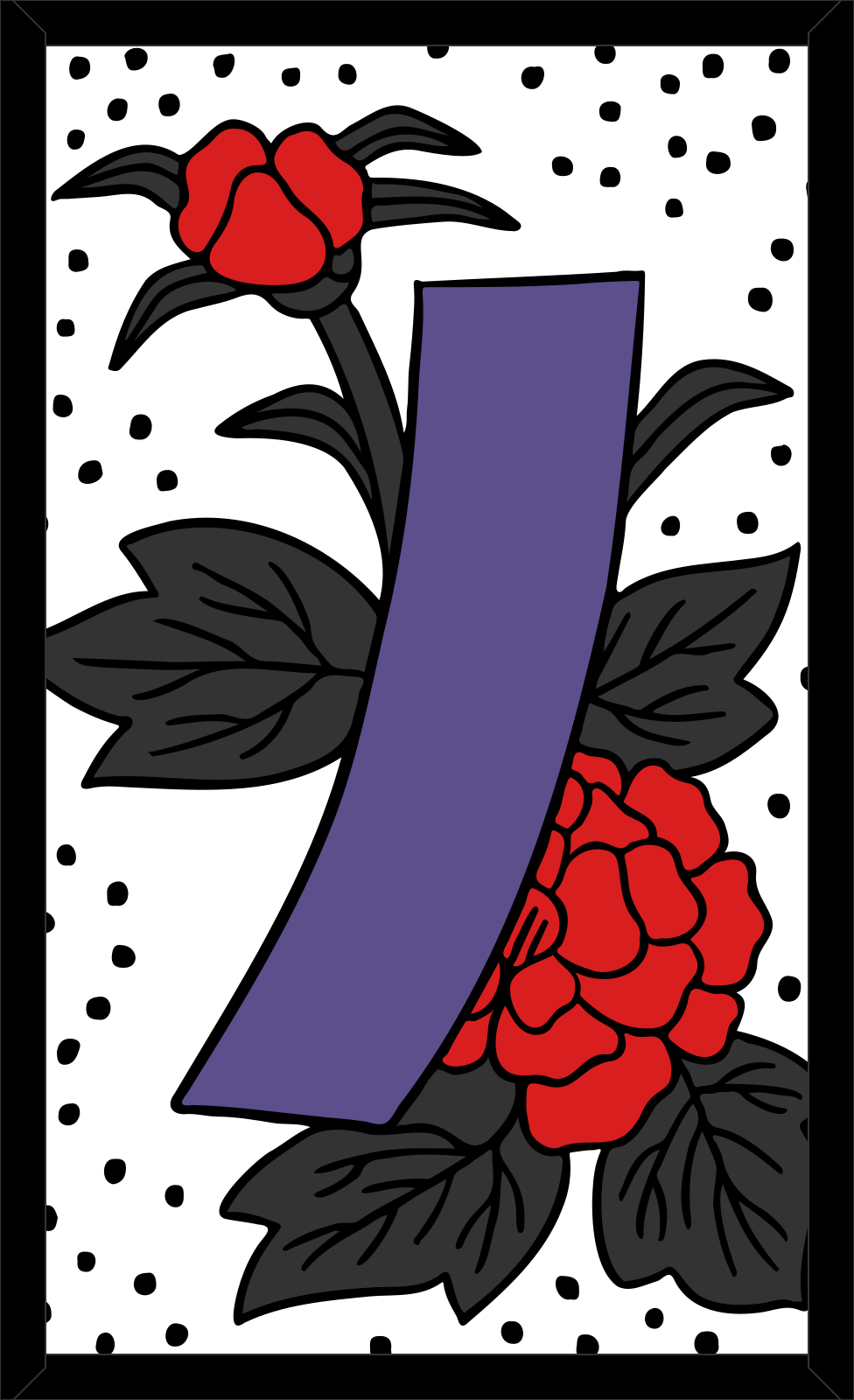
Blue tanzaku牡丹に青短June · Tanzaku (ribbon) · 5 pts 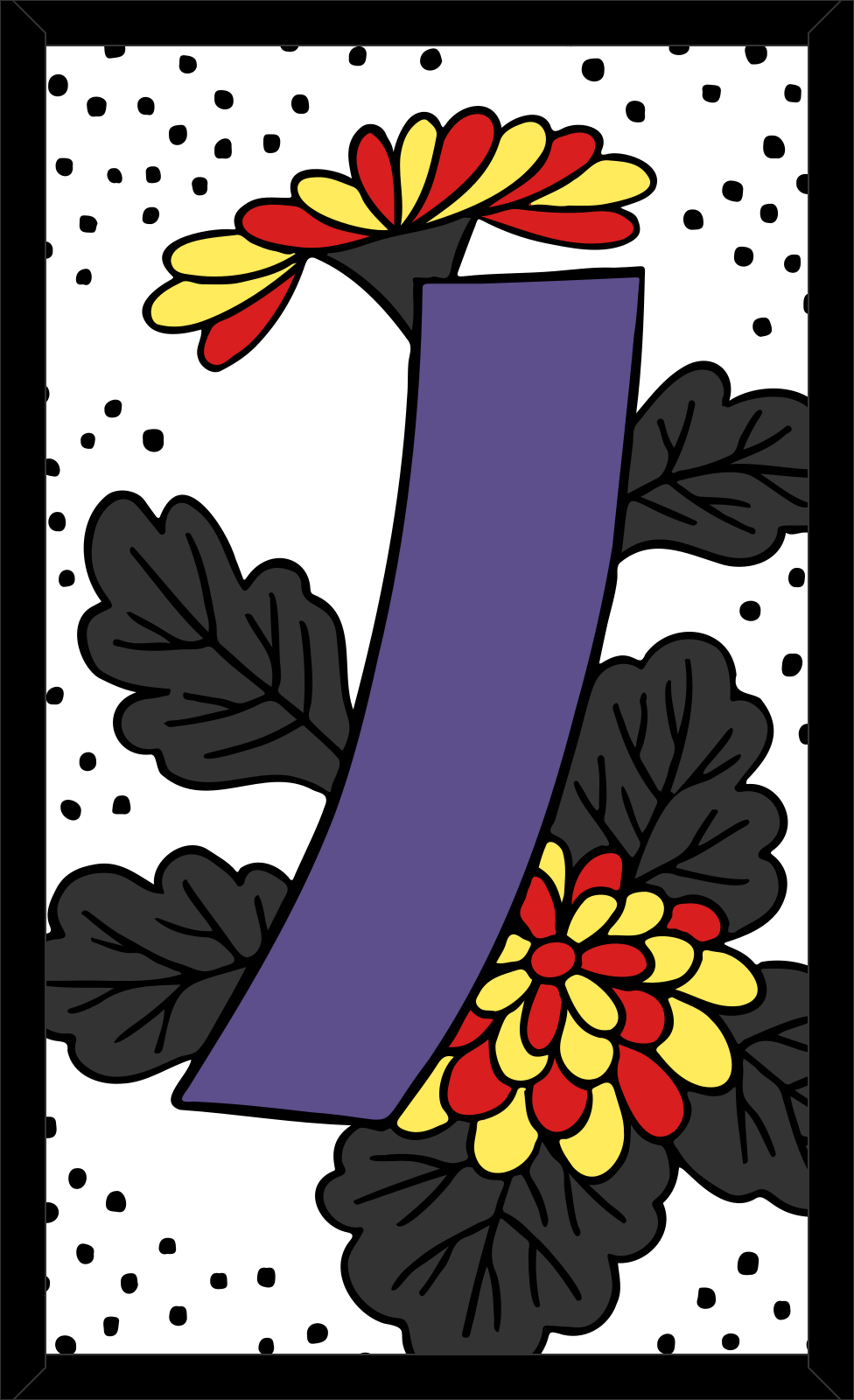
Blue tanzaku菊に青短September · Tanzaku (ribbon) · 5 pts 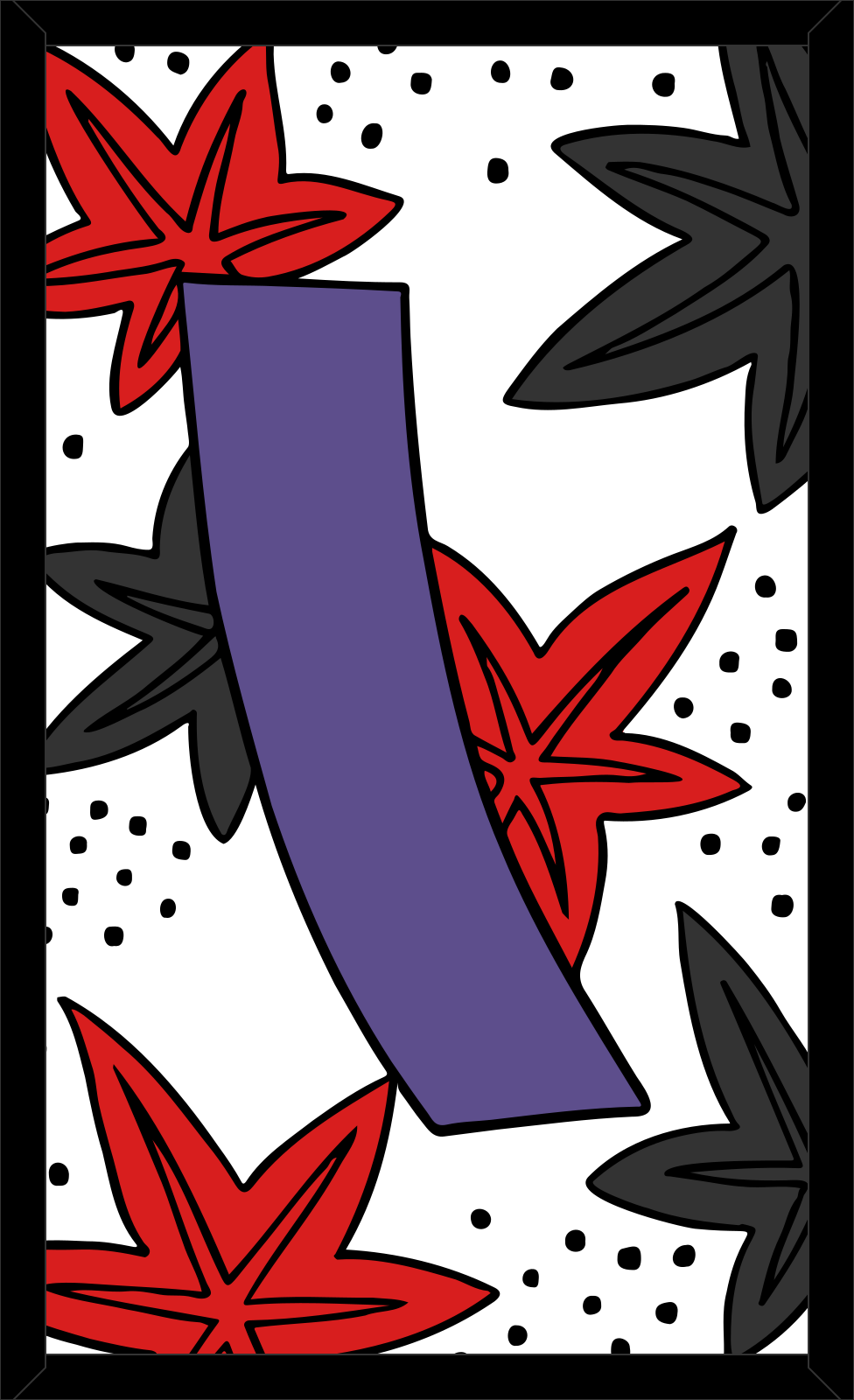
Blue tanzaku紅葉に青短October · Tanzaku (ribbon) · 5 pts
The six tanzaku, and the four that do not count
A tanzaku is a strip of paper for writing a poem. The deck has ten, one in every month except August and December. Six of them make the two sets:
| Card | Month · flower | Set · writing |
|---|---|---|
| Red poem tanzaku松に赤短matsu ni akatan | January · Pine | Akatanあかよろし |
| Red poem tanzaku梅に赤短ume ni akatan | February · Plum | Akatanあかよろし |
| Red poem tanzaku桜に赤短sakura ni akatan | March · Cherry | Akatanみよしの |
| Blue tanzaku牡丹に青短botan ni aotan | June · Peony | Aotannone |
| Blue tanzaku菊に青短kiku ni aotan | September · Chrysanthemum | Aotannone |
| Blue tanzaku紅葉に青短momiji ni aotan | October · Maple | Aotannone |
The other four are red too, but carry no writing: the Wisteria, Iris, Lespedeza (bush clover) and Willow tanzaku. They do not count for Akatan. They count for Tan (any five tanzaku), and each adds 1 to Akatan, Aotan or Chōfuku once you have a set.
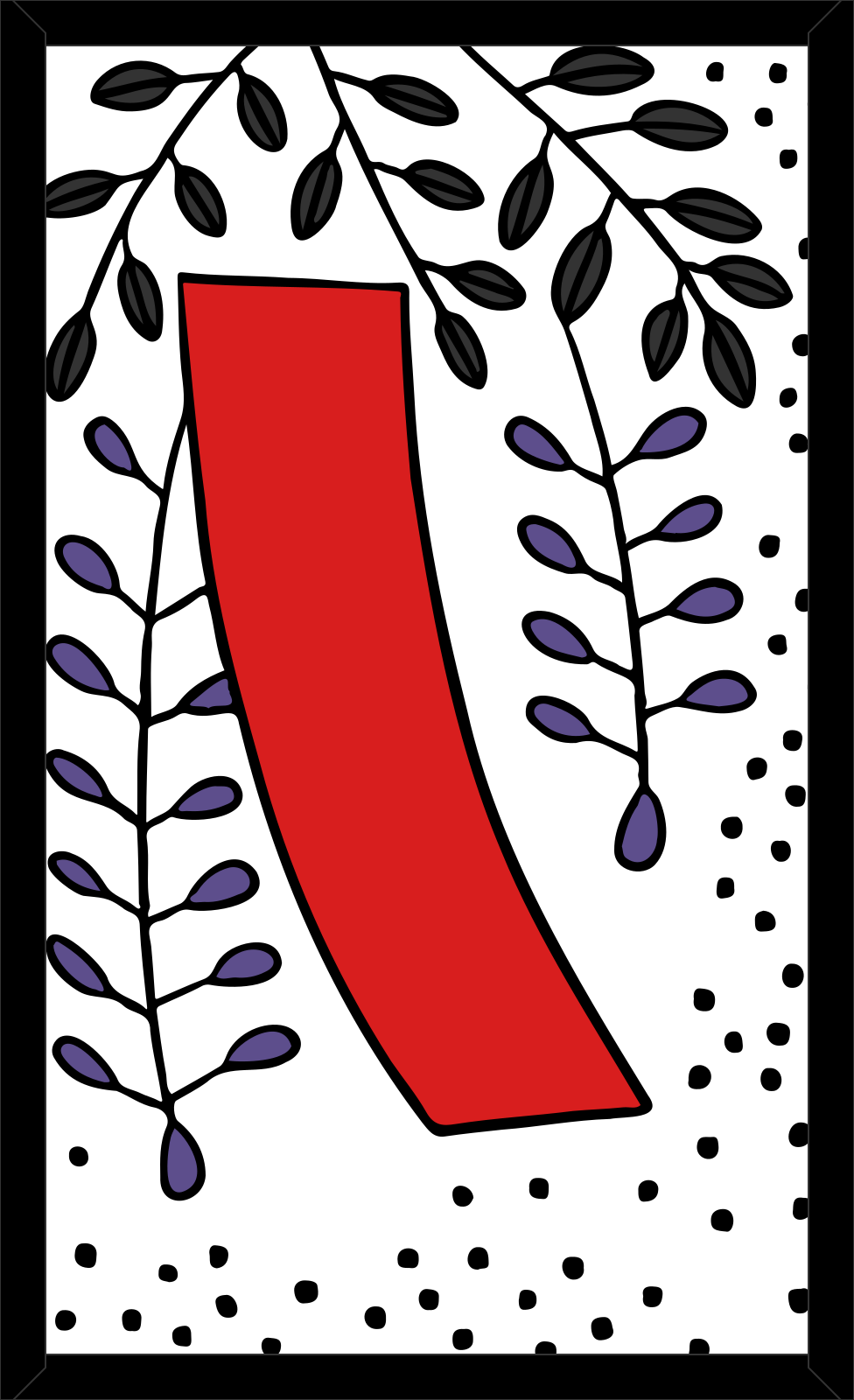
Red tanzaku 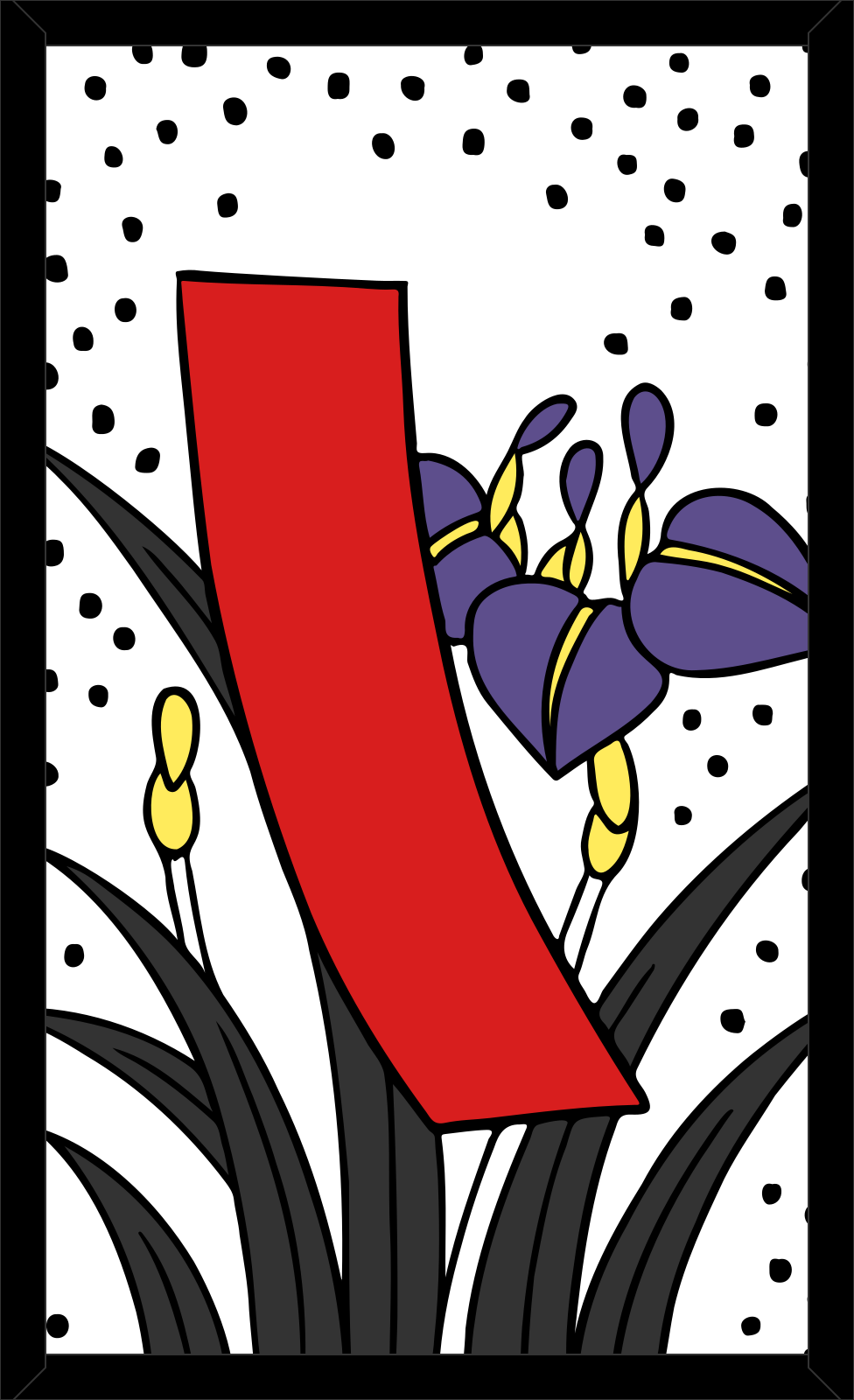
Red tanzaku 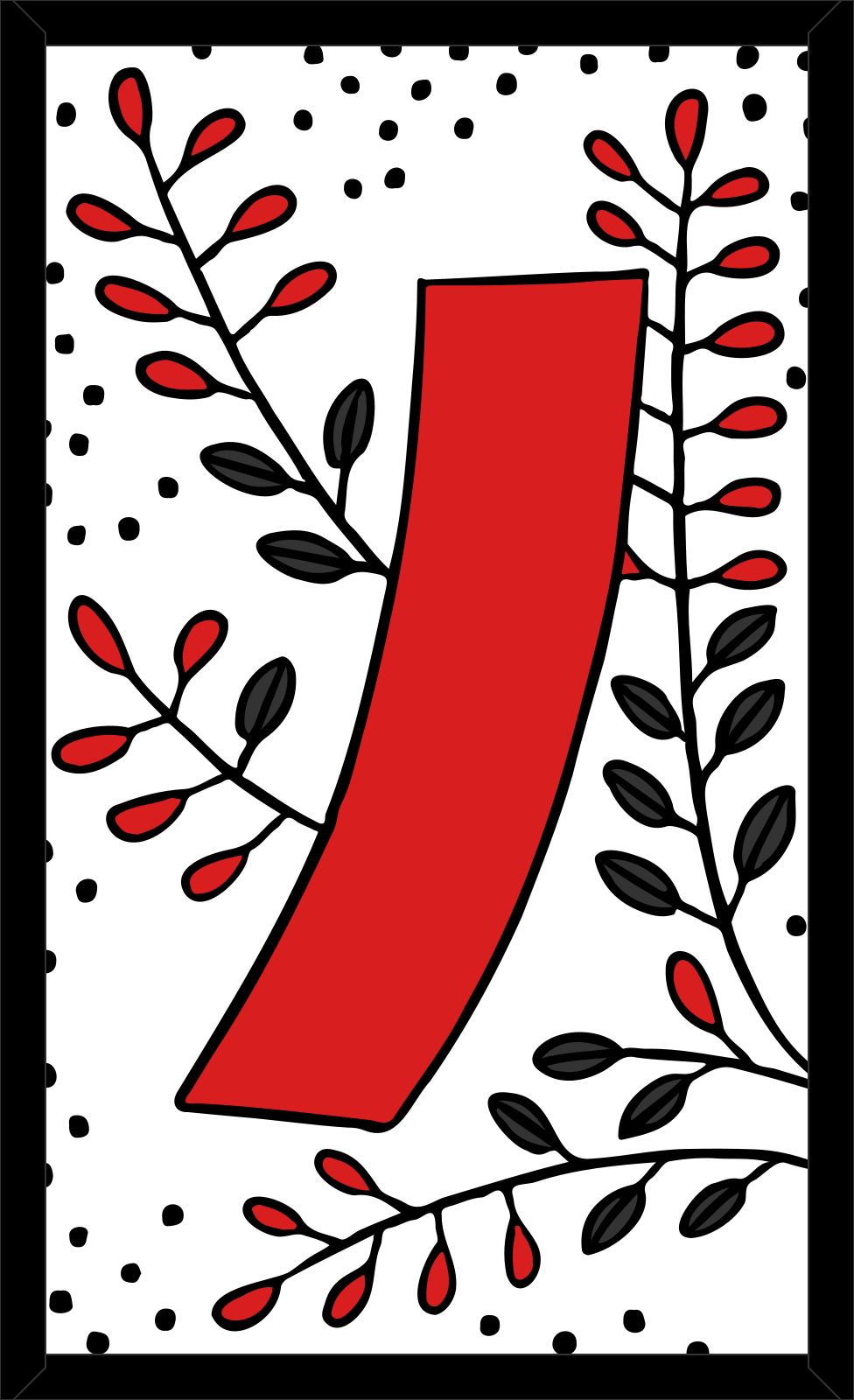
Red tanzaku 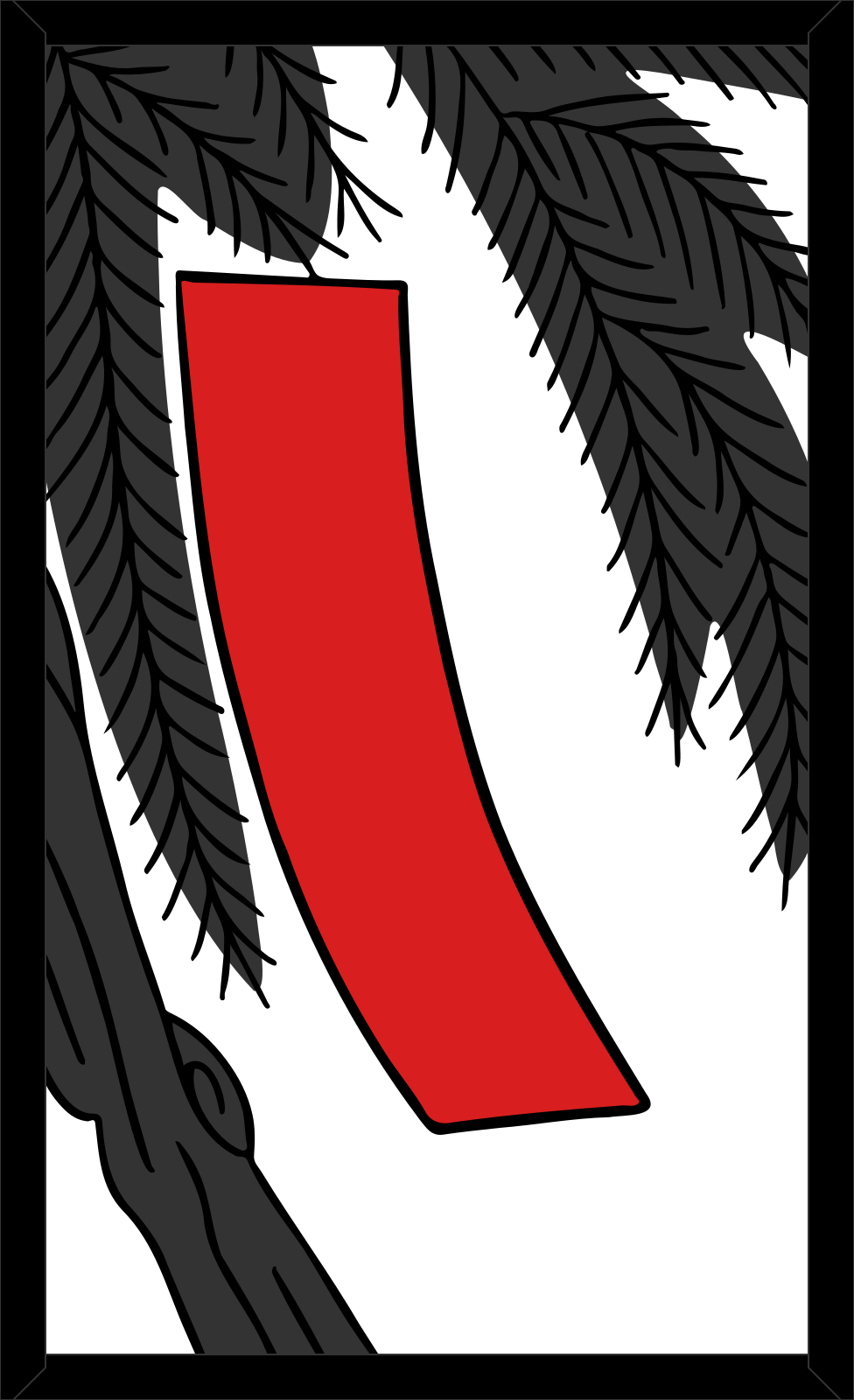
Red tanzaku
Points here and under Nintendo’s rules
Akatan and Aotan are worth 5 points each here and in Nintendo’s published Koi-Koi table, with 1 more for each other tanzaku[1]. As with Inoshikachō and Tane, the difference is Tan: Nintendo’s table says Tan does not count once Akatan or Aotan is made[1], while this game counts it beside them. Add the doubling, from 7 points there and from 8 here, and the totals part from the fifth tanzaku on:
| Captured cards | This game | Nintendo’s rules |
|---|---|---|
| Pine, Plum and Cherry poem tanzaku | Akatan 55 pts | Akatan 55 pts |
| The three and the Wisteria tanzaku | Akatan 66 pts | Akatan 66 pts |
| The three, the Wisteria and the Iris tanzaku | Akatan 7 + Tan 18 × 2 = 16 pts | Akatan 7 (Tan not counted)7 × 2 = 14 pts |
| All six poem and blue tanzaku | Chōfuku 10 + Tan 212 × 2 = 24 pts | Chōfuku 10 (Tan not counted)10 × 2 = 20 pts |
| All ten tanzaku | Chōfuku 14 + Tan 620 × 2 = 40 pts | Chōfuku 14 (Tan not counted)14 × 2 = 28 pts |
Chōfuku: both sets together
With all six, Chōfuku (重複, “overlap”; in full Akatan Aotan no Chōfuku) counts in place of Akatan and Aotan, never beside them, in this game and in Nintendo’s table[1]. Without that rule the +1 would count twice: each set would take the other’s three cards as extra tanzaku and score 8. Chōfuku scores 10 once, plus 1 for each of the four plain red tanzaku you hold. It is also called bukku, from the English card word “book”, a set[5].
Tanzaku and the koi-koi call
Akatan or Aotan alone is 5 points and does not double. Every tanzaku you capture afterwards raises your total, and each rise gives you a new choice to stop or call koi-koi. Two more tanzaku make five: Akatan 7 plus Tan 1 is 8, which doubles, and after one call the same cards pay 8 × 2 × 2 = 32. If the second set is still open, it would turn your yaku into Chōfuku. Every call also raises the multiplier for your opponent if they win the round instead.
What the red tanzaku say
The Pine and Plum tanzaku read あかよろし (akayoroshi). The second character looks like の, so many read “anoyoroshi”, but it is か in an old cursive form of 可, a hentaigana[7][5]. What it means is disputed. The card maker Ōishi Tengudō glosses it as “truly splendid”, from akiraka ni yoroshi, “clearly good”[7], and English Wikipedia follows that[8]. Japanese Wikipedia calls this a mistake: akayoroshi just names the red tanzaku, since the blue ones were once called aoyoroshi[5]. Tengudō also reports a theory that the words are a miscopy of shika zo sumu from a poem by Kisen Hōshi in the Hyakunin Isshu[7].
The Cherry tanzaku reads みよしの (miyoshino), “fair Yoshino”: the Yoshino area of Nara, the classic cherry-blossom place of poetry, so the word itself means cherry[5]. Tanzaku on mid-Edo cards hung from strings and carried no writing. Inscriptions such as みよしの appeared in the early Meiji era, makers wrote different words, and Nintendo’s あかよろし and みよしの became the usual ones[5].
The blue tanzaku
The blue tanzaku of the Peony (June), the Chrysanthemum (September) and the Maple (October) carry no writing. On mid-Edo cards they were already dark blue, while the red ones were whitish[5]. The Japanese names are sometimes written 赤丹 and 青丹 instead of 赤短 and 青短[5], and in Korean hwatu decks the ribbons carry the words hongdan (紅短) and cheongdan (青短) in Hangul[5].
Playing for Akatan and Aotan
- Six months, one card each. Akatan lives in January, February and March, Aotan in June, September and October. Any card of the same month takes the tanzaku from the table.
- One card blocks a set. Once your opponent holds one tanzaku of a set, that set, and Chōfuku, are out of reach for you. Hover over or tap a captured card to see progress such as “Aotan 2/3” or “out of reach”. With assisted highlighting on, a capture that completes a set says so (“Completes Akatan, +5 pts”), and one that blocks your opponent is marked.
- Choose between two cards of a month. When two cards of the month you play lie on the table, you take one of them (how matching works). In June and October the choice can be a blue tanzaku or an Inoshikachō card.
- Plain red tanzaku still help. Each adds 1 once you have a set, and any five tanzaku make Tan.
House rules and other games
- Akatan and Aotan are worth 6 in some rule sets, and Chōfuku (bukku) 12 or 15[4][2].
- The +1 per extra tanzaku is a rule some players use, not all[2]. Older descriptions give no bonus; instead Akatan and Aotan stack with each other and with Tan, and Chōfuku is not a yaku of its own[3].
- In Hana-awase, Akatan (also called ura-sugawara) and Aotan score 40 each, and the plain red tanzaku of the Wisteria, the Iris and the Lespedeza make a yaku of their own, kusa (“grass”), worth 20[6]. The same “grass ribbons” yaku appears in Go-Stop[9].
This game keeps Nintendo’s values and the +1, and counts Tan beside the sets; no room setting changes that. The house rules page compares how rule sets stack yaku.
Questions
Do the Wisteria, Iris, Lespedeza and Willow tanzaku count for Akatan?
No. Only the three with writing, of the Pine, the Plum and the Cherry, make Akatan. The other four count for Tan and add 1 to a set you already have.
Do I score Akatan, Aotan and Chōfuku together?
No. With all six you score Chōfuku (10) instead of the two sets, plus Tan here. See the Tane, Tan and Kasu page for Tan.
Sources
- こいこい|花札の歴史・遊びかた. Nintendo: Yaku values, Tan void with Akatan or Aotan, the 7-point doubling, the koi-koi rule
- こいこい. Wikipedia (Japanese): Common rules, other values, the +1 as an optional rule
- Koi-Koi. Fuda Wiki: Older ribbon yaku
- 花札の遊び方(こいこいのルール). Etohana (hanafuda game): Akatan and Aotan at 6, bukku at 12
- 花札. Wikipedia (Japanese): The inscriptions and their history; bukku; hwatu
- 花合わせ. Wikipedia (Japanese): Tanzaku yaku in Hana-awase
- 花札の謎シリーズ! 赤短『あかよろし?』. Ōishi Tengudō (card maker, Kyoto)
- Hanafuda. Wikipedia: The akayoroshi inscription
- Bush Clover. Fuda Wiki: The grass ribbons yaku