
Tane, Tan and Kasu: yaku by number of cards
Last updated
Tane, Tan and Kasu are the Koi-Koi yaku you make by count. Any 5 tane (animal cards), any 5 tanzaku or any 10 kasu (plain cards) score 1 point, and every card after that adds 1 more. So Kasu needs ten plains; in this game the Sake cup is not one of them, although Nintendo’s rules count it.
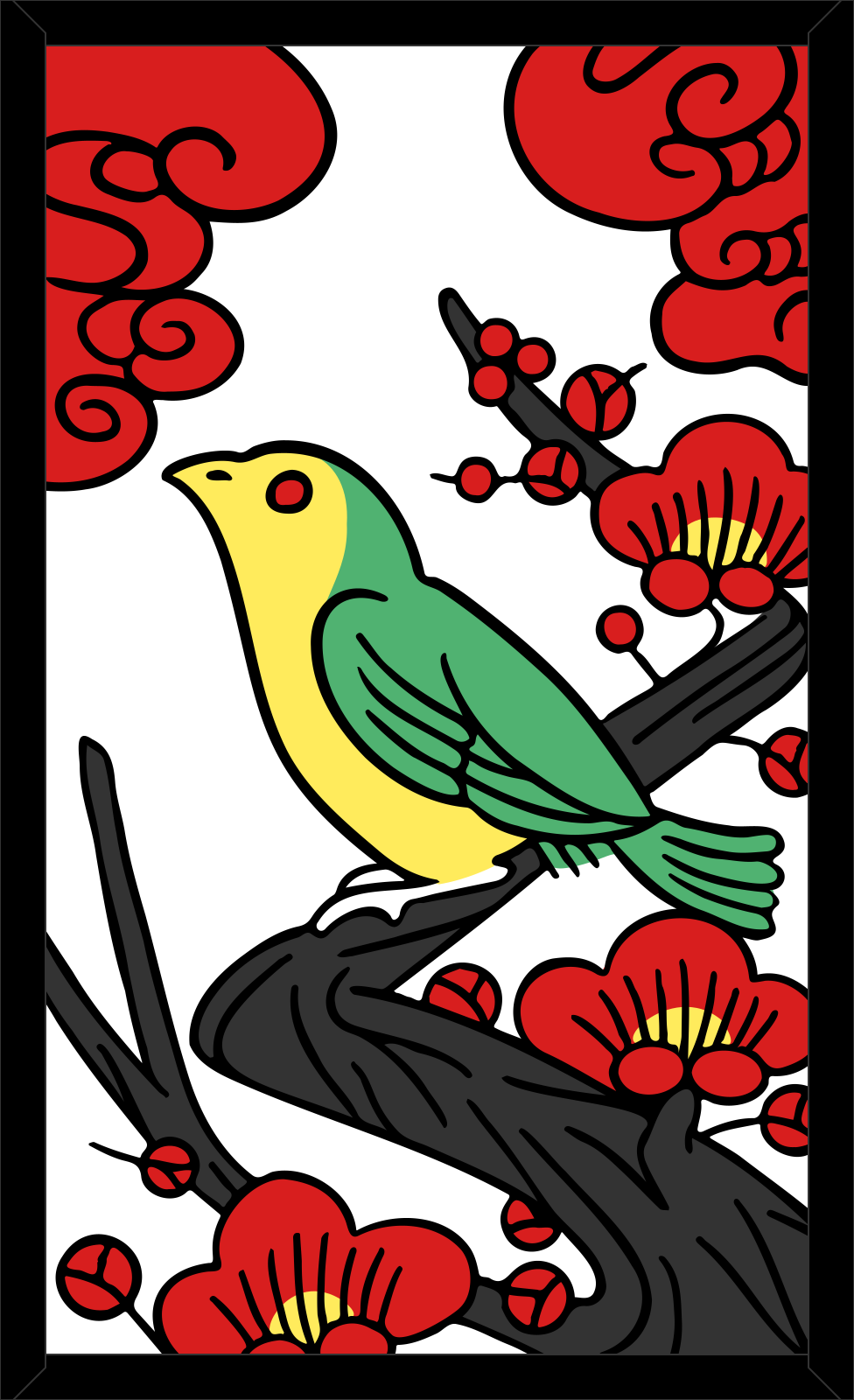
Nightingale梅に鶯February · Animal (tane) · 10 pts 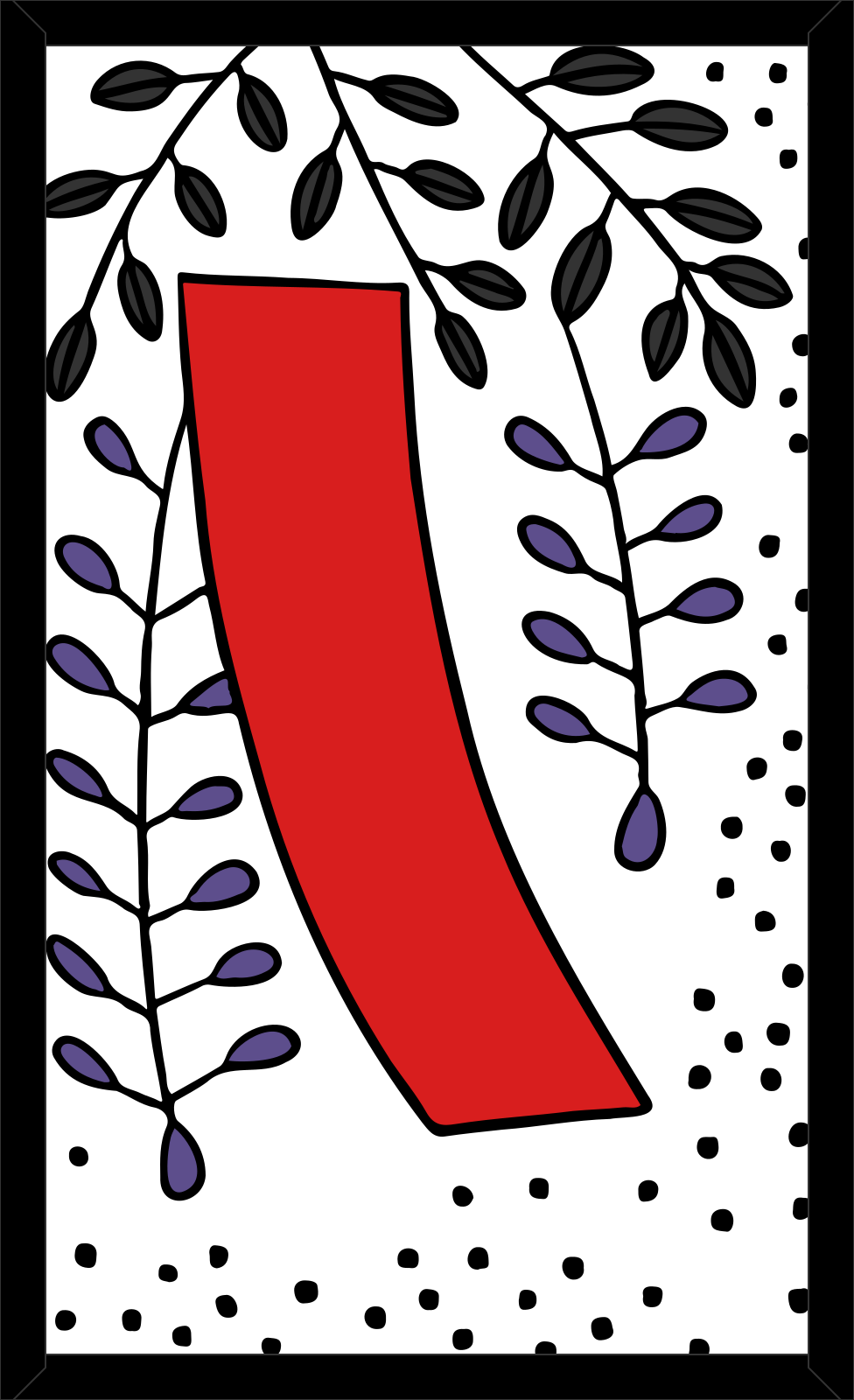
Red tanzaku藤に短冊April · Tanzaku (ribbon) · 5 pts 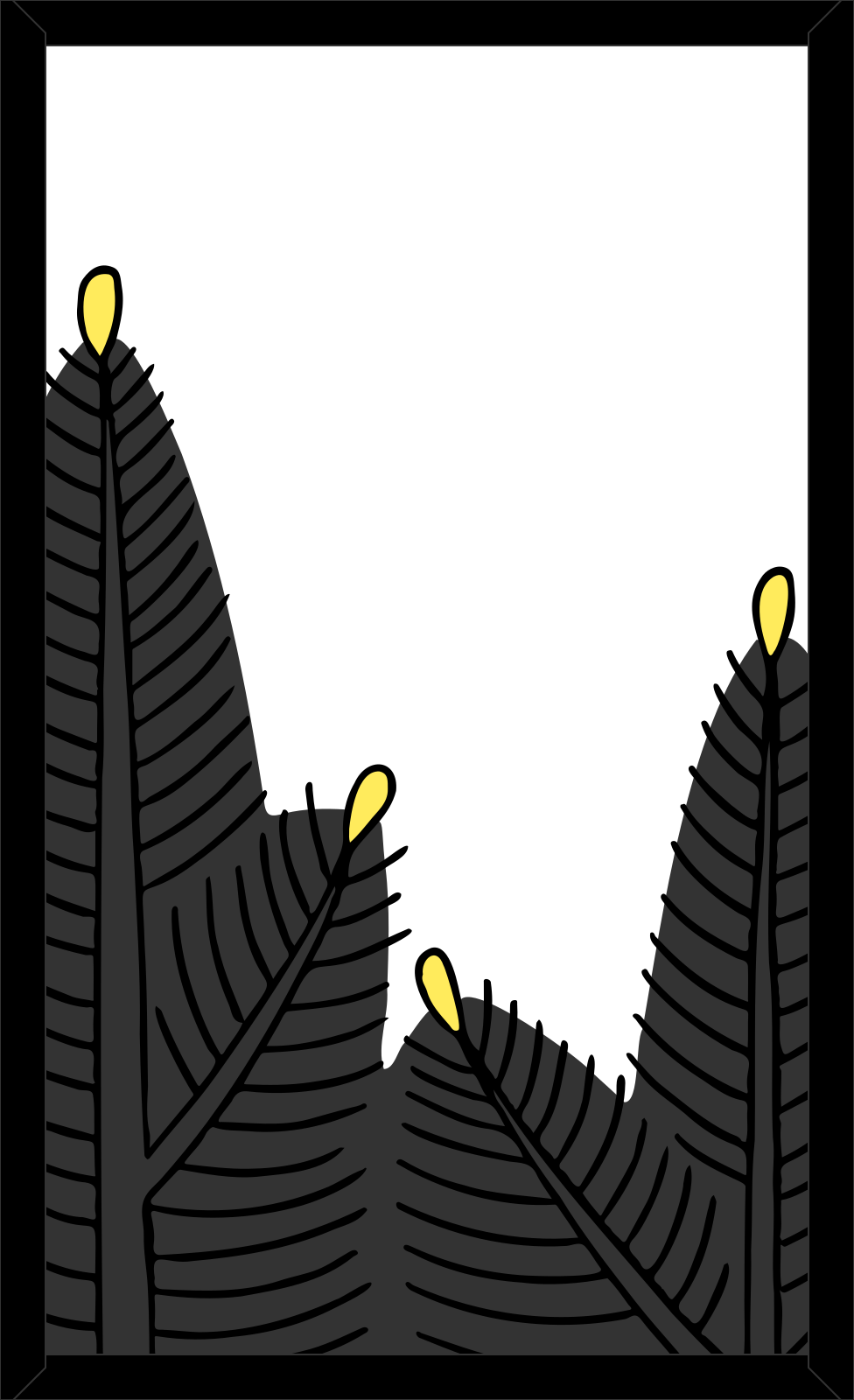
Pine plain松のカスJanuary · Plain (kasu) · 1 pt
How many cards each yaku needs
| Yaku | Cards needed | With every card |
|---|---|---|
| Tane | 5 of the 9 tane | 5 points |
| Tan | 5 of the 10 tanzaku | 6 points |
| Kasu | 10 of the 24 plains | 15 points |
Every card that is not one of the five lights belongs to exactly one of these kinds, so every such capture moves one of the three counts. The values are the same in Nintendo’s published table[1].
Tane: the nine animal cards
Nightingale 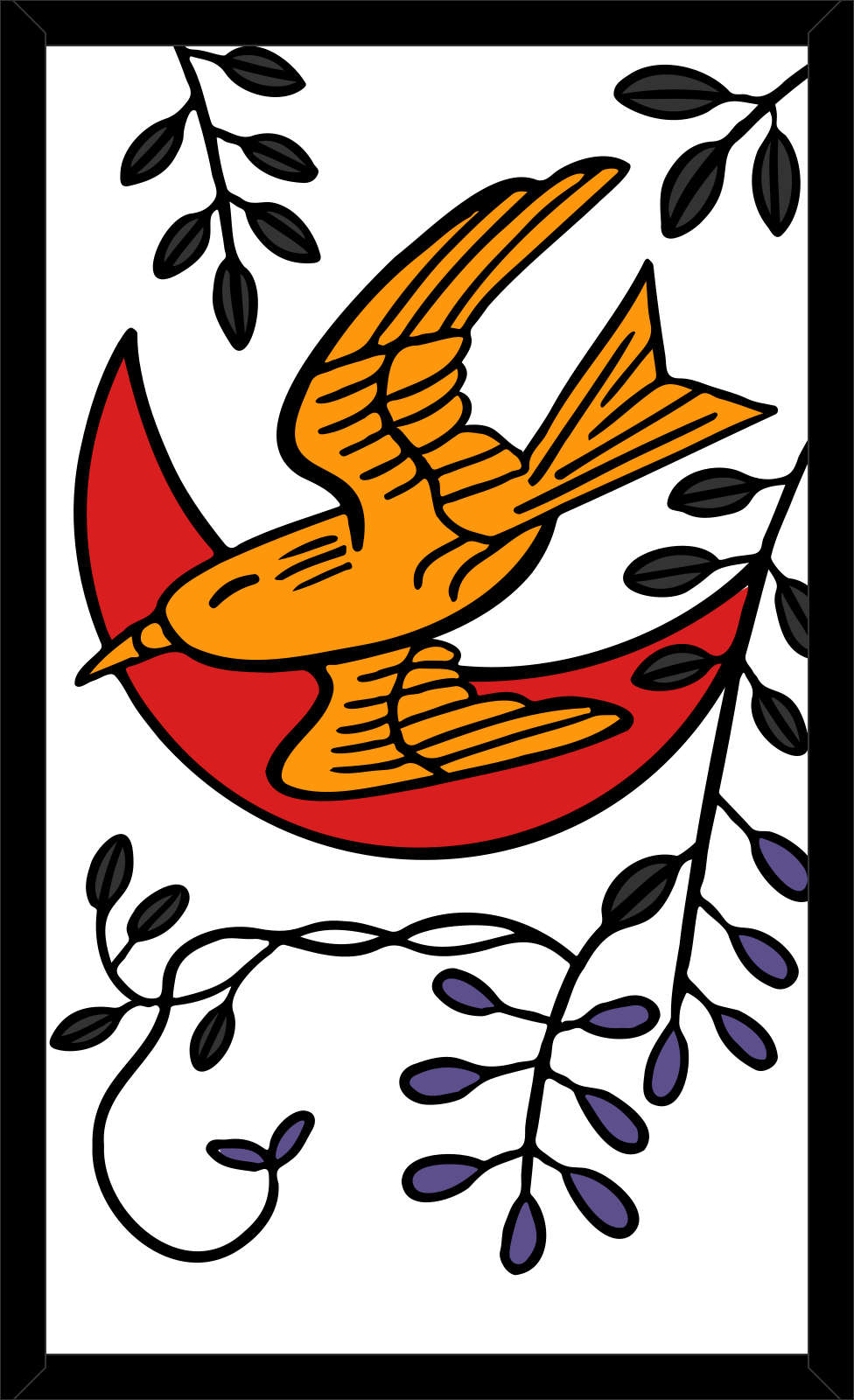
Cuckoo 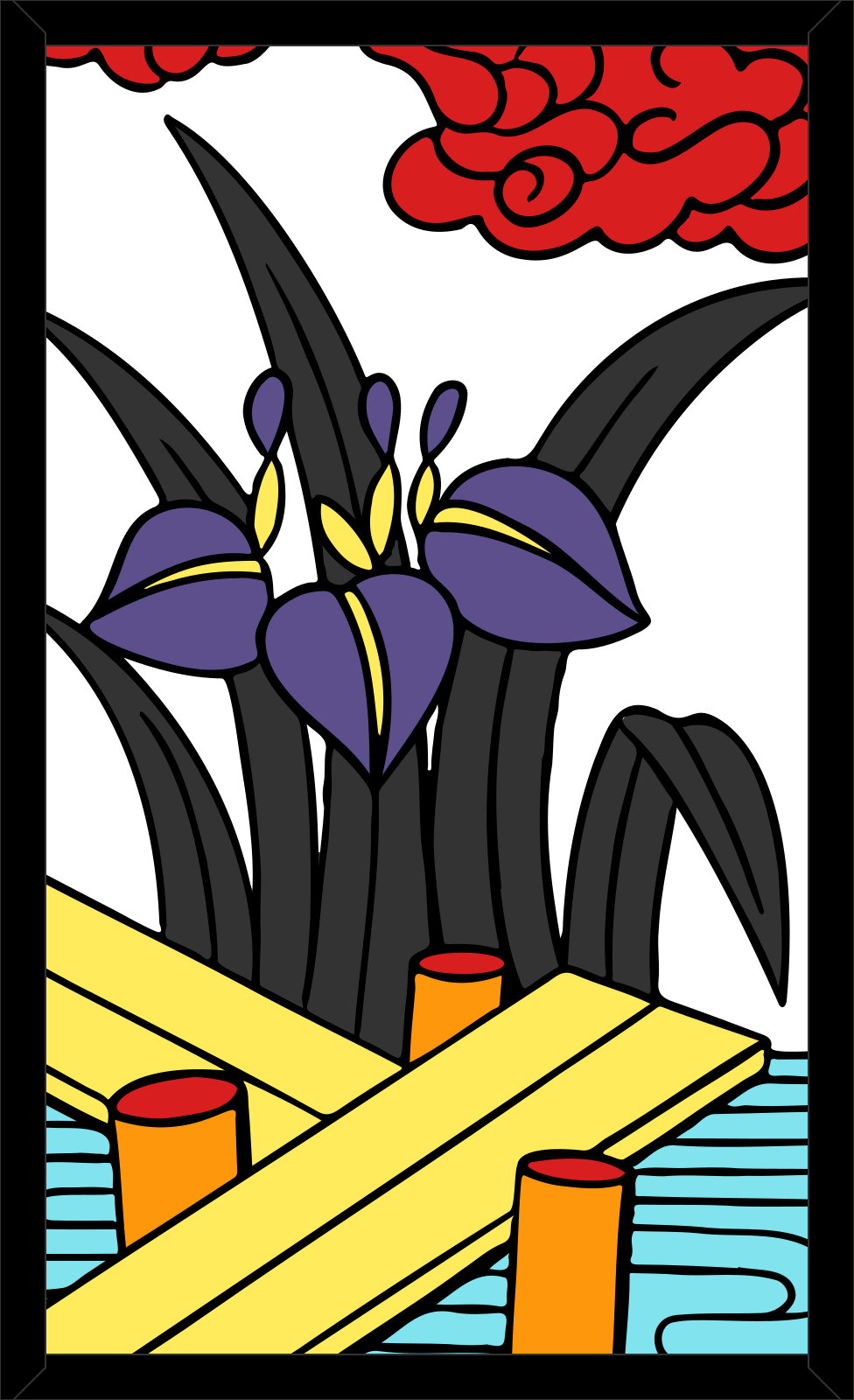
Bridge 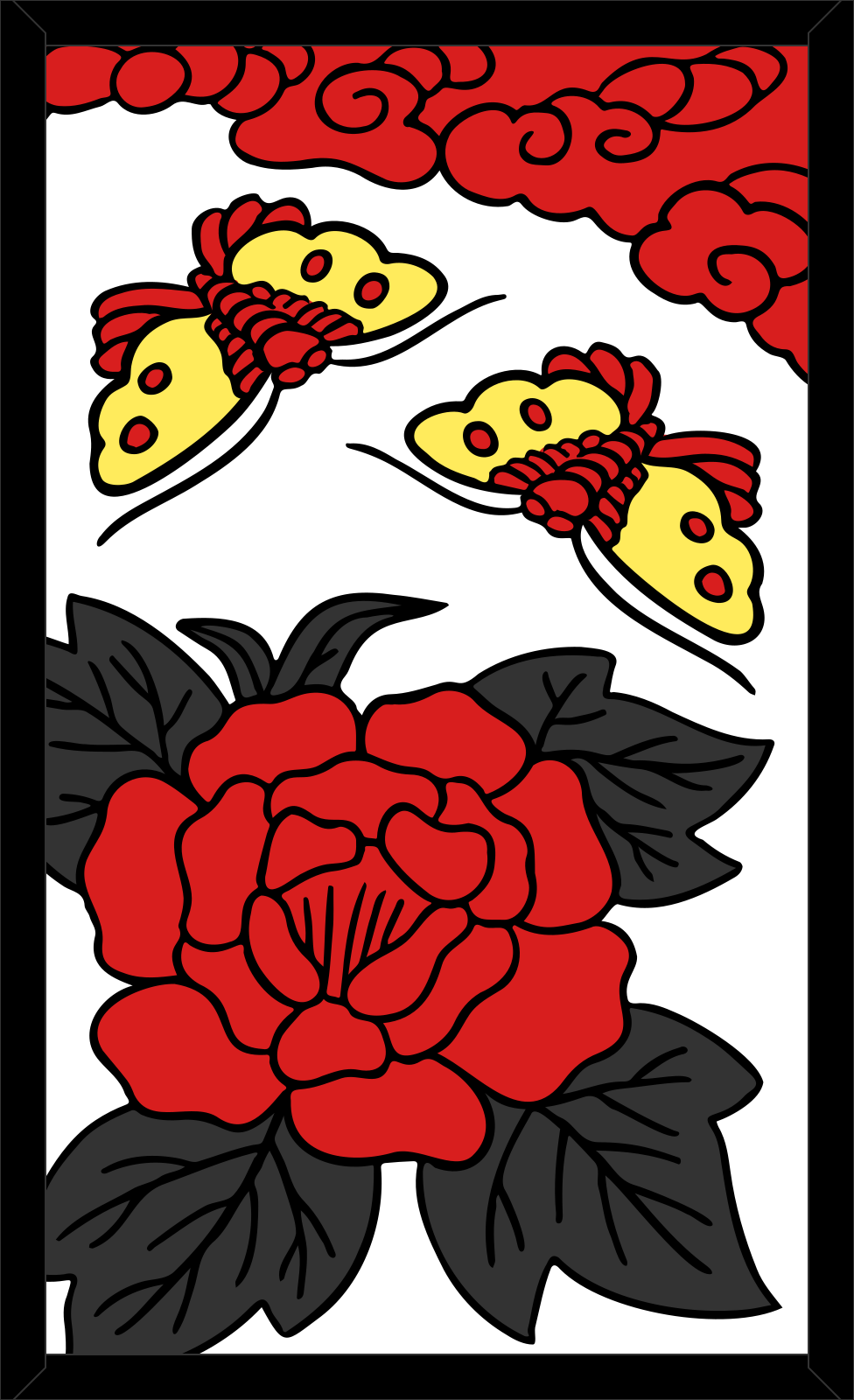
Butterflies 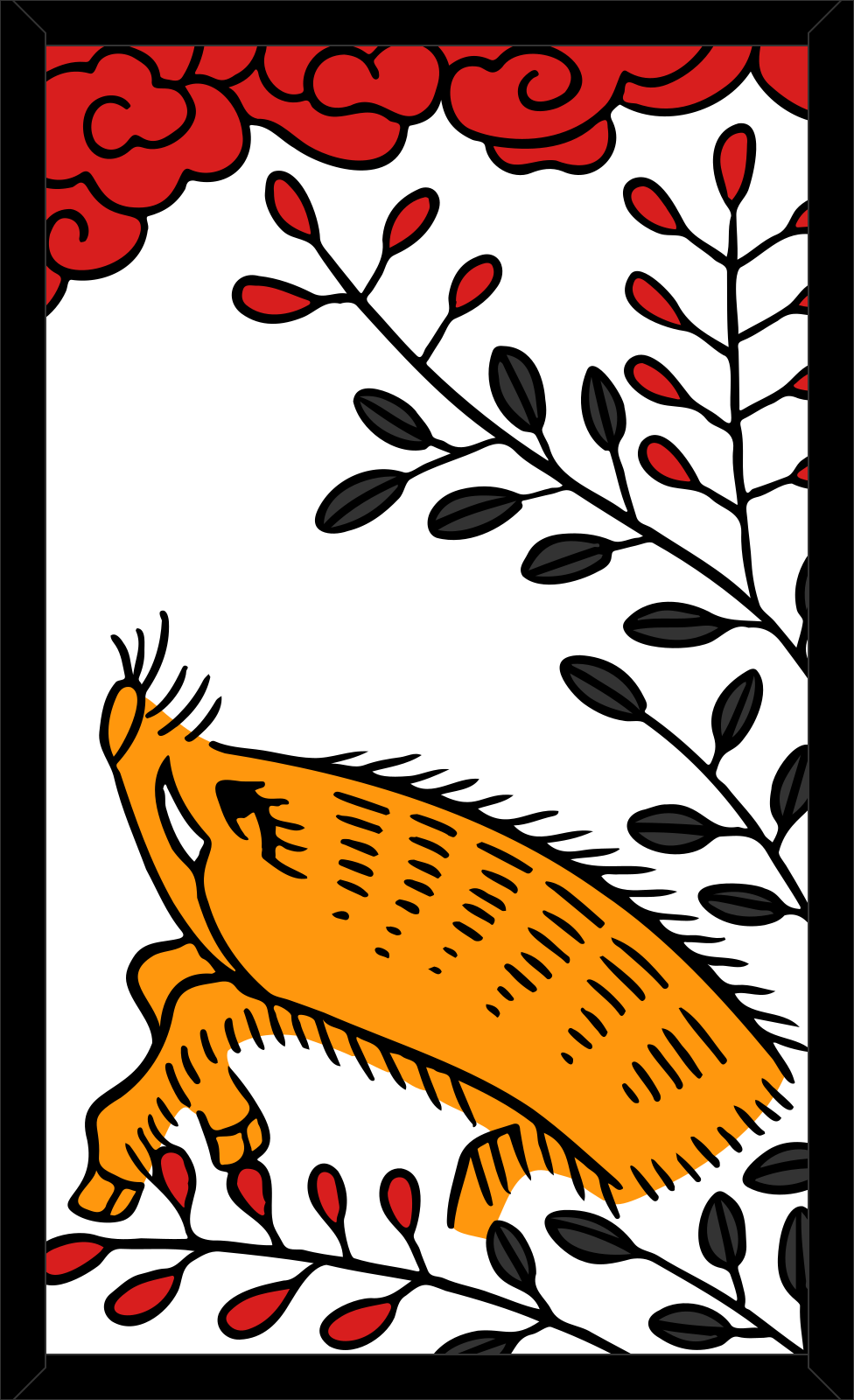
Boar 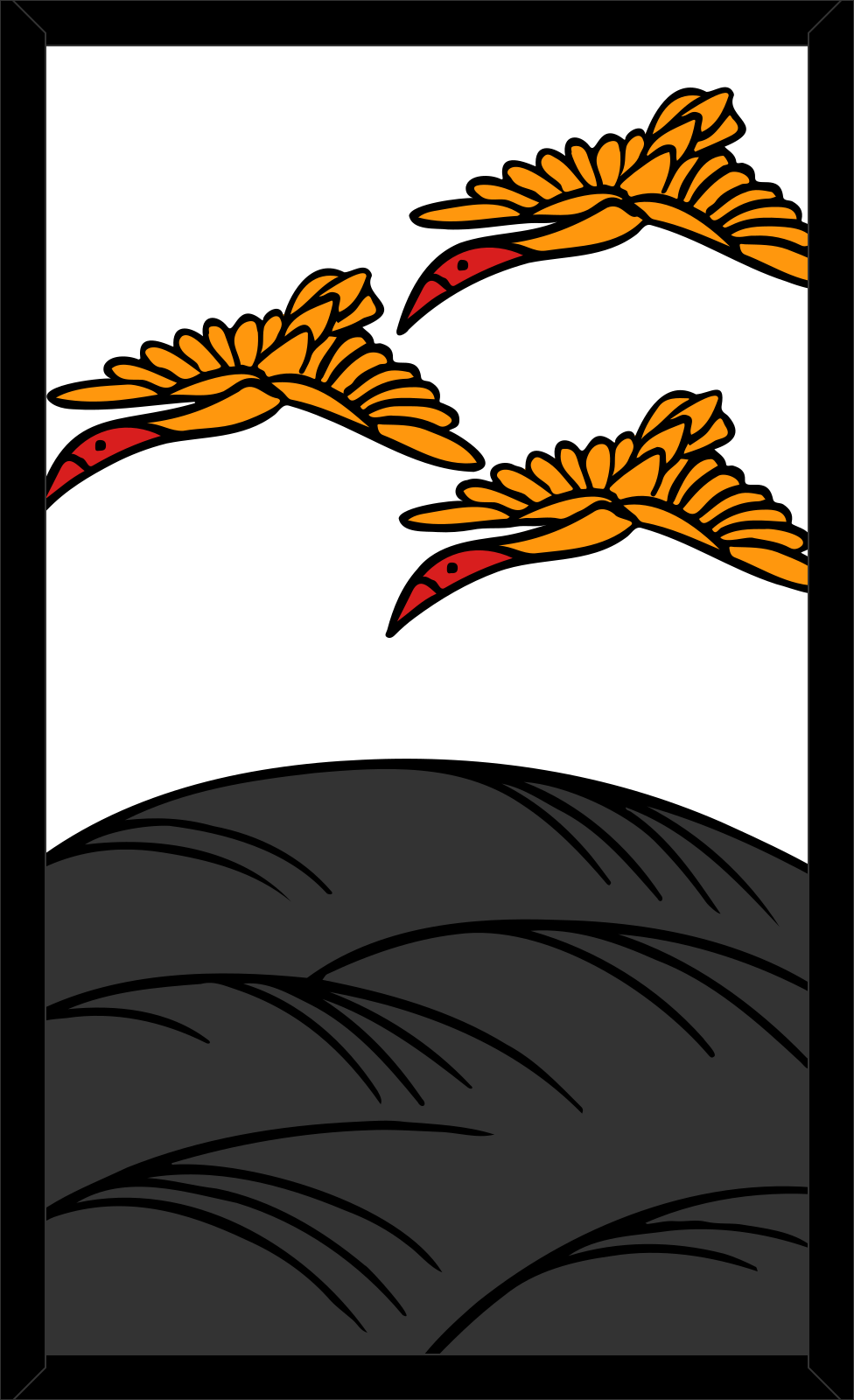
Geese 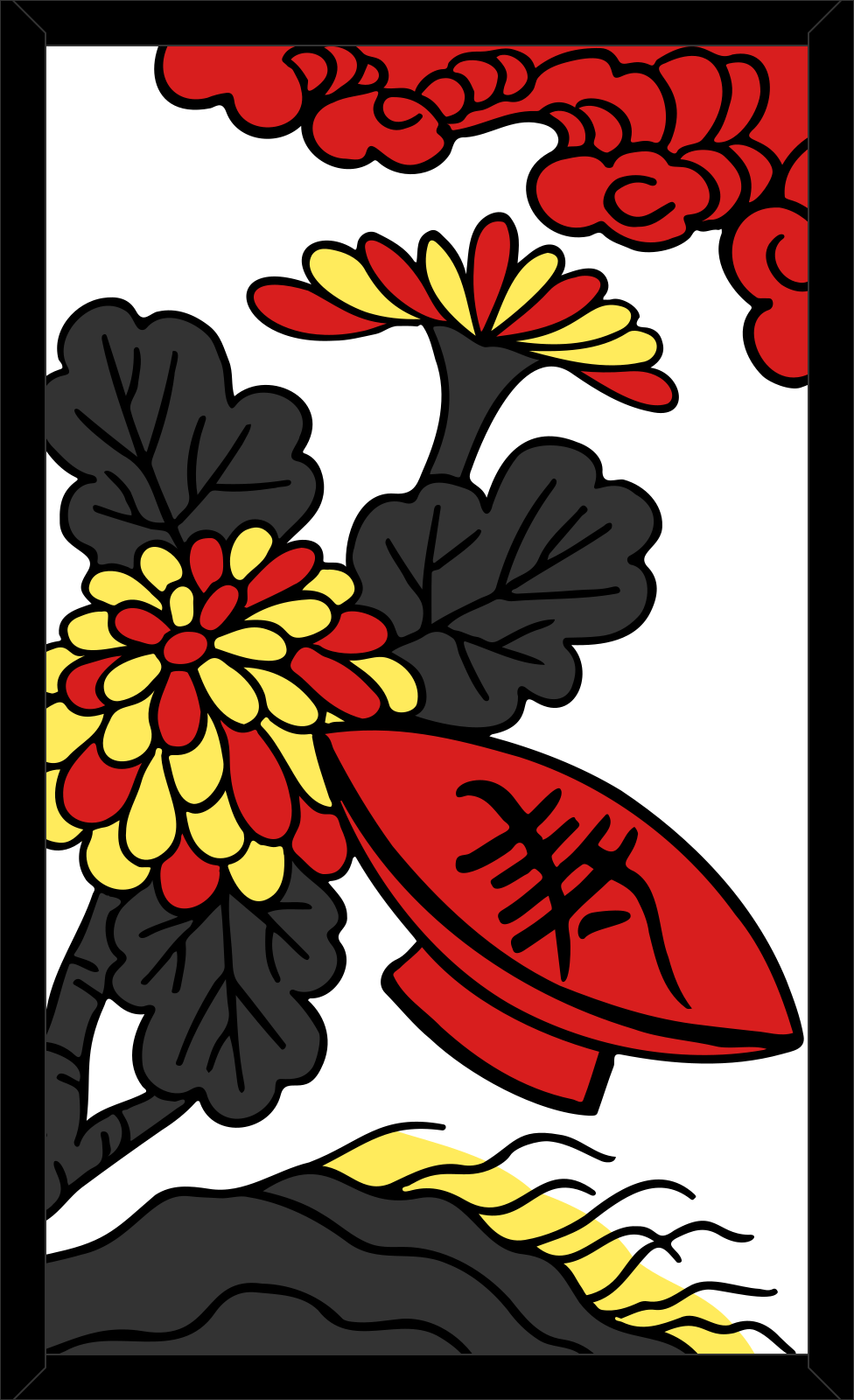
Sake cup 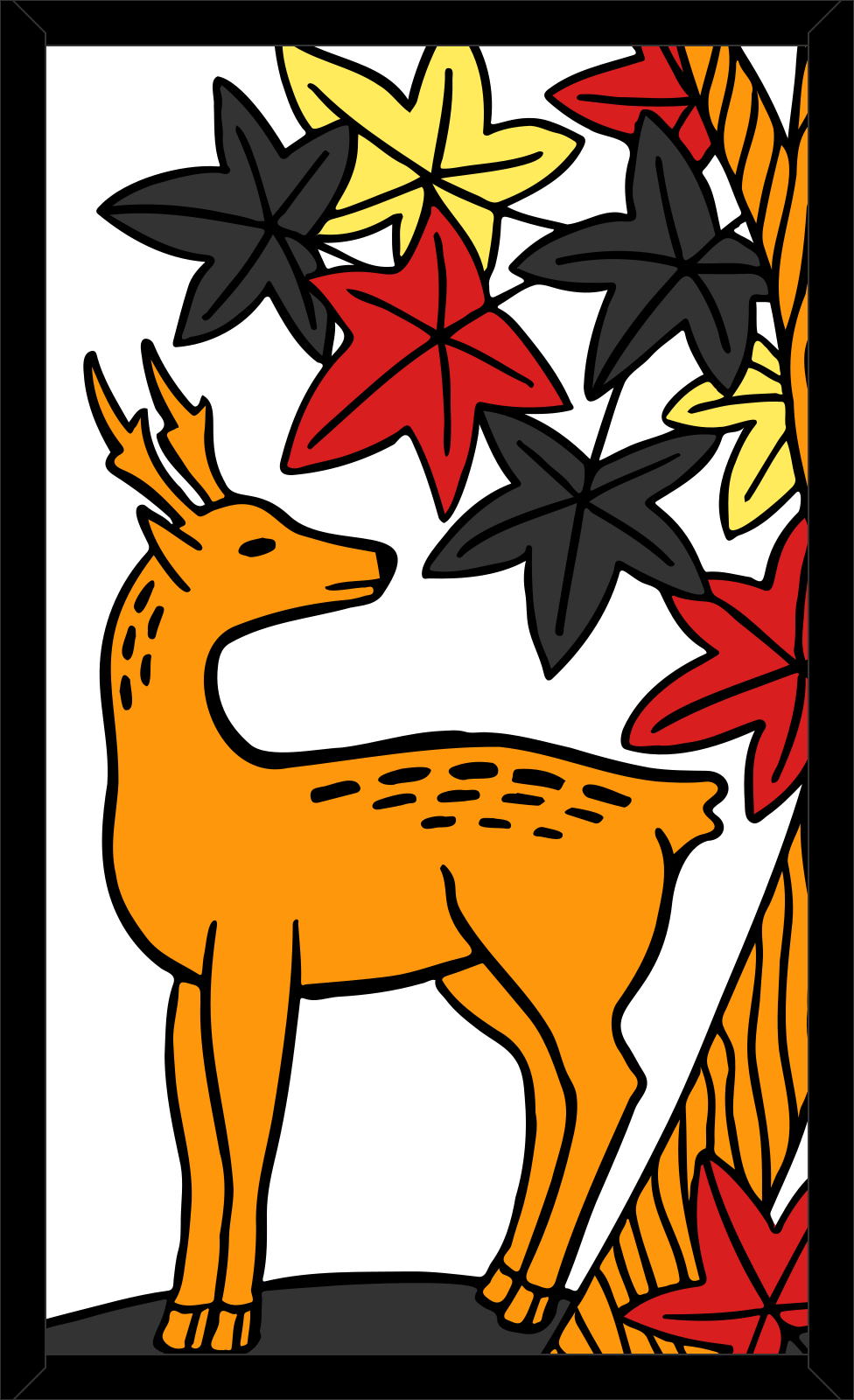
Deer 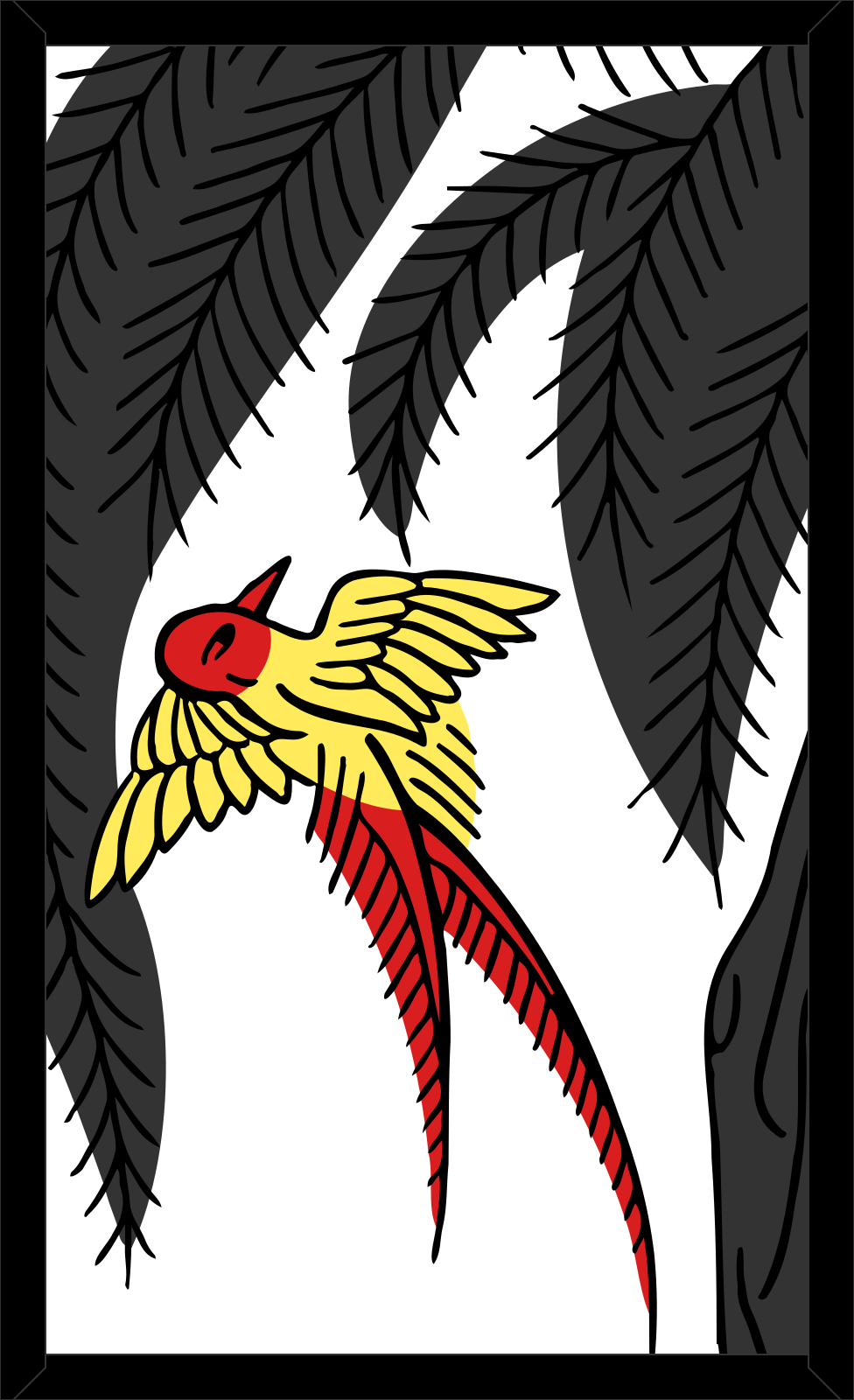
Swallow
The tane are the cards with an animal or a bird, plus the Bridge and the Sake cup[4]. Any five make Tane. Three of them also make Inoshikachō, and with the Boar, the Deer and the Butterflies among your five this game scores both yaku; Nintendo’s table drops Tane then[1]. With only nine tane, just one player can make Tane in a round.
Tan: the ten tanzaku
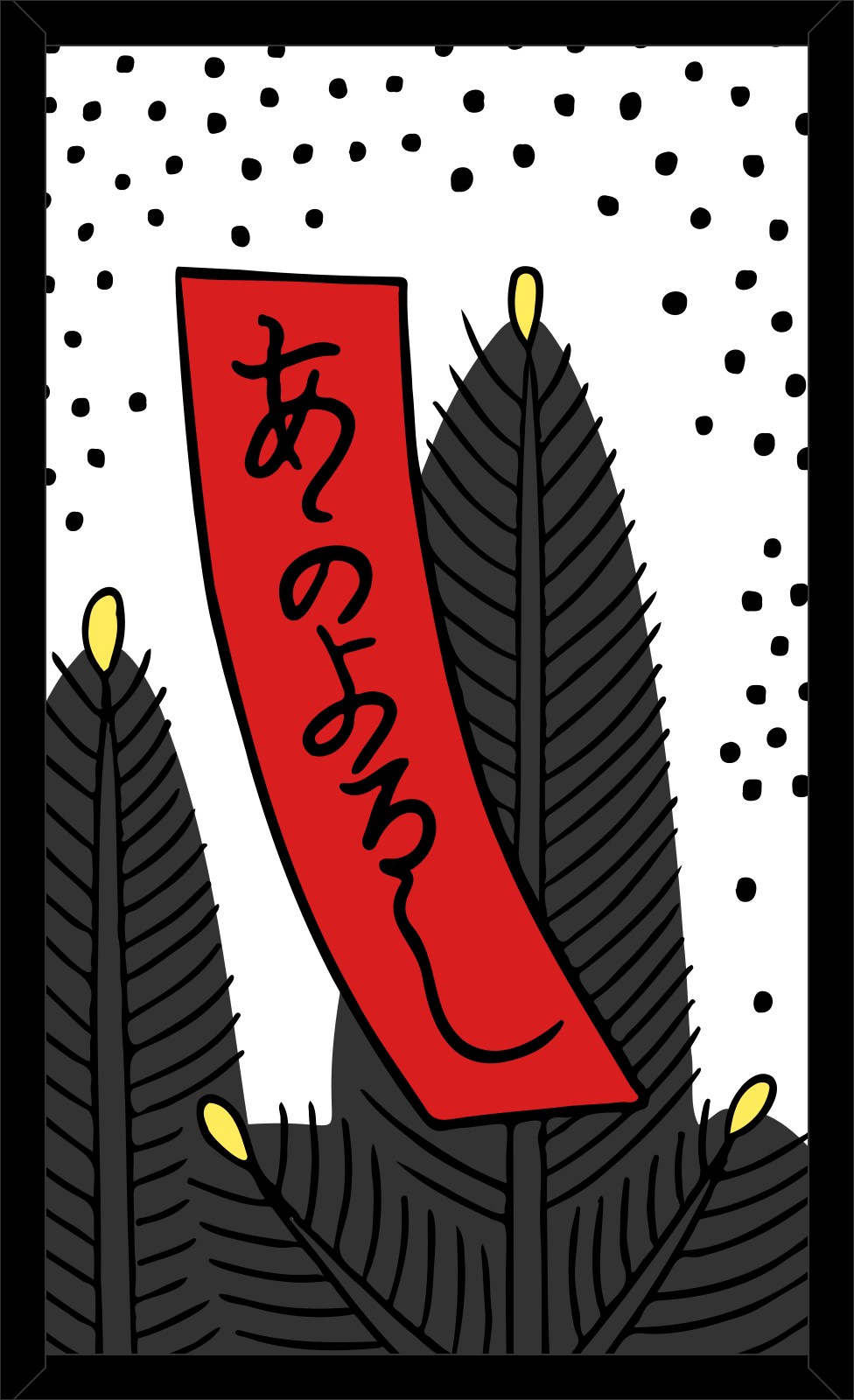
Red poem tanzaku 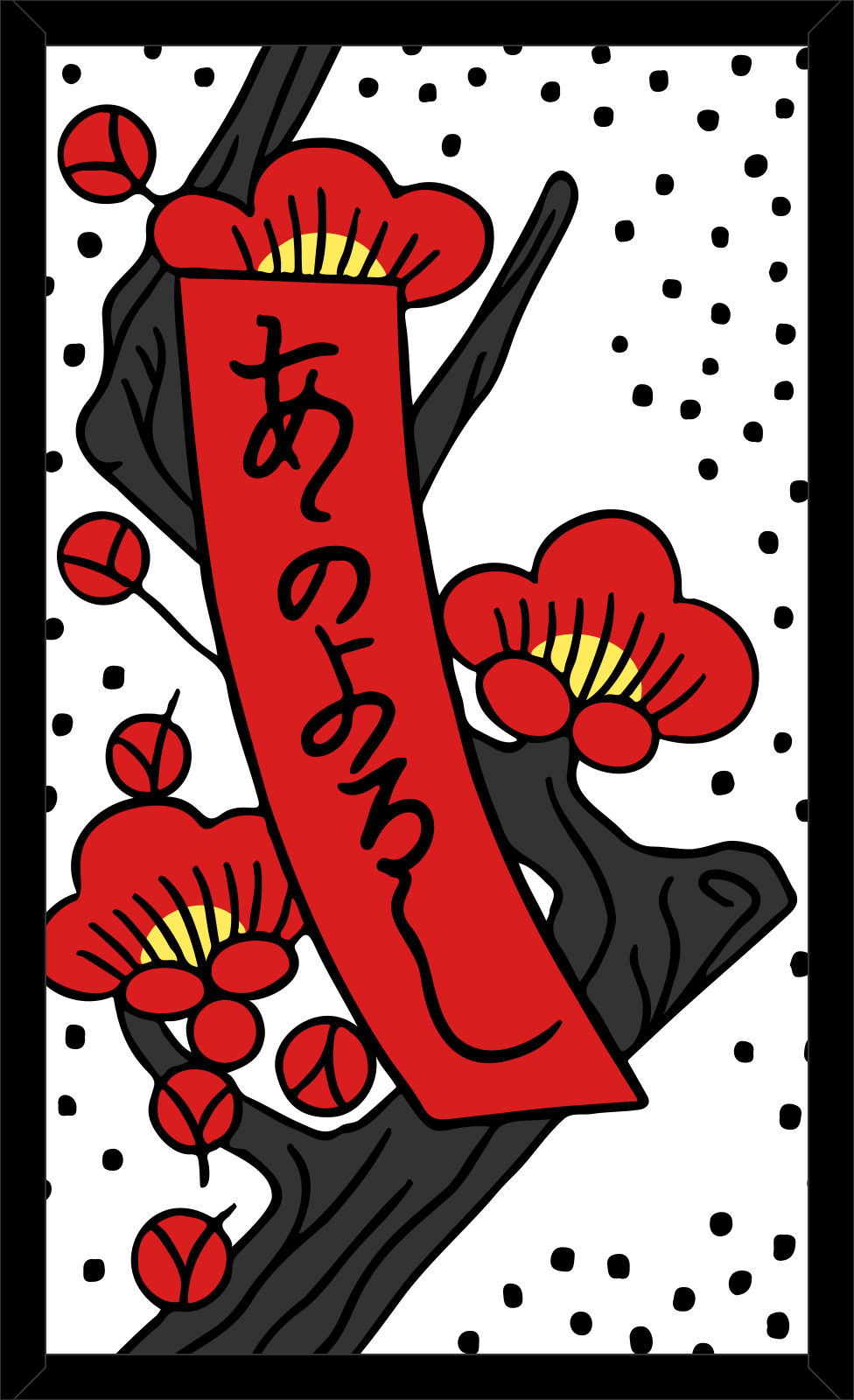
Red poem tanzaku 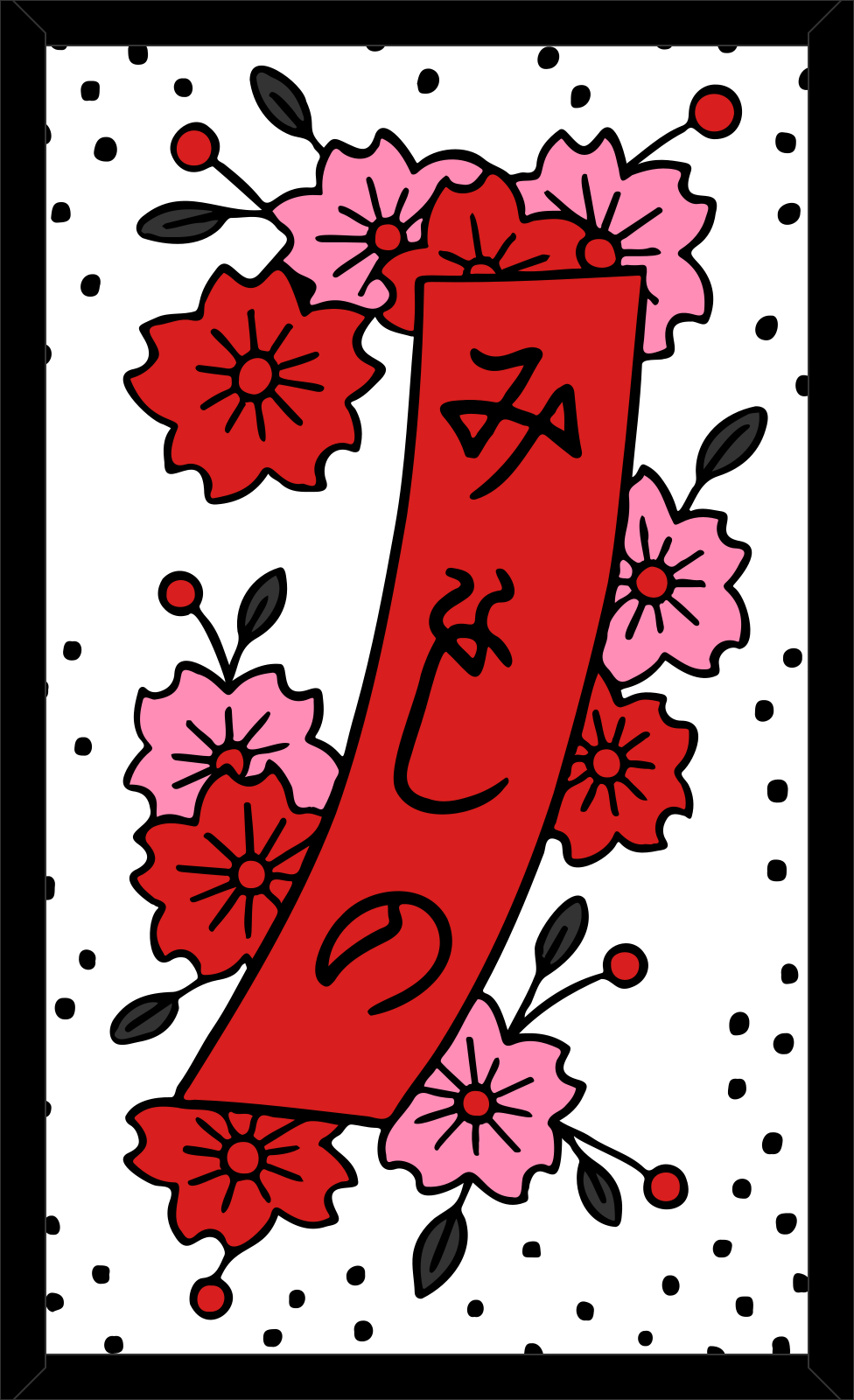
Red poem tanzaku Red tanzaku 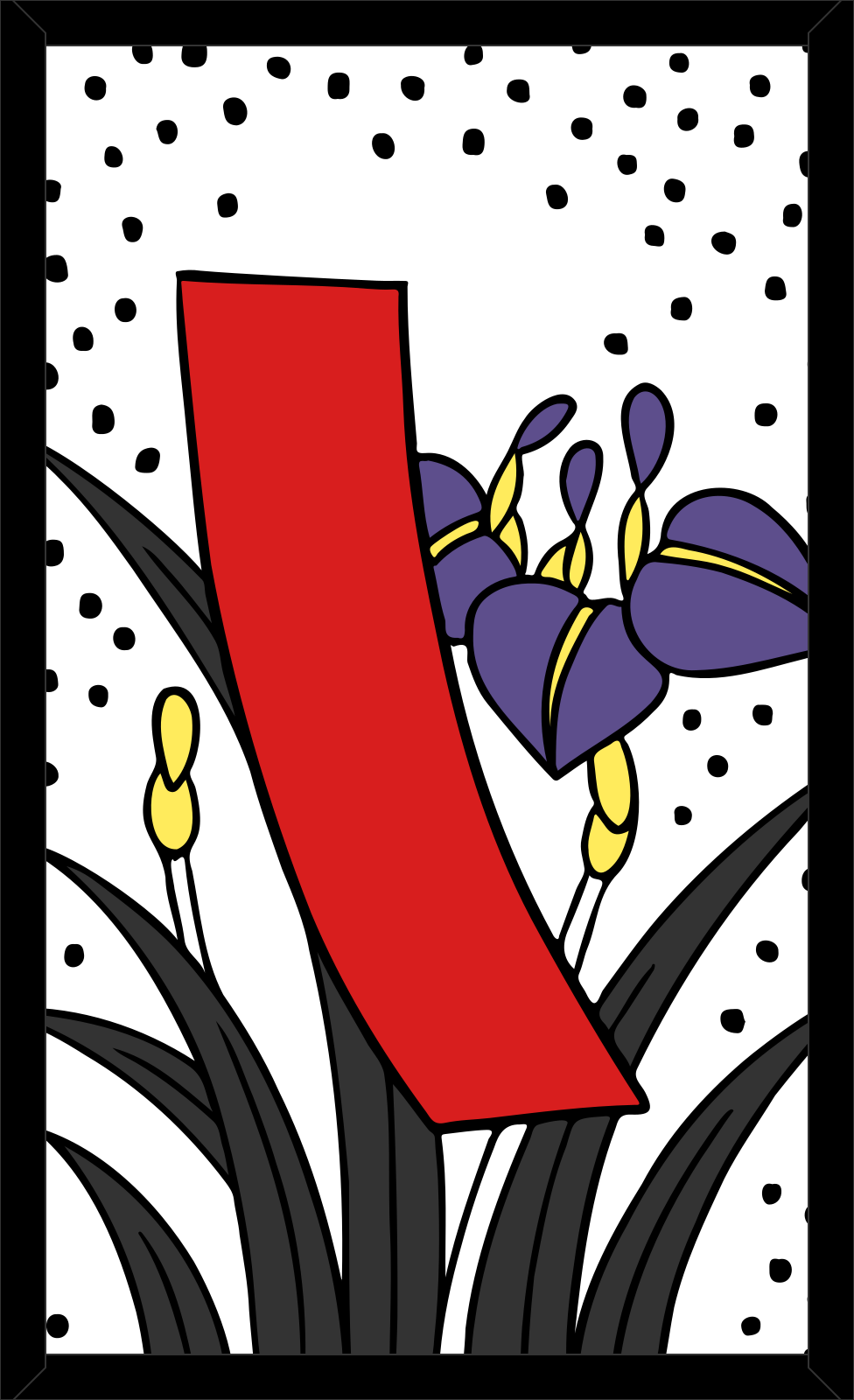
Red tanzaku 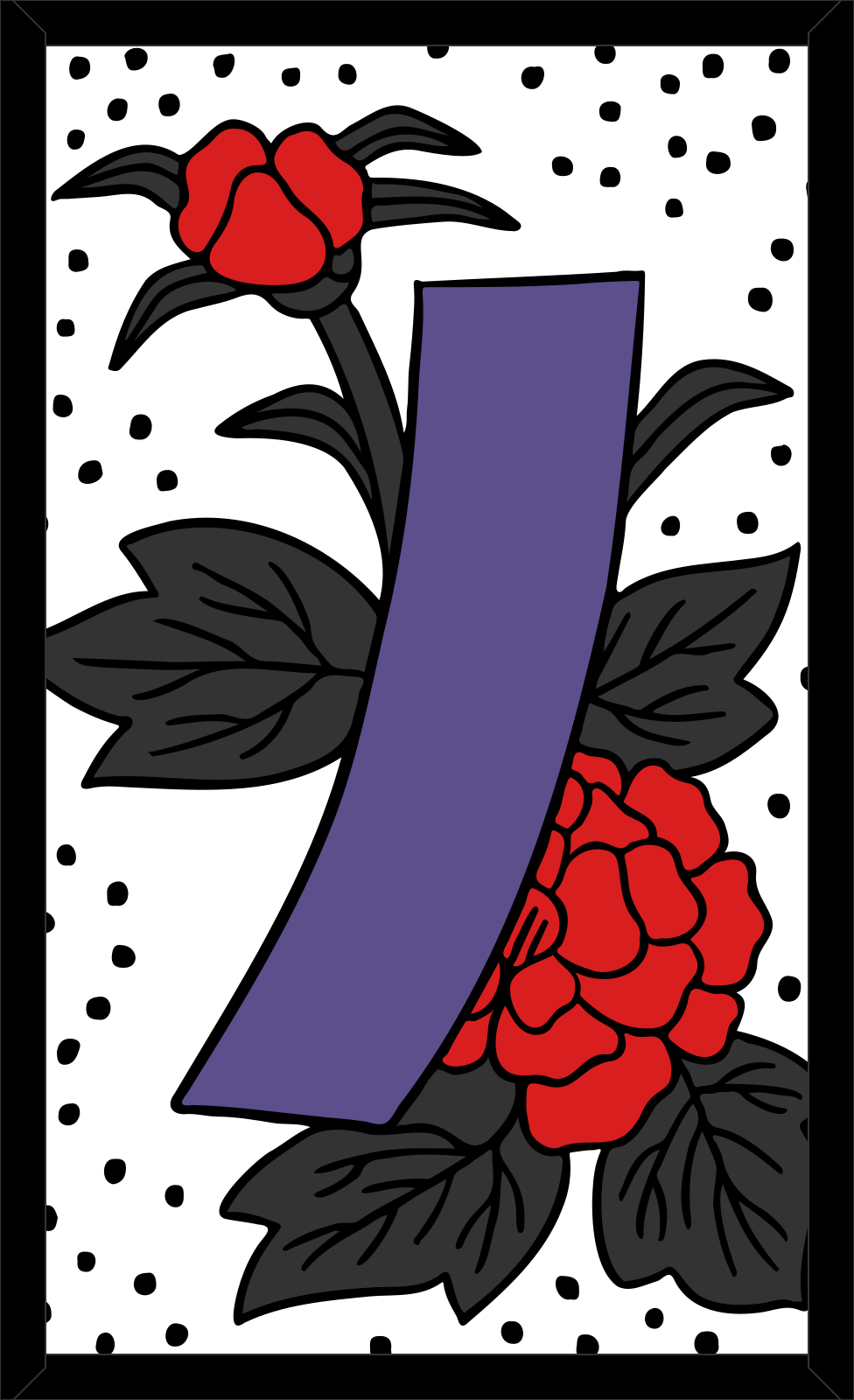
Blue tanzaku 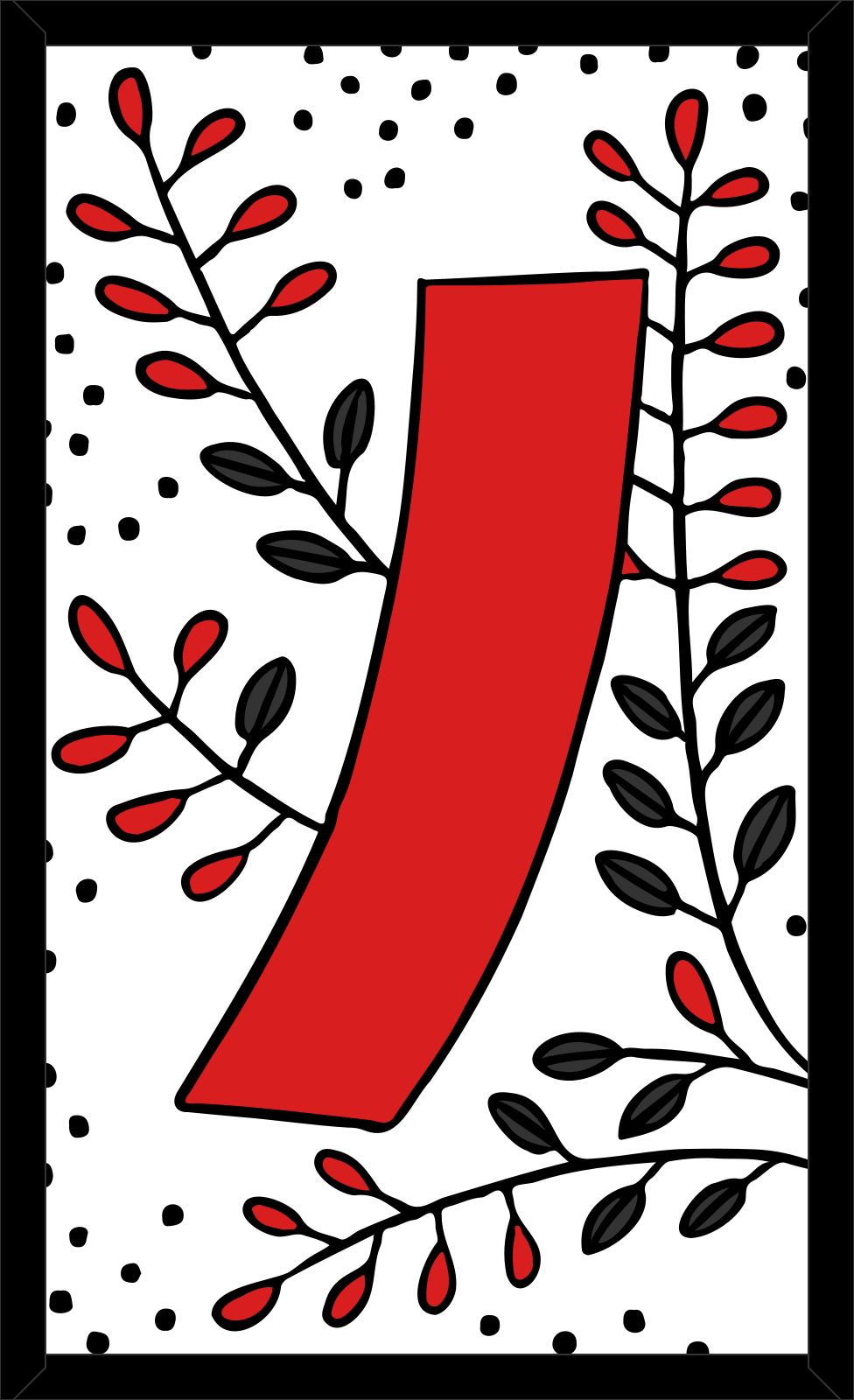
Red tanzaku 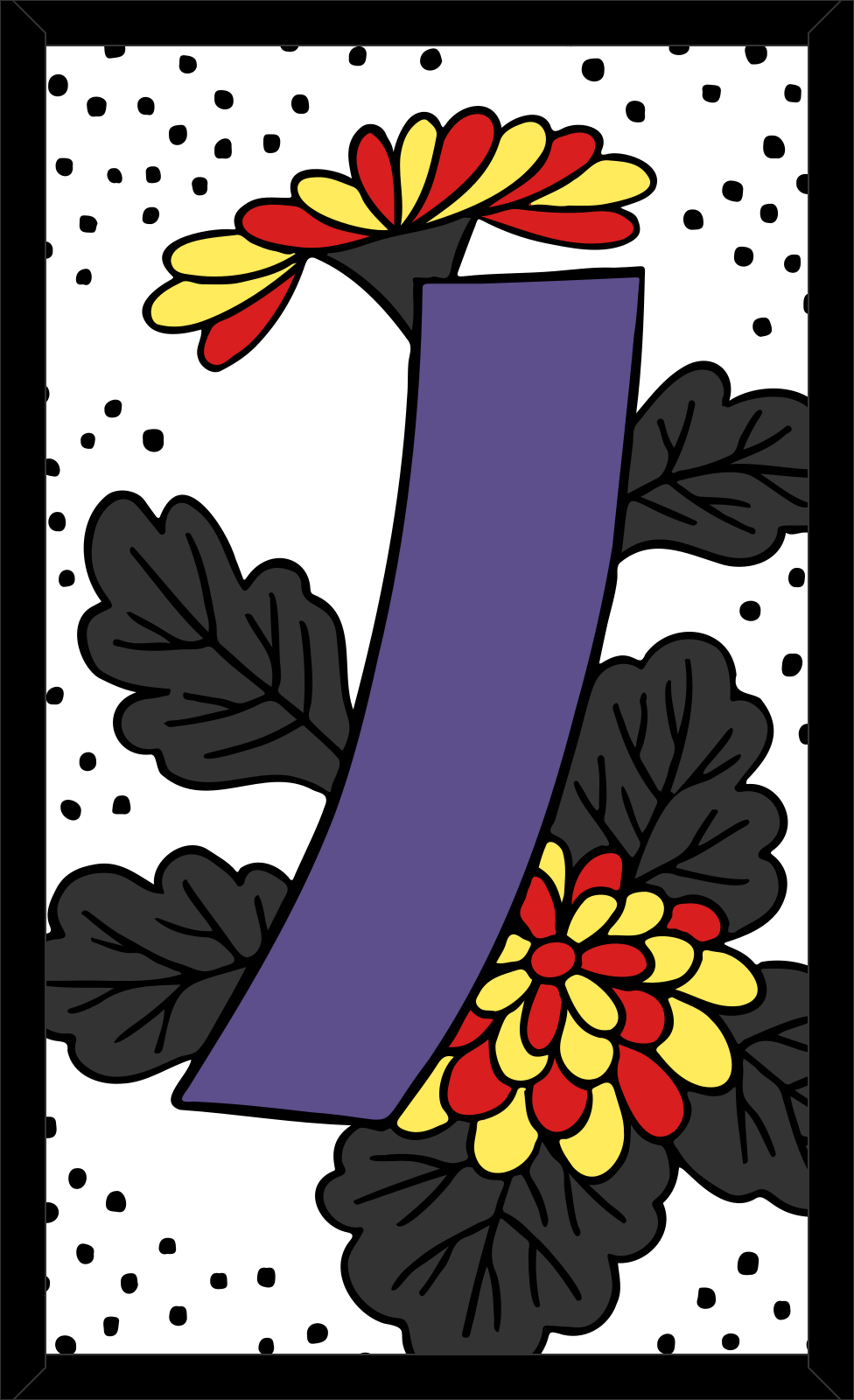
Blue tanzaku 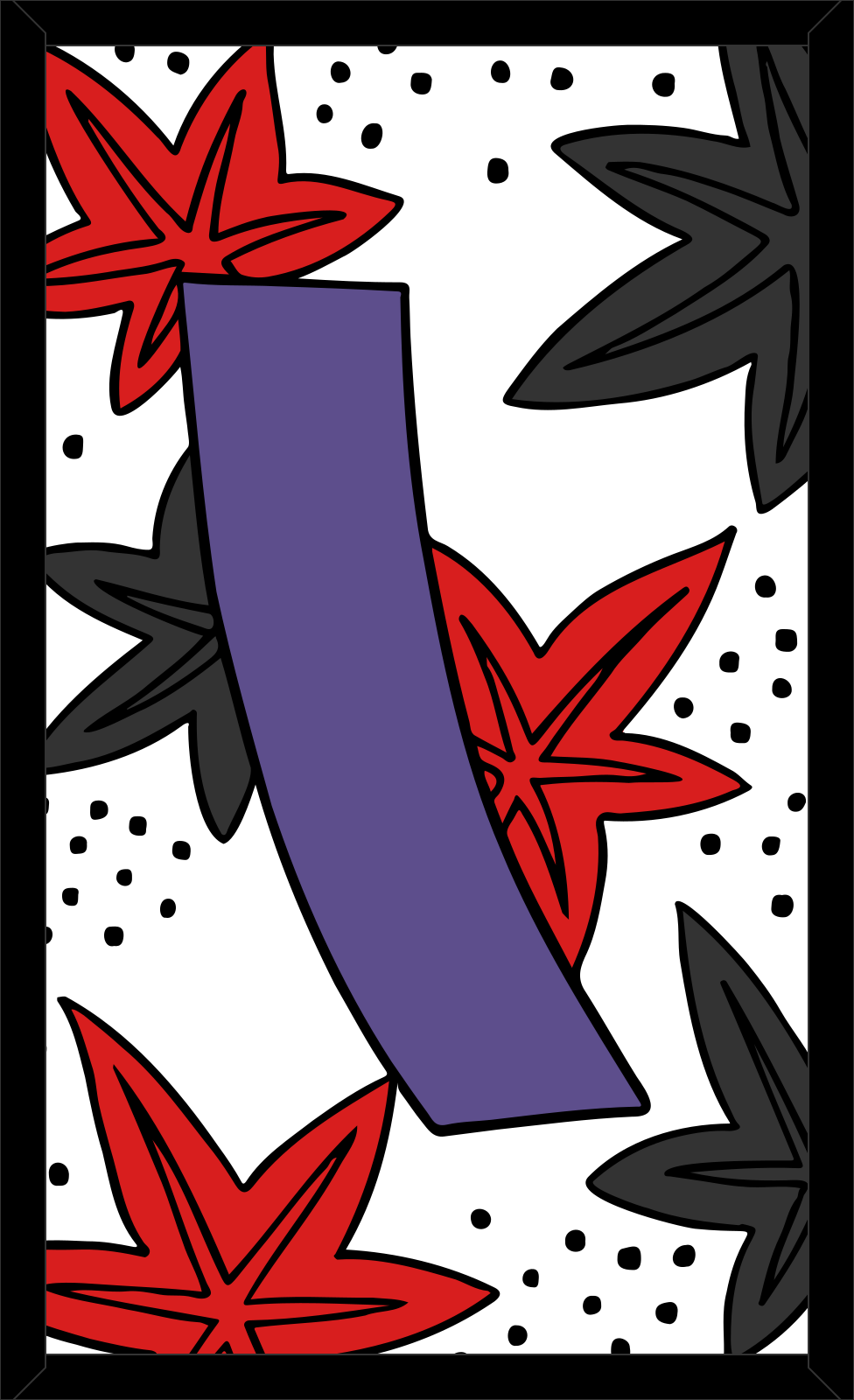
Blue tanzaku 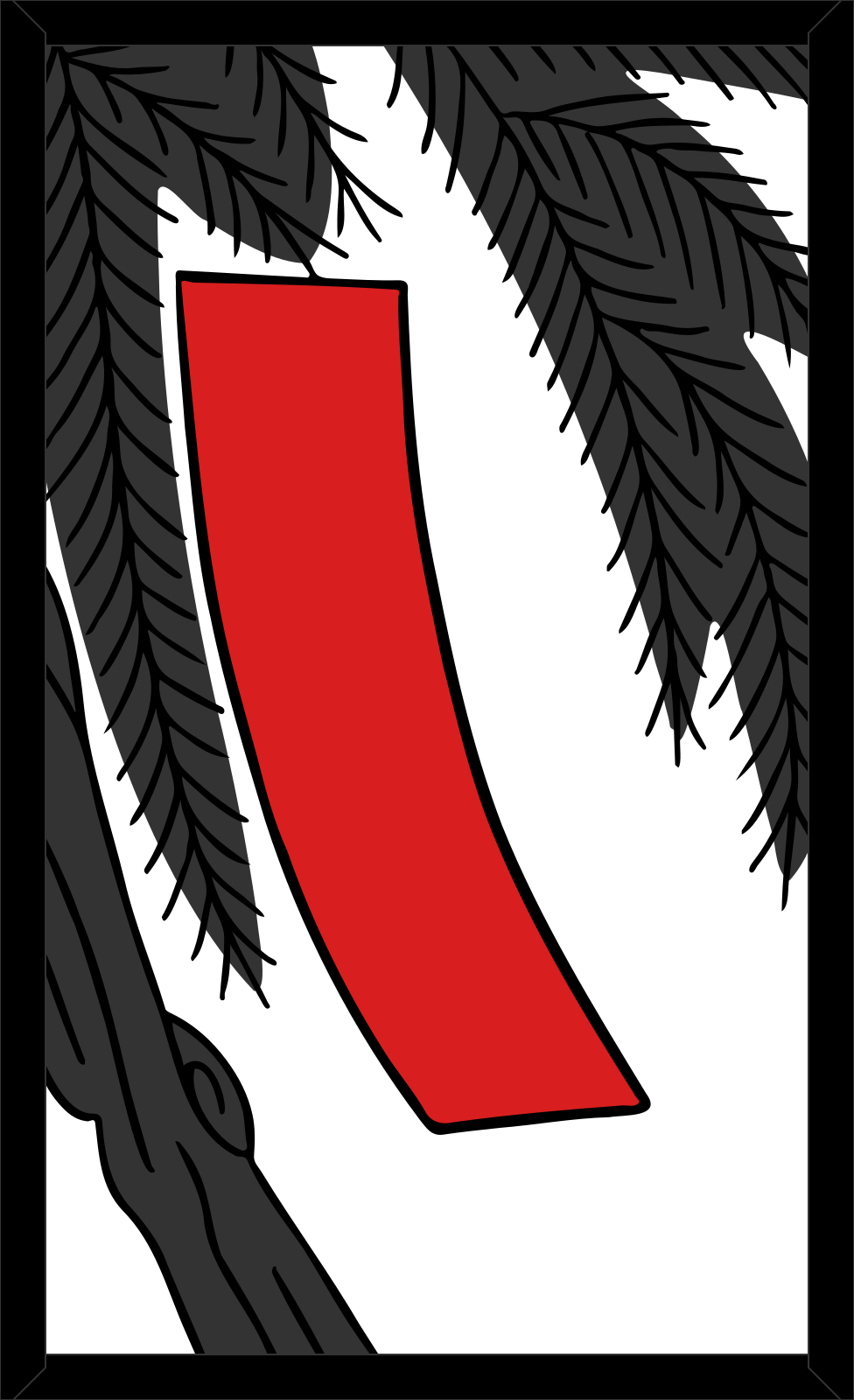
Red tanzaku
Any five of the ten tanzaku make Tan: the three poem tanzaku, the three blue ones and the four plain red ones all count. With Akatan, Aotan or Chōfuku this game scores Tan beside them, while Nintendo’s table drops it[1]. Both players can make Tan in the same round.
Kasu: the 24 plains
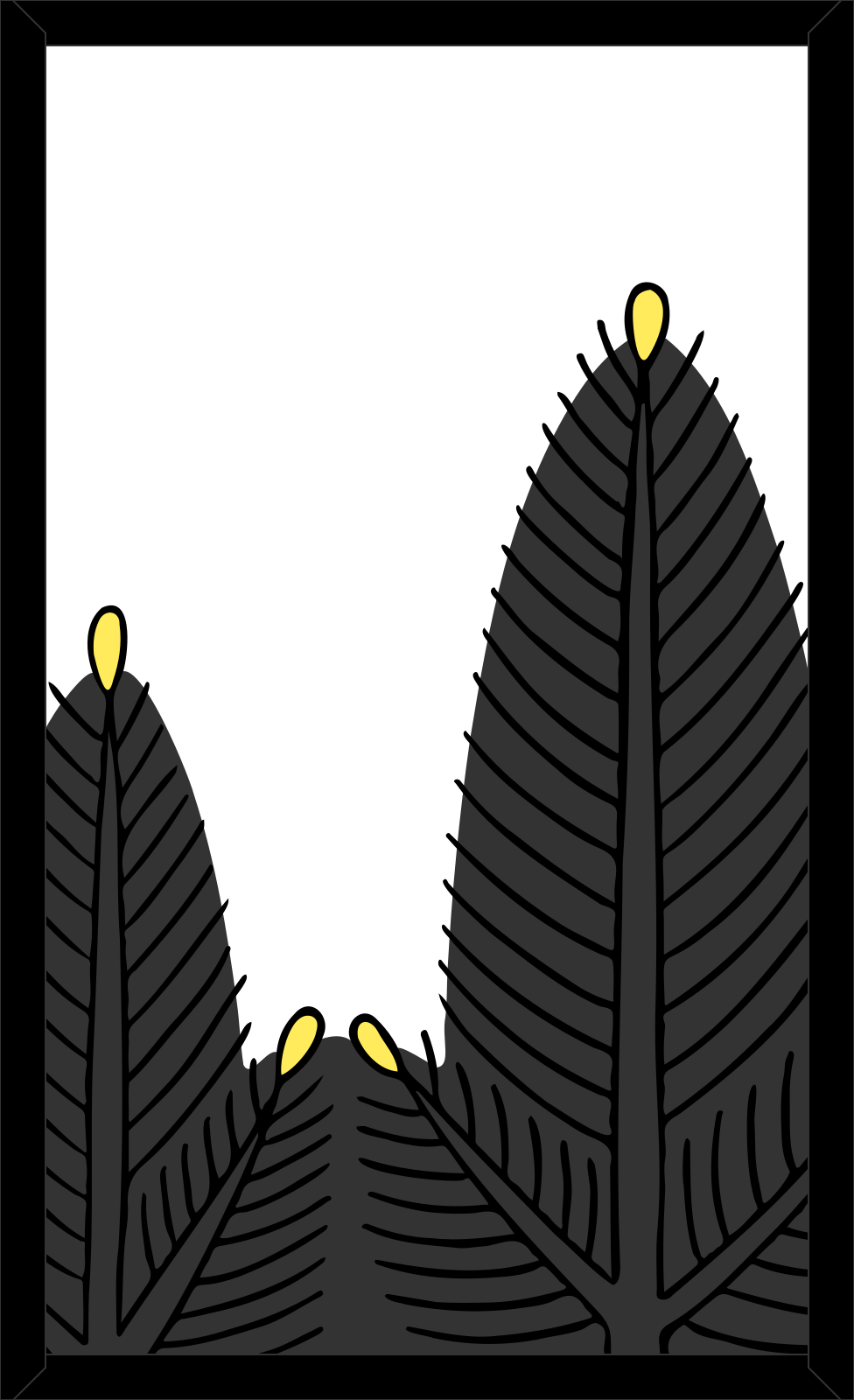
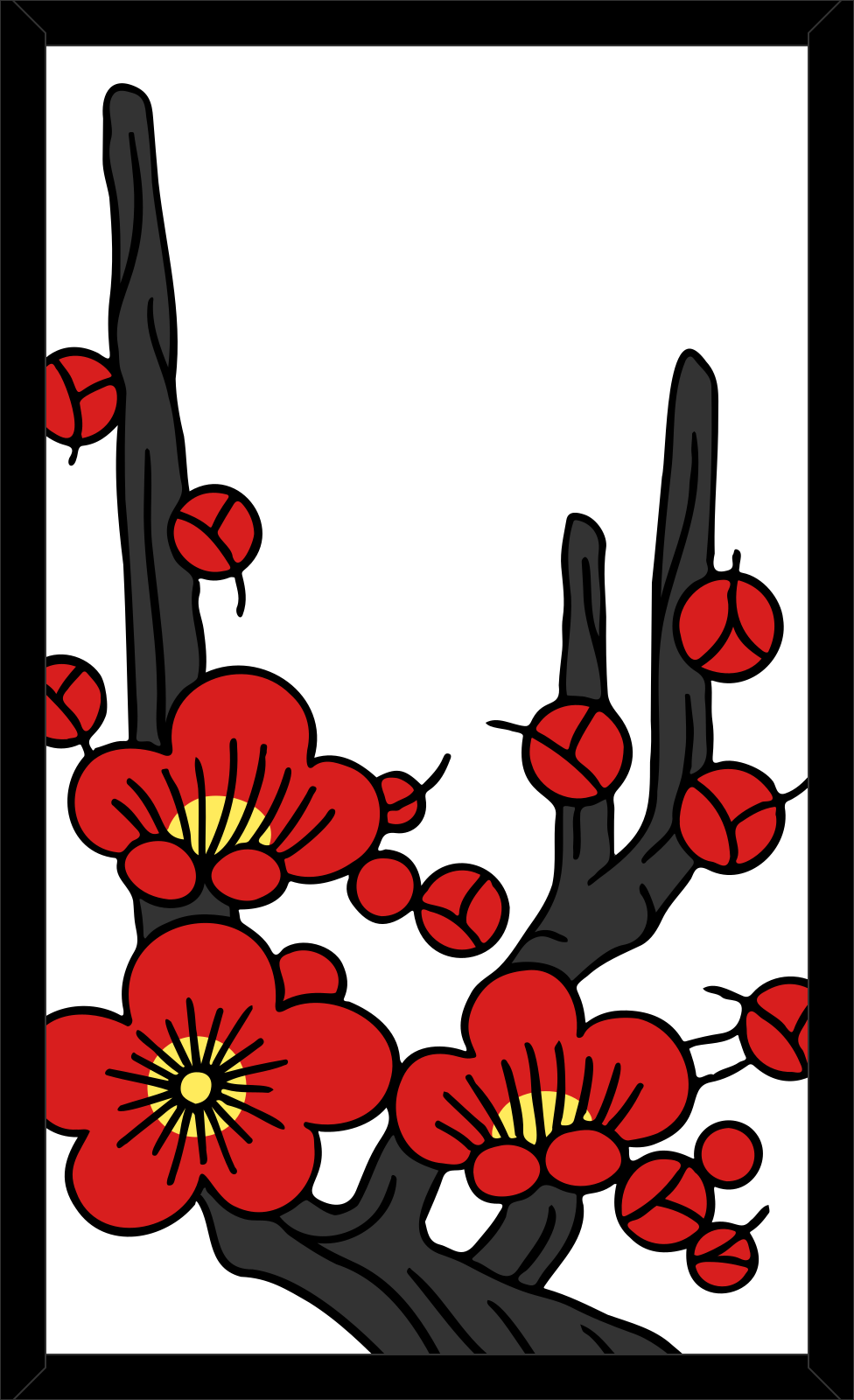
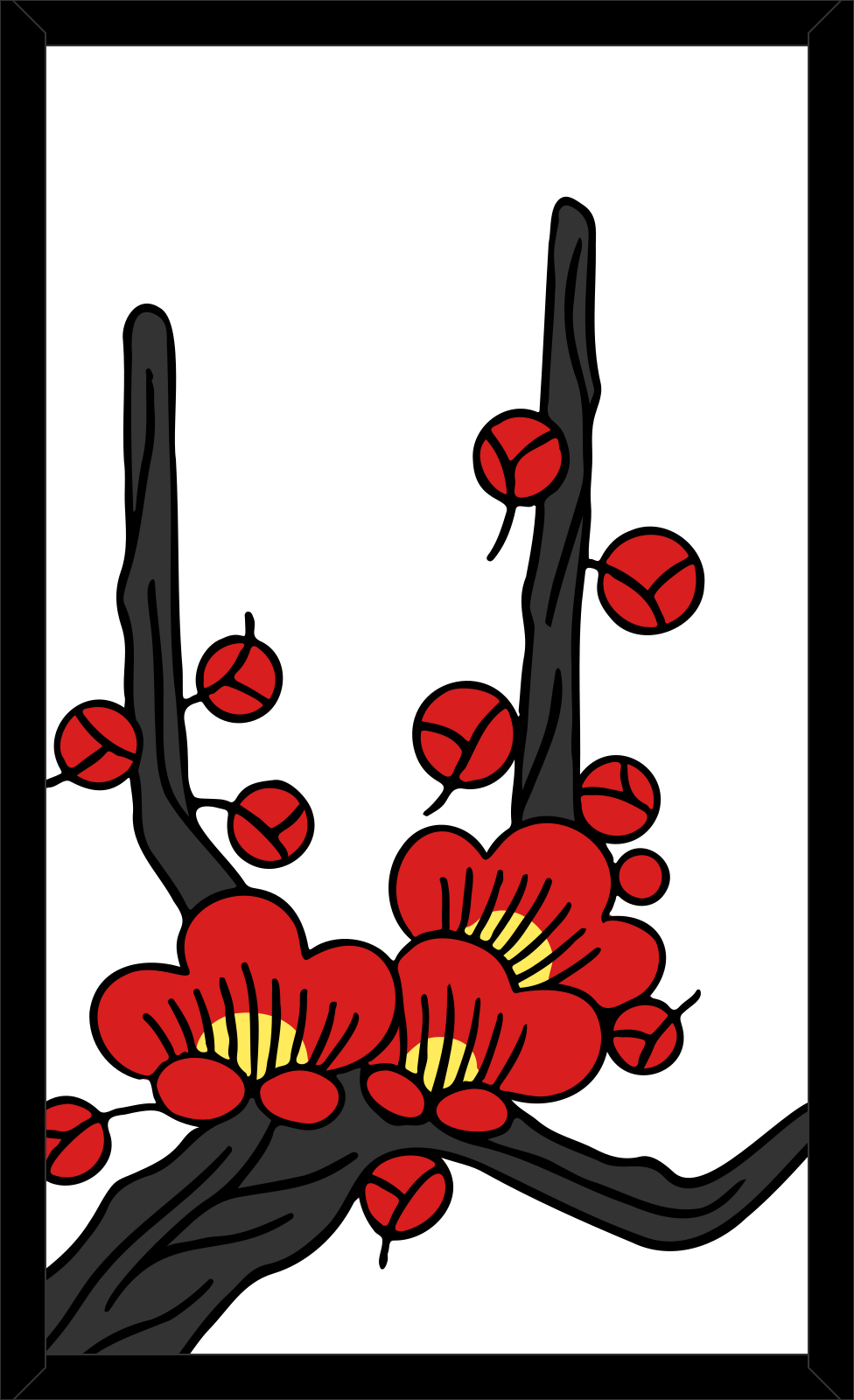
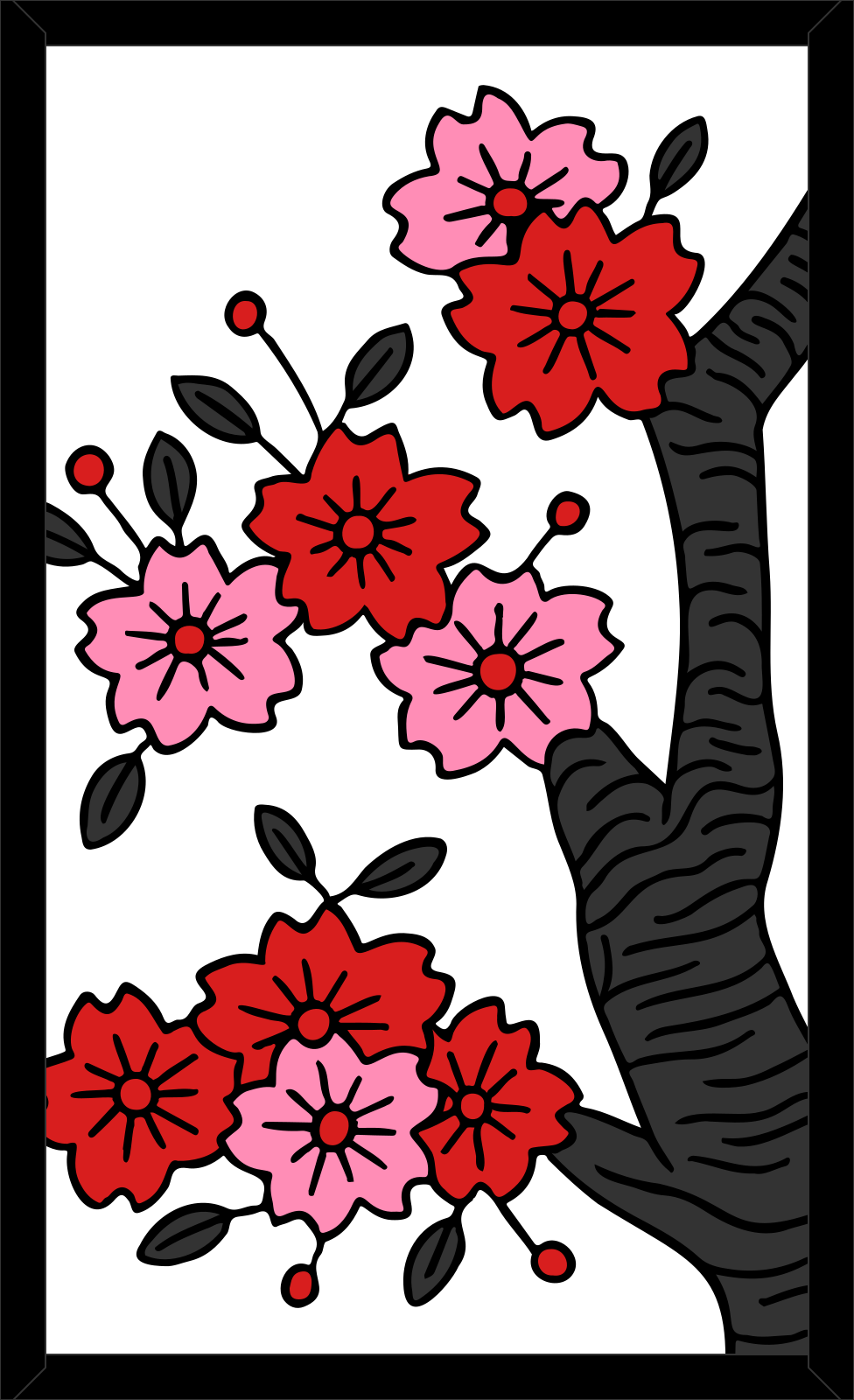
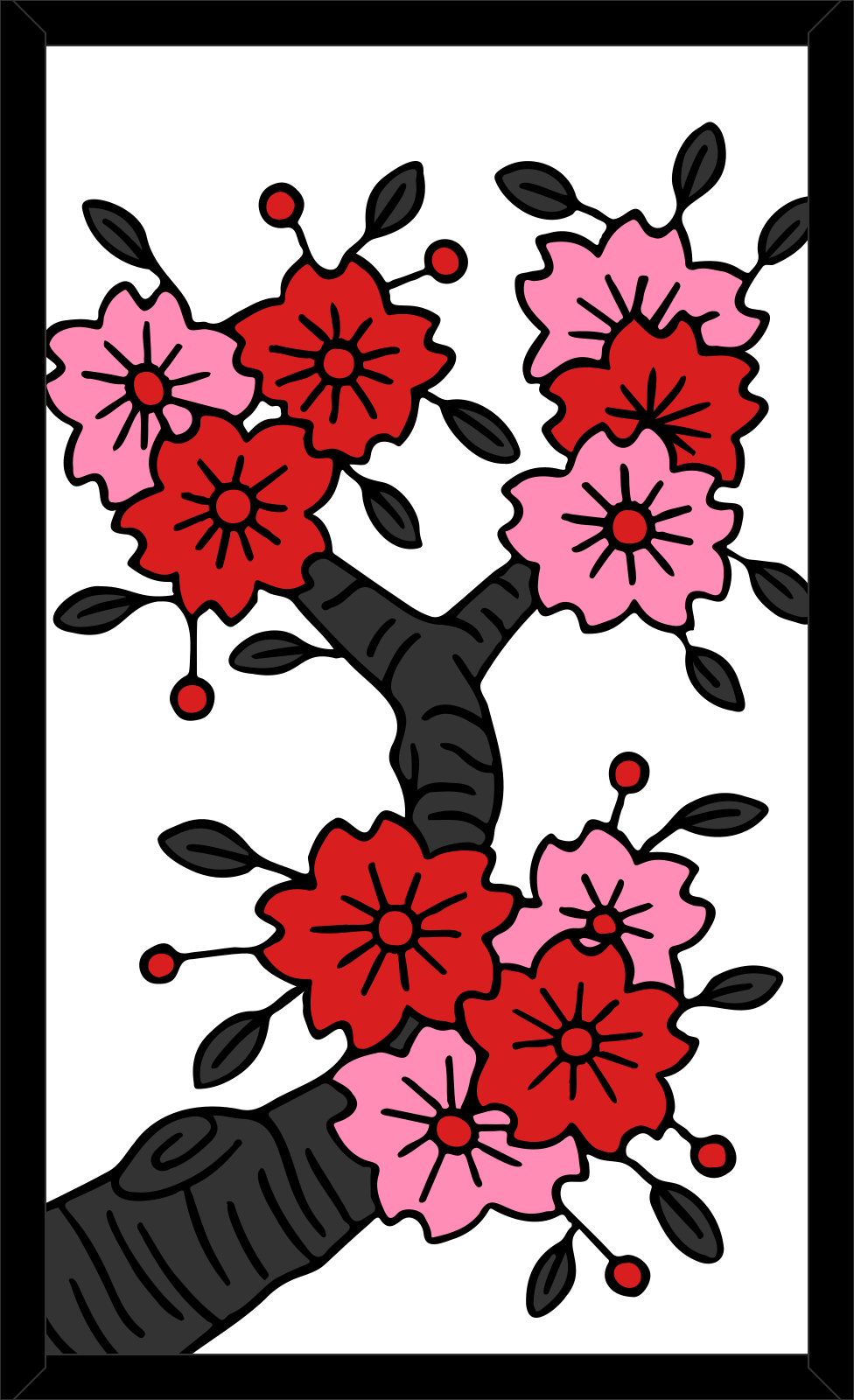
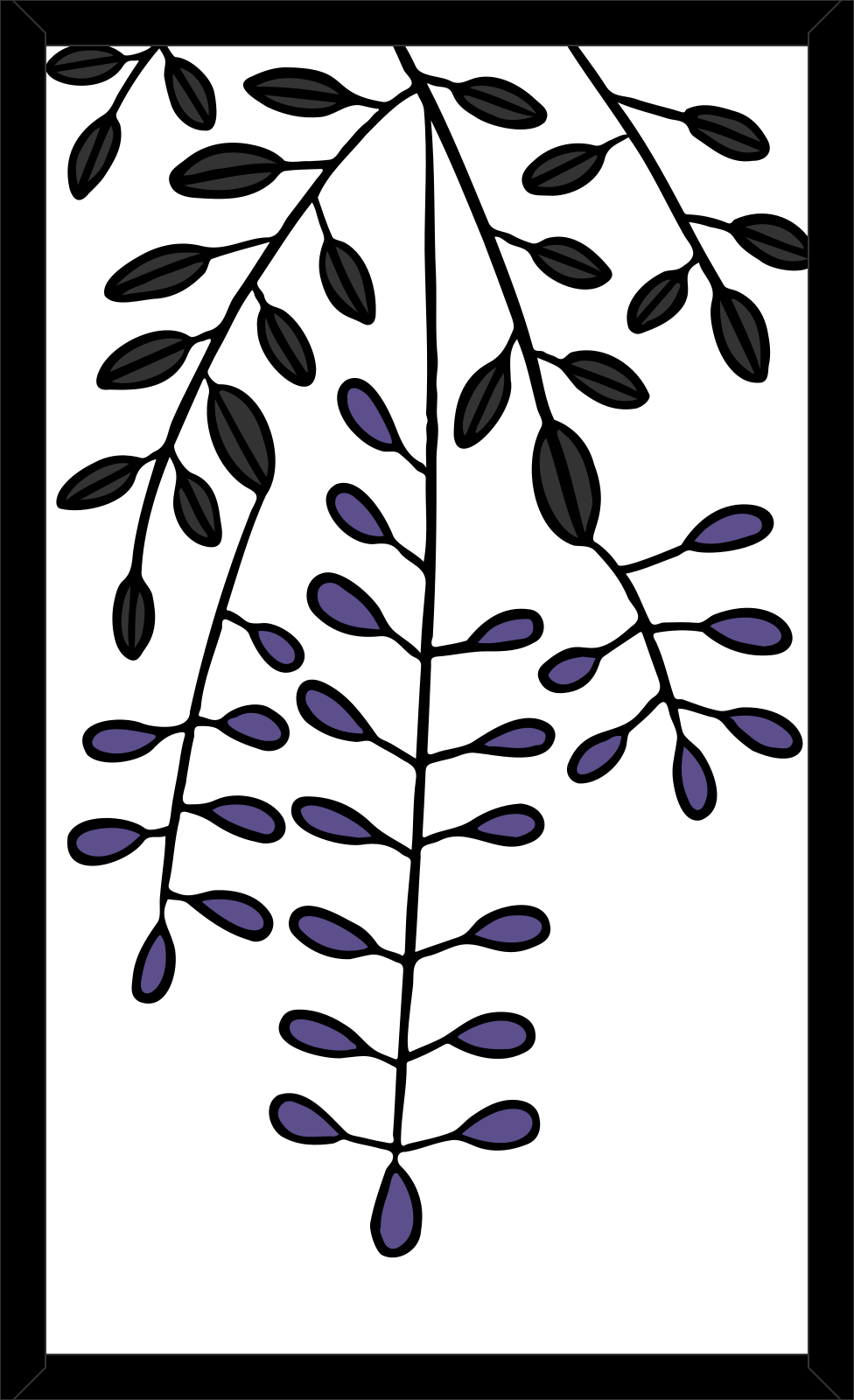
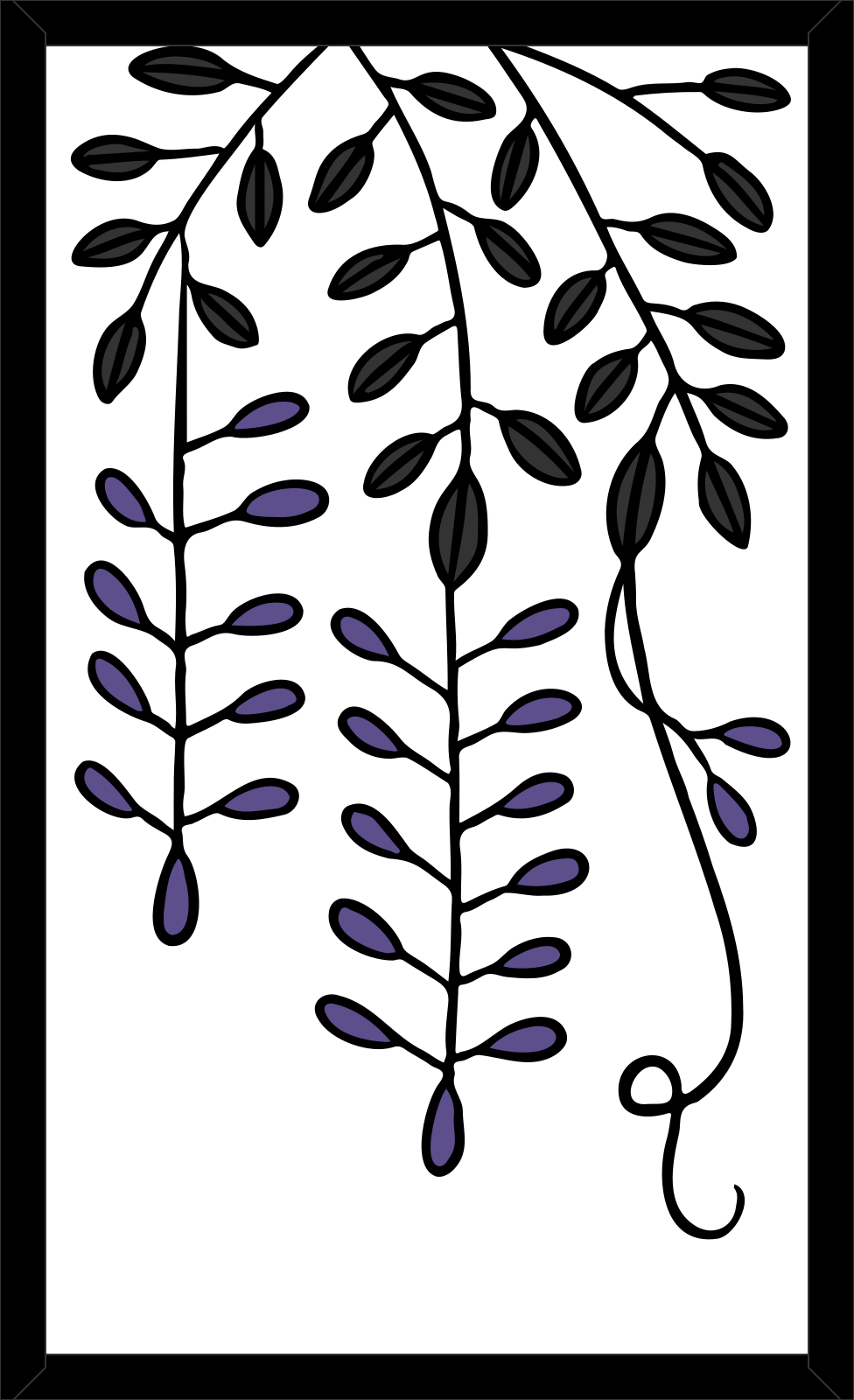
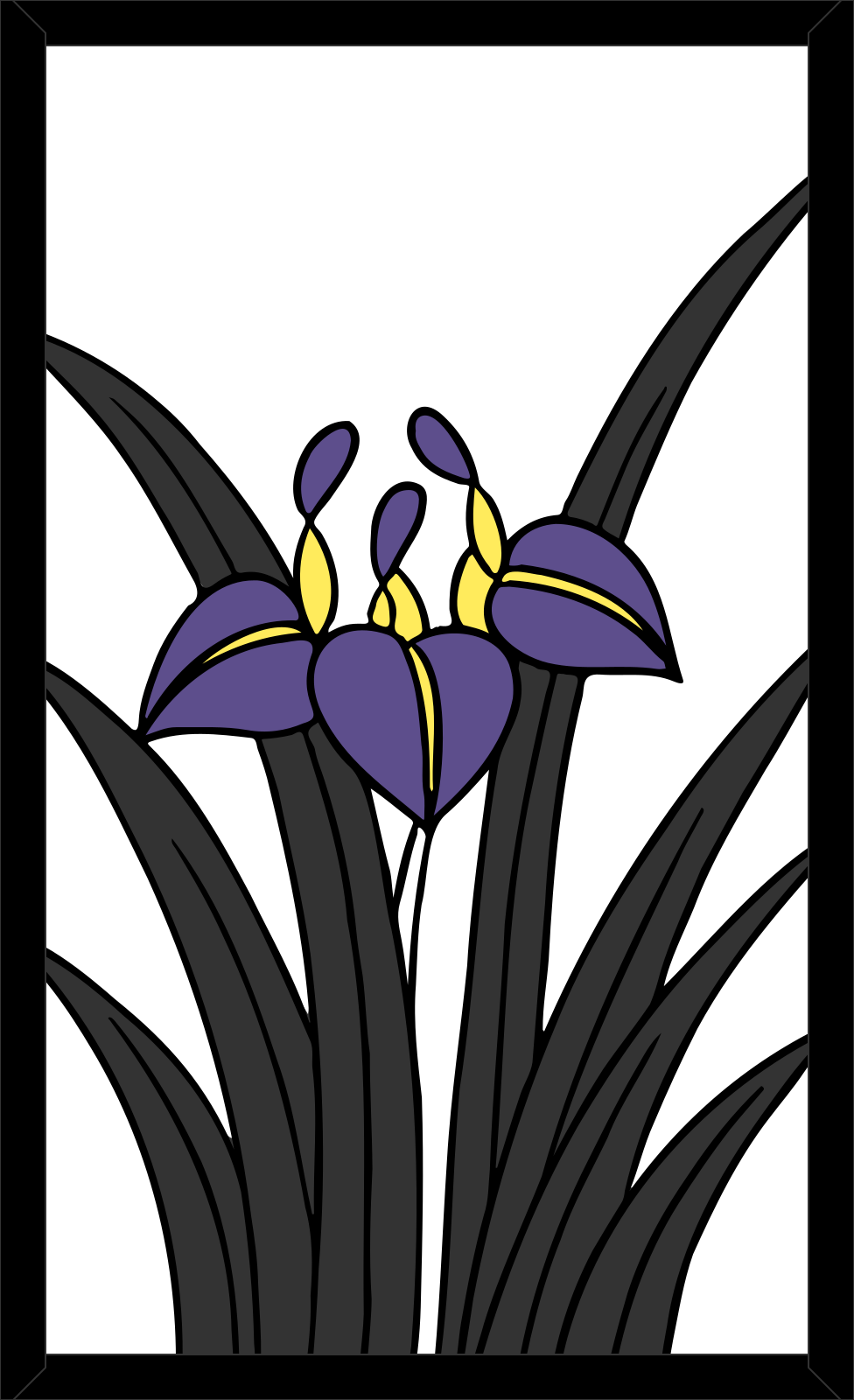
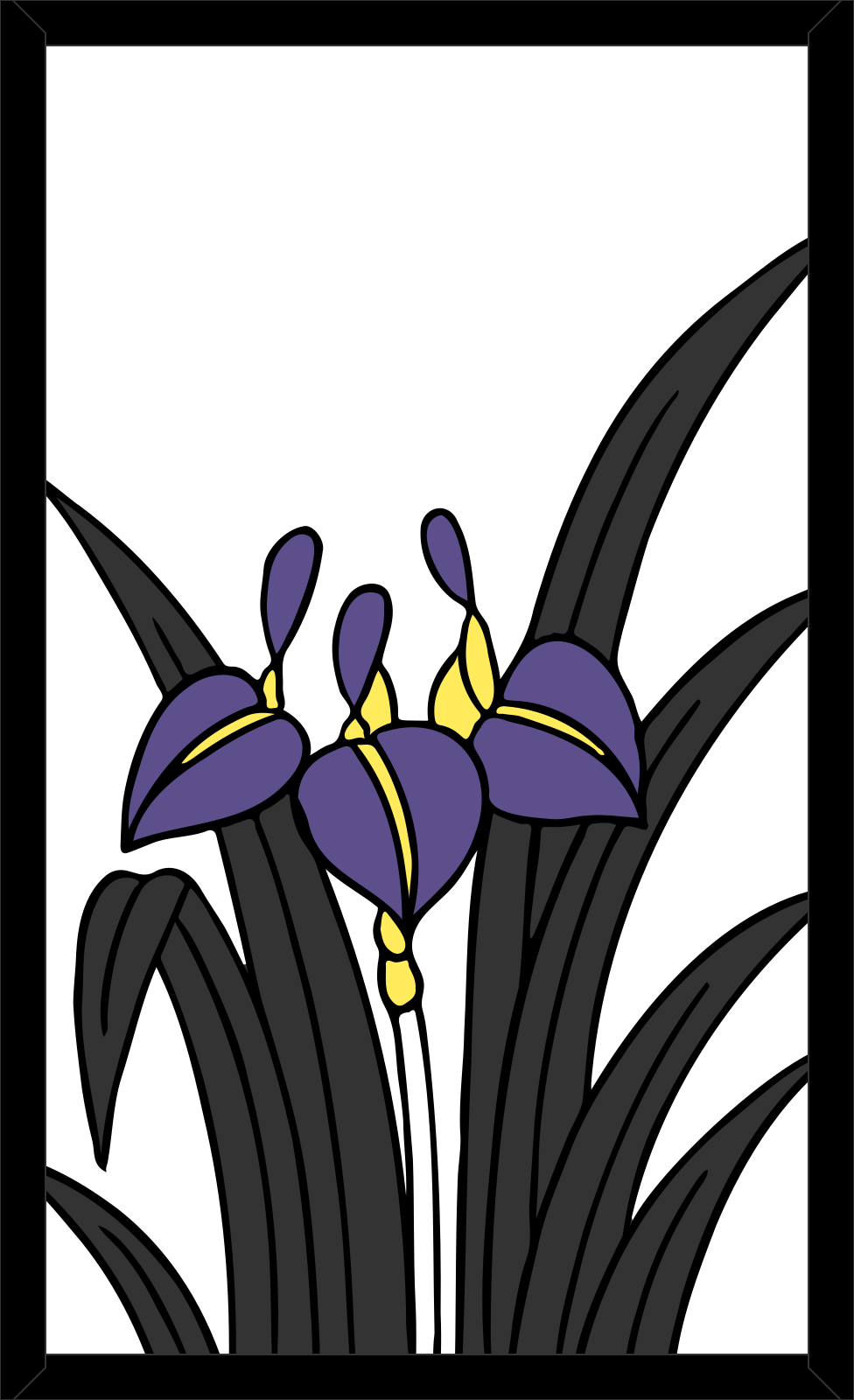
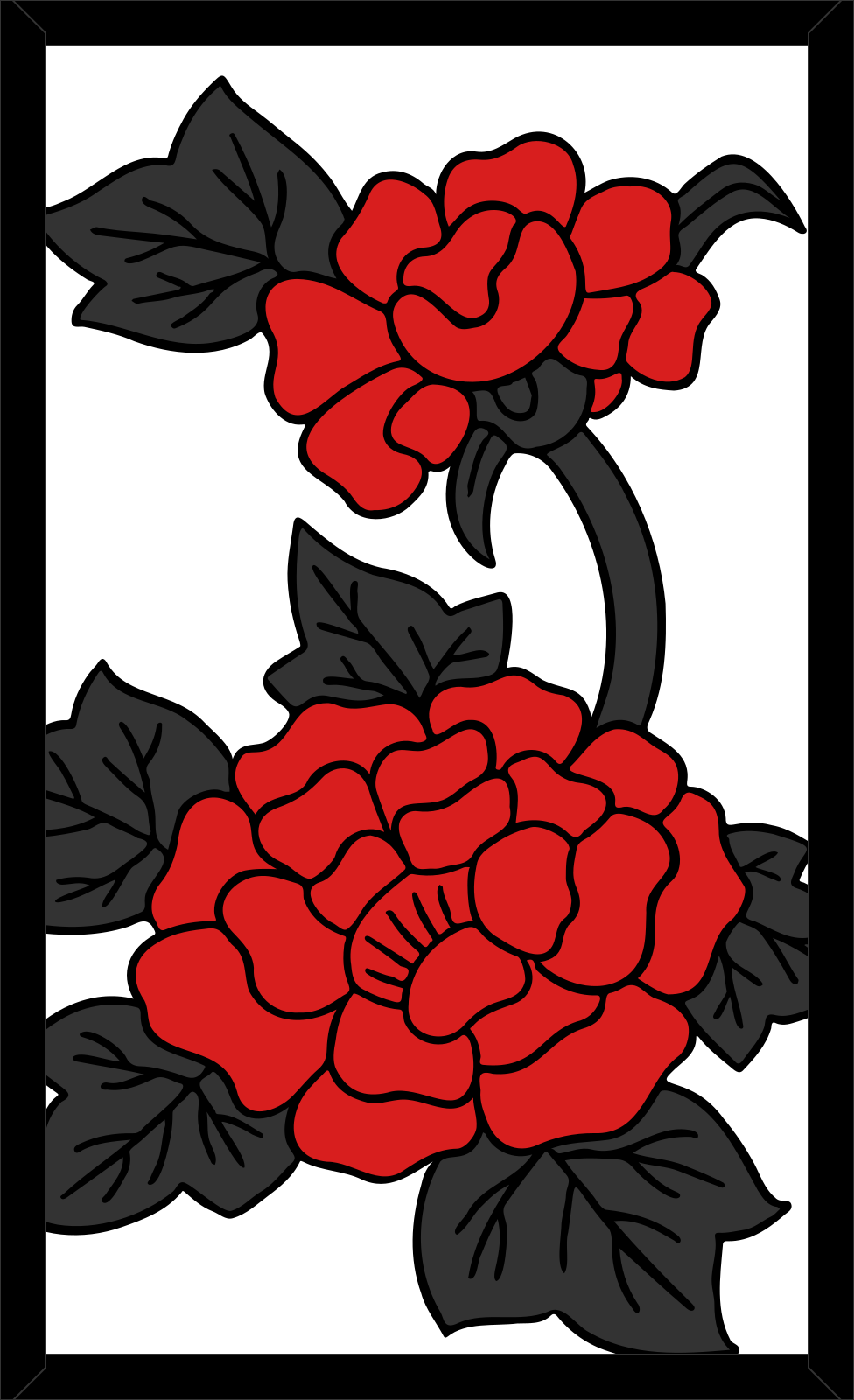
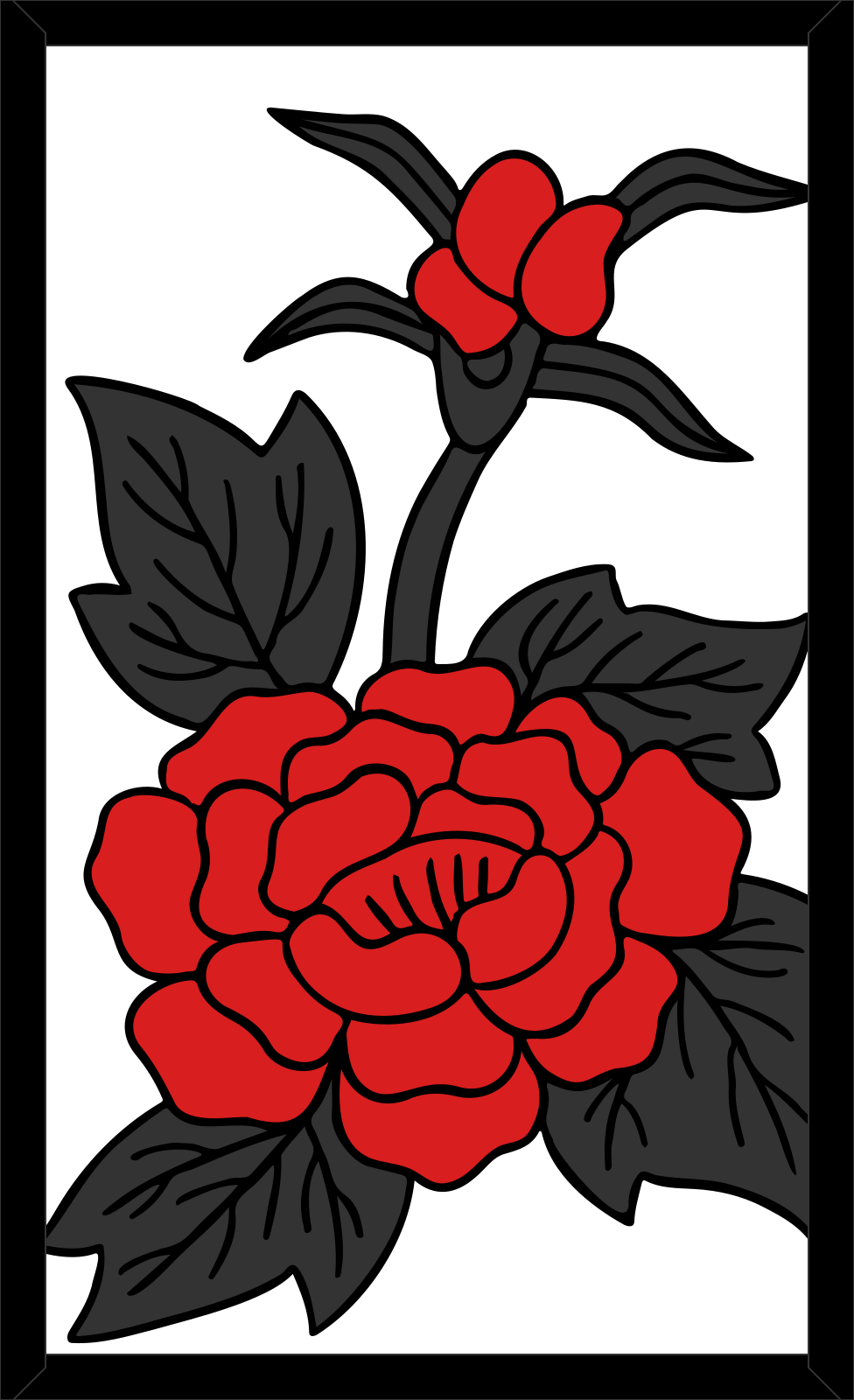
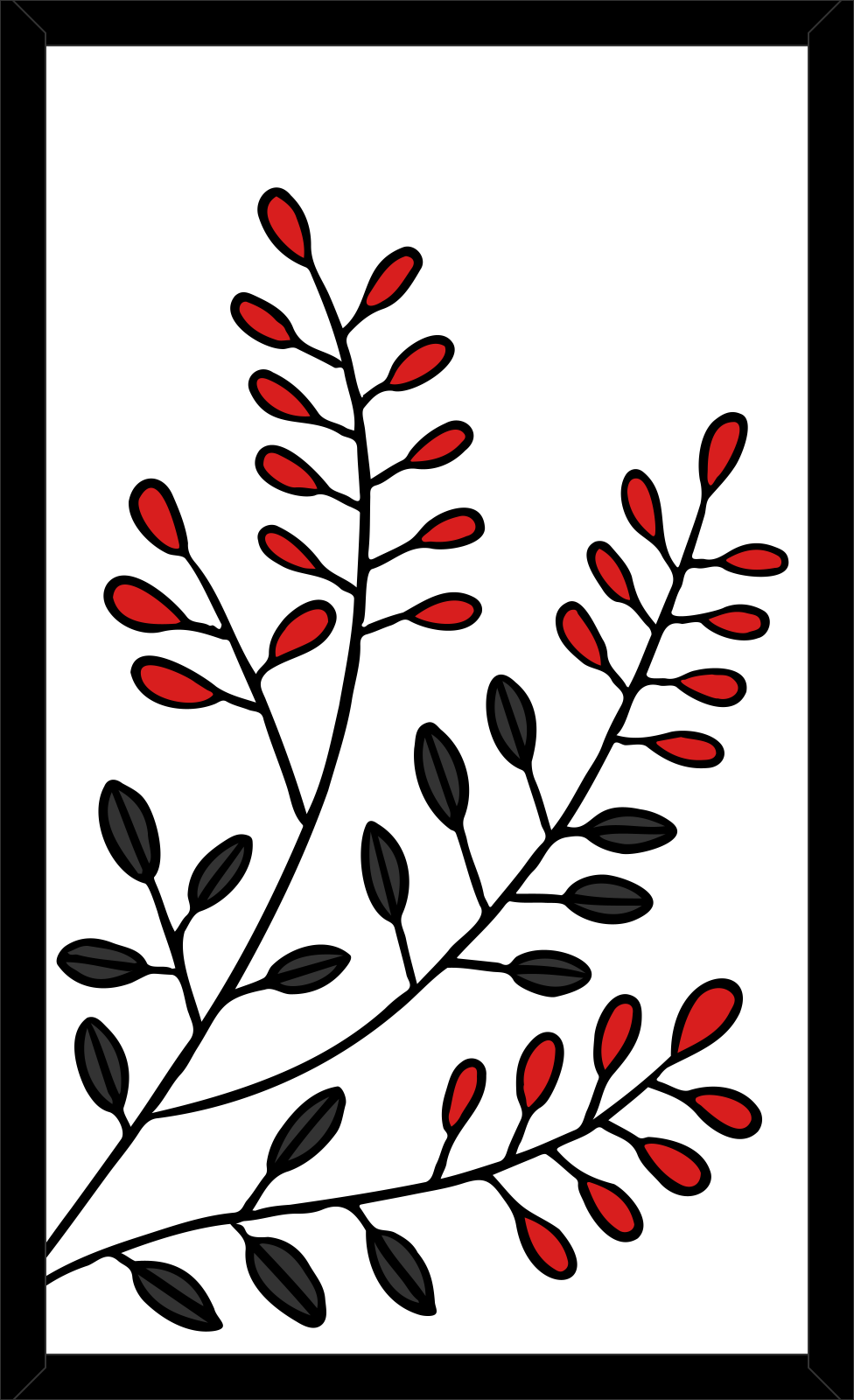
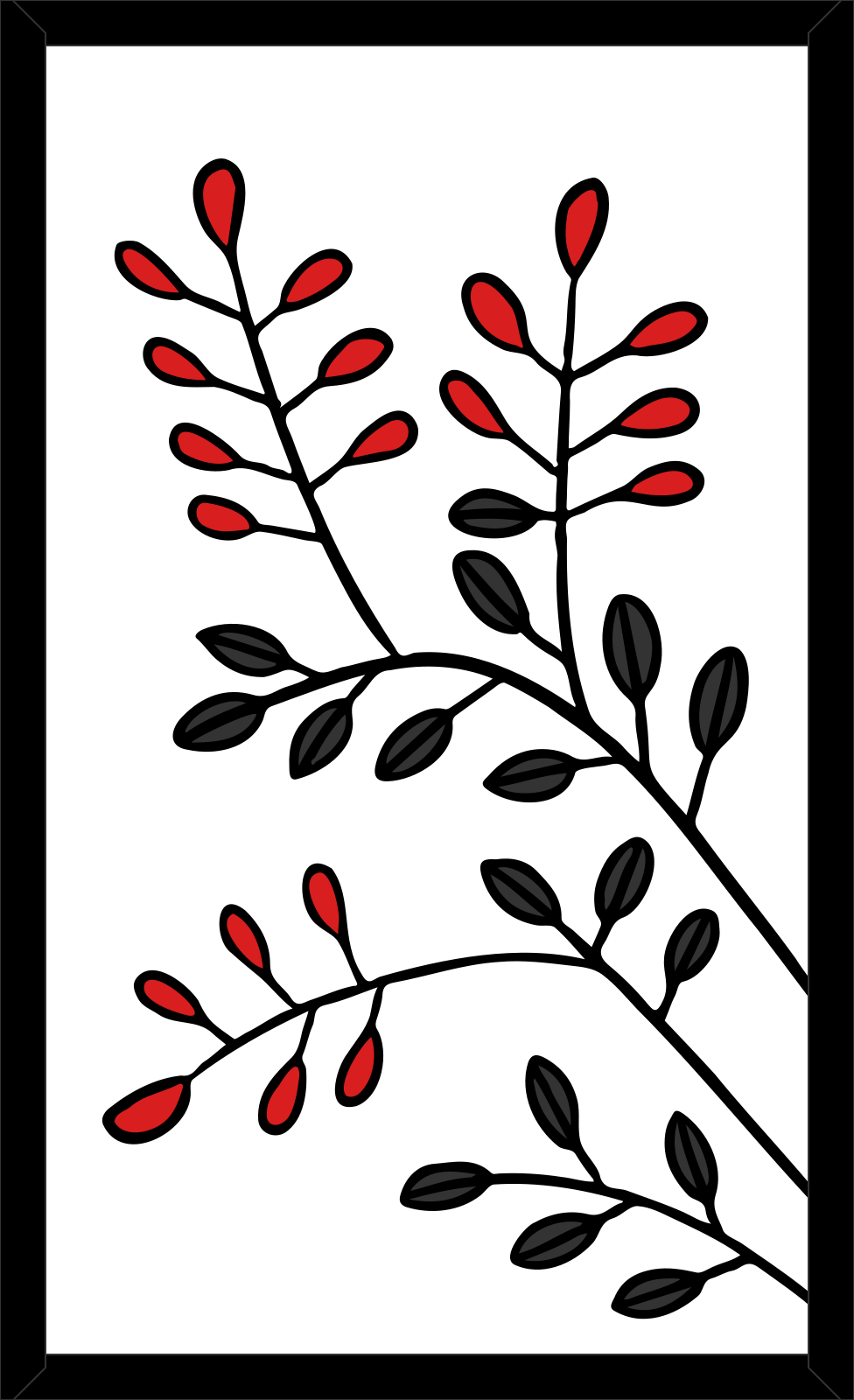
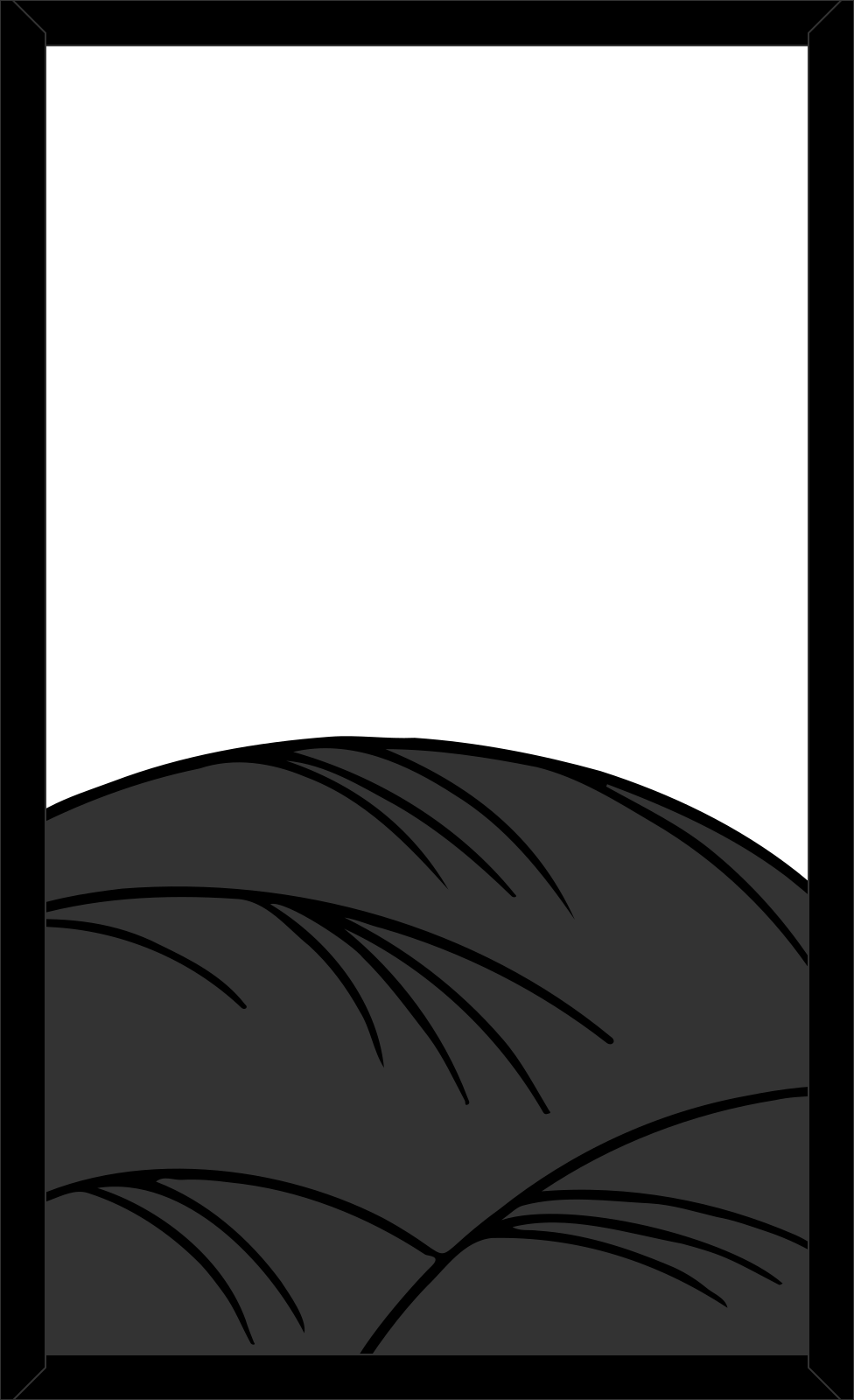
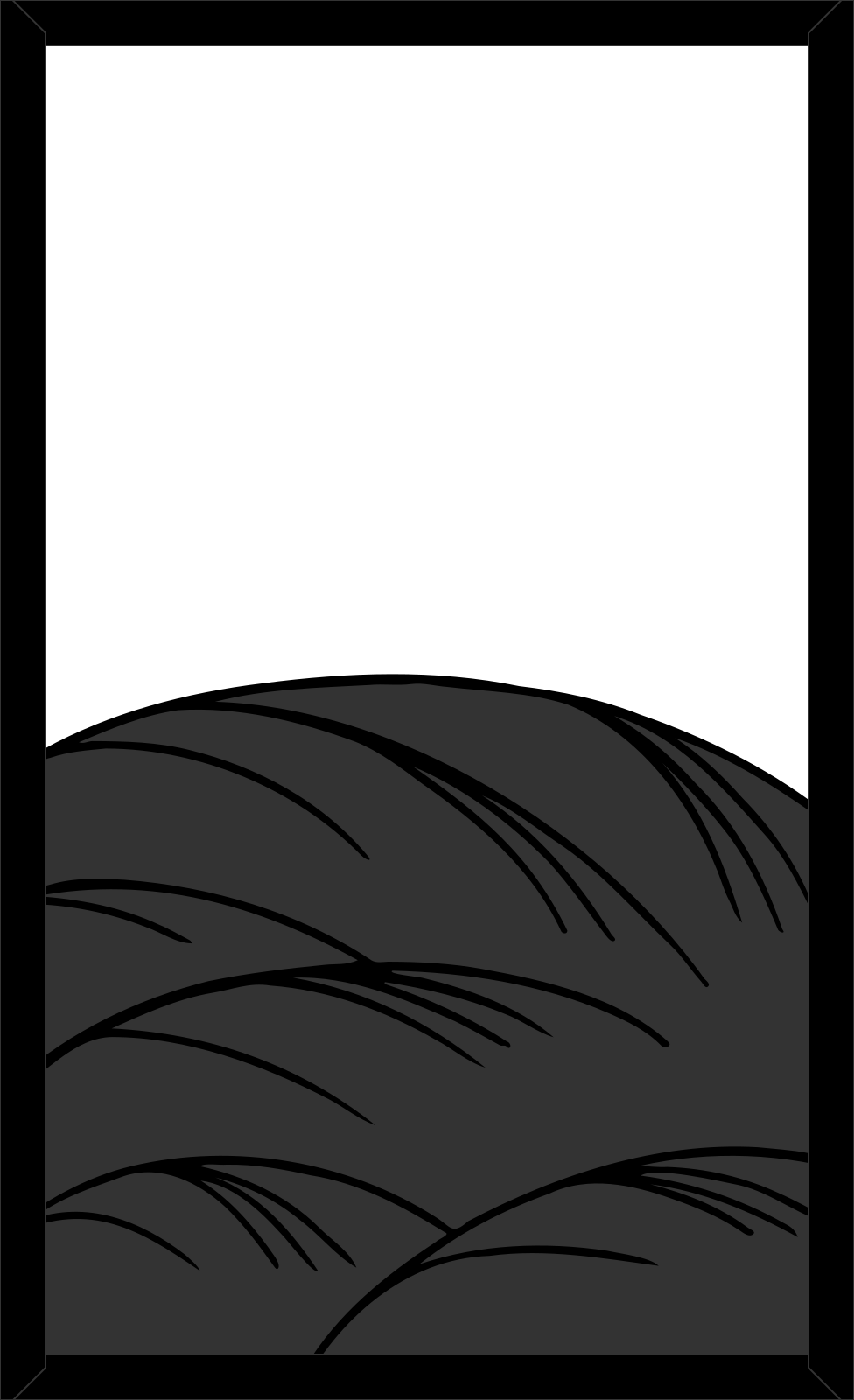
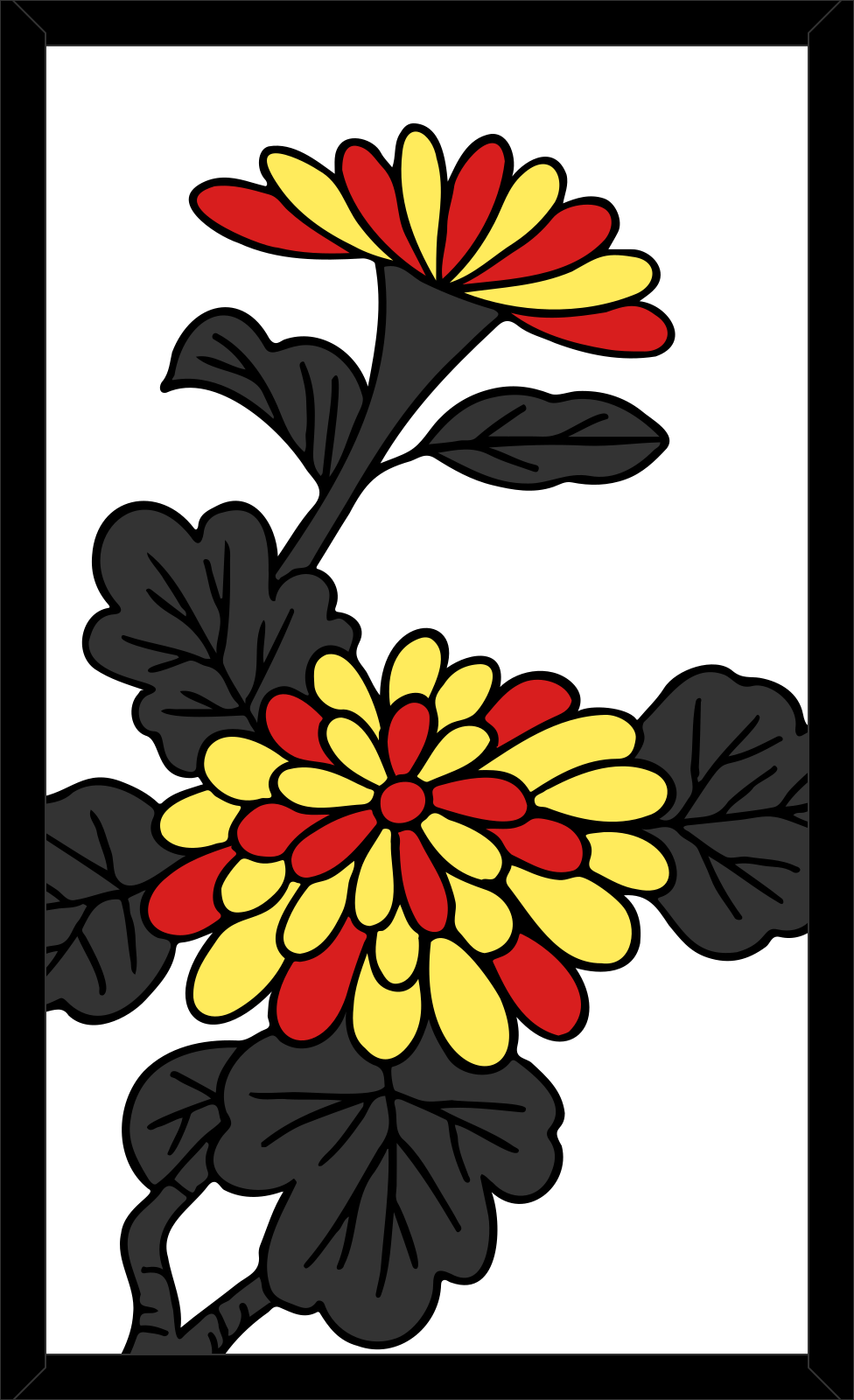
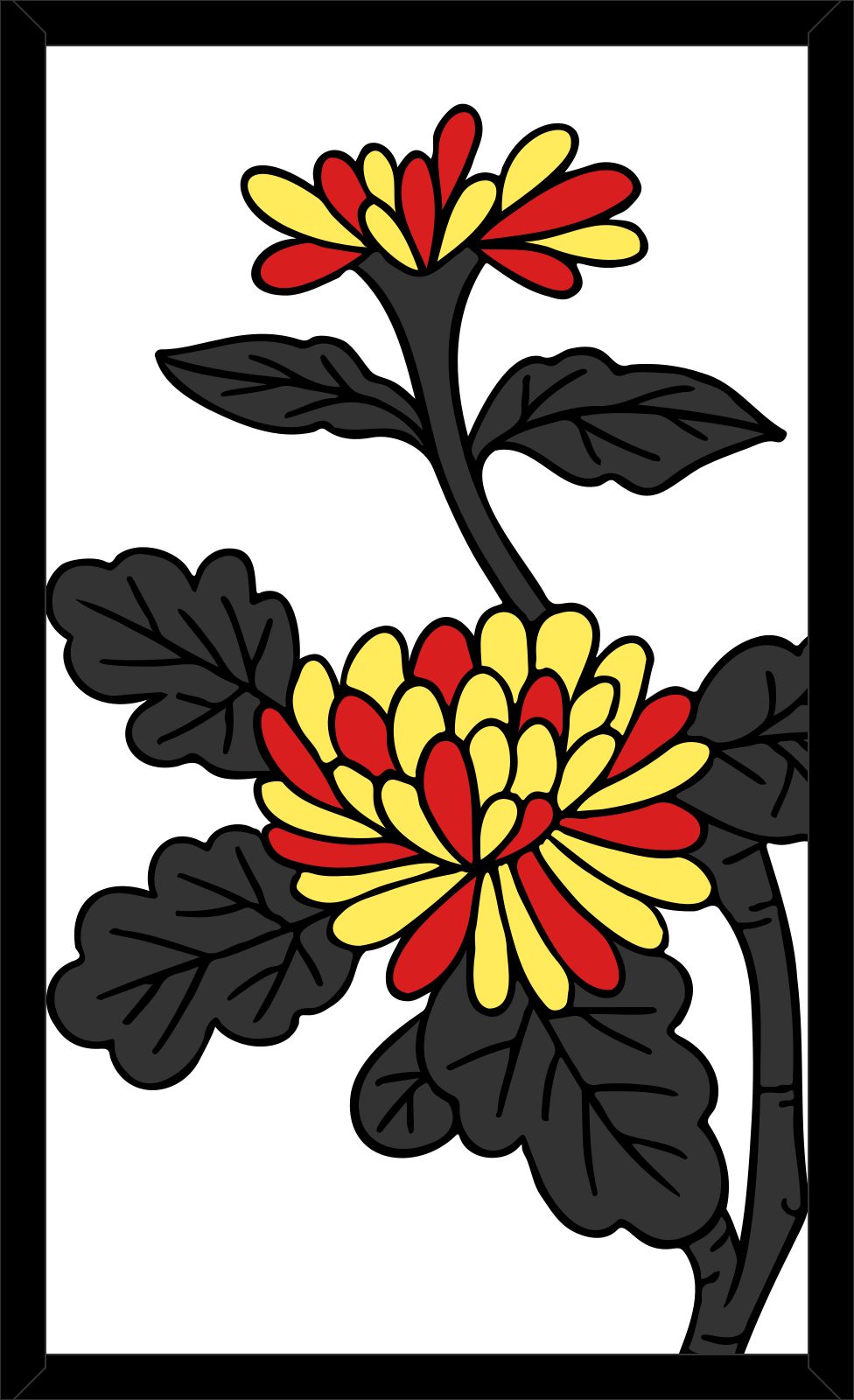
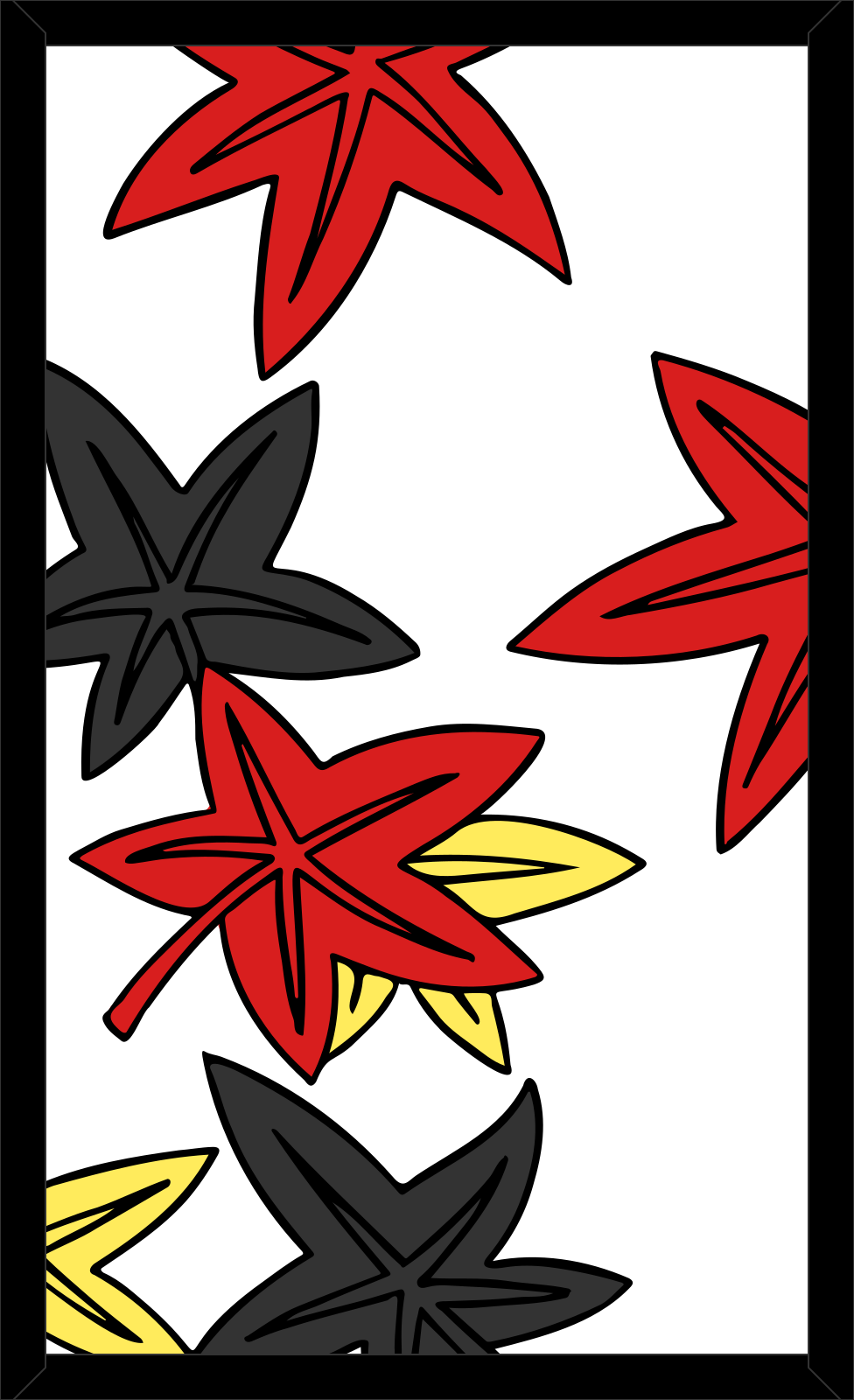
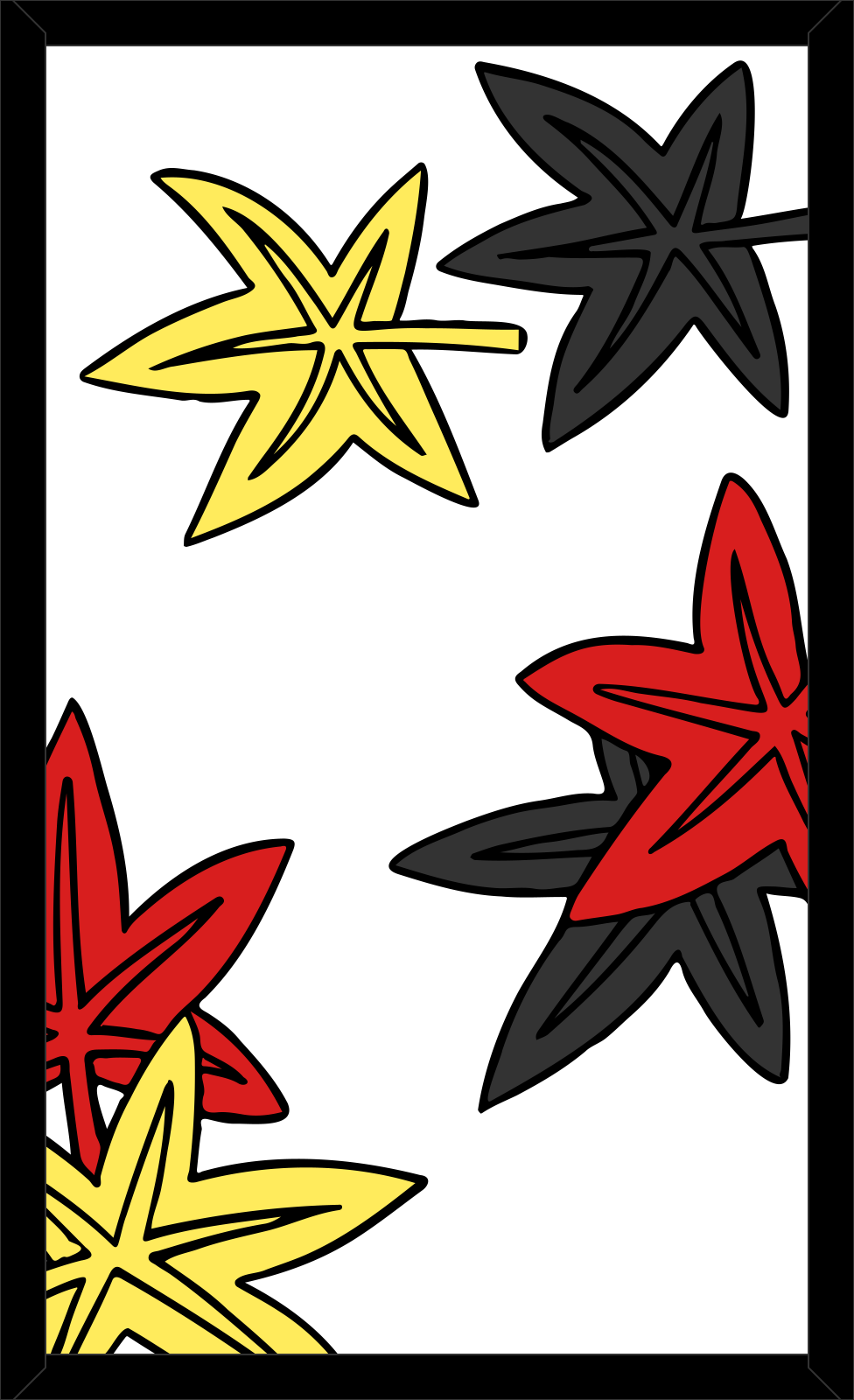
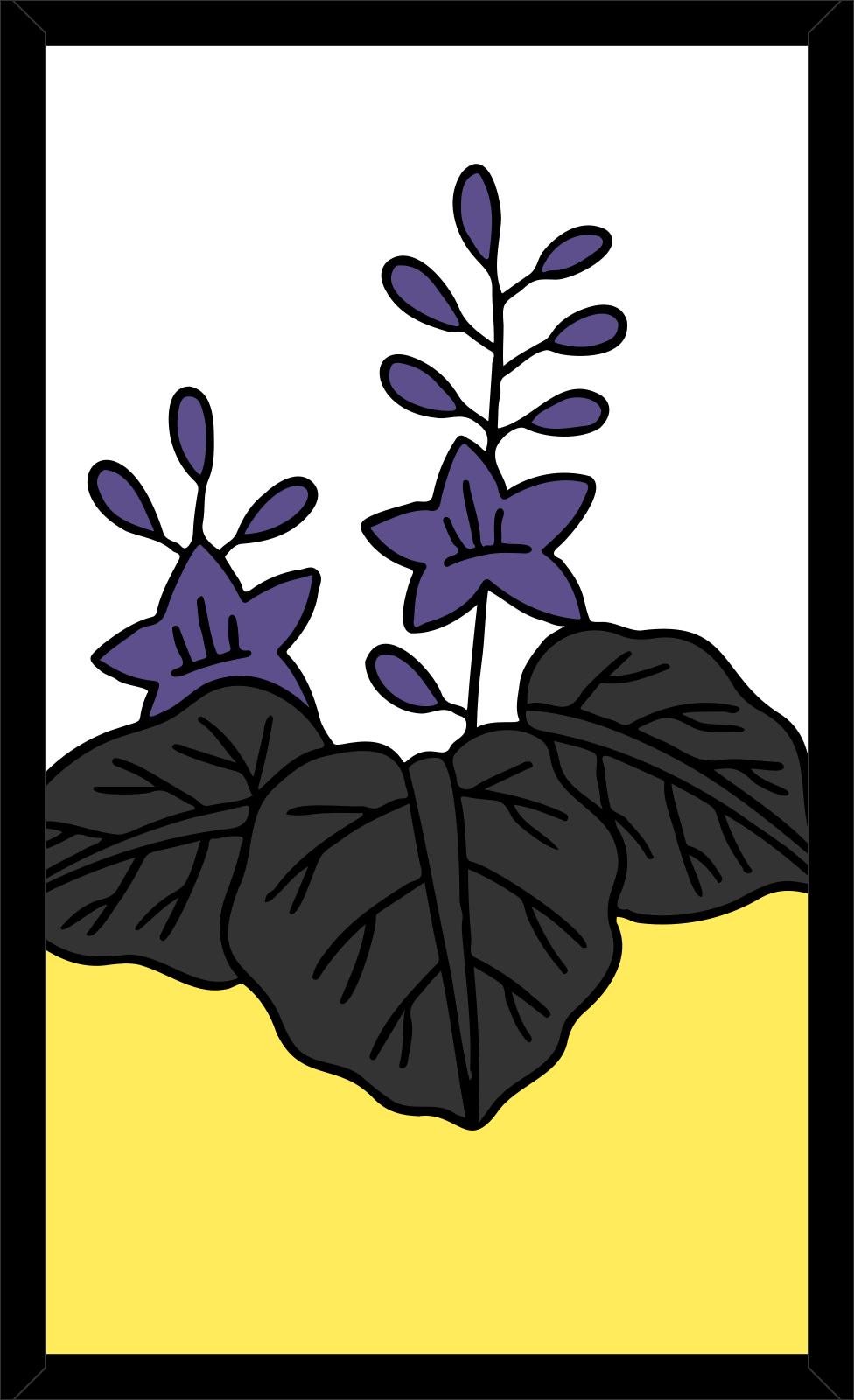
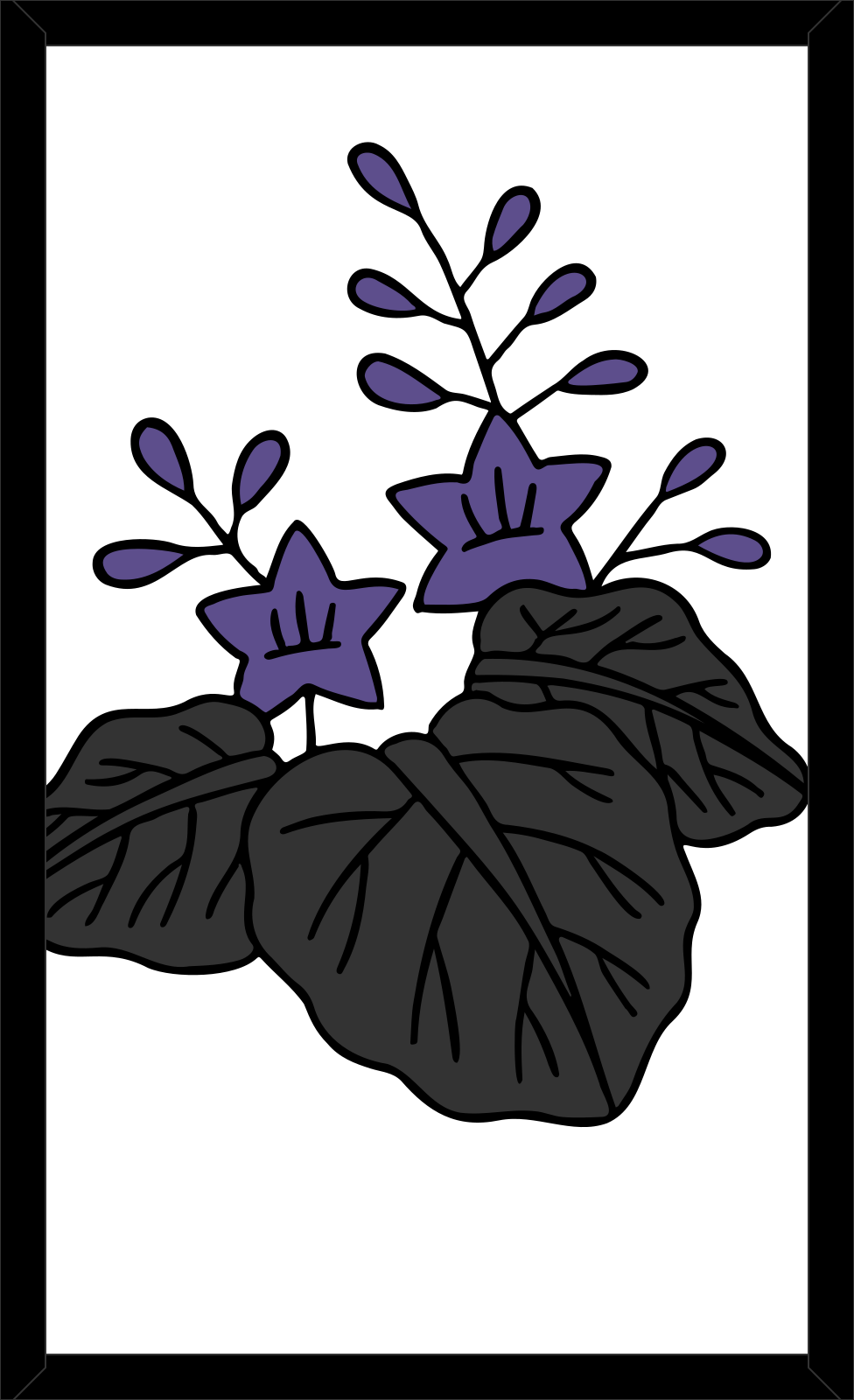
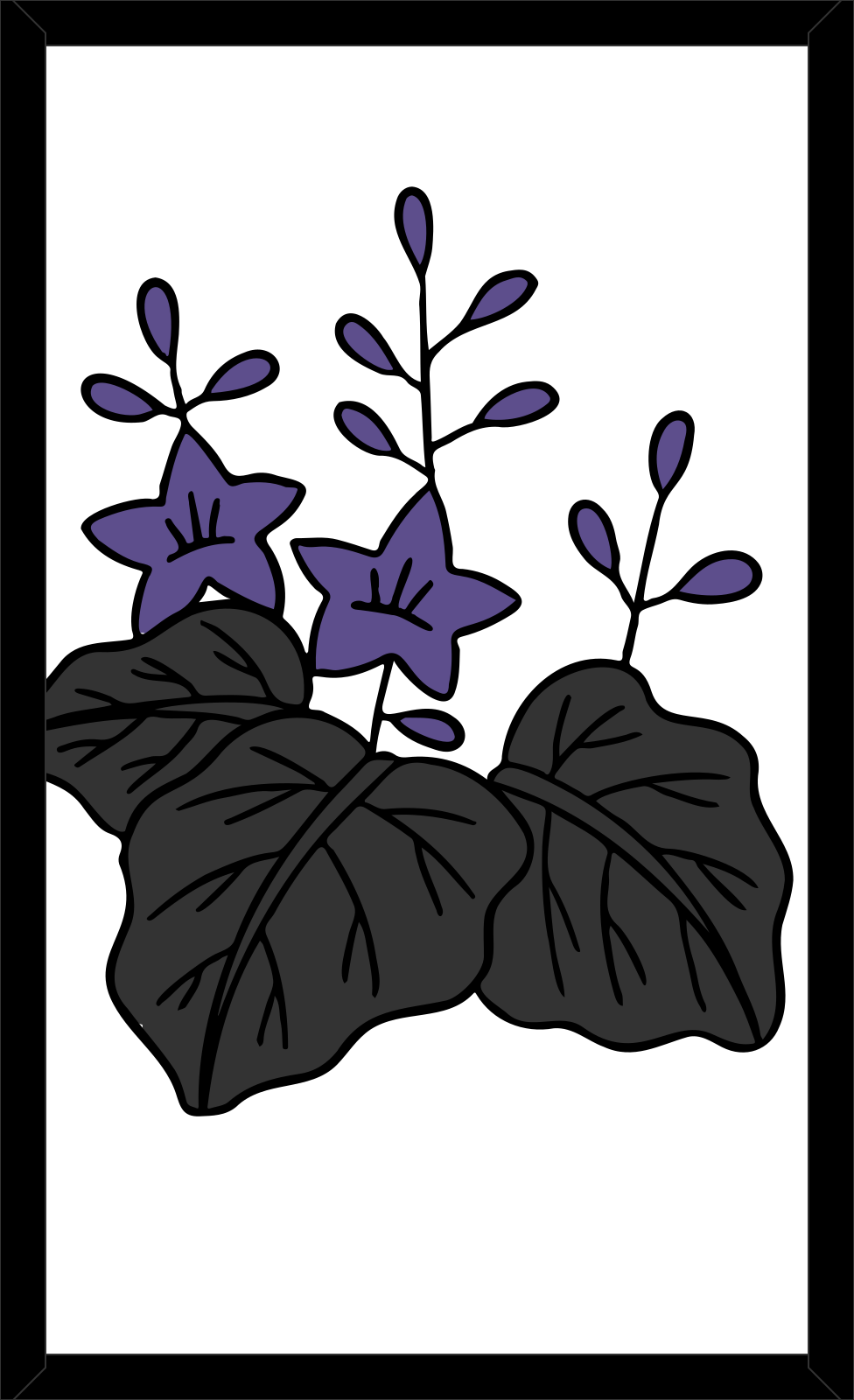
Ten kasu, the plain cards, make Kasu. There are 24: two in each month from January to October, one in November and three in December. November’s plain is the red and black Lightning, and one December plain has a yellow band; both count like any other plain. The Sake cup is not a plain in this game, so Kasu takes ten of these 24.
Points here and under Nintendo’s rules
The three yaku add up with each other and with every other yaku. What differs under Nintendo’s rules is the Sake cup: Nintendo counts it as a plain as well as a tane[1].
| Captured cards | This game | Nintendo’s rules |
|---|---|---|
| Nightingale, Cuckoo, Bridge, Geese, Swallow | Tane 11 pt | Tane 11 pt |
| Those five and the Sake cup | Tane 22 pts | Tane 22 pts |
| Ten plains | Kasu 11 pt | Kasu 11 pt |
| Nine plains and the Sake cup | no yaku0 pts | Kasu 11 pt |
| Nine plains and the Lightning | Kasu 11 pt | Kasu 11 pt |
| Ten plains and five tane, the Sake cup among them | Tane 1 + Kasu 12 pts | Tane 1 + Kasu 23 pts |
| Five tane, five tanzaku and ten plains | Tane 1 + Tan 1 + Kasu 13 pts | Tane 1 + Tan 1 + Kasu 13 pts |
Small yaku and the koi-koi call
Each extra card raises your total by 1, and each rise gives you a new choice to stop or call koi-koi. So a small yaku can end a round: if your opponent is one card from a large yaku, stopping with Tan or Kasu takes the round first.
They also punish a koi-koi. If you have called once and your opponent then makes Kasu and stops, they score 1 × 2 = 2 and you score nothing, because the multiplier goes to whoever wins. Under Nintendo’s rules the result is the same: there a koi-koi doubles the score of an opponent who then makes a yaku[1].
Seeds, strips and chaff
Tane means “seed”: the word comes from tanemomi, seed rice, and marks the main cards. Kasu (粕) means dregs or chaff, from kasumomi, and marks the lowest cards[4]. Tan is short for tanzaku. Games that count card points value them at 10, 5 and 1; Koi-Koi uses only how many you hold.
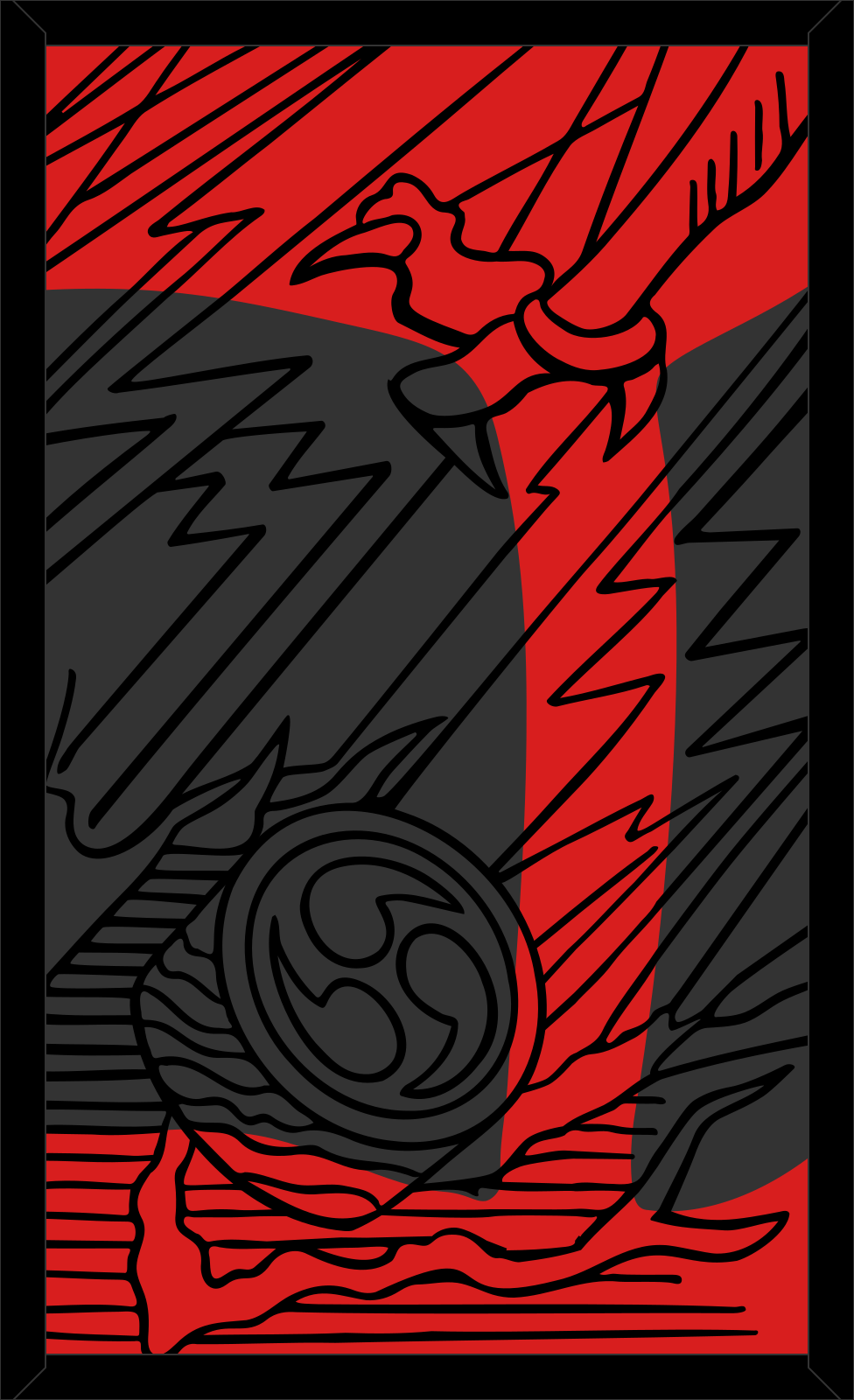
The Lightning is the odd plain out: a thunder drum and a demon’s hand in red and black. Some regions played the willow cards as wild cards, the willow plain came to be coloured red, and a design modelled on Ōtsu-e folk painting was adopted for it[4]. In Hachi-Hachi all four November cards count as kasu when hands are checked for hand yaku[4][6].
The Sake cup is counted as a plain as well in many rule books, a custom linked to the chrysanthemum festival of the ninth day of the ninth month[4] (the story of the Sake cup).
Playing with the counts
- They build up on their own. Every capture that is not a light adds to one of the three counts, so they grow while you play for other yaku.
- Watch both players’ counts. Hover over or tap a captured card to see its owner’s progress, such as “Kasu 7/10” or “Tane 4/5”, and “out of reach” once the yaku can no longer be made.
- Tane goes to one player. Once either player holds five tane, the other cannot make Tane this round.
- Not every card comes out. At most 16 of the 24 draw-pile cards are turned over in a round, so count on the cards you have seen.
House rules
- The Sake cup counts as a tane and a plain in many rules, Nintendo’s included[1][5]; others count it as one or the other, not both, or only as a tane[3][2].
- The Sake cup, the Lightning or the yellow Paulownia plain may each count as two plains[3]. In Korean Go-Stop the cup is usually counted either as an animal or as two plains[5].
- Nintendo does not count Tane beside Inoshikachō, or Tan beside Akatan and Aotan[1].
This game counts the Sake cup only as a tane and every plain as one, and counts Tane and Tan beside the named yaku; no room setting changes that. The house rules page compares these rules.
Questions
How many kasu do you need for Kasu?
Ten. Ten plains score 1 point, eleven score 2, and so on. The Lightning counts as one; the Sake cup does not in this game, though it does under Nintendo’s rules[1].
Can both players make the same one?
Tan and Kasu, yes: there are ten tanzaku and 24 plains. Tane, no: there are only nine tane, and each player would need five.
Sources
- こいこい|花札の歴史・遊びかた. Nintendo: Yaku values, the Sake cup as a plain, Tane and Tan void with the named yaku, the koi-koi rule
- こいこい. Wikipedia (Japanese): Common rules for the Sake cup
- Koi-Koi. Fuda Wiki: House rules for the Sake cup and the plains
- 花札. Wikipedia (Japanese): The kinds of card and their names; the Lightning; the Sake cup as a plain
- Chrysanthemum. Fuda Wiki: The Sake cup in Koi-Koi and Go-Stop
- Hanafuda. Wikipedia: November cards in Hachi-Hachi