
Inoshikachō: boar, deer and butterflies
Last updated
Inoshikachō (猪鹿蝶, also written Inoshikacho) is the Koi-Koi yaku of three animal cards: the Boar of July, the Deer of October and the Butterflies of June. Together they score 5 points, and every other animal card you capture adds 1 more. In this game the three also count towards Tane, so five animals score both yaku.
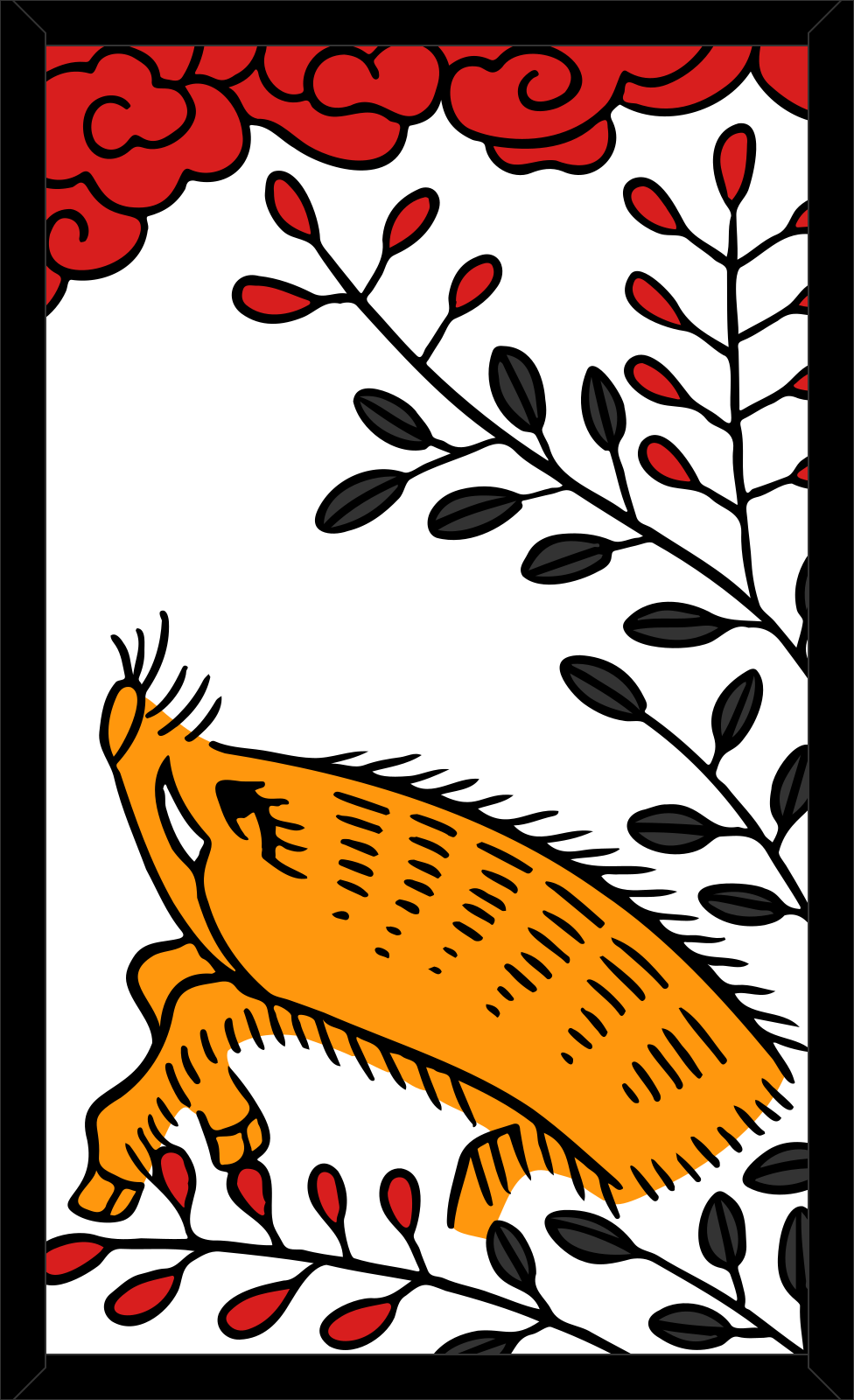
Boar萩に猪July · Animal (tane) · 10 pts 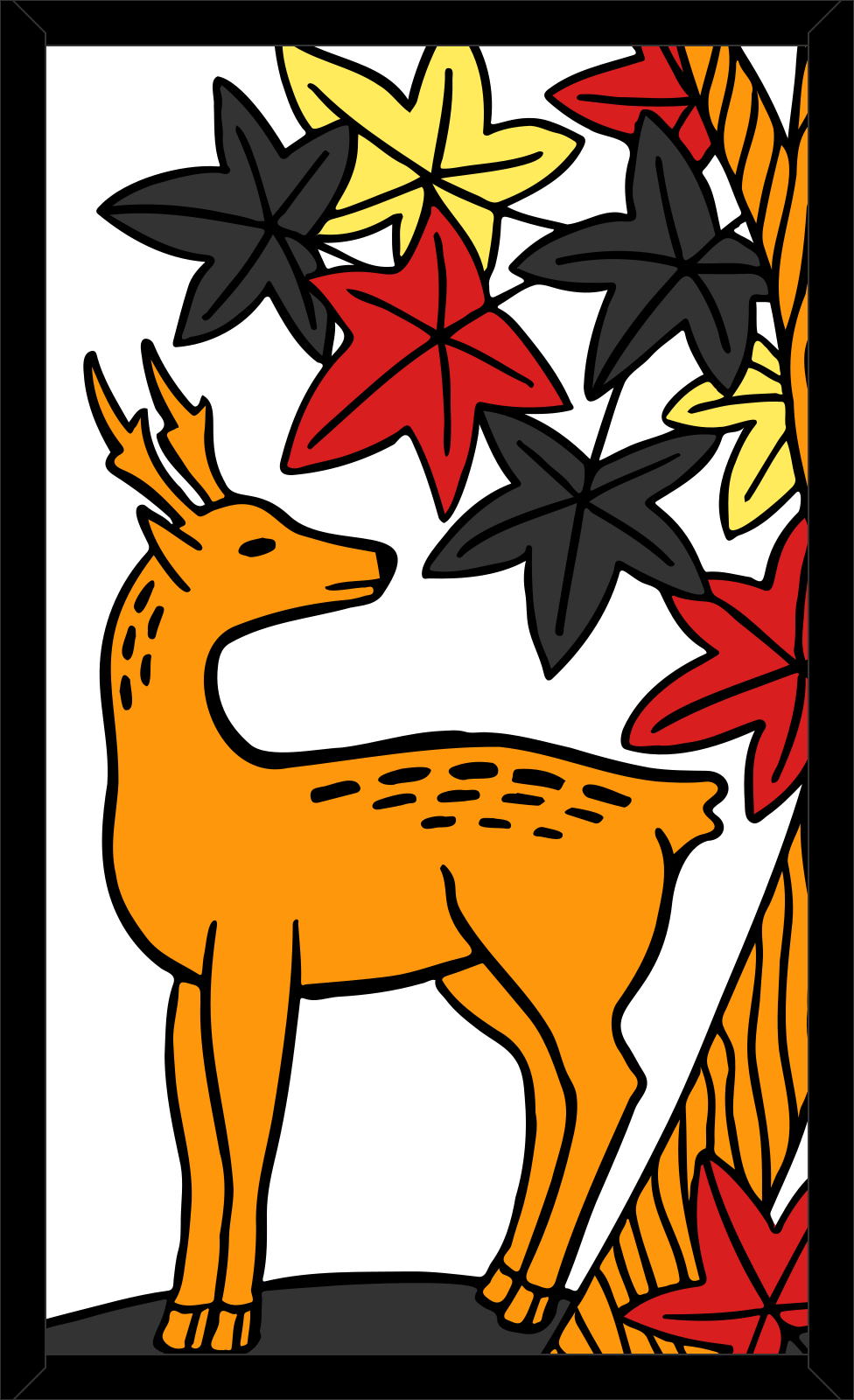
Deer紅葉に鹿October · Animal (tane) · 10 pts 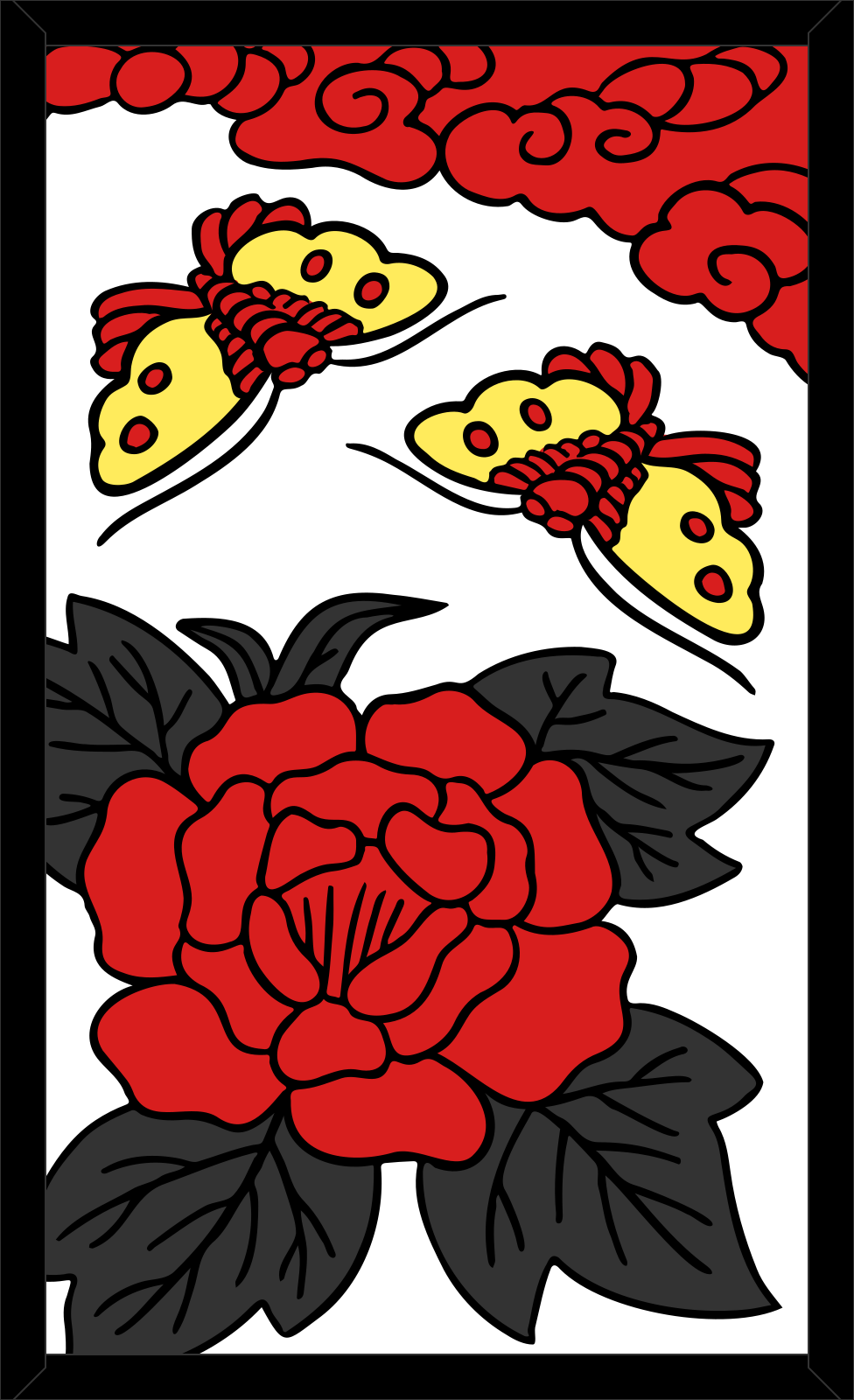
Butterflies牡丹に蝶June · Animal (tane) · 10 pts
The three cards
The Boar, the Deer and the Butterflies are three of the nine tane, the animal cards worth 10 points in other hanafuda games. Each belongs to a different month, and each is the only animal of its month.
| Card | Month · flower | Picture |
|---|---|---|
| Boar萩に猪hagi ni inoshishi | July · Lespedeza | A boar charging through bush clover |
| Deer紅葉に鹿momiji ni shika | October · Maple | A deer among maple leaves, head turned away |
| Butterflies牡丹に蝶botan ni chō | June · Peony | Two butterflies over red peonies |
The other six tane are the Nightingale, the Cuckoo, the Bridge, the Geese, the Sake cup and the Swallow. Once you have Inoshikachō, each of them you capture adds 1 point to it.
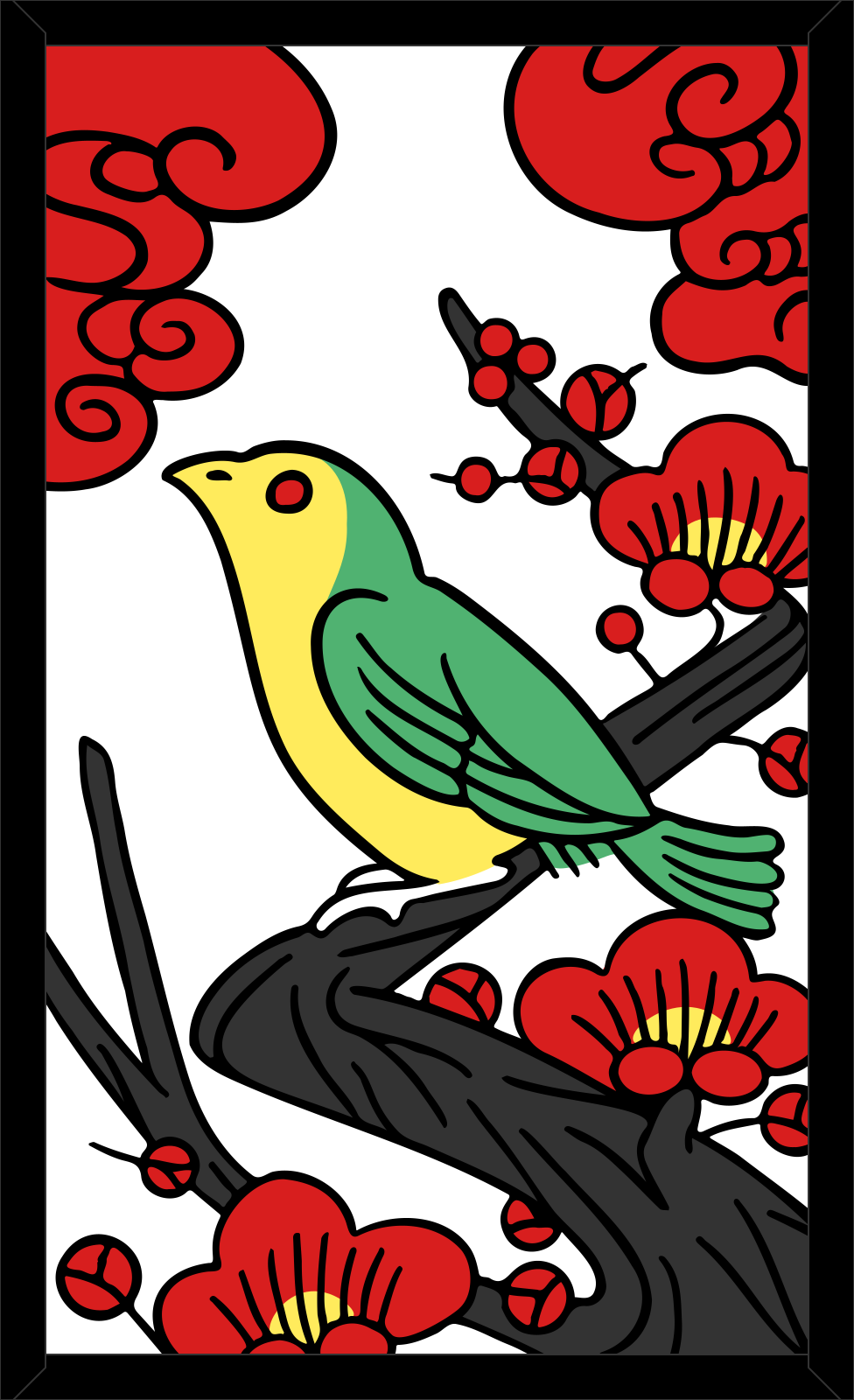
Nightingale 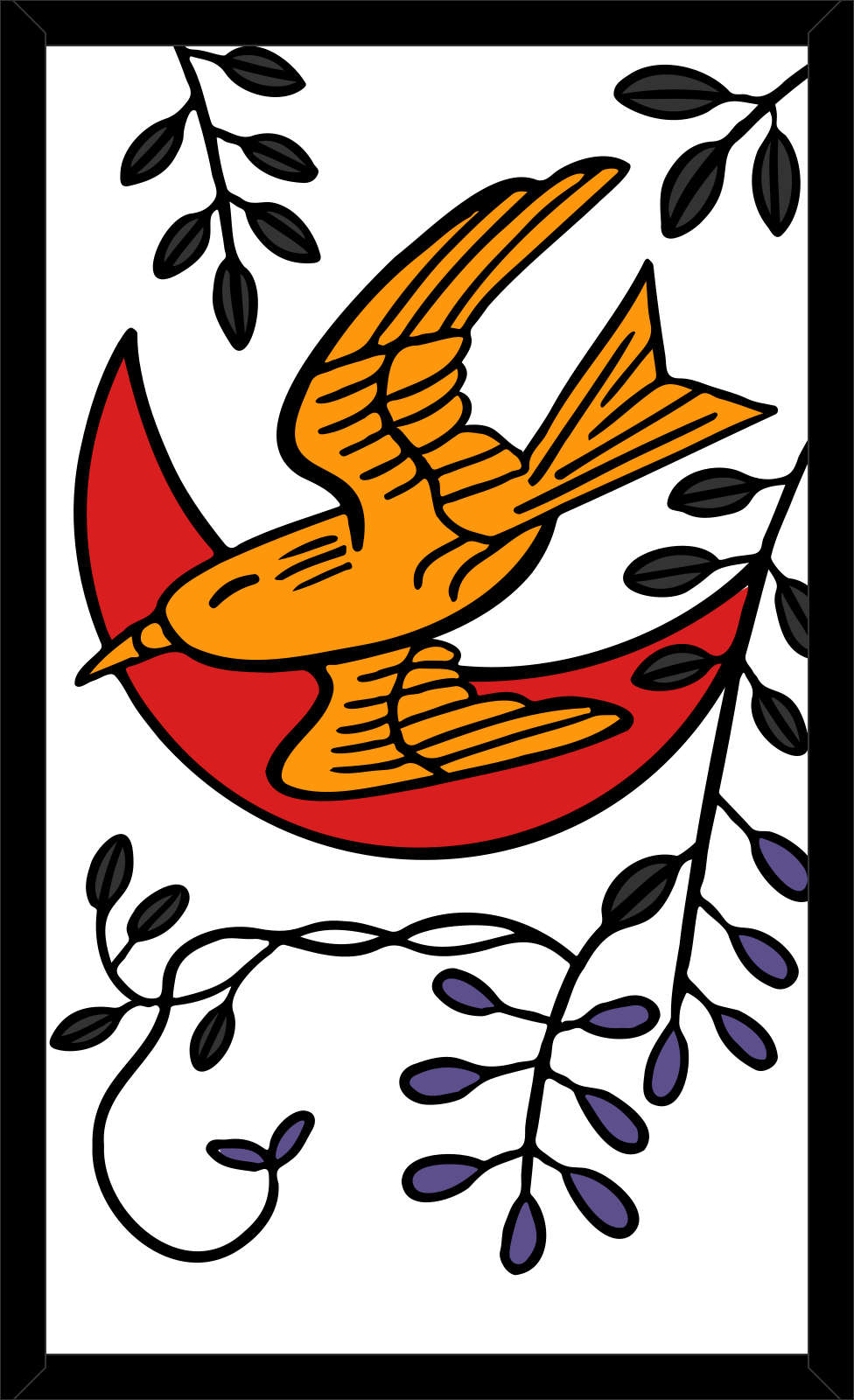
Cuckoo 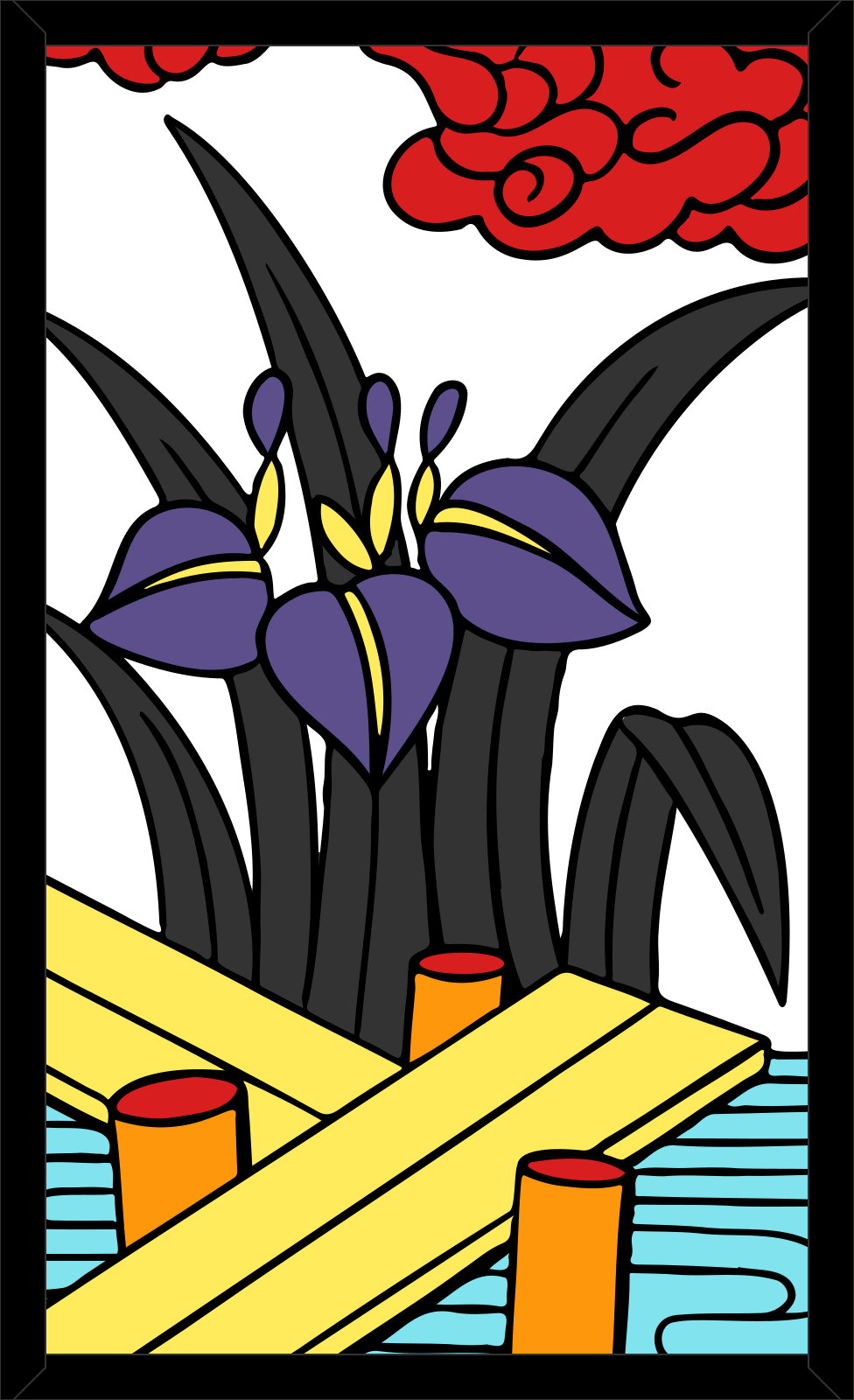
Bridge 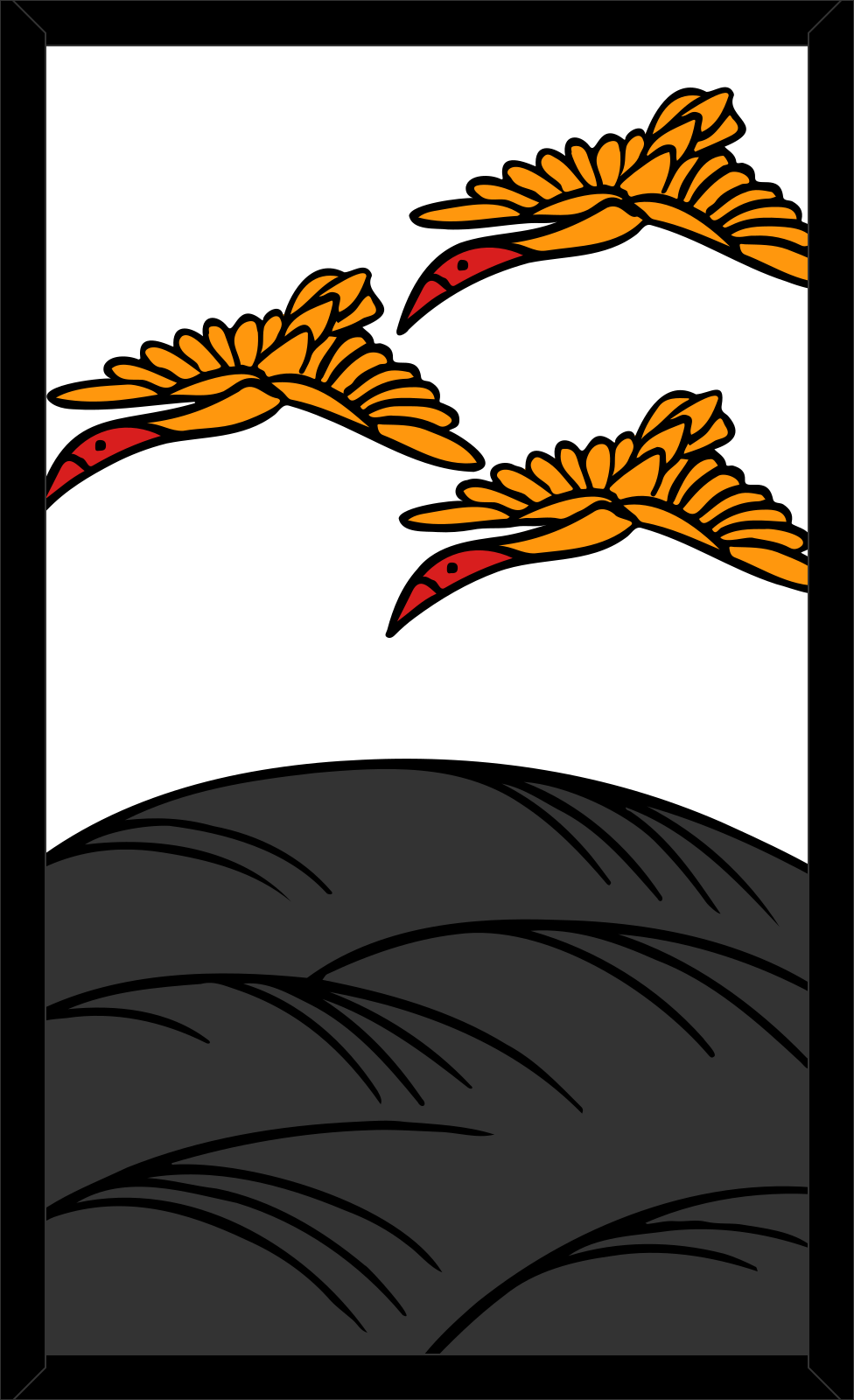
Geese 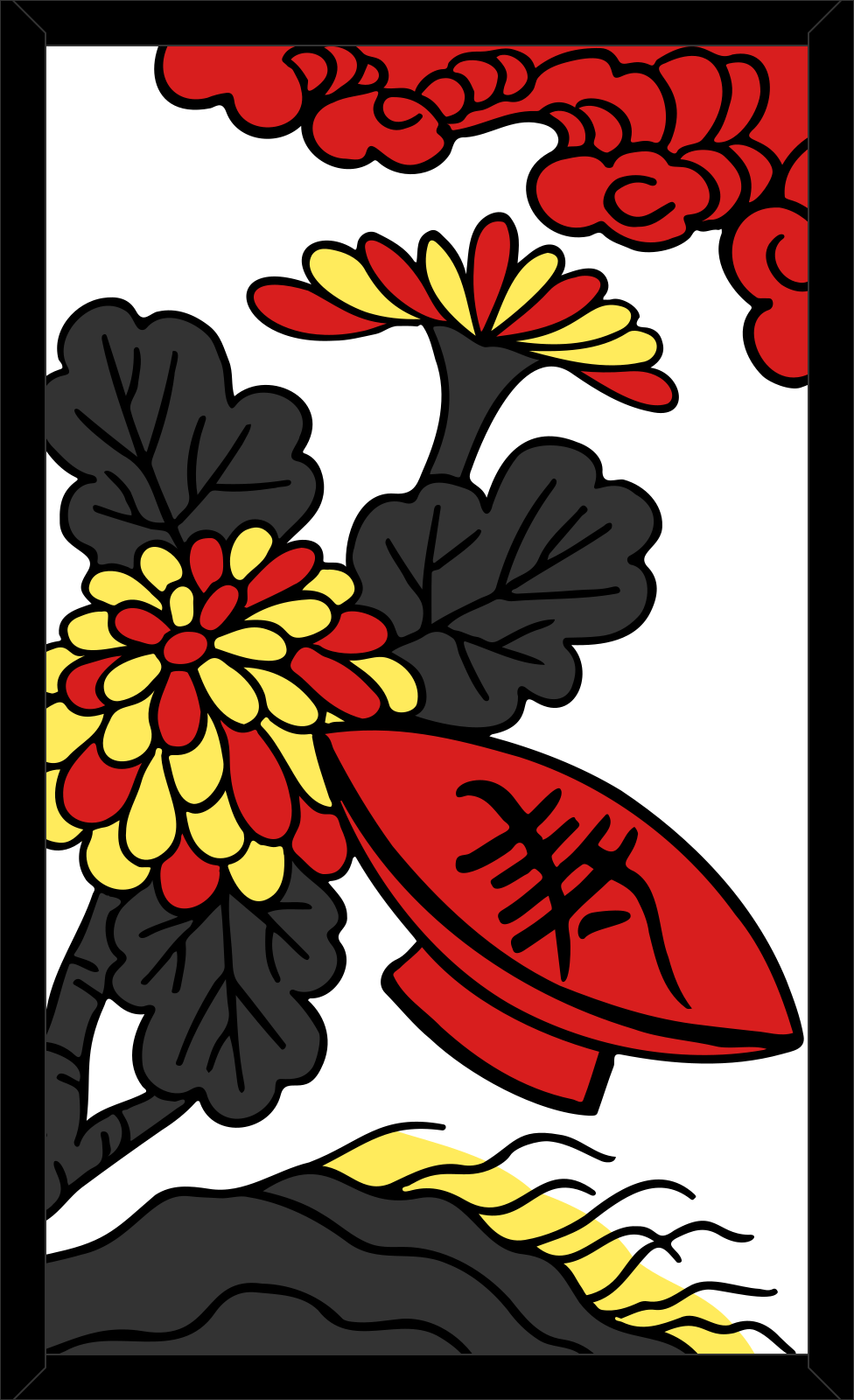
Sake cup 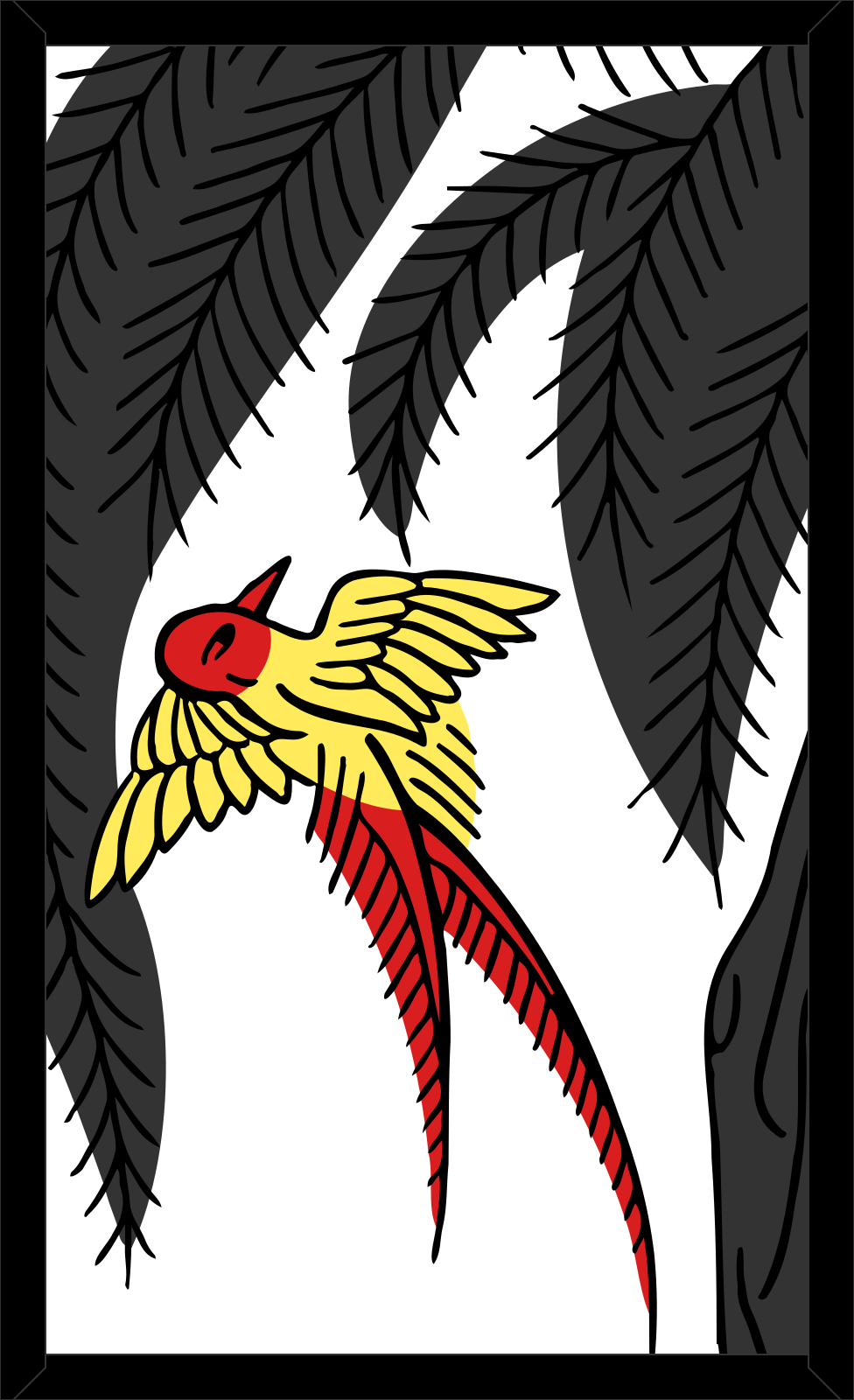
Swallow
Points here and under Nintendo’s rules
Inoshikachō is worth 5 points in this game and in Nintendo’s published Koi-Koi table, with 1 point more for each other tane[1]. The difference is the Tane yaku (five animals, 1 point). Nintendo’s table says Tane does not count once Inoshikachō is made[1]; this game scores every yaku on its own, so five animals that include the three score both. Add the doubling, which starts at 8 points here and at 7 there, and the results part as soon as you hold five animals:
| Captured cards | This game | Nintendo’s rules |
|---|---|---|
| Boar, Deer, Butterflies | Inoshikachō 55 pts | Inoshikachō 55 pts |
| The three and the Sake cup | Inoshikachō 66 pts | Inoshikachō 66 pts |
| The three, the Nightingale and the Geese | Inoshikachō 7 + Tane 18 × 2 = 16 pts | Inoshikachō 7 (Tane not counted)7 × 2 = 14 pts |
| All nine tane | Inoshikachō 11 + Tane 516 × 2 = 32 pts | Inoshikachō 11 (Tane not counted)11 × 2 = 22 pts |
How it adds up with other yaku
Inoshikachō adds up with every other yaku, and one card may count for several at once (how other rules treat this). The Sake cup does the most work: it is a tane, so it adds 1 to Inoshikachō and counts towards Tane, and with the Moon or the Curtain it also makes a sake yaku.
- Boar, Deer, Butterflies, Sake cup and Moon: Tsukimi 5 + Inoshikachō 6, so 11 × 2 = 22 (Tsukimi de ippai).
- All nine tane: Inoshikachō 11 + Tane 5, so 16 × 2 = 32. Under Nintendo’s rules the same cards score 11 × 2 = 22.
Inoshikachō and the koi-koi call
Inoshikachō alone is 5 points and does not double. Every animal you capture after it raises your total, and each time your total rises you choose again whether to stop or call koi-koi. Two more animals make five: Inoshikachō 7 plus Tane 1 is 8, which doubles, and after one koi-koi call the same cards pay 8 × 2 × 2 = 32. The risk is the usual one: every call raises the koi-koi multiplier for whoever wins the round, your opponent included.
The pictures and the name
The name simply reads the three animals in a row: ino (from inoshishi, boar), shika (deer) and chō (butterfly). Each picture pairs its animal with the plant of the month, as painting and poetry had long done.
Boar (萩に猪), July
A wild boar charges through bush clover (hagi, Lespedeza), one of the seven flowers of autumn; in the old calendar July was already early autumn. A boar asleep on flattened clover was a poetic image, the “boar’s bed” (fusui no toko), and in Essays in Idleness (section 14) Yoshida Kenkō notes that even a fearsome boar sounds gentle once a poem calls it that. The card maker Ōishi Tengudō adds that the boar was the messenger of Marishiten, a god of war revered by samurai, and that its headlong charge made it a lucky animal for warriors and gamblers[7].
Deer (紅葉に鹿), October
A sika deer stands among red and gold maple leaves, looking away. A stag crying in the autumn maples is an old image of poetry: poem 5 of the Hyakunin Isshu hears one deep in the mountains, treading through fallen leaves. The averted head is said to be the origin of the slang shikato, “to ignore someone”, from shika-tō, “deer ten”[6][8] (glossary).
Butterflies (牡丹に蝶), June
Two butterflies hover over red peonies. The peony came from China as the “king of flowers” and became the crest of the Konoe family of regents[9]. Butterflies, which turn from caterpillar to winged adult, stood for rebirth, and in Chinese the word for butterfly sounds like the word for a person of eighty, which made it a sign of long life[10].
Playing for Inoshikachō
- Watch three months. June, July and October each hold one of the three cards. Any card of the same month takes it from the table, whether you play it from your hand or turn it over from the pile.
- One card decides it. As soon as your opponent holds any of the three, Inoshikachō is out of reach for you this round, and the same goes for them. Hover over or tap a captured card to see its owner’s progress, such as “Inoshikachō 2/3”, or “out of reach”. With assisted highlighting on, a capture that blocks your opponent’s yaku is marked before you make it.
- No animal is wasted. Each one adds a point once you have the yaku, and any five of the nine make Tane.
- Mind the overlap with Aotan. June and October also hold two of the blue tanzaku, and September holds the third beside the Sake cup, so Aotan is often contested in the same months.
House rules and other games
- Some rule sets make Inoshikachō worth 6[5].
- The +1 per extra animal is not universal: Japanese Wikipedia lists it as a rule some players use[2]. Older descriptions give no bonus and let Inoshikachō stack with Tane instead[3]. This game does both; Nintendo gives only the bonus.
- Nintendo’s Koi-Koi leaflet from the 1960s has no Inoshikachō at all[3].
- In Hana-awase, a game usually played by three, Inoshikachō is a dekiyaku worth 20. Some areas of central Japan make it with the Geese in place of the Butterflies, and a local yaku called arashi (“storm”, from no-arashi, animals raiding the fields) uses the Boar, the Deer and the Geese[4].
Here Inoshikachō is always 5 points plus 1 per other tane, with Tane counted beside it; no room setting changes that. The house rules page compares other common variants.
Questions
Do the three cards count for Tane as well?
Yes, in this game. With two more animals you hold five tane, and Tane (1 point) scores beside Inoshikachō. Under Nintendo’s rules Tane does not count once Inoshikachō is made[1]. More on Tane on the Tane, Tan and Kasu page.
Does the Sake cup add a point to Inoshikachō?
Yes. It is a tane, so it adds 1 like any other animal, here and under Nintendo’s rules. Nintendo also counts it as a plain for Kasu; this game does not.
Sources
- こいこい|花札の歴史・遊びかた. Nintendo: Yaku values, Tane void with Inoshikachō, the 7-point doubling, the koi-koi rule
- こいこい. Wikipedia (Japanese): Common rules; the +1 as an optional rule
- Koi-Koi. Fuda Wiki: Older yaku and the 1960s Nintendo leaflet
- 花合わせ. Wikipedia (Japanese): Inoshikachō in Hana-awase; the arashi yaku
- 花札の遊び方(こいこいのルール). Etohana (hanafuda game): Inoshikachō at 6
- 花札. Wikipedia (Japanese): The deer card and the word shikato
- 花札の謎シリーズ!7月札『萩に猪』. Ōishi Tengudō (card maker, Kyoto)
- 花札の謎シリーズ!10月札『鹿に紅葉』. Ōishi Tengudō
- 花札の謎シリーズ!6月札『牡丹に蝶』前篇. Ōishi Tengudō
- 花札の謎シリーズ!6月札『牡丹に蝶』後編. Ōishi Tengudō